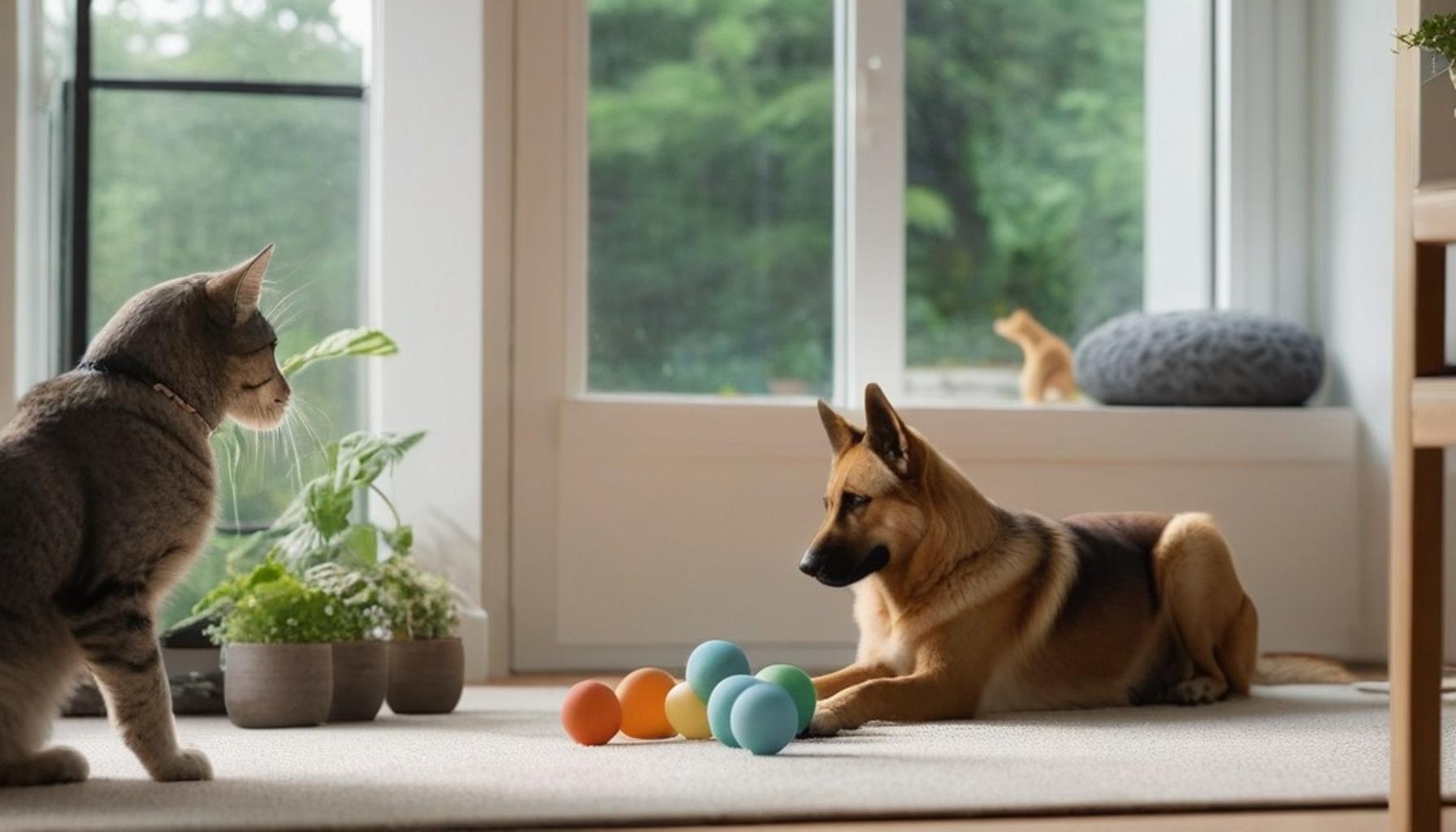
Environmental Enrichment and Preventive Health: Strategies for Happy Dogs and Cats
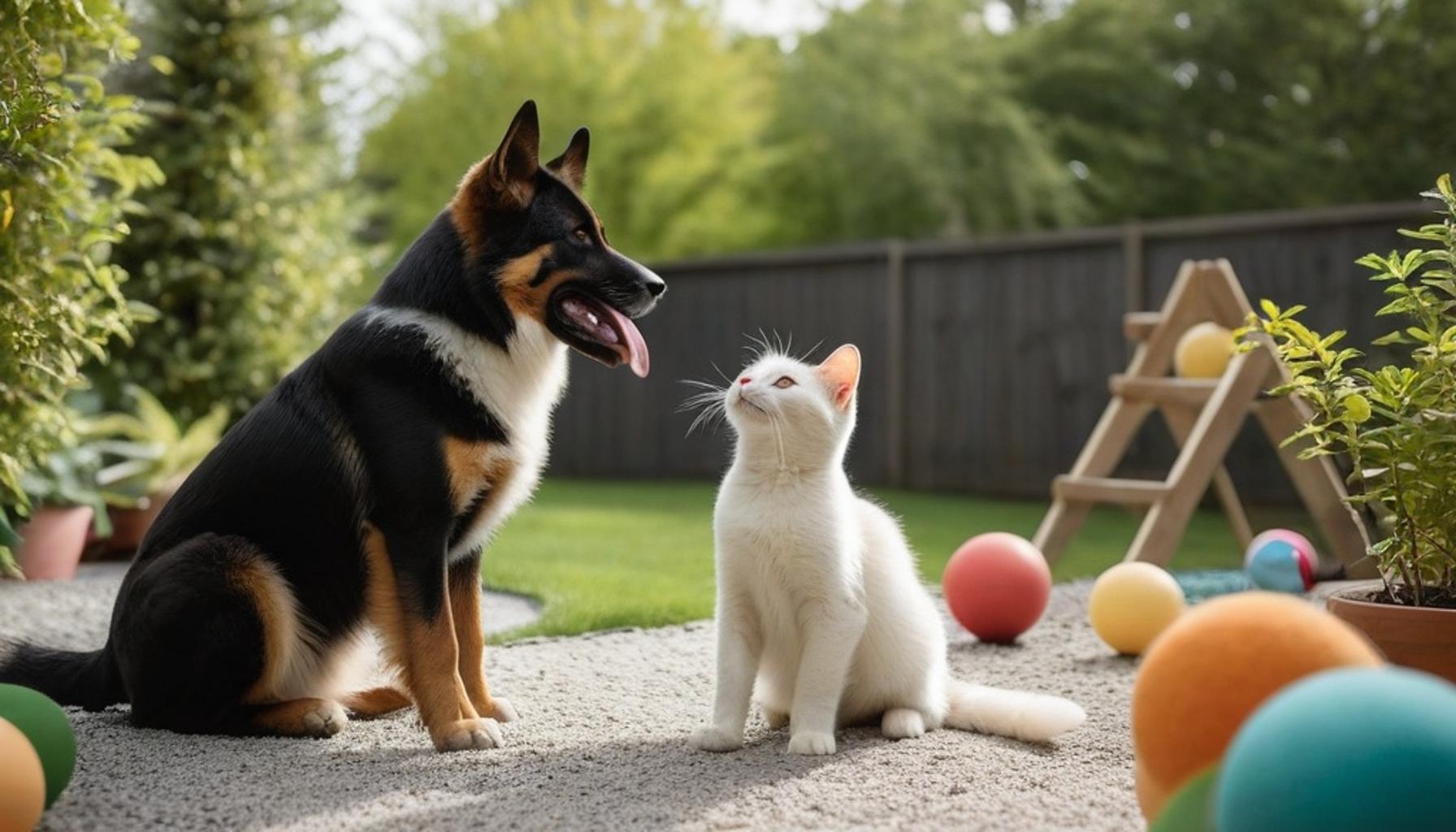
Why Bored Pets Are Often Unhealthy Pets
Across Lagos, Abuja, and Port Harcourt homes, more pet owners are noticing something troubling: dogs pacing endlessly and cats scratching furniture into ruins. These behaviors are not random mischief; they signal a deeper problem rooted in boredom and stress. In estates from Lekki to Gwarinpa, veterinary clinics report a steady rise in consultations linked not to infections or parasites, but to behavioral fallout from understimulation.
Environmental Enrichment for Pets has emerged as a critical solution to this growing concern. Veterinary experts now link poor mental stimulation directly to physical health decline in companion animals. A dog left alone in a compound for eight hours with nothing but a food bowl is essentially living in sensory isolation, and the consequences show up faster than most owners expect.
The Hidden Cost of an Understimulated Pet
Studies suggest that under-stimulated dogs and cats face higher risks of obesity, anxiety disorders, and destructive behavior. Without proper mental stimulation for dogs and cats, everyday household items become the only outlet for pent-up energy. A leather sofa, a pair of slippers, or even electrical wiring can become casualties of an animal desperate for something to engage its mind.
Common warning signs include:
- Excessive chewing or scratching on furniture
- Repetitive pacing or tail-chasing
- Unexplained weight gain
- Increased aggression or withdrawal
- Excessive barking or meowing, particularly at night
- Loss of interest in food or, conversely, compulsive overeating
Nigerian pet owners often mistake these signals for disobedience or a “bad temperament,” when in truth the animal is communicating distress. A Rottweiler that digs through the flower beds in a Port Harcourt compound is not necessarily stubborn; it may simply be starved of purposeful activity.
A Shift Toward Preventive Care
Preventive health for dogs and cats is gaining momentum as Nigerian pet owners move beyond reactive veterinary visits. Simple, low-cost enrichment strategies can dramatically reduce future medical bills and behavioral issues. Instead of waiting for a diagnosis of obesity or a torn couch to prompt action, forward-thinking owners are integrating enrichment into daily routines from the start.
This shift mirrors global trends seen in countries like the United States and the United Kingdom, where pet insurance companies now factor enrichment habits into policy assessments. In Nigeria, where veterinary costs can strain household budgets, prevention offers a financially sound alternative to expensive treatments for anxiety-related illnesses or orthopedic problems caused by obesity.
This article explores practical pet enrichment strategies tailored for local households, from DIY toys to structured playtime. Readers will discover the real benefits of environmental enrichment and learn how small daily changes can lead to genuinely happy dogs and cats. From repurposed plastic bottles as treat dispensers to scheduled evening walks around the neighborhood, the solutions are often more accessible than most pet owners realize, requiring creativity rather than costly imported products.
SEE ALSO: Hygiene and Environmental Enrichment: Creating a Healthy Space for Your Pet
Understanding the Science Behind Enrichment
To grasp why Environmental Enrichment for Pets matters so much, it helps to look at what happens inside an animal’s brain when it lacks stimulation. Dogs and cats are descended from wild hunters whose survival depended on problem-solving, exploration, and physical exertion. Remove those outlets, and the brain does not simply switch off. Instead, it redirects energy into stress hormones like cortisol, which over time contribute to inflammation, weakened immunity, and behavioral instability.
Veterinary behaviorists in Nigeria increasingly reference international research showing that enriched environments lower cortisol levels significantly in captive and domestic animals alike. A 2021 review published in the Journal of Veterinary Behavior noted that dogs given regular puzzle-based feeding showed measurable reductions in anxiety-related symptoms within weeks. This is not abstract science reserved for laboratories abroad; it applies directly to a bulldog in Ikeja or a tabby cat in Enugu.
What makes this science particularly relevant for Nigerian households is the shift in how pets are kept. A generation ago, most dogs roamed compounds freely, chasing lizards, digging under fences, and patrolling territory instinctively. Today, with rising urbanization in cities like Port Harcourt and Ibadan, more pets live in flats or gated compounds with limited space. This shift, while safer in many respects, quietly removes the natural triggers that once kept an animal’s mind occupied. The result is a growing number of pets exhibiting what veterinarians describe as displacement behaviors, including pacing, excessive barking, or compulsive grooming.
What Enrichment Actually Means in Practice
Many Nigerian pet owners assume enrichment requires expensive imported gadgets. This is a misconception. True mental stimulation for dogs and cats comes from variety, novelty, and challenge, not price tags. Enrichment falls into several practical categories:
- Sensory enrichment: new scents, sounds, and textures introduced regularly
- Cognitive enrichment: puzzle feeders, hide-and-seek games, scent trails
- Physical enrichment: climbing structures, tunnels, varied walking routes
- Social enrichment: supervised interaction with other animals or humans
- Occupational enrichment: tasks that mimic natural behaviors, like digging pits for dogs or scratching posts for cats
A cat confined indoors in a Lagos apartment, for instance, benefits enormously from a simple cardboard box maze or a perch near a window overlooking street activity. These low-cost additions replicate the sensory complexity the animal would otherwise miss entirely. Even something as ordinary as rotating toys weekly, rather than leaving the same rubber bone out for months, tricks the brain into perceiving novelty, which sustains curiosity and reduces boredom-driven destructiveness.
Dog owners in suburban Abuja have found success with something as simple as scattering kibble across a patch of grass instead of using a bowl, forcing the animal to sniff, search, and work for its meal. This single change mimics foraging behavior lost through domestication, and many owners report calmer pets within days of adopting the practice.
Why Preventive Thinking Changes Outcomes
Preventive health for dogs and cats is not just about vaccines and deworming schedules anymore. It now includes proactive behavioral management. Clinics in Abuja have reported that pets receiving structured enrichment routines require fewer emergency visits related to anxiety-induced self-harm, such as excessive licking that leads to skin infections.
The financial logic is compelling. Treating a torn ligament from an obesity-related injury can cost tens of thousands of naira, whereas daily enrichment costs next to nothing. This is the core appeal behind modern pet enrichment strategies: they function as insurance against far costlier problems down the line.
There is also a broader public health angle worth considering. Stressed, under-stimulated animals are statistically more prone to unpredictable aggression, which raises safety concerns in densely populated neighborhoods where pets and children share close quarters. Addressing enrichment early, therefore, is not only about the animal’s wellbeing but also about community safety and harmony.
Understanding these foundations sets the stage for practical application, which is where most pet owners genuinely want guidance.
Environmental Enrichment for Pets: Key Strategies at a Glance
Before diving deeper, this quick-reference table breaks down proven pet enrichment strategies and their direct impact on preventive health for dogs and cats. Use it as a checklist to spot gaps in your pet’s daily routine.
| Enrichment Strategy | Health & Behavior Benefit |
|---|---|
| Puzzle Feeders | Mental stimulation for dogs and cats, slower eating, reduced obesity risk |
| Scent Work Games | Lowers cortisol, channels natural instincts, curbs anxiety-driven behaviors |
| Vertical Cat Trees | Supports muscle tone, territorial security, fewer marking incidents |
| Rotating Toys | Prevents boredom, sustains novelty, delays cognitive decline |
| Structured Outdoor Walks | Cardiovascular fitness, weight control, joint health for happy dogs and cats |
| Regular Wellness Exams | Early detection of disease, key pillar of long-term preventive care |
Each row above highlights measurable benefits of environmental enrichment, from behavioral improvements to reduced veterinary costs over a pet’s lifet
CHECK OUT: The Importance of Environmental Enrichment for the Behavioral Health of Dogs and Cats
Building a Practical Enrichment Routine at Home
Once Nigerian pet owners understand the science, the next question is always logistical: how does one actually build pet enrichment strategies into a daily routine without turning it into another chore? The answer lies in small, repeatable habits rather than grand overhauls. Many owners assume enrichment requires elaborate setups, expensive imported toys, or hours of free time they simply do not have. In reality, the most effective enrichment routines are the ones that slot quietly into an already busy day, requiring intention rather than extravagance.
Veterinarians in Lagos often recommend what they call the “fifteen-minute rule.” Fifteen minutes of focused enrichment, whether a scent game, a short training session, or a supervised climb on furniture, delivers more behavioral benefit than an entire day of passive presence in a compound. This makes enrichment achievable even for working professionals in Victoria Island or Lekki who leave home early and return late. The logic is simple: quality of engagement outweighs quantity of time spent in proximity. A dog left alone in a courtyard for eight hours gains far less mental stimulation than one given fifteen minutes of deliberate interaction before its owner rushes off to the office.
Rotating Activities to Prevent Boredom Plateau
One overlooked detail is that enrichment loses effectiveness if it becomes predictable. A puzzle feeder used every single day for months eventually becomes just another bowl. Behaviorists suggest rotating at least three different enrichment tools weekly to maintain the benefits of environmental enrichment over time. Without variation, even the cleverest gadget risks becoming background noise to an animal that has already mastered its challenge.
- Week one: frozen treat puzzles for hot Lagos afternoons
- Week two: scent trails using safe household spices like cinnamon
- Week three: obstacle courses made from chairs and cardboard boxes
- Week four: short training drills reinforcing basic commands
This cycle keeps a dog or cat mentally engaged without requiring constant financial investment. Many pet stores in Nigeria now stock affordable enrichment kits, but resourceful owners in Kano and Jos have shown that locally sourced materials, such as calabash bowls or woven baskets, work just as effectively for hiding treats. Even discarded items like empty water sachets, when cleaned and repurposed thoughtfully, can become makeshift crinkle toys that intrigue curious paws for minutes at a time.
Enrichment for Multi-Pet and Multi-Generational Households
Nigerian homes frequently host more than one animal, sometimes across different ages. A senior dog and a younger cat, for example, require different intensities of stimulation. Overloading an older pet with high-energy games can strain joints, while under-stimulating a younger one leads to restlessness. This mismatch often explains why some households report one pet thriving while another seems perpetually agitated or withdrawn.
Tailoring enrichment by life stage is now considered essential to preventive health for dogs and cats. Puppies benefit from chew-based problem solving that supports teething, while senior pets thrive on low-impact sensory enrichment such as gentle massage routines or calm scent exploration in the garden. Owners managing mixed households often find success by staggering activities throughout the day, giving each animal a dedicated window rather than forcing shared sessions that suit neither party.
Measuring Success Beyond Behavior
Owners often ask how to know if enrichment is truly working. Veterinary clinics in Abuja point to measurable indicators beyond calmer behavior alone, encouraging pet owners to track subtle physiological and emotional shifts over weeks rather than expecting overnight transformation.
- Improved appetite consistency
- Better sleep patterns with fewer nighttime disturbances
- Reduced destructive chewing or scratching on furniture
- More relaxed body posture during vet visits
These signs collectively point toward happy dogs and cats, and they double as early warning systems. A sudden drop in engagement with enrichment tools can sometimes signal underlying illness before physical symptoms appear, giving owners a valuable head start on veterinary intervention. Some clinics even encourage owners to keep a simple notebook tracking enrichment responses, turning casual observation into a useful diagnostic habit.
As more Nigerian households document these changes, the conversation around mental stimulation for dogs and cats is shifting from a luxury concept to a recognized pillar of responsible pet ownership, one that fits naturally alongside vaccination schedules and nutrition planning. What once seemed like an optional indulgence is steadily becoming an expected part of everyday pet care across the country.
RECOMMENDED: Behavioral Management Through Enrichment: Practical Tips for Indoor Environments
Environmental Enrichment for Pets: The Bigger Picture
Across Lagos apartments, Abuja compounds, and Kano courtyards, the message emerging from veterinary clinics and animal behaviorists is consistent: Environmental Enrichment for Pets is no longer a fringe idea reserved for wealthy households with imported gadgets. It is a practical, low-cost approach to keeping animals physically and emotionally balanced, one that any Nigerian pet owner can adopt regardless of budget or living space.
What stands out most is how interconnected enrichment is with broader wellbeing. A dog solving a frozen treat puzzle is not just passing time; it is building resilience against anxiety, supporting digestion, and strengthening the bond with its owner. A cat exploring a scent trail is sharpening cognitive function that pays dividends well into old age. These small moments accumulate into something far larger than isolated activities.
This is why preventive health for dogs and cats increasingly overlaps with enrichment planning. Vaccination records and deworming schedules address visible threats, but boredom, stress, and understimulation often cause quieter damage that surfaces later as behavioral or physical illness. Addressing both fronts together produces more resilient animals.
Owners do not need perfection, only consistency. Rotating activities, observing subtle behavioral shifts, and adjusting routines for each pet’s age or temperament matter more than expensive equipment. These habits, repeated weekly, are what sustain the long-term benefits of environmental enrichment rather than a single novel toy.
Ultimately, the goal is simple: happy dogs and cats that feel secure, engaged, and physically well cared for within Nigerian homes. As more veterinary professionals nationwide champion mental stimulation for dogs and cats alongside traditional care, pet owners have an opportunity to rethink daily routines, not as extra effort, but as an investment in a longer, richer life shared with their animals.
Frequently Asked Questions
What is environmental enrichment for pets and why does it matter for dogs and cats in Nigeria?
Environmental enrichment for pets means providing toys, activities, and surroundings that stimulate a pet’s senses, mind, and body beyond just food and shelter. In Nigeria, where many dogs and cats are kept mainly for security or left alone for long hours, enrichment helps prevent boredom, destructive chewing, and stress-related illnesses. It also supports overall preventive health by keeping pets physically active and mentally engaged.
What are some affordable environmental enrichment ideas for pets using items easily found in Nigeria?
You can use empty water sachets, cardboard boxes, or old rubber slippers as safe chew and puzzle toys for dogs, as long as they are supervised to avoid ingestion of plastic. For cats, a simple cardboard box with holes, a scratching post made from jute rope, or a paper bag can provide hours of engagement. Rotating these homemade items every few days keeps the enrichment fresh without added cost.
How can environmental enrichment help prevent common health problems in Nigerian pets?
Enrichment activities like interactive feeding, scratching posts, and regular play reduce obesity, anxiety, and compulsive behaviors such as excessive licking or barking, which are common in under-stimulated pets. Physically active pets also have better joint health, digestion, and immune function, lowering the risk of diseases linked to inactivity. This proactive approach can reduce visits to the vet for stress-related or lifestyle conditions.
Is outdoor environmental enrichment safe for pets given the risk of diseases and extreme heat in Nigeria?
Outdoor enrichment such as supervised walks or a secured backyard play area can be safe if done during cooler parts of the day, like early morning or evening, to avoid heat stroke. It is important to ensure pets are up to date on vaccinations and tick/flea prevention before outdoor play, since exposure increases contact with parasites and infectious agents. Providing shade, clean water, and monitoring for signs of overheating are essential precautions.
How often should I introduce new enrichment activities to keep my dog or cat engaged?
Introducing a new toy, puzzle feeder, or activity every one to two weeks helps prevent pets from losing interest, since dogs and cats can become bored with the same stimuli over time. Rotating a small collection of enrichment tools rather than buying new items constantly is both practical and cost-effective for pet owners in Nigeria. Watching your pet’s response, such as increased curiosity or play, helps you know which activities work best for them.

Linda Carter
Linda Carter is a writer and pet care expert specializing in pet health, grooming, and wellness. With extensive experience helping pet owners create safe, loving, and enriching environments for their animals, Linda shares her knowledge on our platform. Her goal is to empower readers with practical advice and strategies to ensure their pets thrive and lead joyful, healthy lives.