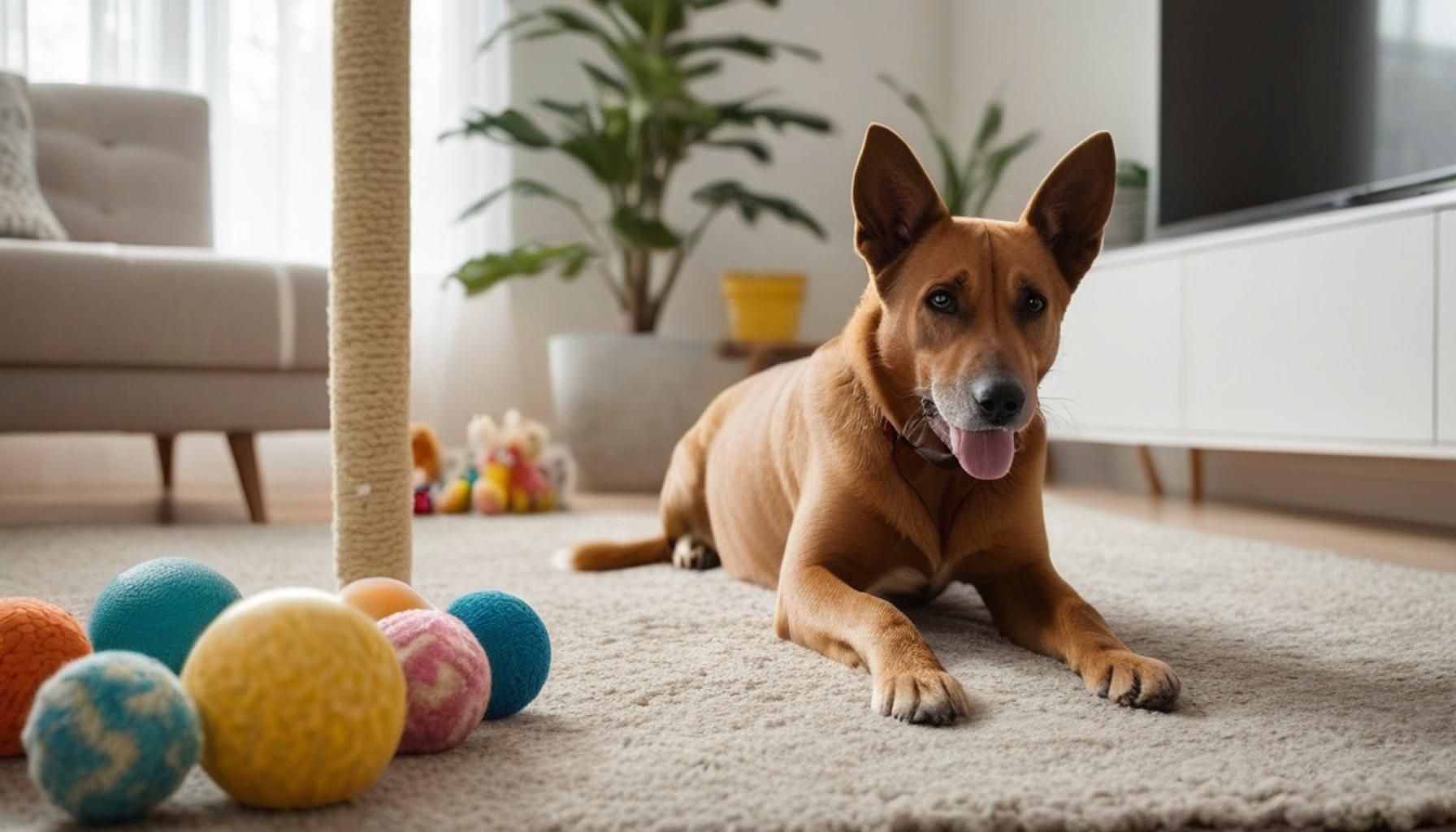
Hygiene and Environmental Enrichment: Creating a Healthy Space for Your Pet
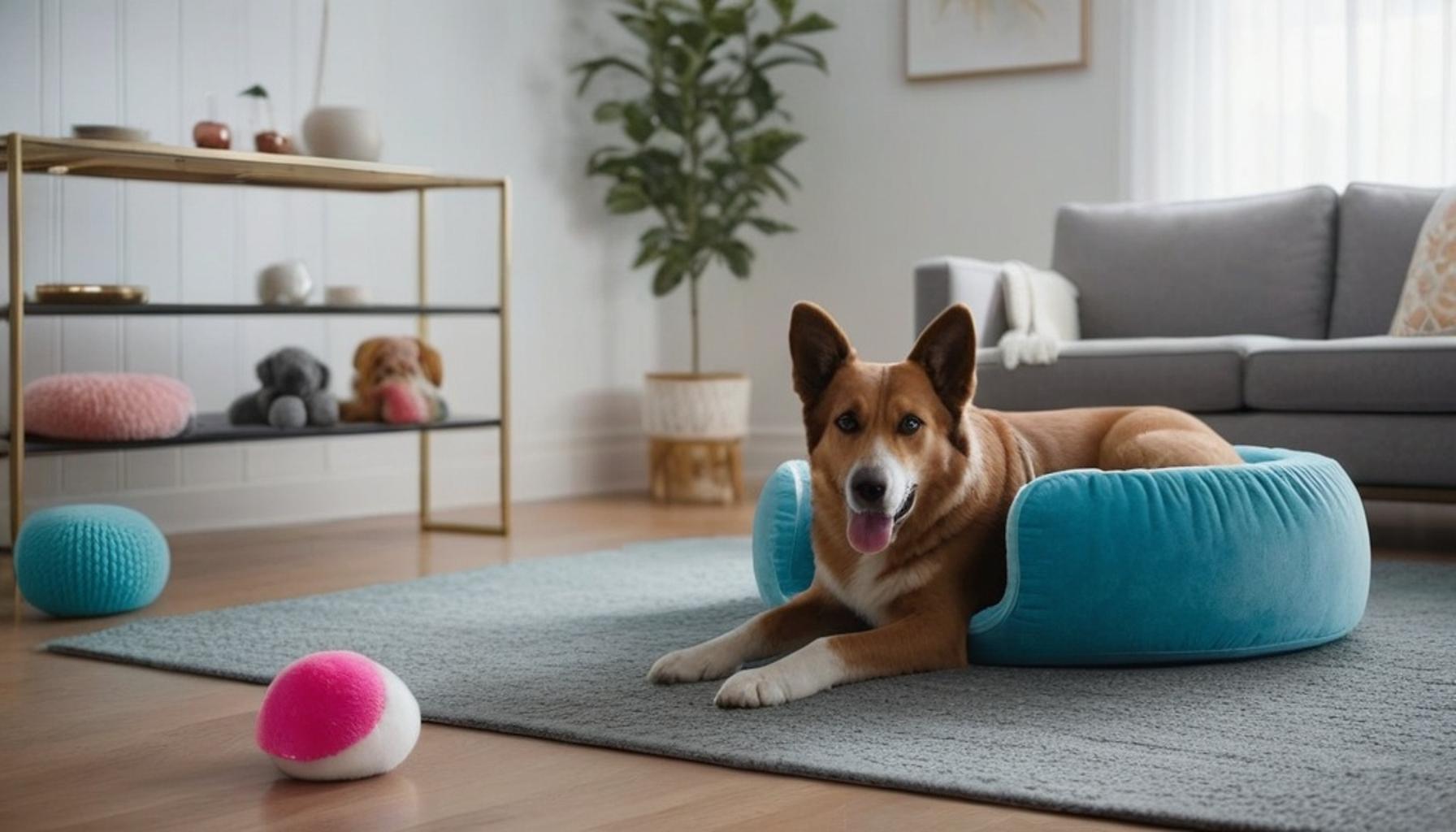
Why Every Nigerian Pet Deserves a Cleaner, Richer World
From bustling Lagos apartments to quiet compounds in Enugu, more Nigerian families are welcoming dogs, cats, and even rabbits into their homes. But owning a pet goes beyond feeding and cuddles—it demands real commitment to pet hygiene and environmental enrichment.
Veterinary experts across Africa report a rising number of preventable illnesses linked to poor sanitation and understimulated pets. This makes understanding how to keep pets clean and mentally engaged more urgent than ever.
What This Article Will Cover
Creating a healthy space for pets involves two connected pillars: cleanliness and stimulation. Neglecting either can lead to stress, disease, or destructive behavior.
- Daily and weekly hygiene practices for pets in Nigeria, adapted to local climate and housing
- The proven benefits of environmental enrichment for pets, including reduced anxiety and better health
- Simple, low-cost tools for creating a healthy space for pets, even in small urban homes
- Practical pet care tips for Nigerian pet owners dealing with heat, dust, and limited outdoor access
The Climate Factor Many Owners Overlook
Nigeria’s tropical climate, with humidity often above 70%, creates unique challenges for pet owners. Bacteria and parasites thrive quickly, making consistent grooming and sanitation non-negotiable. In cities like Port Harcourt and Calabar, where rainfall is heavy for much of the year, damp bedding and stagnant water bowls can become breeding grounds for fungal infections within days.
Meanwhile, in drier northern states such as Kano and Sokoto, dust and harmattan winds pose a different threat—clogging fur, irritating skin, and drying out paw pads. This means a one-size-fits-all approach to pet care simply does not work across Nigeria’s diverse regions.
Why Enrichment Matters as Much as Cleanliness
Many Nigerian pet owners focus heavily on feeding schedules while overlooking mental stimulation. Yet studies from veterinary institutions show that bored, underactivated pets are more prone to anxiety, obesity, and destructive chewing—problems that often get mistaken for simple stubbornness or bad behavior.
A dog left alone in a small Lagos flat all day, with no toys or interaction, is far more likely to develop compulsive behaviors than one given even basic puzzle feeders or short play sessions. Enrichment does not require expensive imported products; items like empty containers, homemade obstacle courses, or scent-based games using local herbs can work wonders.
A Guide Built for Nigerian Realities
This guide breaks down exactly what a clean, enriched pet environment looks like—and how any household can achieve it without breaking the bank. Whether you are managing a rooftop dog run in Abuja or a modest cat corner in a Kaduna bungalow, the principles remain adaptable, practical, and rooted in what works for the Nigerian context.
CHECK OUT: The Importance of Environmental Enrichment for the Behavioral Health of Dogs and Cats
Building the Foundation: Daily Hygiene Practices That Actually Work
Talk to any veterinarian in Ibadan or Benin City, and they will tell you the same thing: most preventable pet illnesses trace back to simple lapses in cleanliness. Establishing solid hygiene practices for pets in Nigeria is not about perfection—it is about consistency.
Skin infections, ear mites, and gastrointestinal upsets frequently stem from dirty bedding, contaminated water, or infrequent bathing. Understanding how to keep pets clean in a tropical setting requires attention to detail that many owners simply do not learn until problems arise.
Nigeria’s climate presents unique challenges that pet owners in temperate countries rarely consider. High humidity in coastal cities like Lagos and Port Harcourt creates a breeding ground for fungal infections, while the dry, dusty conditions of the harmattan season in northern states demand entirely different precautions. A one-size-fits-all approach to pet care simply does not work here, and owners who recognize this early tend to see fewer veterinary bills down the line.
Core Daily Habits Every Owner Should Adopt
Certain routines should happen without fail, regardless of species or breed. These form the backbone of any pet hygiene and environmental enrichment strategy.
- Refresh water bowls at least twice daily—stagnant water in Nigeria’s heat becomes a mosquito and bacteria magnet within hours
- Check paws and paw pads for cracked skin, embedded thorns, or dust buildup, especially after outdoor walks
- Spot-clean bedding areas to remove fur, food debris, and dampness before mold sets in
- Inspect ears and eyes for discharge, a common early sign of infection in humid environments
- Sweep and disinfect feeding areas, particularly in shared compounds where multiple animals may wander through
These small acts, repeated daily, add up to something far more significant than the sum of their parts. A dog whose paws are checked after every walk is far less likely to develop the painful interdigital cysts that plague animals wandering through debris-strewn streets in cities like Onitsha or Aba. Similarly, owners who make eye and ear checks part of their morning ritual often catch infections at their earliest, most treatable stage.
Weekly Deep-Cleaning Routines
Beyond daily upkeep, a more thorough weekly routine prevents long-term buildup that daily spot-cleaning misses. This is where many households fall short, often due to time constraints rather than negligence.
Washing bedding in hot water, scrubbing food and water containers with mild soap, and airing out enclosures in direct sunlight can dramatically reduce bacterial load. Sunlight, in particular, is a free and effective disinfectant widely underused by pet owners across Nigeria.
For dogs and cats with longer coats, weekly brushing sessions prevent matting and reduce shedding indoors—a particularly useful tip for owners in dusty regions like Kaduna and Maiduguri, where loose fur combined with harmattan grit can trigger skin irritation.
Beyond brushing, weekly inspections of claws and nail beds matter too. Overgrown claws can curl inward, causing pain and even infection, yet this remains one of the most overlooked aspects of pet care in many Nigerian households. Setting aside just fifteen minutes each weekend for a full-body check—running hands along the coat, checking between toes, and inspecting the tail base—can reveal issues long before they become costly emergencies.
Bathing Frequency: Getting the Balance Right
Overbathing strips natural oils from skin and coat, while underbathing allows dirt and parasites to accumulate. Most dogs do well with bathing every two to four weeks, though this varies by breed, activity level, and local climate conditions.
Cats generally groom themselves effectively and require far less frequent bathing, though owners in dustier northern states may need occasional wipe-downs to remove settled grime from fur.
Water quality also plays a role that many owners overlook. In areas where borehole water contains high mineral content, rinsing thoroughly after bathing prevents residue from irritating sensitive skin. Choosing a mild, pH-balanced shampoo formulated for animals—rather than human products or harsh detergents—further protects the skin’s natural barrier against Nigeria’s often unforgiving climate.
Getting this balance right is a cornerstone of creating a healthy space for pets, and it sets the stage for the next critical piece: keeping their minds as healthy as their bodies.
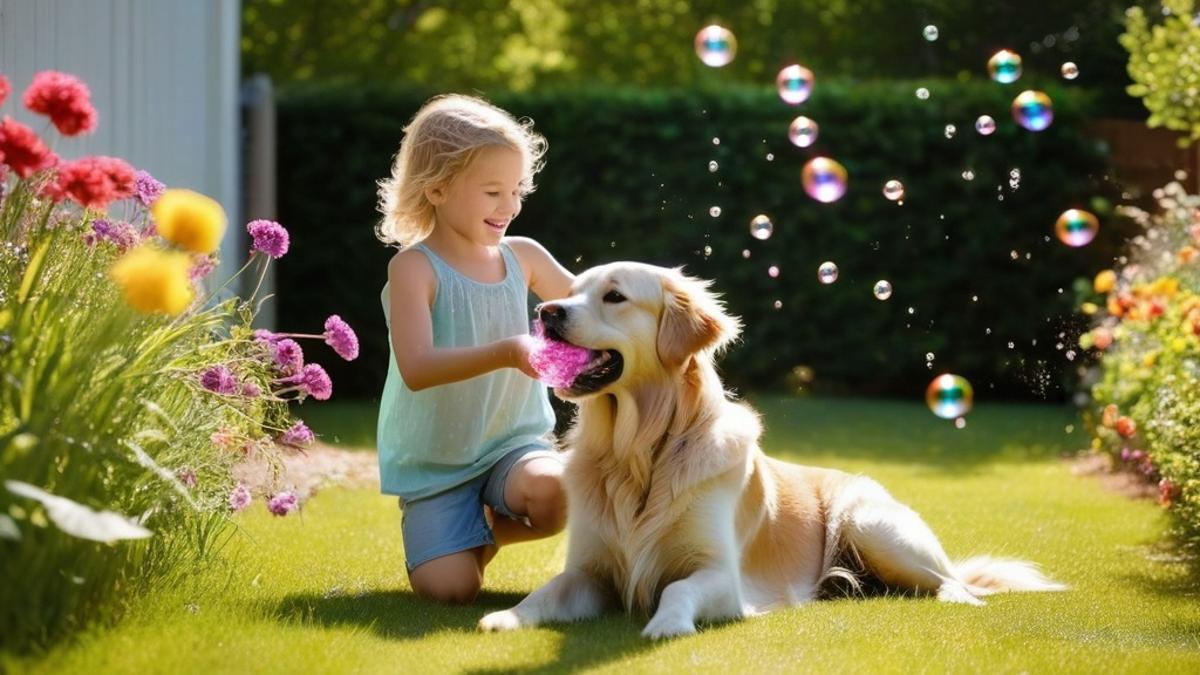
Key Aspects of Pet Hygiene and Environmental Enrichment
Pet hygiene and environmental enrichment work together to build a healthy space for pets, especially for pet care tips for Nigerian pet owners managing hot, humid climates. Below is a quick reference table highlighting essential hygiene practices for pets in Nigeria and enrichment strategies that reduce stress and disease risk.
| Category | Key Benefits |
|---|---|
| Regular Grooming | Reduces parasites, prevents matting, and supports how to keep pets clean daily |
| Waste Management | Lowers bacterial spread and odor, critical for hygiene practices for pets in Nigeria |
| Interactive Toys | Boosts mental stimulation, one of the top benefits of environmental enrichment for pets |
| Safe Outdoor Access | Encourages natural behavior while creating a healthy space for pets |
RECOMMENDED: Nutritional Care and Environmental Enrichment: How to Enhance the Well-Being of Pets
# Hygiene and Environmental Enrichment: Creating a Healthy Space for Your Pet
Beyond Cleanliness: Why Mental Stimulation Matters Just as Much
A spotless cage or immaculate kennel means little if the animal inside it is bored out of its mind. This is a truth many Nigerian pet owners are only beginning to grasp. The benefits of environmental enrichment for pets extend far beyond entertainment—they directly influence physical health, behavior, and even lifespan.
Animals denied mental stimulation often develop destructive habits: excessive barking, chewing furniture, feather-plucking in birds, or repetitive pacing in confined dogs. Veterinary behaviorists refer to this as a stress response, and it is remarkably common in households where pets are fed and cleaned but rarely engaged.
Consider the average compound dog in Lagos or Ibadan, tethered near the gate for security purposes. Such an animal may receive regular meals and occasional baths, yet spend the bulk of its day staring at the same patch of ground. Over months, this monotony can manifest as unexpected aggression toward visitors or unpredictable behavior around children, not because the dog is inherently dangerous, but because it has never been given an outlet for its natural energy and curiosity.
Designing an Enriched Living Environment
Environmental enrichment simply means providing an animal with opportunities to express natural behaviors—digging, foraging, climbing, or problem-solving. In a Nigerian context, this does not require expensive imported products.
- Rotate toys weekly rather than leaving the same items out indefinitely, which prevents habituation and renews curiosity
- Introduce puzzle feeders or scatter kibble in grass for dogs, mimicking natural foraging instincts
- Provide scratching posts or repurposed wood scraps for cats, redirecting behavior away from furniture
- Create vertical space using shelves or crates for cats, since climbing satisfies an instinctual need often ignored indoors
- Allow supervised outdoor time in secure compounds, giving animals exposure to new scents and textures
Local materials work surprisingly well here. Empty plastic bottles with holes cut into them, cardboard boxes, or even coconut shells can become effective enrichment tools when used thoughtfully. This approach makes pet care tips for Nigerian pet owners accessible regardless of income level. A market-bought raffia basket, for instance, can double as both storage and a novel object for a curious cat to investigate, while dried corn cobs make inexpensive chew items for rabbits and guinea pigs kept in many suburban homes.
The Overlooked Link Between Space and Stress
Cramped, unstimulating environments correlate strongly with elevated cortisol levels in animals—the same stress hormone implicated in human anxiety disorders. A 2021 study on captive animal welfare found that enriched environments reduced stereotypic behaviors by over 60 percent within weeks of implementation.
For Nigerian households, this often means rethinking how compound space is used. Dogs tied to a single spot all day, or cats confined to small rooms without visual stimulation, are far more prone to anxiety-driven aggression or lethargy than animals given room to explore safely.
Rearranging furniture occasionally, introducing new scents through herbs or safe plants, and varying walking routes all contribute to a richer sensory experience. These small adjustments matter more than most owners realize when it comes to creating a healthy space for pets. Even something as simple as letting a dog sniff along a different street corner during evening walks can provide the kind of cognitive engagement that indoor confinement rarely offers.
Combining Hygiene and Enrichment for Lasting Results
The real breakthrough happens when hygiene and enrichment work together rather than as separate checklist items. A clean, engaging environment reduces the likelihood of stress-related illness while simultaneously lowering bacterial exposure.
Owners who integrate both practices—cleaning routines paired with rotating stimulation—tend to notice calmer, more resilient animals within a matter of weeks. This dual approach to pet hygiene and environmental enrichment represents where Nigerian pet care is steadily heading, moving away from basic survival maintenance toward genuine wellbeing.
As awareness spreads through veterinary clinics in cities like Abuja and Port Harcourt, more owners are discovering that a slightly untidy but mentally stimulating environment often produces a healthier animal than a sterile, understimulated one. The lesson emerging across Nigerian households is clear: true pet wellness cannot be measured by cleanliness alone, but by the balance struck between sanitation and stimulation.
Building a Sustainable Routine for Pet Wellbeing
Across this discussion, one theme keeps resurfacing: Pet hygiene and environmental enrichment are not competing priorities but complementary pillars of animal welfare. A disinfected kennel cannot replace mental stimulation, and an enriched space cannot compensate for filth or disease exposure. Nigerian pet owners who succeed long-term are those who treat both as inseparable parts of daily care rather than occasional obligations.
Knowing how to keep pets clean matters, but so does recognizing when an animal is understimulated, restless, or displaying early signs of stress. Both require observation, consistency, and a willingness to adjust routines as seasons, budgets, and household circumstances change.
Practical Takeaways for Every Household
- Schedule cleaning routines around Nigeria’s climate, especially during rainy season when bacteria and parasites thrive
- Rotate enrichment items weekly using affordable local materials rather than expensive imports
- Watch for behavioral changes as early indicators of stress, illness, or boredom
- Consult veterinary professionals in cities like Lagos, Abuja, or Enugu when unusual symptoms persist
The growing body of research on benefits of environmental enrichment for pets suggests that welfare improvements are measurable, not merely anecdotal. Reduced stereotypic behavior, lower stress hormones, and fewer aggression incidents all point toward outcomes that benefit both animals and their owners.
Ultimately, creating a healthy space for pets in a Nigerian home does not demand wealth or imported products. It demands attention, creativity, and a shift in mindset. As more households embrace practical pet care tips for Nigerian pet owners, and as hygiene practices for pets in Nigeria continue evolving alongside veterinary awareness, the future points toward animals that are not just surviving, but genuinely thriving within their environments.
Frequently Asked Questions
How often should I clean my pet’s living area in Nigeria’s hot and humid climate?
Because heat and humidity speed up bacterial growth and odor buildup, you should clean bedding, cages, and litter areas at least every two to three days, with a deeper disinfecting wash weekly. Wipe food and water bowls daily to prevent mold and pest infestation. During rainy season, check more frequently since damp conditions encourage fungal growth and parasites like ticks and fleas.
What affordable local items can I use for environmental enrichment for my pet?
You can repurpose everyday items like empty cardboard boxes, plastic bottles, and old wrapper cloth to create puzzle feeders, tunnels, or scratching surfaces for cats and dogs. Locally available materials such as raffia mats, coconut shells, and bamboo sticks also make great chew toys or climbing structures. This keeps enrichment budget-friendly while still stimulating your pet mentally and physically.
How can I control pests like ticks, fleas, and mosquitoes that affect pet hygiene in Nigeria?
Regularly bathe your pet with a vet-approved anti-parasitic shampoo and inspect their coat, ears, and paws for ticks or fleas, especially after outdoor walks. Keep the surrounding compound clear of stagnant water and overgrown grass, which attract mosquitoes and ticks that can transmit diseases. Using mosquito nets or repellents around your pet’s sleeping area can further reduce insect bites overnight.
Why is environmental enrichment important for pets kept indoors most of the day in Nigerian homes?
Many Nigerian pets stay indoors for security reasons, which can lead to boredom, weight gain, and destructive behavior if their environment lacks stimulation. Enrichment activities like interactive toys, hide-and-seek games, or window perches help satisfy their natural instincts and reduce stress. A mentally stimulated pet is generally calmer, healthier, and less likely to develop anxiety-related issues.

Linda Carter
Linda Carter is a writer and pet care expert specializing in pet health, grooming, and wellness. With extensive experience helping pet owners create safe, loving, and enriching environments for their animals, Linda shares her knowledge on our platform. Her goal is to empower readers with practical advice and strategies to ensure their pets thrive and lead joyful, healthy lives.