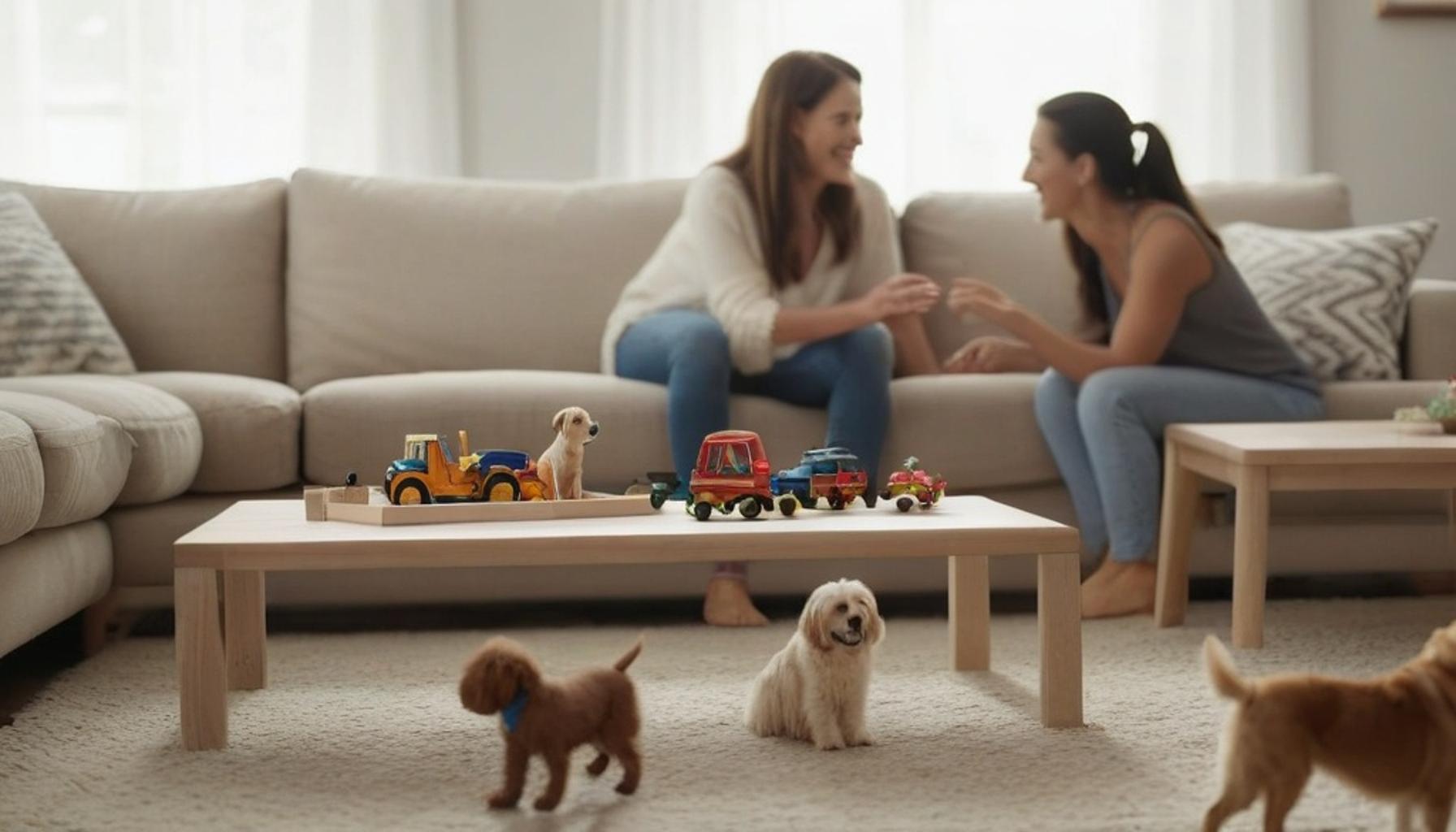
The Importance of Environmental Enrichment for the Behavioral Health of Dogs and Cats
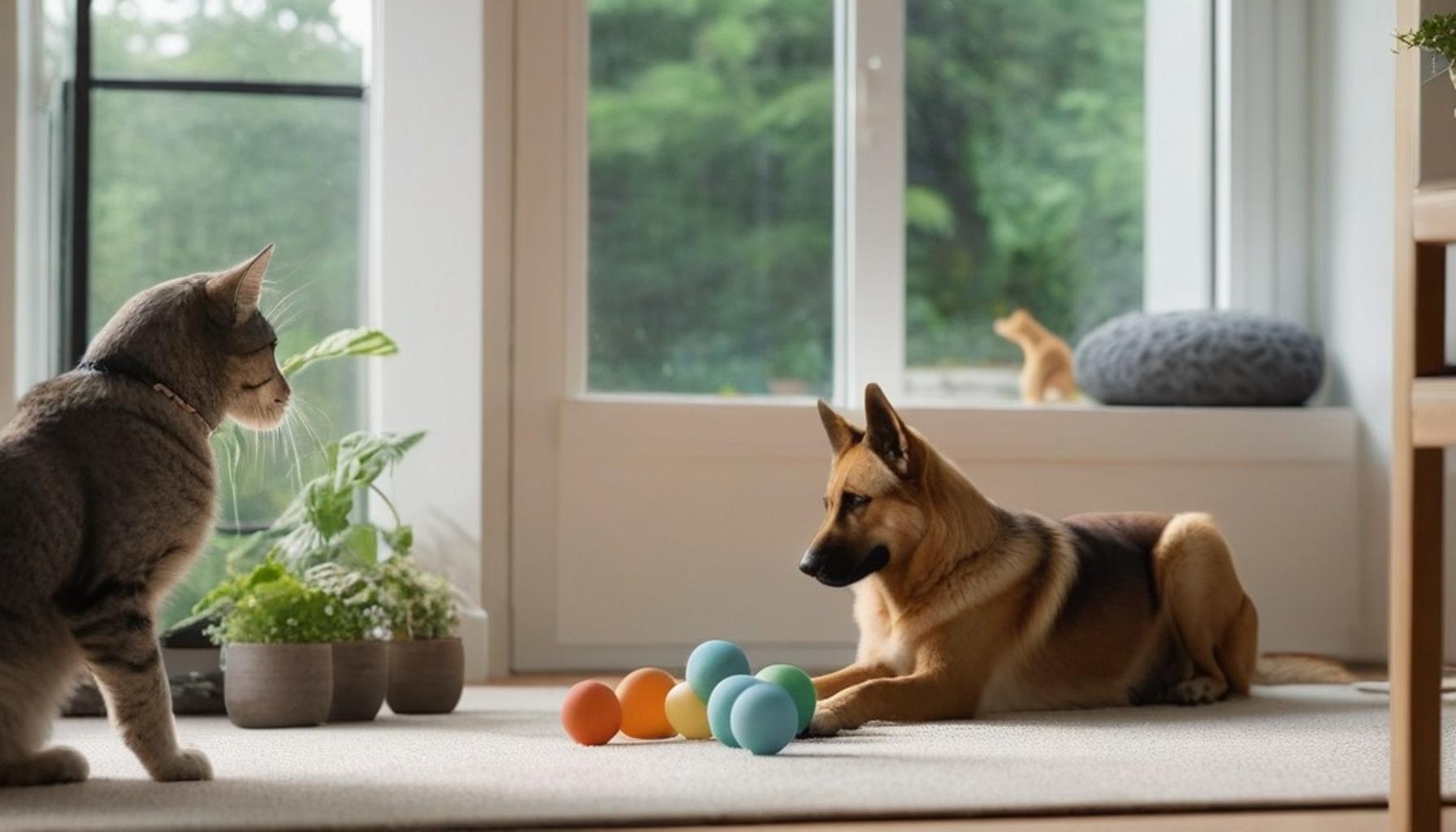
Why Your Pet’s Surroundings Matter More Than You Think
Picture a dog pacing endlessly by the gate or a cat shredding your favorite curtains at 3 a.m. These aren’t random acts of mischief—they’re often distress signals pointing to a lack of mental stimulation.
Across Nigerian homes, from Lagos apartments to Abuja compounds, more pet owners are discovering that environmental enrichment for dogs and cats isn’t a luxury. It’s a fundamental pillar of animal welfare.
The Hidden Cost of a Boring Environment
Veterinary behaviorists estimate that up to 20% of behavioral complaints in dogs and cats stem from insufficient mental and physical stimulation. Left unaddressed, this can spiral into serious issues.
- Destructive chewing or scratching
- Excessive barking or meowing
- Obsessive licking and self-harm
- Aggression toward people or other animals
- Weight gain from inactivity
The benefits of environmental enrichment go far beyond preventing bad behavior, though. They tap into something deeper—an animal’s evolutionary need to explore, hunt, and problem-solve.
A Growing Concern in Nigerian Households
Many Nigerian pet owners still view feeding and basic shelter as sufficient care, yet this outdated mindset leaves animals mentally starved. In compact estates around Lekki or Port Harcourt, dogs confined to small verandas for hours often develop repetitive behaviors like tail-chasing or excessive digging.
Cats, too, suffer silently. Indoor cats in Nigerian flats without access to vertical spaces, scratching posts, or interactive toys frequently resort to knocking objects off shelves or hiding for extended periods—clear signs of understimulation. Veterinary clinics in urban centers report a noticeable rise in consultations related to stress-induced behaviors that trace back to monotonous daily routines.
Interestingly, this isn’t unique to Nigeria. Studies from Western veterinary institutions echo similar findings, suggesting that boredom-related behavioral issues are a universal challenge wherever pets live in confined, understimulating spaces.
Why Instinct Cannot Be Ignored
Dogs descended from pack hunters wired to track scents, chase, and solve problems for food. Cats, meanwhile, retain strong predatory instincts despite generations of domestication. When these natural drives go unmet, animals redirect that energy—often destructively.
Simple additions like puzzle feeders, scent trails hidden around the compound, or rotating toys can dramatically reduce anxiety-driven behaviors. Even affordable, homemade solutions using recycled containers or cardboard boxes can mimic the mental challenges pets crave.
What This Article Will Uncover
Understanding the behavioral health of pets requires looking beyond food and shelter. It demands attention to enrichment strategies that mirror natural instincts.
This article explores practical, affordable ways to achieve dog and cat mental stimulation, drawing on veterinary research and real-world applications suited to Nigerian households. From DIY puzzle feeders to structured play routines, we’ll examine why enriching pet environments should top every owner’s priority list.
By the end, readers will understand not just the theory behind enrichment, but tangible steps to transform their pet’s daily life—regardless of budget or living space.
SEE ALSO: Nutritional Care and Environmental Enrichment: How to Enhance the Well-Being of Pets
The Science Behind Enrichment: What Really Happens in a Pet’s Brain
To truly grasp the importance of pet enrichment, it helps to understand what happens inside an animal’s mind when it’s deprived of stimulation. Neurologically, boredom isn’t just an emotional state—it’s a measurable condition that affects cortisol levels, sleep patterns, and even immune function.
Research from animal behavior institutes shows that under-stimulated pets often display elevated stress hormones similar to those found in chronically anxious humans. This isn’t merely academic. It has real, visible consequences for pets living in Nigerian homes today, from the bustling estates of Lagos to the quieter compounds of Enugu and Jos.
Scientists studying captive and domestic animals have long noted that a lack of mental engagement triggers what is often called “learned helplessness”—a state where the animal simply stops trying to interact meaningfully with its surroundings. In practical terms, this can look like a dog that no longer greets its owner with enthusiasm, or a cat that sleeps excessively rather than exploring its environment. These aren’t signs of a calm temperament; they’re often red flags for chronic under-stimulation.
How Enrichment Rewires Behavior
When dogs and cats engage in enrichment activities, their brains release dopamine—the same neurotransmitter linked to satisfaction and reward. This is why a dog that successfully sniffs out a treat hidden in the garden appears visibly calmer afterward than one left staring at a wall all day.
Environmental enrichment for dogs and cats essentially satisfies a biological need, not just a behavioral preference. Without it, animals seek their own outlets, which is often where destructive habits begin. A bored dog might dig up freshly planted vegetables in the backyard, while a restless cat might shred curtains or knock items off shelves simply to create some form of stimulation.
- Increased problem-solving opportunities reduce frustration-based aggression
- Scent-based games lower anxiety by engaging the brain’s olfactory reward system
- Physical enrichment, like climbing structures for cats, supports muscle tone and joint health
- Social enrichment reduces isolation-related depression in highly social breeds
- Rotating novel objects prevents habituation and sustains curiosity
Interestingly, researchers have found that even simple changes—like altering the layout of a pet’s living space or introducing a new toy every few weeks—can produce measurable shifts in behavior within days. This suggests that enrichment doesn’t always require expensive equipment; consistency and creativity often matter more than cost.
Nigerian Climate and Lifestyle Factors
Nigeria’s tropical climate presents unique enrichment challenges. Extreme heat during dry seasons often confines pets indoors for longer stretches, particularly in northern states like Kano or Sokoto, where outdoor activity becomes limited during the hottest hours. In the Niger Delta and coastal regions, humidity and sudden downpours during rainy season create similar restrictions, keeping animals confined for days at a time.
This makes indoor dog and cat mental stimulation even more critical. Owners can’t always rely on long walks or outdoor exploration, so structured play and puzzle-based feeding become essential alternatives. Simple tools like treat-dispensing balls or homemade cardboard mazes can bridge this gap effectively, even in smaller apartments common in cities like Abuja and Port Harcourt.
Additionally, many Nigerian households keep dogs primarily for security purposes, chaining or caging them in isolated areas. While practical for guarding property, this approach severely limits natural movement and social interaction—two pillars of the behavioral health of pets. Veterinarians increasingly warn that chained dogs are more prone to developing territorial aggression, a trait that can escalate rather than improve household security.
What Veterinary Data Reveals
A survey conducted across veterinary clinics in Lagos and Ibadan found that pets receiving regular enrichment activities showed a 35% reduction in reported behavioral complaints within just eight weeks. These included reduced barking, less furniture damage, and improved appetite regulation. Some clinics also reported fewer cases of excessive licking and pacing, both of which are commonly linked to stress-related compulsive behaviors.
Such findings reinforce a simple truth: enriching pet environments isn’t about spoiling animals. It’s about meeting their fundamental psychological needs, the same way humans require intellectual and social engagement to thrive. As more Nigerian pet owners become aware of these findings, the conversation is shifting from simply feeding and sheltering pets to actively nurturing their mental well-being—a shift that could reshape how households across the country care for their animals in the years ahead.

Key Aspects of Environmental Enrichment for Dogs and Cats
Understanding the core pillars of environmental enrichment for dogs and cats helps pet owners transform daily routines into powerful tools for mental and physical wellness. The table below breaks down essential categories that directly influence the behavioral health of pets.
| Category | Impact on Behavioral Health |
|---|---|
| Sensory Stimulation | Scents, textures, and sounds reduce stress-related behaviors like excessive barking or scratching. |
| Puzzle Feeders | Promote dog and cat mental stimulation, slowing eating and easing boredom-driven anxiety. |
| Vertical Spaces | Climbing shelves satisfy instinctual needs, especially crucial when enriching pet environments indoors. |
| Social Interaction | Structured playtime lowers cortisol levels, showcasing the benefits of environmental enrichment firsthand. |
These strategies highlight the importance of pet enrichment in preventing destructive habits before they start.
CHECK OUT: Behavioral Management Through Enrichment: Practical Tips for Indoor Environments
Practical Enrichment Strategies for Nigerian Pet Owners
Understanding the science behind enrichment is one thing; implementing it within the realities of Nigerian households is another. Fortunately, the benefits of environmental enrichment don’t require imported gadgets or elaborate setups. Many effective techniques can be built from everyday household items already available in most Nigerian homes, from the bustling markets of Onitsha to the quiet estates of Abuja.
Low-Cost, High-Impact Enrichment Tools
Empty plastic bottles, cardboard boxes, and old wrapper cloth can all become enrichment tools with a little creativity. A dog’s food bowl, for instance, can be swapped for a scattered feeding approach across the compound, encouraging natural foraging behavior instead of the rapid, mindless eating common in caged or chained animals. This simple switch mimics how dogs would naturally hunt and search for food in the wild, engaging both their nose and their brain rather than just their stomach.
Cats respond particularly well to vertical space. In many Nigerian apartments where floor space is limited, repurposing shelves or stacking sturdy furniture creates climbing opportunities that satisfy a cat’s instinct to observe its territory from height. This single adjustment often reduces the restless pacing and nighttime yowling that frustrates many urban cat owners in cities like Ibadan and Benin City. Owners who have tried this report calmer evenings and fewer scratches on furniture, as the cat’s energy finds a healthier outlet.
Beyond bottles and boxes, old socks stuffed with newspaper can become soft chew toys, while used yoghurt containers with holes cut into them make excellent puzzle feeders. The goal is not the sophistication of the object but the mental challenge it presents to the animal.
- Hide kibble inside rolled-up fabric or paper for scent-based foraging
- Use empty containers as makeshift puzzle feeders
- Rotate two or three toys weekly instead of leaving all toys out permanently
- Introduce short training sessions using basic commands to stimulate problem-solving
- Allow supervised outdoor sniffing time, even on a leash within compound walls
Community and Multi-Pet Enrichment
Nigerian households often keep multiple animals, whether for companionship or security. This presents an underused opportunity for social enrichment. Supervised interaction between resident pets, when introduced correctly, can reduce loneliness-driven behaviors such as excessive barking or attention-seeking scratching. Two dogs sharing a compound, for example, often self-regulate their energy levels through play, reducing the burden on owners to provide constant entertainment.
However, experts caution that forced socialization without proper introduction periods can backfire, leading to resource guarding or territorial disputes. Gradual introductions, paired with positive reinforcement such as treats or calm praise, tend to produce far better results than immediate cohabitation. Patience during this process, sometimes stretching over several weeks, often determines whether multi-pet households thrive or struggle.
Enrichment for Working and Guard Dogs
Many dogs across Nigeria serve as guard animals, spending long hours alert and stationary. This role, while valuable, often conflicts with their psychological needs. Introducing short bursts of play before and after guarding shifts can significantly improve temperament without compromising security duties.
Some estate managers in Lagos have begun incorporating rotating guard schedules specifically to allow dogs designated rest and enrichment periods. Early feedback suggests calmer, more responsive animals during actual duty hours—indicating that dog and cat mental stimulation doesn’t have to come at the expense of practical household functions. In fact, some security firms have started noting fewer instances of excessive aggression or unpredictable barking among dogs given structured downtime.
Measuring Progress at Home
Owners don’t need professional tools to track improvement. Simple observation—noting appetite changes, sleep duration, or reduced destructive tendencies over a two-week period—offers reliable insight into whether enriching pet environments is working.
Veterinary behaviorists recommend keeping a basic notebook or phone log of behavioral changes after introducing new enrichment activities. This practice, though simple, helps Nigerian pet owners identify which specific interventions genuinely support the behavioral health of pets in their unique household settings, turning casual observation into a valuable, ongoing experiment in animal wellbeing.
Rethinking the Everyday: A New Standard for Pet Care in Nigeria
Across this article, one theme has remained consistent: environmental enrichment for dogs and cats is not a luxury reserved for wealthy households or foreign pet cultures. It is a practical, achievable practice rooted in everyday materials and small behavioral shifts, whether in a Lagos apartment or a Kaduna compound.
The importance of pet enrichment lies in its ripple effect. A dog given scattered feeding opportunities eats with more purpose. A cat with vertical climbing space sleeps better and scratches less. A guard dog given short rest and play periods becomes more reliable, not less. These are not abstract theories—they are observable, measurable changes that Nigerian pet owners can track from their own verandas and backyards.
What emerges from this discussion is a broader truth: the behavioral health of pets depends less on expensive interventions and more on consistent, thoughtful attention. Cardboard boxes, repurposed containers, and short training sessions carry real weight when applied intentionally and regularly.
As more Nigerian households embrace multi-pet living arrangements and urban apartment life, the demand for accessible, low-cost solutions will only grow. Estate managers, veterinary clinics, and individual owners each have a role to play in normalizing dog and cat mental stimulation as a standard part of animal care, not an afterthought.
Ultimately, enriching pet environments is an ongoing process rather than a one-time fix. Owners who observe, adjust, and experiment with new techniques will likely notice the clearest improvements. The benefits of environmental enrichment extend beyond calmer pets—they build stronger, more trusting relationships between animals and the households that care for them, offering a quietly transformative shift in how Nigerians understand animal wellbeing.
Frequently Asked Questions
What is environmental enrichment for dogs and cats and why does it matter in Nigerian homes?
Environmental enrichment means providing toys, activities, and safe outdoor or indoor experiences that stimulate a pet’s senses and natural instincts. In Nigeria, where many dogs and cats are kept mainly for guarding or pest control, enrichment helps prevent boredom-driven problems like excessive barking, digging, or destructive scratching. It supports both mental and physical health, leading to calmer, happier pets.
What are affordable environmental enrichment ideas for dogs kept in Nigerian compounds?
You can use everyday items like empty plastic bottles, cardboard boxes, and old tires to create DIY puzzle toys or obstacle courses. Scattering kibble in the yard for a ‘sniffing game’ or hiding treats around the compound also engages their natural foraging instincts. Regular walks outside the compound, even short ones, add valuable sensory stimulation without extra cost.
How can indoor cats in Nigerian apartments get enough environmental enrichment?
Vertical spaces like cat trees, shelves, or even a stacked stool arrangement let cats climb and observe their surroundings, satisfying their instinct to perch high. Interactive toys, such as feather wands or laser pointers, combined with short daily play sessions, mimic hunting behavior. Placing a cat near a window to watch birds or street activity also provides mental stimulation in a small living space.
Can lack of environmental enrichment cause aggression in dogs and cats?
Yes, pets that are under-stimulated often develop frustration that can manifest as aggression, excessive vocalization, or destructive chewing. In Nigerian households where dogs are chained for long hours as guard dogs, this is a common issue that enrichment activities like puzzle feeders and supervised free time can significantly reduce. Cats confined indoors without stimulation may also become irritable or overly clingy or withdrawn.
What signs show that a dog or cat needs more environmental enrichment?
Watch for behaviors such as constant pacing, excessive licking or chewing on themselves, destructive scratching of furniture, or repetitive barking or meowing without clear cause. Some pets may also become withdrawn, overly lethargic, or show signs of weight gain from inactivity. These signs suggest the pet’s environment isn’t meeting its physical and mental stimulation needs.
How often should Nigerian pet owners rotate toys and activities to keep enrichment effective?
Rotating toys every one to two weeks helps prevent pets from losing interest, since novelty is key to maintaining engagement. Introducing new textures, scents, or simple games like hide-and-seek with treats keeps their curiosity alive. Combining toy rotation with regular outdoor time or social interaction gives a well-rounded enrichment routine suited to local living conditions.

Linda Carter
Linda Carter is a writer and pet care expert specializing in pet health, grooming, and wellness. With extensive experience helping pet owners create safe, loving, and enriching environments for their animals, Linda shares her knowledge on our platform. Her goal is to empower readers with practical advice and strategies to ensure their pets thrive and lead joyful, healthy lives.