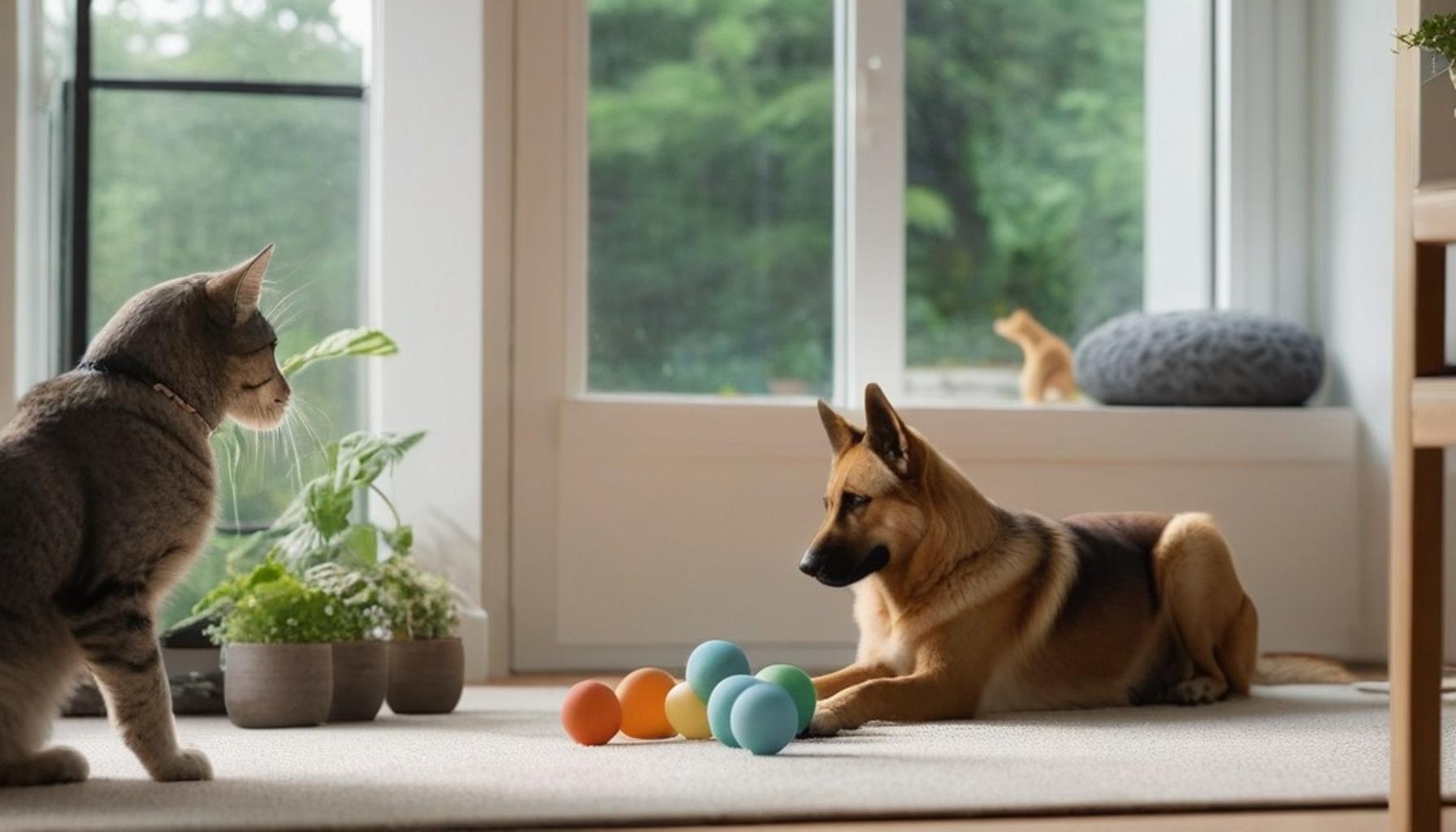
Nutritional Care and Environmental Enrichment: How to Enhance the Well-Being of Pets

Why Pet Well-Being Starts With the Basics
From bustling homes in Lagos to quiet compounds in Enugu, pet ownership across Nigeria is growing steadily. Yet many pet parents still focus only on feeding, overlooking other essentials that shape a pet’s overall happiness. A dog that eats regularly but spends all day chained to a fence without stimulation is not truly thriving, and this reality often goes unnoticed until behavioral or health problems surface.
Nutritional Care and Environmental Enrichment are two pillars that work together to keep dogs, cats, and other companion animals thriving. Without both, even the healthiest-looking pet may suffer silently from stress, boredom, or poor health. Veterinarians across major Nigerian cities have reported a rise in cases linked to poor diet quality and lack of mental stimulation, ranging from obesity to anxiety-driven aggression.
What This Article Will Cover
This guide breaks down practical, easy-to-apply strategies for Nigerian pet owners who want to raise happier, healthier animals. Expect actionable advice grounded in real examples, not just theory, including how to work with what is locally accessible rather than expensive imported products that many households cannot sustain long-term.
- Pet nutrition tips tailored to locally available foods and budgets
- Environmental enrichment for pets using affordable, homemade solutions
- Signs that indicate improving pet well-being is working
- Common mistakes that undermine even the best pet care practices
Did you know that a healthy diet for pets can reduce veterinary visits by addressing issues before they escalate? Similarly, enrichment activities as simple as puzzle feeders or scheduled playtime can dramatically cut destructive behavior such as chewing furniture or excessive barking, which many owners mistake for stubbornness rather than unmet needs.
Why These Two Factors Cannot Be Separated
Many Nigerian households still view pets primarily as guard animals, which sometimes leads to minimal investment in their psychological needs. However, research from animal behavior specialists consistently shows that under-stimulated pets, regardless of how well they are fed, tend to develop repetitive behaviors, excessive aggression, or lethargy. This challenges the common belief that food alone determines a pet’s condition.
Keep reading to discover how small, consistent changes can transform your pet’s daily life, and why these two elements are inseparable when it comes to genuine animal welfare. The following sections will unpack practical steps that fit realistically into Nigerian homes, whether in a busy Lagos apartment or a spacious compound in the East.
# Building a Foundation: Understanding Pet Nutrition in the Nigerian Context
Walk through any market in Ibadan or Port Harcourt, and you will notice pet food sitting alongside human groceries, often as an afterthought rather than a priority. This mindset shapes how many animals are fed daily, and it explains why pet nutrition tips remain some of the most searched advice among Nigerian pet owners today.
A healthy diet for pets does not necessarily mean expensive imported kibble. Locally sourced proteins such as fish, chicken offal, and eggs, when properly balanced, can meet a dog or cat’s nutritional needs without draining household budgets. The real issue is not affordability but consistency and balance.
Across Nigeria’s diverse regions, from the coastal humidity of Calabar to the dry heat of Sokoto, pet owners face different challenges in maintaining consistent feeding schedules. Climate, availability of ingredients, and even cultural attitudes toward animals all play a role in shaping what ends up in a pet’s bowl. Understanding these regional nuances is the first step toward making informed decisions rather than relying on guesswork passed between neighbors.
Common Feeding Mistakes That Affect Pet Health
Veterinarians in Abuja and Kano have noted recurring dietary errors among households, many of which stem from misinformation passed down informally rather than guided by professional advice.
- Feeding only leftovers or table scraps without considering nutritional balance
- Over-reliance on carbohydrate-heavy meals like garri or pap without adequate protein
- Ignoring portion control, leading to obesity in indoor pets
- Ignoring water intake, especially during Nigeria’s hotter months
- Assuming all pets, regardless of breed or age, require the same feeding routine
These mistakes rarely cause immediate harm, which is precisely why they persist unnoticed for years. Over time, however, they contribute to conditions such as diabetes, skin infections, and stunted growth in puppies and kittens.
Interestingly, many pet owners only discover these underlying issues during emergency veterinary visits, often when symptoms have already progressed significantly. This delayed recognition highlights a broader gap in awareness, one that community outreach programs and veterinary clinics across cities like Enugu and Benin are slowly working to close through public education campaigns.
What a Balanced Diet Actually Looks Like
Nutritional Care and Environmental Enrichment work best when nutrition is treated as a science rather than guesswork. A balanced meal plan for dogs and cats typically includes protein, moderate fats, fiber, and micronutrients, adjusted according to age, breed, and activity level.
For instance, a working dog guarding a compound in Kaduna will require significantly more calories than a small breed lounging indoors in a Lagos flat. Recognizing this difference is one of the best pet care practices often overlooked by owners who follow a one-size-fits-all approach.
Some practical adjustments include introducing boiled eggs twice weekly for coat health, incorporating fish for omega-3 benefits, and reducing salt, which is often unknowingly added through seasoned human food. These small, deliberate changes align directly with improving pet well-being without requiring a complete lifestyle overhaul.
Beyond individual meals, seasonal variations also demand attention. During the rainy season, when parasites and waterborne illnesses become more prevalent, nutrient-dense diets can strengthen a pet’s immune response. Conversely, the dry season calls for increased hydration strategies alongside food adjustments. Pet owners who stay attentive to these shifting demands often report fewer health complications throughout the year, reinforcing the idea that nutrition is not a static formula but an evolving practice tailored to circumstance.
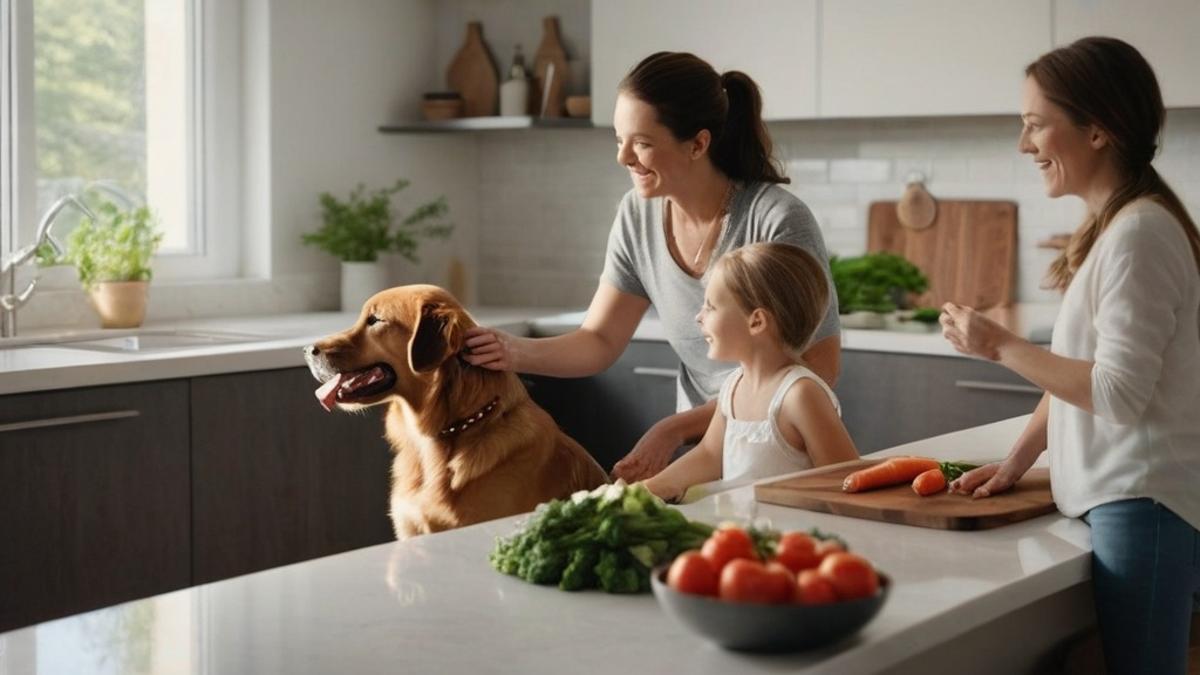
Nutritional Care and Environmental Enrichment: Key Aspects at a Glance
Before diving deeper into pet nutrition tips and enrichment strategies, this quick-reference table summarizes the core pillars of improving pet well-being through balanced diets and stimulating environments.
| Category | Key Benefits |
|---|---|
| Healthy Diet for Pets | Boosts immunity, supports organ function, and extends lifespan by up to 2 years in some breeds |
| Environmental Enrichment for Pets | Reduces anxiety, prevents destructive behavior, and stimulates natural instincts |
| Portion Control | Prevents obesity, a condition affecting nearly 56% of dogs in the U.S. |
| Best Pet Care Practices | Combines routine, mental stimulation, and nutrient-rich meals for holistic wellness |
Each of these categories plays a distinct role in Nutritional Care and Environmental Enrichment, working together to create a comprehensive approach to animal wellness that goes beyond basic feeding schedules.
LEARN MORE: This related article may interest you
# Environmental Enrichment: The Overlooked Half of Pet Wellness
While food fills the bowl, it rarely fills the boredom that many Nigerian pets experience daily. Environmental enrichment for pets refers to the practice of stimulating an animal’s mind and body through activities, toys, and surroundings that mimic natural behaviors. Yet in most households, from Jos to Uyo, this concept remains largely unfamiliar.
A dog confined to a small backyard in Warri or a cat left indoors all day in a Lagos apartment may receive adequate meals but still display signs of restlessness, excessive barking, or destructive scratching. These behaviors often signal something deeper than hunger; they point to a lack of mental stimulation, which nutrition alone cannot resolve.
Why Enrichment Matters as Much as Diet
Animal behaviorists increasingly argue that Nutritional Care and Environmental Enrichment should be discussed together, not separately. A well-fed pet without stimulation can still develop anxiety-related issues, while a mentally engaged pet on a modest diet often shows better resilience against minor illnesses.
Enrichment does not require expensive imported toys. Everyday Nigerian household items can serve this purpose effectively.
- Empty plastic bottles turned into treat-dispensing puzzles for dogs
- Cardboard boxes repurposed as hiding spots for cats
- Rotating outdoor walks through varied compound routes to stimulate curiosity
- Introducing climbing structures using safe wooden crates for indoor cats
- Scheduled play sessions that mimic hunting or chasing instincts
These low-cost solutions demonstrate that best pet care practices do not always demand financial investment, only intentional effort.
The Social and Physical Dimensions of Enrichment
Enrichment extends beyond toys. Social interaction, exposure to different environments, and even scent-based stimulation contribute significantly to a pet’s psychological state. Dogs in busy Onitsha markets, for example, often display heightened alertness due to constant sensory input, which, when balanced with rest, can actually support cognitive sharpness rather than stress.
Veterinary observations across several Nigerian clinics suggest that pets exposed to varied but controlled stimulation tend to recover faster from minor stress-related conditions compared to those kept in static, unchanging environments.
This is particularly relevant for pet owners juggling busy urban lifestyles in cities like Lagos or Abuja, where pets are sometimes left alone for extended hours. Introducing rotating enrichment schedules, even briefly before and after work, can noticeably improve a pet’s temperament over time.
Merging Nutrition with Enrichment for Long-Term Results
The most effective approach treats feeding time itself as an enrichment opportunity. Puzzle feeders, scattered feeding on clean mats, or hiding small food portions around a safe compound encourage natural foraging instincts while reinforcing a healthy diet for pets.
Pet owners who combine these strategies often report calmer animals, improved appetite regulation, and fewer behavioral complaints from neighbors, particularly regarding excessive barking in residential estates.
Ultimately, this integrated approach reflects a broader shift in Nigerian pet care culture, one that increasingly recognizes that improving pet well-being requires attention to both the bowl and the environment surrounding it.
LEARN MORE: This related article may interest you
Conclusion: Building a Complete Approach to Pet Wellness
From the bustling streets of Lagos to the quieter compounds of Enugu, one truth stands out: Nutritional Care and Environmental Enrichment cannot function as separate afterthoughts in Nigerian pet ownership. They are two halves of the same responsibility.
A pet fed the right balance of proteins, grains, and clean water still needs a reason to move, explore, and think. Likewise, an enriched environment loses much of its value if the animal behind it is malnourished or fed inconsistently. Owners who understand this connection tend to raise calmer, healthier, and more resilient animals.
What This Means for Everyday Pet Owners
Practical change does not require a complete lifestyle overhaul. Small, consistent adjustments make the biggest difference over time.
- Pair every meal with a moment of mental stimulation, even a simple scattered feeding
- Rotate toys, walking routes, or play locations weekly
- Monitor behavioral changes as early indicators of dietary or environmental gaps
- Treat enrichment as routine, not an occasional bonus
These pet nutrition tips and enrichment habits work best when applied together, not in isolation.
As more Nigerian households welcome dogs and cats into daily family life, the responsibility shifts beyond simply providing food and shelter. Genuine improving pet well-being depends on observing behavior, adjusting routines, and staying informed about what animals truly need to thrive.
The path forward is clear: combining a healthy diet for pets with thoughtful, low-cost enrichment reflects some of the best pet care practices available today, practical, affordable, and rooted in genuine care rather than convenience alone.
Frequently Asked Questions
What local Nigerian foods are safe to include in a balanced diet for dogs and cats?
Boiled chicken, fish like titus or mackerel without bones, plain rice, and cooked liver can be safely added in moderation to a pet’s diet. Avoid heavily spiced or peppered dishes, as Nigerian seasoning is often too strong for a pet’s digestive system. Always introduce new foods gradually and ensure the bulk of the diet still comes from a complete commercial pet food when possible.
How can I provide environmental enrichment for my pet if I live in a small apartment in Lagos?
Even in a small space, you can use puzzle feeders, hide treats around the house, and rotate toys weekly to keep your pet mentally stimulated. Vertical spaces like cat trees or window perches work well for cats, while short indoor training sessions and scent games benefit dogs. Regular short walks or supervised balcony time also help combat boredom in tight urban living conditions.
What are the signs that my pet is not getting enough nutritional care or enrichment?
Common signs include excessive weight gain or loss, dull coat, lethargy, destructive chewing, excessive barking or meowing, and repetitive behaviors like pacing. Loss of appetite or picky eating can also indicate a nutritional imbalance that needs attention. If you notice these signs, consult a veterinarian in your area to rule out underlying health issues.
Where can I buy affordable, quality pet food and enrichment toys in Nigeria?
Pet stores in major cities like Lagos, Abuja, and Port Harcourt stock both local and imported pet food brands, while online platforms such as Jumia and Konga also sell pet supplies with delivery options. For enrichment toys, you can also create DIY options at home using empty bottles, cardboard boxes, or old socks stuffed with treats. Buying in bulk from veterinary clinics or pet supply distributors can also reduce costs over time.
How often should I change my pet’s diet or introduce new enrichment activities to keep them healthy?
Nutritional needs should be reviewed every few months, especially as your pet ages, changes activity levels, or shows signs of allergies. Enrichment activities should be varied weekly to prevent boredom, such as switching toys, changing walking routes, or introducing new puzzle games. Always make dietary changes gradually over 7 to 10 days to avoid digestive upset.

Linda Carter
Linda Carter is a writer and pet care expert specializing in pet health, grooming, and wellness. With extensive experience helping pet owners create safe, loving, and enriching environments for their animals, Linda shares her knowledge on our platform. Her goal is to empower readers with practical advice and strategies to ensure their pets thrive and lead joyful, healthy lives.