The Importance of Pet Hygiene: Essential Practices for the Health and Well-Being of Dogs and Cats at Home
Why Clean Paws and Fur Matter More Than You Think
From the bustling streets of Lagos to quiet compounds in Enugu, more Nigerian households are welcoming dogs and cats as family members. But amid the excitement of pet ownership, one crucial aspect often gets overlooked: pet hygiene practices.
Poor hygiene isn’t just about bad odors or messy homes. It can lead to serious health complications for both pets and their human companions, some of which may not surface until months later.
The Hidden Risks of Neglecting Pet Care
Nigeria’s warm, humid climate creates the perfect breeding ground for parasites, bacteria, and fungal infections. Without proper hygiene practices for dogs and cats, these issues can escalate quickly, turning a minor irritation into a full-blown medical emergency requiring expensive treatment.
- Skin infections and persistent itching, often worsened by humidity and dust
- Flea and tick infestations, common in tropical environments and easily spread within compounds
- Ear infections, especially in floppy-eared dog breeds like Cocker Spaniels and local mixed breeds
- Dental disease affecting up to 80% of pets by age three, frequently ignored until eating becomes painful
- Zoonotic diseases that can transfer from pets to humans, including ringworm and certain intestinal parasites
This is where consistent dog grooming tips and cat cleaning habits become essential rather than optional. Many pet owners in urban areas like Abuja and Port Harcourt are only now realizing that grooming isn’t merely cosmetic, it’s preventive medicine.
What This Article Will Cover
Understanding the importance of pet hygiene goes beyond weekly baths. It involves a holistic approach to your pet’s daily care routine, covering everything from nail trimming to proper diet choices that support healthy skin and coat.
Throughout this guide, we’ll explore practical, affordable strategies suited to Nigerian homes and climates, including locally available grooming products and simple do-it-yourself techniques that don’t require expensive imported supplies. You’ll discover how proper pet health and hygiene routines can save you costly veterinary bills down the line, particularly given the rising cost of professional pet care services across the country.
We’ll also address common myths surrounding pet cleanliness, misconceptions that often lead well-meaning owners astray. Ready to transform how you care for your furry companion? Let’s dive into the essential practices every pet owner should know, starting with the basics that make the biggest difference.
Building a Daily Grooming Routine That Actually Works
Every veterinarian across Lagos, Ibadan, and Kano will tell you the same thing: consistency beats intensity. A ten-minute daily check often prevents the kind of skin disease that costs thousands of naira to treat weeks later.
Establishing solid pet hygiene practices doesn’t require a rigid schedule. It requires small, repeated habits that fit naturally into your household routine, whether you’re in a Lekki apartment or a compound house in Kaduna.
Bathing Frequency: Getting the Balance Right
One of the biggest misconceptions among Nigerian pet owners is that frequent bathing equals cleanliness. In reality, over-washing strips natural oils from your pet’s skin, leaving dogs and cats more vulnerable to irritation and infection, particularly troubling during the dry, dusty harmattan season.
Veterinary guidance generally suggests the following approach for most household pets:
- Dogs with short coats: bathing every four to six weeks, unless visibly dirty or after playing in muddy compounds
- Dogs with long or thick fur: every three to four weeks, with brushing in between to prevent matting
- Cats: typically self-sufficient groomers, needing baths only every two to three months or when medically necessary
- Puppies and kittens: less frequent bathing, using only vet-approved, gentle formulas suited for sensitive skin
Local alternatives, such as diluted neem-based solutions, have grown popular among budget-conscious owners in Ogun and Osun States, offering natural antifungal and antiparasitic properties without the cost of imported shampoos.
Interestingly, many first-time pet owners underestimate how much the local climate shapes bathing needs. In coastal cities like Port Harcourt, humidity encourages fungal growth, meaning owners must watch for musty odors or flaky patches between washes. Meanwhile, in drier northern regions such as Sokoto or Kano, dust accumulation can trick owners into over-bathing, when a simple damp-cloth wipe-down would suffice. Understanding your specific environment, rather than following a one-size-fits-all schedule, is what separates effective grooming from guesswork.
Brushing: The Underrated Defense Against Skin Disease
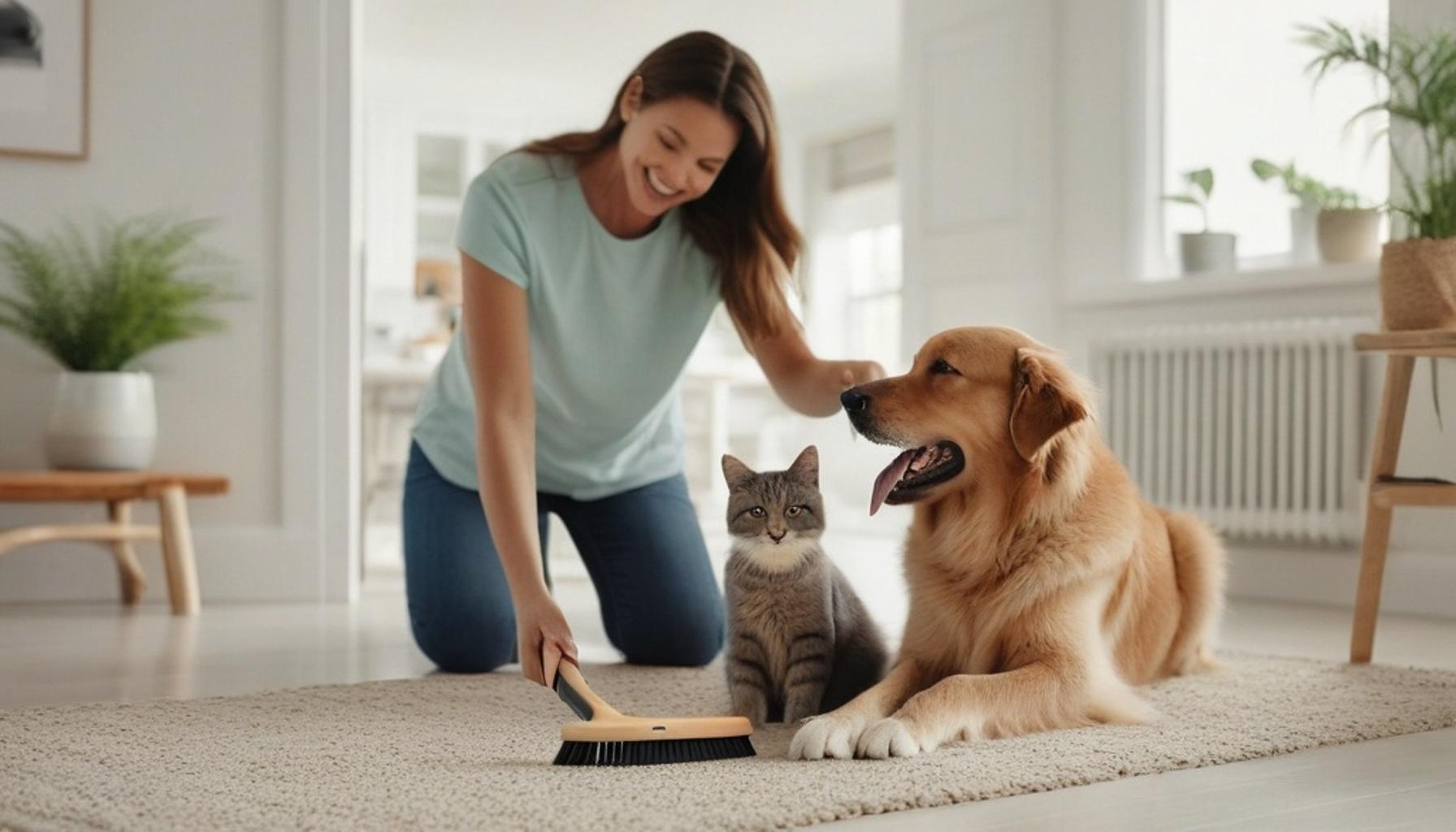
Regular brushing does more than keep fur looking neat. It removes dead skin cells, distributes natural oils, and gives owners an early chance to spot fleas, ticks, or unusual lumps before they escalate.
Among practical dog grooming tips, brushing two to three times weekly stands out as one of the simplest, most cost-effective habits available. For cats, particularly long-haired breeds like Persians increasingly popular in Abuja households, daily brushing prevents painful hairballs and matting.
Choosing the right brush matters too. Slicker brushes work well for dogs with dense undercoats, common among mixed breeds found in many Nigerian compounds, while rubber grooming mitts suit short-haired cats and nervous animals unaccustomed to handling. Owners in rural areas without access to pet stores have found success using soft-bristled human hairbrushes as a temporary substitute, proving that effective grooming doesn’t always demand expensive imported tools.
Beyond the physical benefits, brushing sessions double as bonding time, helping pets grow more comfortable with handling, an advantage when it’s time for nail trims or vet visits. Many veterinarians in Ibadan report that pets accustomed to regular brushing show significantly less stress during clinical examinations.
These small, consistent actions form the foundation of proper hygiene practices for dogs and cats, setting the stage for the more detailed care routines we’ll explore next, including ear cleaning, dental care, and nail maintenance tailored specifically for Nigeria’s climate and living conditions.
# Ear Care, Dental Health, and Nail Maintenance: The Details Owners Often Miss
Ear Care, Dental Health, and Nail Maintenance: The Details Owners Often Miss
While bathing and brushing form the visible layer of pet hygiene practices, several less obvious routines carry equal weight. Ears, teeth, and nails are frequently ignored until a problem forces a costly veterinary visit, something increasingly common in cities like Enugu and Benin City, where clinics report rising cases of preventable ear infections.
Ear Cleaning: A Simple Habit With Big Payoffs
Dogs with floppy ears, such as many local mixed breeds and imported Rottweilers popular among security-conscious households, trap moisture and debris more easily than breeds with upright ears. This creates a breeding ground for bacteria and yeast, especially during Nigeria’s rainy season.
A weekly check should include looking for redness, dark discharge, or an unpleasant odor. Cleaning with a vet-approved solution and a soft cotton pad, never cotton swabs pushed deep into the canal, removes wax buildup safely.
Cats generally require less frequent ear cleaning, but owners of breeds like Scottish Folds should still inspect monthly, as their unique ear structure can trap more debris than typical.
Dental Care: The Most Overlooked Aspect of Pet Health and Hygiene
Dental disease remains one of the most underdiagnosed conditions among Nigerian household pets. Studies from veterinary associations suggest over 70 percent of dogs and cats show signs of dental disease by age three, yet few owners brush their pet’s teeth regularly.
Practical steps for better pet health and hygiene include:
- Brushing teeth two to three times weekly using pet-specific toothpaste, never human toothpaste, which contains ingredients toxic to animals
- Offering dental chews or raw bones occasionally to reduce tartar buildup naturally
- Scheduling professional dental checks annually, even when no obvious symptoms appear
- Watching for bad breath, yellowing teeth, or reluctance to eat, all early warning signs
Owners without access to specialized pet toothpaste have found reasonable alternatives using diluted baking soda paste, though this should remain a temporary measure rather than a long-term substitute.
Nail Trimming: Small Task, Significant Consequences
Overgrown nails cause more than cosmetic concern. They alter a pet’s gait, leading to joint strain over time, particularly problematic for older dogs in multi-level homes common across Abuja’s suburbs.
Trimming every three to four weeks, using proper clippers rather than household scissors, prevents splitting and bleeding. Cats that scratch furniture excessively often signal a need for more frequent trims paired with consistent scratching-post training.
Cat Cleaning Habits Worth Encouraging at Home
Cats instinctively maintain cleanliness, but owners still play a supporting role. Keeping litter boxes scooped daily and fully cleaned weekly prevents bacterial buildup that can trigger urinary issues, a surprisingly common ailment among indoor cats in Nigerian apartments.
Encouraging healthy cat cleaning habits also means monitoring self-grooming patterns. Excessive licking or bald patches often indicate stress, allergies, or skin conditions requiring professional attention rather than simple neglect.
Building a Sustainable Hygiene Routine for Nigerian Pet Owners
From bathing schedules to overlooked ear checks, the importance of pet hygiene extends far beyond appearances. It shapes how long a dog or cat lives, how comfortably they move, and how much money owners eventually spend on avoidable veterinary bills.
Across Lagos, Enugu, Abuja, and beyond, the same pattern emerges: pets thrive when hygiene practices for dogs and cats become routine rather than reactive. A weekly ear inspection, a few minutes of brushing, consistent nail trims, these small actions compound into fewer infections, healthier skin, and stronger bonds between pets and their families.
Consistency matters more than perfection. Owners juggling work, family, and Nigeria’s unpredictable weather do not need elaborate grooming setups. What works is a realistic schedule, adapted to breed, climate, and household environment.
Key Takeaways Worth Remembering
- Regular bathing and brushing prevent skin conditions worsened by humidity and dust common in many Nigerian regions
- Dental neglect remains widespread, yet simple dog grooming tips like routine brushing can reverse this trend
- Litter box maintenance and self-grooming checks support long-term cat cleaning habits
- Ear and nail care, though minor tasks, prevent chronic discomfort and costly complications
Ultimately, pet health and hygiene is not a one-time effort but an ongoing commitment that evolves with a pet’s age, breed, and living conditions. Owners who treat these pet hygiene practices as essential, rather than optional, often notice calmer, healthier animals within weeks.
As more Nigerian households welcome dogs and cats into daily life, hygiene deserves the same attention given to feeding and shelter. The payoff, fewer vet visits, longer lifespans, and genuinely happier pets, makes every brushing session and nail trim worthwhile.
Frequently Asked Questions
How often should I bathe my dog or cat in Nigeria’s hot and humid climate?
In Nigeria’s warm climate, dogs should generally be bathed every 2 to 4 weeks, while cats rarely need baths unless they get visibly dirty. Overwashing can strip natural oils and cause skin irritation, especially during the dry Harmattan season. Always use a mild pet-specific shampoo rather than human soap to maintain proper pet hygiene practices.
What are the best pet hygiene practices to prevent tick and flea infestations common in Nigerian homes?
Regular grooming, weekly checks of your pet’s fur and skin, and using vet-approved tick and flea treatments are essential pet hygiene practices for Nigerian pet owners. Keeping your compound clean, cutting overgrown grass, and washing pet bedding frequently also reduce infestation risks. Since ticks thrive in Nigeria’s warm weather, preventive treatment every 1 to 3 months is highly recommended.
How can I maintain good dental hygiene for my dog or cat without visiting a vet often?
Brushing your pet’s teeth two to three times a week with pet-safe toothpaste helps prevent tartar buildup and bad breath. You can also offer dental chews or raw bones occasionally to naturally clean their teeth between brushings. If you notice yellowing, bleeding gums, or persistent bad breath, it’s best to consult a veterinarian promptly.
What should I use to clean my pet’s ears safely at home?
Use a vet-recommended ear-cleaning solution and a soft cotton ball to gently wipe the outer ear, avoiding deep insertion into the ear canal. This should be done every 1 to 2 weeks, especially for floppy-eared dog breeds prone to infections. Never use cotton swabs or sharp objects, as they can damage the eardrum.
How do I keep my pet’s living space hygienic in a typical Nigerian home?
Wash your pet’s bedding weekly, disinfect feeding bowls daily, and clean litter boxes or waste areas at least once a day to prevent bacteria buildup. Proper ventilation and regular sweeping of the pet’s resting area also help control odor and pest infestation. These simple pet hygiene practices reduce the risk of skin diseases and parasites common in humid environments.
Can poor pet hygiene practices affect my family’s health, not just my pet’s?
Yes, poor pet hygiene can lead to zoonotic diseases such as ringworm, fleas, and intestinal parasites that spread to humans, especially children. Regular deworming, bathing, and cleaning of pet areas significantly reduce these health risks within the household. Practicing good hand hygiene after handling pets further protects your family’s well-being.

Linda Carter
Linda Carter is a writer and pet care expert specializing in pet health, grooming, and wellness. With extensive experience helping pet owners create safe, loving, and enriching environments for their animals, Linda shares her knowledge on our platform. Her goal is to empower readers with practical advice and strategies to ensure their pets thrive and lead joyful, healthy lives.