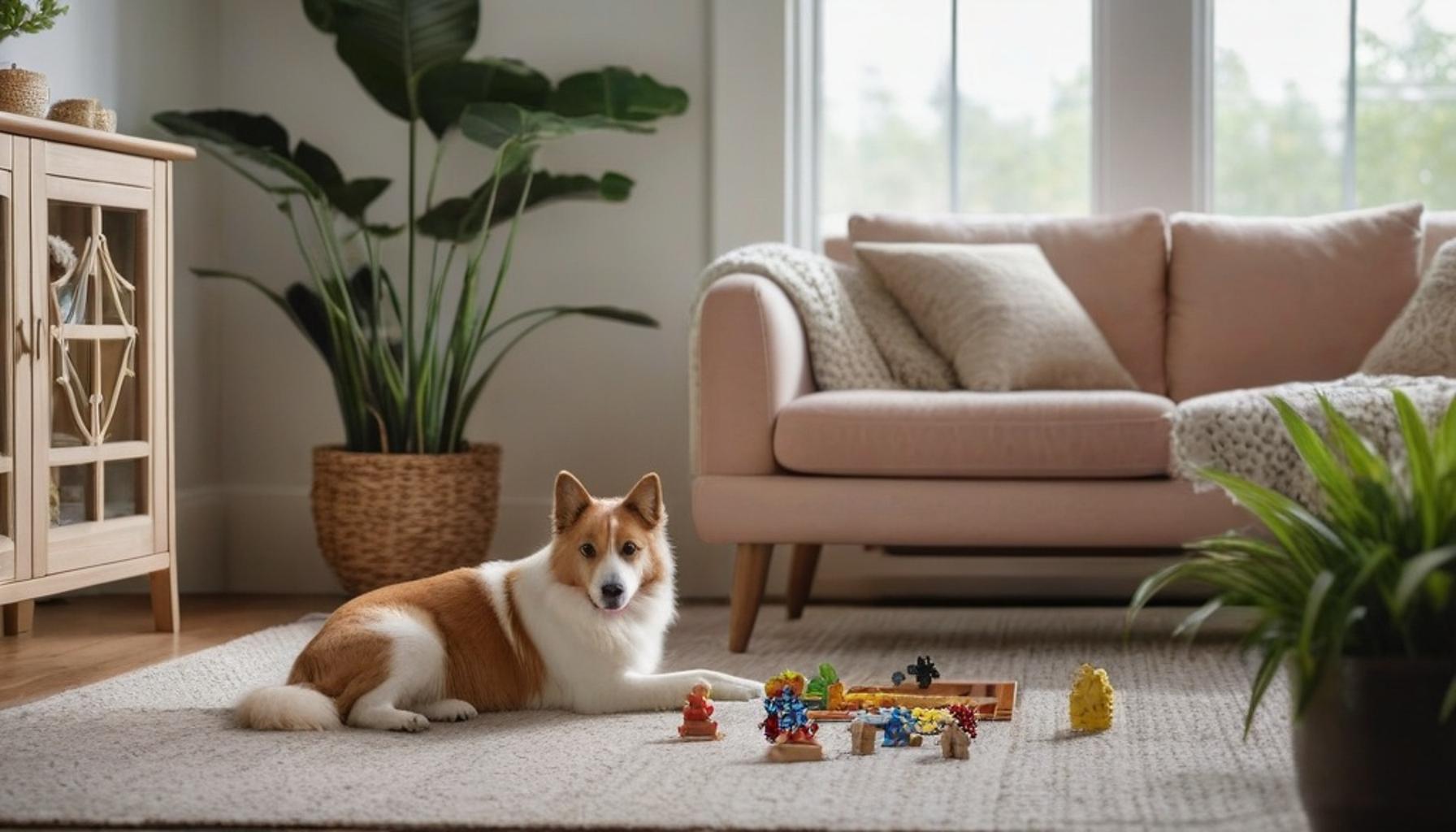
Balancing Nutritional Needs and Hygiene Practices for Indoor Cats and Dogs

Why Indoor Pets Need a Different Kind of Care
Across Lagos, Abuja, and Port Harcourt, more households are keeping cats and dogs indoors for safety and companionship. This lifestyle shift, however, brings unique challenges that many pet owners overlook until problems arise.
Gone are the days when a dog roamed freely around the compound, chasing lizards and burning off energy under the sun. Today’s estate living, high-rise apartments, and security concerns have pushed many Nigerian families to raise their pets strictly indoors. While this offers protection from theft, road accidents, and communicable diseases, it also removes the natural exercise and environmental stimulation that once kept pets healthy without much extra effort from their owners.
Nutritional Needs for Indoor Pets differ significantly from those of outdoor animals. Indoor pets burn fewer calories, move less, and are exposed to fewer natural elements, meaning their diet and grooming routines must be carefully adjusted. A dog that once spent hours patrolling a compound now spends most of its day lounging on a sofa or tiled floor, which drastically reduces its energy requirements.
The Hidden Risks of Indoor Living
Without proper attention, indoor cats and dogs face specific health risks:
- Obesity from reduced physical activity and overfeeding
- Skin infections due to inadequate hygiene practices
- Digestive issues from unsuitable indoor cat dietary requirements
- Parasite buildup despite minimal outdoor exposure
Veterinary studies suggest that over 50% of indoor pets in urban Nigerian homes show early signs of weight-related health concerns. This makes cat and dog nutrition tips essential reading for every pet parent. Many owners assume that because their pets no longer scavenge outside, they are automatically healthier, but the opposite is often true. Excessive treats, table scraps, and inconsistent feeding schedules quietly contribute to long-term weight gain that goes unnoticed until mobility issues appear.
Nutrition and Hygiene: Two Sides of the Same Coin
Feeding your pet correctly is only half the equation. Dog hygiene practices, such as regular bathing and dental care, directly influence how well nutrients are absorbed and utilized. Poor coat maintenance, for instance, can trap bacteria that eventually affect skin health, while neglected dental hygiene often leads to reduced appetite and nutrient deficiencies.
This article explores practical strategies for balancing pet diet and hygiene, helping you raise healthier, happier indoor companions. Expect actionable tips, feeding guidelines, and grooming schedules tailored for Nigerian homes, where humidity, dust, and indoor confinement create a distinct set of challenges worth understanding before they escalate into costly veterinary visits.
LEARN MORE: The importance of proper nutrition for the preventive health of indoor dogs and cats
Understanding What Indoor Cats and Dogs Really Need to Eat
Feeding an indoor pet is not simply a smaller version of feeding an outdoor one. The Nutritional Needs for Indoor Pets revolve around calorie control, nutrient density, and digestibility, since these animals have limited opportunities to burn off excess energy. A dog confined to a two-bedroom flat in Lekki, for example, requires a completely different caloric intake than one that used to roam a family compound in Enugu.
Many Nigerian pet owners still rely on leftover jollof rice, bones, and generic “dog food” bought loosely at the market, without checking whether it matches their pet’s actual activity level. This approach often ignores indoor cat dietary requirements, which are notably different from those of dogs due to cats being obligate carnivores with specific taurine and protein needs.
Key Nutrients Indoor Pets Cannot Do Without
Whether you own a lazy Persian cat or an energetic Lhasa Apso, certain nutritional building blocks remain non-negotiable for maintaining long-term health indoors:
- High-quality protein to preserve lean muscle mass despite reduced movement
- Controlled fat content to prevent unnecessary weight gain
- Fiber-rich ingredients to support digestion and reduce hairball issues in cats
- Balanced vitamins and minerals, particularly taurine for cats and omega fatty acids for skin and coat health
- Adequate hydration, since indoor pets often drink less water than those exposed to outdoor heat
Skipping any of these elements rarely causes immediate harm, which is exactly why the problem sneaks up on unsuspecting owners. A cat that appears perfectly fine today may develop urinary issues months later simply because its diet lacked sufficient moisture and taurine. Veterinary clinics in Abuja and Port Harcourt have reported a rise in feline urinary tract cases linked directly to owners feeding dry, cereal-heavy diets without supplementing enough water intake.
Dogs face a different but equally serious risk. Excess carbohydrates from rice-heavy meals, combined with minimal exercise, often translate into fatty deposits around the abdomen. Over time, this can strain joints, worsen breathing in flat-faced breeds, and even shorten lifespan. What looks like a harmless treat today could be quietly building toward diabetes or arthritis years down the line.
Portion Control: The Overlooked Culprit
Portion sizes matter far more indoors than outdoors. Veterinarians across Lagos have observed that pet owners frequently overestimate how much food their cats and dogs actually require. A 4-kilogram indoor cat, for instance, typically needs far less food than most commercial packaging suggests, since those guidelines are often calculated for more active outdoor animals.
Practical cat and dog nutrition tips start with reading feeding guidelines on packaging, then adjusting based on your pet’s actual weight, age, and activity level rather than guesswork. Splitting daily food into two or three smaller meals, instead of one large serving, also helps regulate metabolism and prevents the sluggishness commonly seen in indoor pets after overeating.
Owners can also introduce simple, low-cost habits that mirror the discipline outdoor pets naturally receive from daily roaming. Using puzzle feeders, timing meals consistently, and avoiding constant snacking between meals can dramatically improve an indoor pet’s weight management without requiring expensive imported products.
Understanding these nutritional fundamentals sets the stage for the next crucial piece of the puzzle: how hygiene practices directly interact with diet to shape your pet’s overall wellbeing indoors.
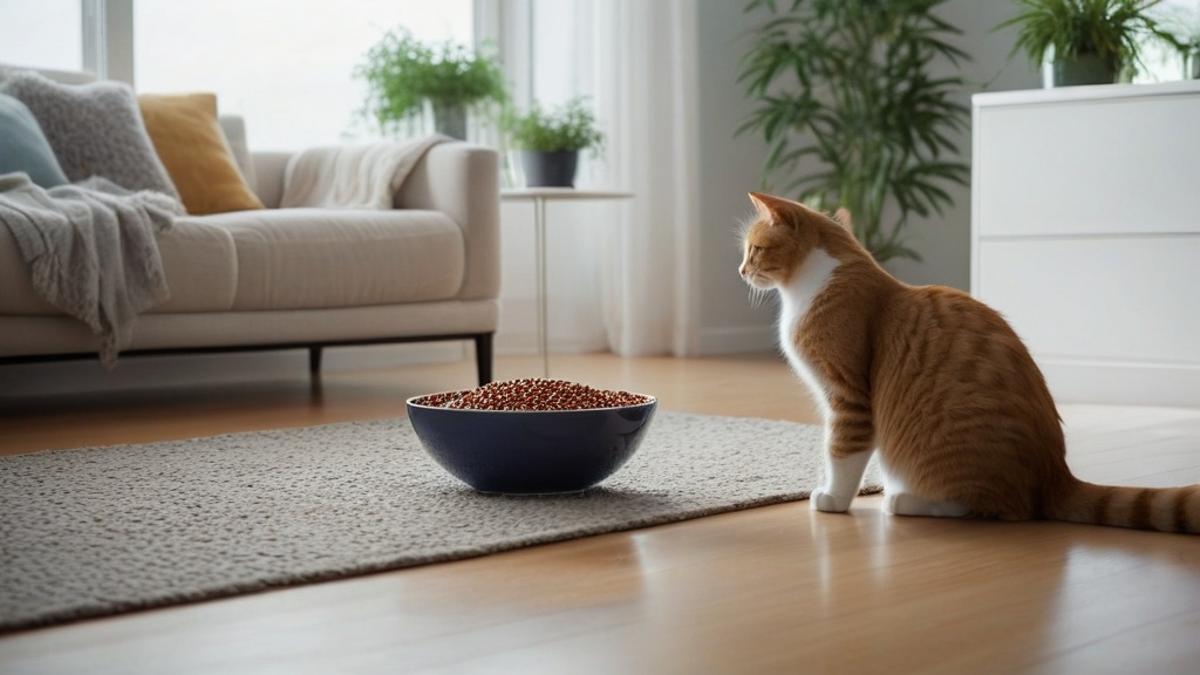
Nutritional Needs for Indoor Pets: A Side-by-Side Breakdown
Understanding Nutritional Needs for Indoor Pets becomes clearer when hygiene and diet are compared directly. Indoor cat dietary requirements often emphasize higher protein and moisture intake, while dog hygiene practices focus on activity-linked feeding schedules. The table below highlights how cat and dog nutrition tips intersect with grooming and cleanliness routines, offering a quick reference for anyone aiming at healthy indoor pets.
| Category | Key Insight |
|---|---|
| Feline Diet Focus | Indoor cat dietary requirements demand taurine, moisture-rich food, and controlled calories to prevent obesity. |
| Canine Hygiene Routine | Dog hygiene practices like weekly brushing and dental checks reduce bacteria linked to digestive issues. |
| Combined Wellness Goal | Balancing pet diet and hygiene supports immunity, coat health, and long-term vitality. |
YOU MAY ALSO LIKE: Behavior Management Through Environmental Enrichment and Proper Nutrition for Dogs and Cats
How Hygiene Practices Shape the Health of Indoor Cats and Dogs
Feeding your pet correctly is only half the equation. Dog hygiene practices and feline cleanliness routines determine whether all that carefully measured nutrition actually translates into good health. An indoor environment traps bacteria, allergens, and waste in ways an open compound never would, making hygiene a silent partner to diet in raising healthy indoor pets.
Consider the average apartment in Ikeja or Asaba. Unlike a backyard dog that naturally spreads its waste across a wide area, an indoor dog or cat concentrates everything within a few square meters. Litter boxes, feeding bowls, and bedding become hotspots for salmonella and E. coli if not cleaned regularly, sometimes contaminating the very food meant to nourish your pet.
Food Bowls and Water Dishes Deserve More Attention
Few Nigerian pet owners realize that plastic feeding bowls, especially the scratched ones, harbor bacteria far more than stainless steel or ceramic alternatives. A study by the National Sanitation Foundation once ranked pet bowls among the top four germiest household items, right behind dish sponges and toothbrush holders.
Practical steps to keep feeding areas safe include:
- Washing bowls daily with hot water and mild soap, not just a quick rinse
- Replacing plastic bowls every few months, since scratches trap bacteria permanently
- Keeping food and water bowls separate from litter boxes to avoid cross-contamination
- Storing dry food in airtight containers rather than leaving bags open in humid Nigerian weather
Humidity levels in cities like Calabar and Port Harcourt accelerate bacterial growth in stored pet food far quicker than in drier climates, meaning leftover kibble left out overnight poses a bigger risk than many owners assume.
Litter Boxes, Bedding, and the Hidden Link to Digestion
Cats are naturally fastidious, and a dirty litter box can actually alter their eating habits. Veterinary behaviorists note that cats sometimes reduce food or water intake when their litter environment feels unhygienic, creating a stress response that indirectly affects digestion and weight.
Cleaning litter boxes at least once daily, rather than every few days, supports both hygiene and appetite regulation. Similarly, washing pet bedding weekly reduces the buildup of dander and fecal residue that dogs and cats often ingest while grooming themselves.
Balancing Pet Diet and Hygiene as a Daily Routine
The real secret to balancing pet diet and hygiene lies in treating both as inseparable daily tasks rather than occasional chores. A dog fed premium protein but living in a rarely cleaned crate still faces elevated infection risks. A cat on an expensive taurine-rich diet can still develop digestive upsets if its water bowl sits unwashed for days.
Nigerian households juggling work, traffic, and family demands often push hygiene routines to the bottom of the priority list. Yet spending just ten extra minutes daily on bowl washing, litter changes, and bedding checks can prevent costly veterinary visits, some of which now exceed thirty thousand naira for treating avoidable gastrointestinal infections in major cities.
Bringing Diet and Cleanliness Together for Lasting Pet Wellness
Meeting the Nutritional Needs for Indoor Pets is never a one-time achievement. It is an ongoing balancing act between what goes into the bowl and what happens around it. Nigerian pet owners who grasp this connection early tend to spend less on emergency vet visits and more on preventive care that actually works.
Throughout this discussion, one theme keeps resurfacing: indoor cat dietary requirements and canine nutrition cannot be separated from the environment surrounding mealtime. A perfectly balanced diet loses its value the moment bacteria from a dirty bowl or litter box enters the picture.
What Every Indoor Pet Owner Should Remember
Three practical lessons stand out from everything covered above.
- Nutrition and hygiene work as a single system, not two separate responsibilities
- Nigeria’s climate, particularly humidity in cities like Lagos and Port Harcourt, accelerates bacterial growth faster than many owners expect
- Consistent daily routines, not occasional deep cleans, produce the strongest results for healthy indoor pets
These cat and dog nutrition tips only deliver full value when paired with disciplined cleaning habits. A well-fed dog sleeping on unwashed bedding still faces skin irritation risks. A cat eating premium food from a scratched plastic bowl still risks bacterial exposure.
Moving Forward With Confidence
Indoor pet ownership across Nigeria continues to grow, and with it comes a responsibility to rethink old assumptions about what pets truly need. Balancing pet diet and hygiene is not about perfection but about consistency, awareness, and small daily adjustments that compound into long-term health benefits.
Owners who commit to both feeding quality and cleanliness routines will likely notice fewer digestive issues, calmer pets, and reduced veterinary costs over time. That combination, more than any single product or diet trend, defines what it truly means to raise a thriving indoor companion in today’s Nigerian homes.
Frequently Asked Questions
What are the specific nutritional needs for indoor pets living in Nigeria’s warm climate?
Indoor cats and dogs in Nigeria need balanced meals with quality protein, moderate fat, and controlled portions since they burn fewer calories than outdoor pets. Given the heat, ensure constant access to clean water and consider slightly reduced fat content to prevent obesity. Locally available options like boiled chicken, fish, and commercial pet food adapted for indoor lifestyles work well.
Can I feed my indoor dog or cat local Nigerian foods like garri or rice instead of commercial pet food?
While plain rice and lean proteins can be occasional additions, foods like garri offer little nutritional value and can lead to deficiencies if relied upon regularly. It’s best to use commercial pet food formulated for indoor pets as the base diet, supplementing with vet-approved local foods in moderation. Always avoid heavily seasoned or spicy Nigerian dishes, as they can harm your pet’s digestive system.
How often should I clean my indoor cat’s litter box to maintain proper hygiene in a Nigerian household?
Scoop the litter box at least once daily and fully replace the litter weekly to prevent odor buildup and bacterial growth, which is especially important in Nigeria’s humid conditions. Poor litter hygiene can lead to urinary tract infections and stress-related behavior issues in cats. Using unscented, clumping litter also helps manage moisture and smell more effectively.
What hygiene practices help prevent parasites in indoor pets that don’t go outside often in Nigeria?
Even indoor pets need regular deworming every three months and monthly flea and tick prevention, since parasites can enter homes through open windows, other pets, or contaminated food. Regularly wash bedding, food bowls, and grooming tools with hot water to eliminate hidden eggs or larvae. Routine vet checkups are essential since Nigeria’s climate supports year-round parasite activity.
How do I balance my indoor pet’s diet to avoid obesity, a common issue with reduced outdoor activity?
Measure food portions accurately using a standard cup rather than estimating, and choose pet food specifically labeled for indoor or less-active pets, which typically has fewer calories. Incorporate daily indoor play sessions, like using toys or short walks within the compound, to boost activity levels. Regularly monitor your pet’s weight and adjust feeding amounts based on your veterinarian’s guidance.

Linda Carter
Linda Carter is a writer and pet care expert specializing in pet health, grooming, and wellness. With extensive experience helping pet owners create safe, loving, and enriching environments for their animals, Linda shares her knowledge on our platform. Her goal is to empower readers with practical advice and strategies to ensure their pets thrive and lead joyful, healthy lives.