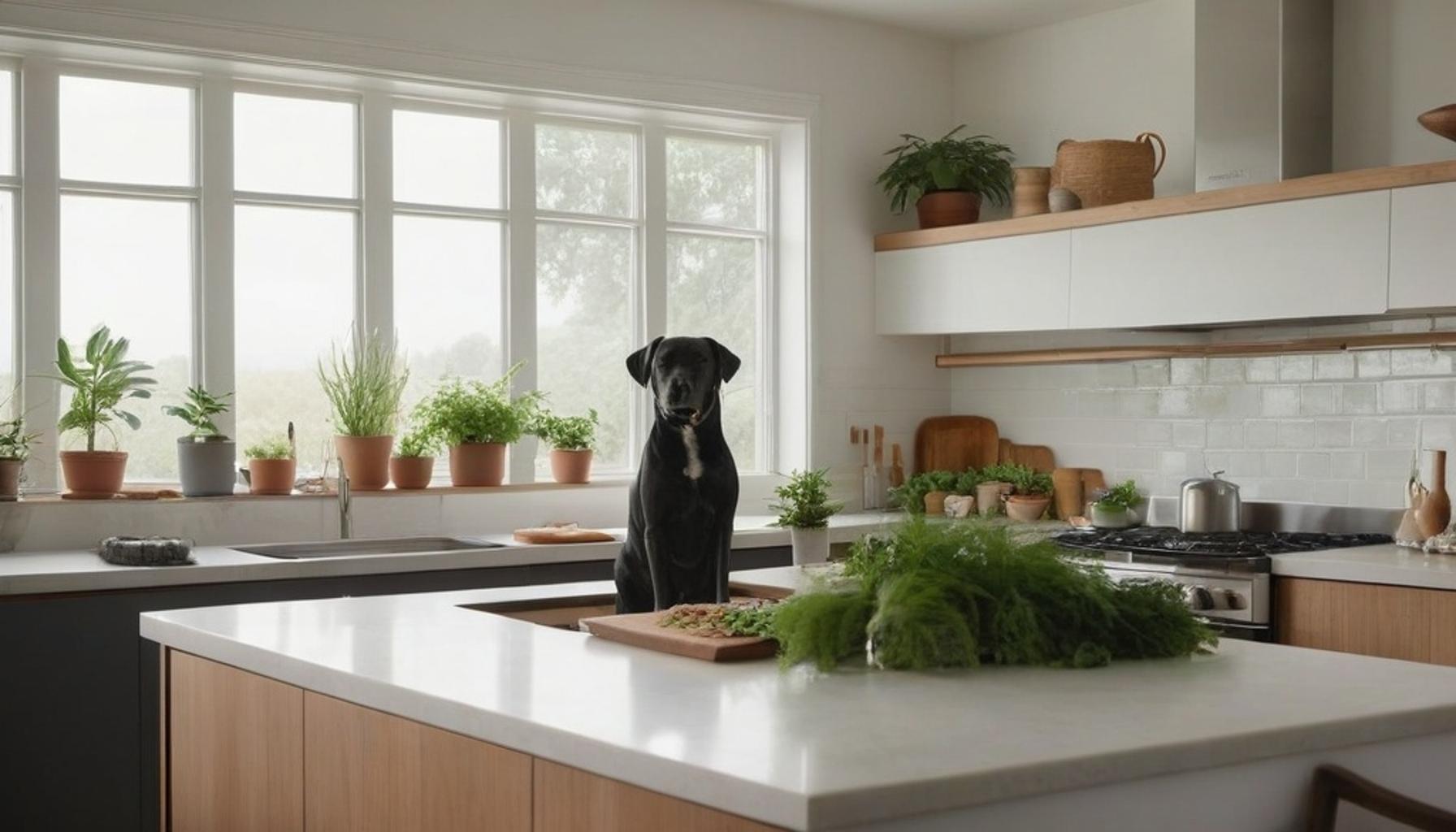
The importance of proper nutrition for the preventive health of indoor dogs and cats

Why Diet Matters More Than Ever for Indoor Pets
Across Nigerian homes, from Lagos apartments to Abuja duplexes, more families are keeping dogs and cats indoors for safety and companionship. But this lifestyle shift comes with a hidden cost: indoor pets often face higher risks of obesity, diabetes, and joint problems due to limited exercise and inconsistent feeding habits.
This is where proper nutrition for indoor dogs and cats becomes a game-changer, not just for daily wellness, but for long-term disease prevention. As urban living continues to reshape how Nigerians raise their pets, the conversation around food quality and portion control is gaining long overdue attention.
The Hidden Risks of an Indoor Lifestyle
Unlike outdoor animals that burn calories roaming and hunting, indoor pets rely almost entirely on their owners for movement and meals. Without a balanced diet for indoor pets, subtle health issues can build up unnoticed for months, sometimes even years, before symptoms become obvious.
- Weight gain leading to strain on joints and organs
- Weakened immune response to seasonal illnesses
- Poor coat and skin condition
- Digestive irregularities from low-quality feed
In many Nigerian households, leftovers from jollof rice, fried plantain, or heavily seasoned stew are often shared with pets as a form of affection. While well-intentioned, this habit can quietly contribute to nutrient imbalances, excessive sodium intake, and unnecessary weight gain, especially for breeds already prone to obesity, such as pugs or certain local mixed-breed dogs.
Prevention Starts on the Plate
Preventive health for pets is no longer just about vaccines and vet visits. Veterinary nutrition experts increasingly point to diet as a frontline defense, with studies suggesting that up to 40% of common pet ailments are linked to poor feeding practices. This statistic alone should make pet owners pause before serving another plate of table scraps.
Understanding practical dog and cat nutrition tips can help Nigerian pet owners avoid costly medical bills down the line. Investing in quality commercial pet food, portion control, and scheduled feeding times can significantly reduce the risk of chronic illness, especially in warmer climates where dehydration and heat stress already place extra strain on animals’ bodies.
Local veterinary clinics in cities like Port Harcourt and Ibadan have reported a noticeable rise in pet obesity cases over the past few years, a trend many attribute directly to indoor confinement combined with unregulated feeding.
This article explores the importance of pet diet choices, breaking down what indoor cats and dogs truly need to thrive, and how simple adjustments in indoor pet health care routines can add years to their lives. From portion sizes to ingredient quality, every small change plays a part in shaping a healthier, longer life for the animals sharing our homes.
CHECK OUT: Click here to explore more
Understanding What Balanced Nutrition Really Means
Many pet owners assume that any bag of feed labeled “dog food” or “cat food” automatically guarantees good health. This is a costly misconception. Proper nutrition for indoor dogs and cats goes far beyond simply filling a bowl; it involves matching nutrient composition to an animal’s breed, age, weight, and activity level.
A three-year-old indoor cat lounging on a Lagos balcony has vastly different caloric needs than a working farm dog in Kaduna. Yet, many households feed both categories of pets the same generic diet, unaware that this mismatch quietly undermines long-term wellness. The consequences rarely appear overnight; instead, they build gradually, often masked by an animal’s outward playfulness or apparent energy.
This is precisely why veterinary clinics across Nigeria, from Port Harcourt to Kano, report a steady rise in preventable conditions linked directly to feeding habits rather than genetics. Understanding nutrition, therefore, becomes less of an optional luxury and more of a fundamental responsibility for anyone sharing a home with a pet.
The Core Nutrients Every Indoor Pet Needs
Veterinary nutritionists generally agree that a balanced diet for indoor pets should include specific nutrient categories, each playing a distinct role in disease prevention.
- Quality protein, essential for muscle maintenance, especially important since indoor pets naturally lose muscle tone from reduced movement
- Healthy fats, which support skin, coat condition, and cognitive function
- Fiber, aiding digestion and helping prevent constipation common in low-activity animals
- Vitamins and minerals, particularly calcium and phosphorus, which support bone density often compromised in sedentary pets
- Fresh water, frequently overlooked despite its role in kidney function and temperature regulation
Skipping even one of these categories over time can create a domino effect of health complications, some of which may not surface until years later. For instance, a diet consistently low in quality protein might not show visible symptoms immediately, but over several months, an indoor dog could develop weakened joints, dull coat texture, or noticeably reduced stamina during walks.
Similarly, inadequate fiber intake is a silent contributor to chronic digestive discomfort, something many Nigerian pet owners mistake for simple stubbornness or mood swings in their animals. Understanding these nutrient categories individually allows owners to spot warning signs earlier, rather than waiting for a veterinary emergency.
Why Portion Control Deserves More Attention
Nigerian pet owners often feed based on habit rather than measurement, a scoop here, a handful there, without much regard for actual caloric requirements. This inconsistency is one of the leading contributors to obesity in indoor pets, a condition that veterinary experts warn is becoming increasingly common in urban households across the country.
Practical dog and cat nutrition tips from veterinary professionals suggest measuring food using a standard cup rather than estimating by sight. A Labrador in an Abuja compound and a Shih Tzu in a Lekki apartment simply cannot share the same portion size, yet this mistake happens more often than most owners realize, sometimes because feeding guidelines printed on packaging are either ignored or misunderstood entirely.
Beyond quantity, timing also plays a subtle but significant role. Feeding an indoor cat multiple small portions throughout the day, rather than one large meal, can help regulate metabolism and reduce unnecessary weight gain. This approach mirrors what nutritionists often recommend for humans, reinforcing how closely pet wellness parallels broader health principles.
Recognizing these nuances is the first practical step toward indoor pet health care that genuinely protects animals from preventable illness, rather than reacting only after symptoms appear. As awareness grows, more Nigerian households are beginning to consult veterinary professionals proactively, treating nutrition not as an afterthought, but as the foundation upon which every other aspect of pet care ultimately rests.

ADDITIONAL INSIGHTS: Expand your understanding here
Linking Diet Choices to Long-Term Disease Prevention
Veterinary case studies from clinics in Lagos and Abuja consistently show a pattern: indoor pets fed inconsistent or nutrient-poor diets develop chronic conditions at a noticeably higher rate than those on carefully managed feeding plans. This connection between food and disease is at the heart of preventive health for pets, yet it remains poorly understood by many Nigerian households. Veterinarians in urban centers report that a growing percentage of consultations now involve diet-related complaints rather than infectious diseases, a shift that mirrors changing lifestyles and feeding habits across the country.
Diabetes, once considered rare in Nigerian pets, is now being diagnosed more frequently in indoor cats fed exclusively on carbohydrate-heavy, low-quality kibble. Similarly, dogs surviving mainly on leftover jollof rice, bread, or fried snacks often develop pancreatitis, a painful inflammation triggered by excessive fat intake from human food not designed for canine digestion. In some cases, veterinarians have noted that dogs presenting with severe abdominal pain and vomiting were traced back to a single indulgent meal of fried chicken skin or oily suya trimmings, foods that seem harmless to humans but overwhelm a dog’s digestive system.
These outcomes are not random misfortune; they are largely predictable results of dietary neglect. Recognizing the importance of pet diet choices early can prevent years of costly veterinary treatment and unnecessary suffering for the animal. Families who invest in proper nutrition from the outset often report fewer emergency visits, lower long-term medical bills, and pets that display noticeably higher energy levels well into their senior years.
Common Feeding Mistakes Nigerian Households Overlook
Cultural feeding habits, while well-intentioned, sometimes work against an indoor pet’s health. Many owners assume that sharing family meals shows affection, but this practice frequently introduces harmful ingredients like onions, excessive salt, or spicy seasoning into a pet’s system. What feels like generosity at the dinner table can, over months or years, quietly damage organs that were never built to process such ingredients.
- Feeding table scraps regularly instead of formulated pet food, disrupting nutritional balance
- Assuming bone consumption is always safe, when cooked bones can splinter and cause internal injury
- Overfeeding treats as a substitute for attention or play, contributing to unnoticed weight gain
- Ignoring age-specific needs, feeding a senior dog the same diet as a puppy
- Switching pet food brands abruptly, causing digestive upset rather than gradual transition
Each of these habits, though seemingly harmless in isolation, accumulates into measurable health risks over time. A senior indoor dog, for example, requires reduced calories but increased joint-support nutrients like glucosamine, something rarely considered when owners simply continue purchasing whatever food is most affordable or available locally. Compounding this issue, many pet stores across Nigerian cities stock a limited range of specialized formulas, leaving owners with fewer options even when they recognize the need for change.
Age and Breed-Specific Considerations Worth Knowing
Not every indoor pet ages or metabolizes food identically. Smaller breeds, common in Nigerian apartments, often mature faster and may require earlier dietary adjustments than larger breeds like German Shepherds or Rottweilers, which remain in a “growth phase” nutritionally for longer periods. A Chihuahua, for instance, may need adult-formula food by the time it reaches one year old, while a Rottweiler puppy could still benefit from growth-specific nutrition well into its second year.
Cats, meanwhile, are obligate carnivores, meaning their bodies genuinely require animal protein to synthesize essential compounds like taurine. A cat fed primarily on dog food or plant-based substitutes, a mistake seen occasionally in budget-conscious households, risks developing heart complications linked directly to taurine deficiency. Some clinics have documented cases where cats presenting with lethargy and breathing difficulty were ultimately diagnosed with dilated cardiomyopathy traced back entirely to months of improper feeding.
These nuanced, breed-specific details are exactly the kind of dog and cat nutrition tips veterinary professionals wish more pet owners understood before making feeding decisions based purely on convenience or cost. As awareness grows, more Nigerian pet owners are beginning to ask deeper questions about ingredient labels, protein sources, and portion sizing, a shift that could meaningfully reduce preventable illness across the country’s growing pet-owning population.
ADDITIONAL INSIGHTS: Expand your understanding here
Building a Culture of Preventive Care Through Nutrition
The evidence gathered from veterinary clinics across Lagos, Abuja, and beyond points to a single, unavoidable truth: proper nutrition for indoor dogs and cats is not a luxury reserved for wealthy households, but a foundational element of responsible pet ownership. From taurine deficiencies in cats to pancreatitis triggered by oily suya trimmings, the health crises explored throughout this article share a common root cause that is entirely preventable.
Nigerian pet owners stand at a turning point. As more information becomes available about indoor pet health care, the excuse of “not knowing better” grows weaker with each passing year. Choosing formulated diets over table scraps, respecting age and breed-specific requirements, and transitioning foods gradually are small adjustments that yield significant long-term returns.
A balanced diet for indoor pets should never be treated as an afterthought squeezed into a household budget. Instead, it deserves the same deliberate planning given to school fees or medical insurance, since the financial and emotional cost of treating preventable chronic illness far exceeds the price of quality pet food today.
- Consult a veterinarian before making major dietary changes
- Prioritize protein-rich, species-appropriate formulas over convenience foods
- Monitor weight and energy levels as early warning indicators
Ultimately, the importance of pet diet decisions cannot be overstated. Every meal served either builds toward a longer, healthier life or quietly contributes to future suffering. For Nigeria’s growing community of indoor pet owners, embracing these dog and cat nutrition tips today may well determine the quality of companionship enjoyed for years to come.
Frequently Asked Questions
Why do indoor dogs and cats in Nigeria need different nutrition than outdoor pets?
Indoor pets in Nigeria generally have lower activity levels because they are not roaming or hunting, so they need portion-controlled, nutrient-dense meals to avoid obesity. They also require diets rich in fiber and hydration since indoor living can sometimes lead to constipation or urinary issues. Proper nutrition for indoor dogs and cats should focus on quality protein and controlled fats rather than the higher calorie needs of active outdoor pets.
Can locally available foods provide proper nutrition for indoor dogs and cats in Nigeria?
Yes, foods like boiled chicken, fish, eggs, and certain vegetables such as pumpkin leaves (ugwu) can be part of a balanced diet if prepared without excess salt, spices, or oil. However, these should be combined with commercial pet food where possible to ensure your pet gets essential vitamins and minerals not always present in home-cooked meals. Consulting a veterinarian helps tailor a diet using accessible Nigerian ingredients safely.
How does proper nutrition help prevent common diseases in indoor pets?
A balanced diet strengthens the immune system, helping indoor dogs and cats resist infections and reduces the risk of diseases like diabetes, kidney problems, and obesity-related joint issues. Since indoor pets in Nigeria are less exposed to natural sunlight and exercise, nutrients like calcium, vitamin D, and omega-3 fatty acids become even more critical for bone and skin health. Preventive nutrition ultimately reduces long-term veterinary costs by catching potential deficiencies early.
What signs indicate my indoor pet is not getting proper nutrition?
Watch for dull or thinning fur, excessive weight gain or loss, low energy, frequent digestive upset, or skin irritation, as these often signal nutritional imbalance. In Nigeria’s warm climate, dehydration can also worsen nutrient absorption issues, so ensure fresh water is always available. If you notice these signs persisting, a veterinary check-up is recommended to adjust your pet’s diet appropriately.

Linda Carter
Linda Carter is a writer and pet care expert specializing in pet health, grooming, and wellness. With extensive experience helping pet owners create safe, loving, and enriching environments for their animals, Linda shares her knowledge on our platform. Her goal is to empower readers with practical advice and strategies to ensure their pets thrive and lead joyful, healthy lives.