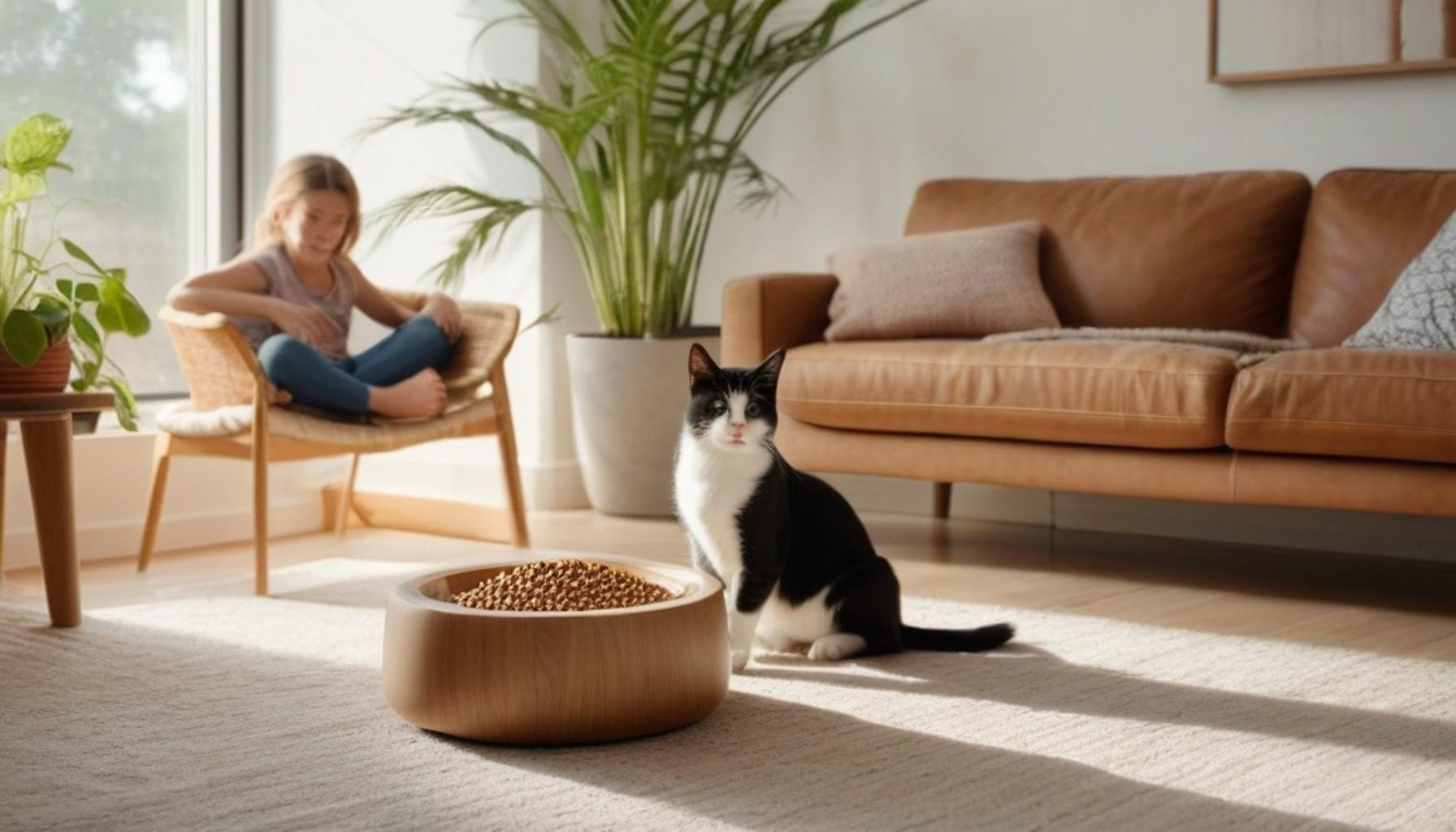
The Importance of Nutrition in Hygiene and Preventive Health of Dogs and Cats in Indoor Environments
Why Diet Shapes the Health of Indoor Pets in Nigerian Homes
Across cities like Lagos, Abuja, and Port Harcourt, more families are keeping dogs and cats indoors for safety and companionship. But indoor living changes everything about how pets should eat, groom, and stay healthy. Nutrition in hygiene for pets is no longer a side topic—it’s central to keeping animals disease-free in enclosed spaces.
Many pet owners focus only on feeding schedules, forgetting that food quality directly affects skin condition, coat cleanliness, and immune strength. A poorly nourished dog or cat is more prone to infections, parasites, and chronic illness, especially indoors where exposure to fresh air and sunlight is limited.
The Hidden Cost of Convenient Feeding
In many Nigerian households, table scraps and leftover jollof rice or amala often substitute for proper pet food. While this feels economical, it rarely provides the balanced proteins, fatty acids, and vitamins that dogs and cats need to thrive indoors. Without adequate nutrients like omega-3 and omega-6 fatty acids, pets develop dry, flaky skin and dull coats that become breeding grounds for fleas and bacteria—problems that spread faster in confined living spaces than outdoors.
This is particularly concerning in humid cities like Port Harcourt, where indoor heat and moisture can worsen skin conditions triggered by poor diet. A cat fed inconsistent, low-quality meals may groom excessively, leading to hairballs, while a dog might scratch persistently, opening wounds that invite secondary infections.
What This Article Covers
This piece explores the connection between diet and disease prevention, offering practical guidance Nigerian pet owners can apply immediately.
- Dog and cat nutrition importance in maintaining healthy skin and coat
- Hygiene tips for indoor pets that reduce parasite and bacterial risks
- Best diets for indoor dogs and cats based on breed, age, and activity level
- Common nutritional deficiencies seen in confined pets
- Simple indoor pet health tips for busy households
A Growing Concern Backed by Data
Did you know that up to 30% of indoor pets suffer from diet-related skin issues, according to veterinary studies? This figure becomes even more alarming when you consider Nigeria’s rising urban pet population, where many animals rarely see a vet until symptoms become severe. Local veterinary clinics in Lagos have reported increasing cases of dermatitis, coat thinning, and digestive troubles directly linked to inconsistent or nutrient-poor diets.
This introduction sets the stage for understanding why preventive health for indoor pets starts on the feeding bowl, not just at the vet’s clinic. Nigerian pet owners are gradually realizing that what goes into a dog or cat’s bowl each day influences far more than energy levels—it shapes their entire quality of life indoors.
Keep reading to discover how small dietary adjustments can transform your pet’s daily hygiene routine and long-term wellbeing.
SEE ALSO: The Impact of Nutritional Care on Behavior Management and Environmental Enrichment in Pets
# How Nutrients Build the First Line of Defense Against DiseaseEvery meal a dog or cat eats does more than fill a stomach—it builds the biological armor that keeps illness away. Understanding dog and cat nutrition importance means recognizing that skin, fur, and even digestion all depend on what enters the feeding bowl daily.In enclosed apartments across Lagos or Abuja, pets no longer roam freely to self-regulate their exposure to dirt, sunlight, or natural grooming opportunities found outdoors. This makes nutrition in hygiene for pets far more critical indoors than in traditional compound settings where dogs and cats moved freely, sniffing through open yards and absorbing natural vitamin D from unfiltered sunlight.
Pet owners in cities like Port Harcourt and Ibadan are gradually discovering that the confined lifestyle of apartment living changes how a pet’s body processes nutrients. Without outdoor exposure, animals rely almost entirely on their diet to compensate for what nature once provided freely.
Protein, Fatty Acids, and the Skin-Coat Connection
Skin is a dog or cat’s largest organ, and it reflects internal health almost immediately. When diets lack sufficient high-quality protein, the body prioritizes vital organs over skin repair, leaving coats dull and prone to shedding. This is particularly noticeable in Nigeria’s humid climate, where excess moisture on the skin combined with poor nutrition can accelerate irritation.
Fatty acids—particularly omega-3 and omega-6—play a starring role in maintaining the skin’s natural oil barrier. This barrier prevents moisture loss and blocks bacterial entry points that thrive in warm indoor environments, especially during Nigeria’s rainy season when humidity levels spike and create breeding grounds for skin-related fungal issues.
Consider these nutrient functions essential for indoor pets:
- Omega-3 fatty acids reduce inflammation and support healthy skin turnover
- High-quality animal protein strengthens hair follicles and reduces excessive shedding
- Zinc and vitamin E help repair skin damage caused by scratching or allergens
- Adequate hydration through wet food or water supports kidney function, which indirectly affects coat quality
Without these nutrients, pets become walking hosts for fleas, mites, and fungal infections—problems that spread rapidly in confined spaces where multiple pets or family members share close quarters. In households with children who frequently cuddle pets, this creates an additional layer of concern that many Nigerian families are only beginning to address.
Digestive Health as a Hygiene Multiplier
Poor nutrition doesn’t just affect skin—it disrupts digestion, creating a ripple effect on overall hygiene. Dogs and cats fed inconsistent diets often experience loose stools or excessive gas, both of which complicate indoor cleanliness. This is especially true when owners switch between local table scraps and commercial feed without a gradual transition period.
A cat with digestive imbalance may avoid its litter box, leading to accidents on furniture or floors. Similarly, dogs experiencing digestive discomfort often require more frequent walks or cleanup, straining already busy Nigerian households where time for pet care competes with work and family obligations.
Veterinary professionals increasingly link preventive health for indoor pets to gut health, noting that balanced diets rich in fiber and digestible proteins reduce the frequency of messy, hygiene-compromising incidents. Some clinics in Lagos report that owners who switch to consistent, nutrient-dense feeding schedules see noticeable improvements within just a few weeks.
This connection between what pets eat and how clean their living environment stays is often overlooked until problems escalate, making early dietary attention a practical investment in household harmony. As more Nigerian families embrace indoor pet ownership, understanding this link may prove essential for maintaining both animal wellness and domestic peace.
Key Nutritional Factors Behind Hygiene and Preventive Health in Indoor Pets
Understanding Nutrition in hygiene for pets starts with recognizing how diet directly shapes skin condition, digestion, and disease resistance. Indoor dogs and cats face unique challenges—limited exercise, controlled environments, and constant exposure to household allergens—making dog and cat nutrition importance even more critical. The table below breaks down essential nutritional aspects and their preventive health benefits, offering a quick reference for pet owners seeking indoor pet health tips that go beyond basic feeding routines.
| Nutritional Aspect | Preventive Health Benefit |
|---|---|
| High-Quality Protein | Supports muscle repair, immune defense, and reduces skin infections |
| Essential Fatty Acids | Strengthens coat, reduces shedding, and prevents dry, flaky skin |
| Balanced Fiber Intake | Improves digestion, reduces odor, and supports healthy stool consistency |
| Controlled Caloric Intake | Prevents obesity-related hygiene issues and joint strain in indoor pets |
| Hydration and Moisture-Rich Diets | Reduces urinary tract infections and supports kidney function |
Why These Factors Matter for Indoor Environments
Indoor pets often eat less varied diets than outdoor animals, increasing dependence on best diets for indoor dogs and cats formulated with precise nutrient ratios. A 2022 veterinary nutrition review found that pets fed diets deficient in omega-3 fatty acids were three times more likely to develop chronic skin irritation, a common trigger for excessive licking and household allergen buildup.
Simple h
LEARN MORE: Behavior Management Through Environmental Enrichment and Proper Nutrition for Dogs and Cats
# Weight Management, Immunity, and the Hidden Costs of Poor Feeding HabitsBeyond skin and digestion, nutrition shapes a pet’s ability to fight off disease before it ever takes hold. This is where preventive health for indoor pets becomes less about treating symptoms and more about stopping problems at their source.Indoor dogs and cats in Nigerian homes burn fewer calories than their outdoor counterparts once did. Without long walks through open compounds or chasing opportunities in backyards, excess feeding quickly translates into weight gain. Veterinary clinics in Lagos have observed rising cases of overweight pets among apartment dwellers, a trend directly tied to portion sizes that no longer match reduced activity levels. In cities like Abuja and Port Harcourt, where high-rise living continues to expand, this pattern is becoming increasingly common among households that once kept pets primarily outdoors.
Why Excess Weight Undermines Hygiene and Immunity
Obesity in pets is not merely a cosmetic concern. Extra weight strains joints, reduces mobility, and makes self-grooming physically difficult for cats especially. A cat unable to reach certain areas of its body due to excess fat often develops matted fur, skin infections, and odor issues that spread throughout small apartment spaces.
Overweight dogs face similar struggles, often becoming less willing to engage in the physical activity needed to maintain healthy digestion and circulation. This creates a cycle where poor nutrition leads to weight gain, which then worsens hygiene outcomes and weakens the immune response. Breeds commonly kept indoors in Nigeria, such as Shih Tzus and small terrier mixes, appear particularly vulnerable to this cycle due to their limited natural exercise drive.
Data from veterinary nutrition studies suggest that overweight pets are significantly more prone to skin infections, urinary tract issues, and diabetes—conditions that complicate indoor living considerably. For Nigerian pet owners already balancing tight schedules, managing a chronically ill pet becomes an added burden that proper feeding could have prevented. Veterinary bills for managing diabetes or chronic skin conditions can quickly outweigh the modest cost of quality pet food, making prevention a financially sound strategy as well.
Building Immunity Through Micronutrients
Vitamins and minerals often receive less attention than protein or fat, yet they form the backbone of a pet’s immune defenses. Best diets for indoor dogs and cats typically include controlled levels of vitamin A, vitamin D, and antioxidants that help neutralize free radicals before they damage cells.
Indoor pets, lacking natural sunlight exposure common in traditional Nigerian compound settings, often require dietary supplementation to meet vitamin D needs. Without it, bone density and immune function can suffer silently over months or years. This is particularly relevant during Nigeria’s rainy season, when even brief outdoor access becomes limited, further reducing natural vitamin synthesis.
Consider these micronutrient contributions worth monitoring:
- Vitamin A supports mucous membrane health, reducing susceptibility to respiratory infections
- Antioxidants like vitamin C and E slow cellular aging and strengthen immune response
- Calcium and phosphorus balance maintains bone strength, especially in growing puppies and kittens
- Probiotics in modern pet foods support gut flora that indirectly boosts systemic immunity
Many Nigerian pet owners still rely on inconsistent feeding practices, mixing leftover human meals with commercial feed without understanding nutrient gaps this creates. Dishes containing heavy spices, excess salt, or bone fragments from local meals, while familiar to household diets, may introduce risks that commercial pet food is specifically formulated to avoid. Nutritionists increasingly recommend consulting veterinary professionals when transitioning pets to structured diets, particularly for households managing multiple animals within limited indoor space.
These hygiene tips for indoor pets extend naturally from nutritional choices, proving that what fills the feeding bowl each day influences far more than appetite alone. As awareness grows across Nigerian cities, more owners are beginning to treat feeding decisions as long-term health investments rather than daily routines performed out of habit alone.
Nutrition in Hygiene for Pets: A Final Word for Nigerian Households
The link between what pets eat and how well they live indoors cannot be overstated. Across Lagos apartments, Abuja flats, and Port Harcourt duplexes, the evidence points to one consistent truth: nutrition in hygiene for pets is not a luxury reserved for wealthy households but a practical necessity for anyone sharing close quarters with a dog or cat.
From skin conditions to weight-related illness, this article has traced how feeding choices ripple outward into grooming needs, odor control, and disease resistance. The dog and cat nutrition importance discussed throughout reflects a broader shift in how Nigerian pet owners are beginning to view feeding—not as routine, but as preventive medicine served daily in a bowl.
Households aiming to improve outcomes should consider a few practical steps:
- Reviewing portion sizes against actual indoor activity levels
- Introducing vitamin-rich, vet-approved commercial diets over inconsistent home meals
- Scheduling periodic veterinary checkups to catch nutrient deficiencies early
- Prioritizing indoor pet health tips that combine diet, grooming, and exercise together
As urban living continues to reshape pet ownership across Nigeria, the conversation around preventive health for indoor pets deserves more attention in veterinary clinics, pet stores, and everyday household decisions. Choosing among the best diets for indoor dogs and cats is ultimately an investment in fewer vet bills, cleaner living spaces, and longer, healthier companionship. The bowl on the floor, it turns out, holds far more influence over a pet’s wellbeing than most owners ever realized.

Linda Carter
Linda Carter is a writer and pet care expert specializing in pet health, grooming, and wellness. With extensive experience helping pet owners create safe, loving, and enriching environments for their animals, Linda shares her knowledge on our platform. Her goal is to empower readers with practical advice and strategies to ensure their pets thrive and lead joyful, healthy lives.