
Behavior Management Through Environmental Enrichment and Proper Nutrition for Dogs and Cats
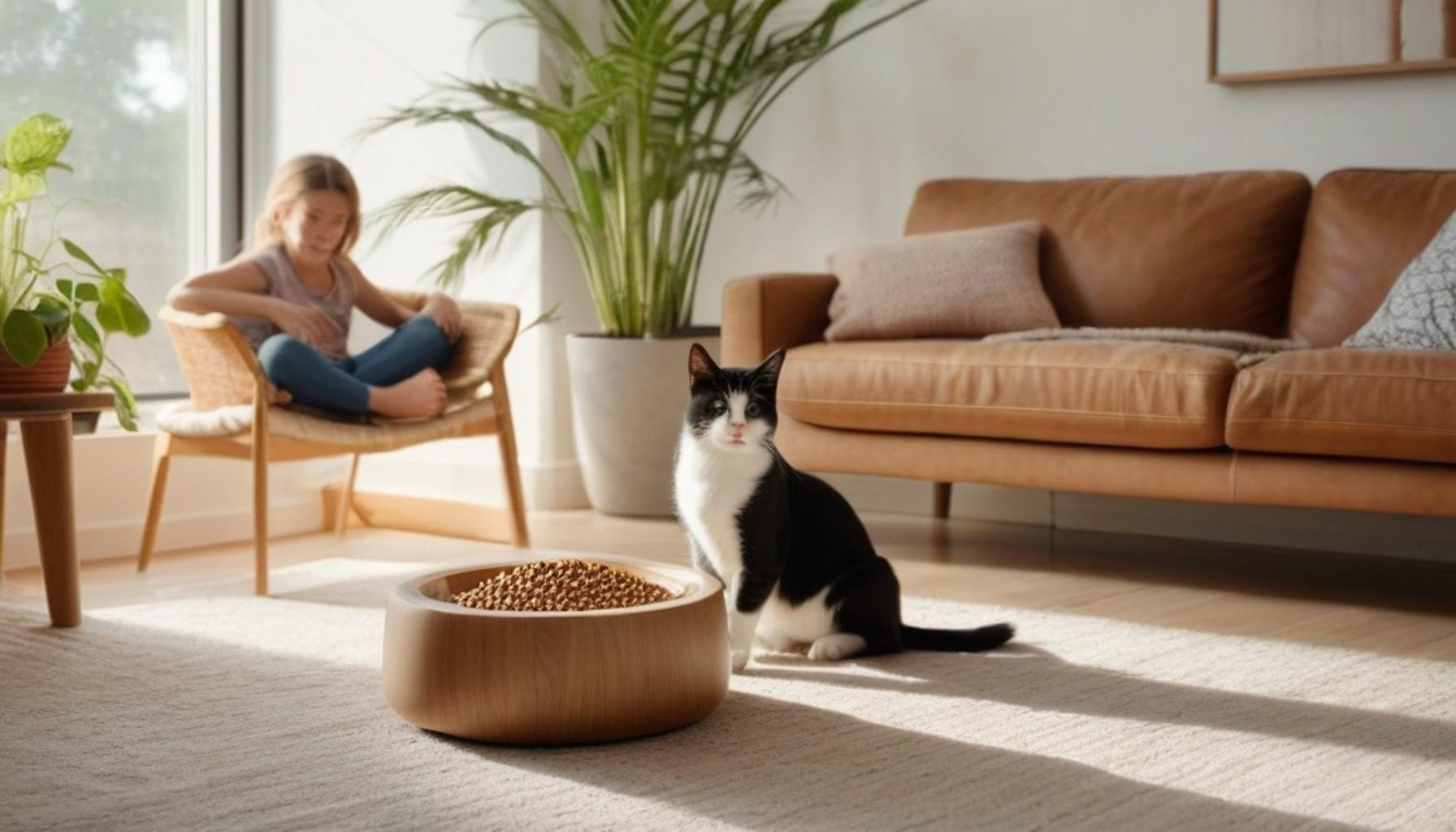
Understanding the Link Between Environment, Diet, and Pet Behavior
From Lagos apartments to compounds in Abuja, more Nigerian pet owners are noticing something troubling: dogs digging up gardens, cats scratching furniture, or pets pacing restlessly for no clear reason. Behavior Management for Dogs and Cats has become a pressing concern as households juggle busy schedules with the needs of their furry companions. What was once dismissed as “a dog just being stubborn” or “a cat being wicked” is now being reexamined through a more scientific lens.
Many owners assume disobedience or aggression stems from poor training alone. However, research increasingly points to two overlooked factors that shape everyday behavior. Veterinarians across major Nigerian cities report a rise in consultations where the root cause isn’t disobedience at all, but unmet biological needs.
- Lack of mental and physical stimulation
- Poor or inconsistent nutrition
Why This Topic Matters Now
Nigeria’s growing pet ownership culture means more animals are living indoors, away from natural stimuli they once had access to. A generation ago, many dogs roamed compounds freely, chasing lizards, patrolling fences, and interacting with neighborhood animals. Today, urban living has confined many pets to smaller spaces. Without environmental enrichment for pets, boredom quickly turns into destructive habits such as excessive barking, chewing on furniture, or even self-harm through compulsive licking.
Similarly, proper nutrition for dogs and cats directly influences energy levels, mood stability, and even aggression. A diet lacking essential nutrients can trigger irritability, much like it does in humans. For instance, a dog fed inconsistent meals—sometimes leftover rice and stew, other times nothing structured—may develop anxiety around food, leading to guarding behavior or sudden snapping when approached during meals. Cats, being naturally more sensitive to dietary changes, may show subtle signs like excessive grooming or withdrawal when their nutritional needs aren’t met.
This article explores practical, affordable solutions tailored to Nigerian households, including:
- Simple dog training techniques using local resources
- Budget-friendly enrichment ideas for indoor and outdoor pets
- Nutrition guidelines suited to Nigeria’s climate and available pet foods
- Proven cat behavior management tips for multi-pet homes
Nigeria’s tropical climate and diverse food markets also present unique opportunities. Locally available proteins like fish, chicken, and even certain fruits can supplement commercial pet food when used correctly, though owners must be cautious of foods toxic to animals, such as onions or excessive spices common in Nigerian cooking.
By combining these two pillars—stimulation and diet—owners can start improving pet behavior naturally, without relying solely on punishment or expensive interventions. The following sections break down exactly how to achieve this, step by step, offering practical guidance that fits realistically into the rhythm of Nigerian daily life.
LEARN MORE: The importance of proper nutrition for the preventive health of indoor dogs and cats
The Science Behind Boredom: How Understimulation Fuels Bad Behavior
Step into any veterinary clinic in Port Harcourt or Ibadan, and you’ll likely hear a familiar complaint: “My dog has suddenly become aggressive” or “My cat won’t stop knocking things off the shelf.” What many owners don’t realize is that these behaviors often trace back to a single issue—understimulation. Behavior Management for Dogs and Cats begins with recognizing that animals, like humans, need mental engagement to remain balanced.
Dogs descended from working animals bred to hunt, herd, or guard. Cats retain strong predatory instincts inherited from their wild ancestors. When these natural drives go unused, they don’t simply disappear. Instead, they resurface as problematic behaviors that leave owners confused and frustrated.
Signs Your Pet Is Under-Stimulated
Recognizing the early warning signs can prevent months of frustration. Veterinary behaviorists point to several common indicators:
- Excessive barking or meowing, especially when left alone
- Destructive chewing on shoes, furniture, or electrical cables
- Repetitive pacing or circling within confined spaces
- Over-grooming to the point of bald patches, common in cats
- Escape attempts, such as digging under fences or squeezing through gates
These behaviors are not signs of a “bad” pet. Rather, they signal an animal desperately trying to release pent-up energy or curiosity that has nowhere else to go. In fact, some veterinarians argue that punishing a pet for these actions without addressing the root cause only deepens anxiety, creating a cycle that becomes harder to break the longer it continues unchecked.
Why Nigerian Households Are Particularly Affected
Rapid urbanization across cities like Lagos, Enugu, and Kano has changed how pets experience their surroundings. Compounds have shrunk. Working hours have lengthened. Many pets now spend eight to ten hours alone daily, often in single rooms or small yards with little to occupy their attention.
Without deliberate environmental enrichment for pets, this isolation compounds quickly. A bored Alsatian left alone in a Lagos flat may resort to shredding curtains within weeks. A cat confined indoors in Abuja might develop obsessive behaviors simply because there’s nothing else to interact with throughout the day. Some breeds are more prone to this than others—Border Collies, German Shepherds, and Belgian Malinois, all fairly common in Nigerian homes as guard dogs, were specifically bred for tasks requiring hours of daily mental and physical exertion. Expecting such a dog to remain calm after being confined all day is, quite simply, working against its biology.
The problem is often worsened by well-meaning but misinformed responses. Some owners, upon noticing destructive behavior, opt to chain the animal permanently or restrict its space even further, assuming this will prevent damage. Ironically, this approach tends to escalate the very behaviors it aims to stop, since the animal’s frustration has even fewer outlets than before.
Interestingly, enrichment doesn’t require expensive imported toys or elaborate setups. Nigerian owners have successfully used items already available at home—old wrapper knots, empty plastic bottles, or homemade puzzle feeders using cardboard boxes—to keep pets mentally occupied. A simple game of hiding treats around the compound can transform an idle afternoon into a satisfying scavenger hunt for a dog. Similarly, a cat given access to a cardboard box with holes cut into it, hiding small treats or toys, will often spend considerable time investigating rather than knocking items off shelves out of sheer restlessness.
These low-cost solutions, paired with consistent dog training techniques, form the foundation for lasting behavioral change, which the next sections will explore in greater depth. Understanding that boredom, not defiance, drives much of what owners label as “stubbornness” or “aggression” is often the first step toward a calmer, more harmonious household—and a noticeably happier pet.

Key Aspects of Behavior Management for Dogs and Cats
Successful Behavior Management for Dogs and Cats relies on two pillars working together: a mentally stimulating environment and a nutritionally balanced diet. Neither factor alone solves chronic behavioral issues, but combined, they address root causes rather than symptoms.
| Category | Key Benefit |
|---|---|
| Environmental Enrichment | Reduces destructive habits by satisfying instinctual needs through puzzle feeders, climbing structures, and scent play |
| Proper Nutrition for Dogs | Stabilizes mood and energy, minimizing irritability linked to blood sugar swings and nutrient deficiencies |
| Cat Behavior Management Tips | Vertical spaces and interactive toys curb litter box avoidance and excessive vocalization |
| Dog Training Techniques | Positive reinforcement paired with enrichment accelerates learning and builds lasting trust |
Veterinary behaviorists increasingly recommend pairing environmental enrichment for pets with tailored feeding schedules. Dogs given slow-feeder bowls, for instance, show measurably lower anxiety during mealtime compared to those fed from standard dishes.
Cats respond similarly to novelty. Rotating toys weekly, introducing cardboard boxes, or hiding treats around the home taps into natural hunting drives, a technique proven to reduce feline obesity and boredom-related aggression.
Improving pet behavior naturally often starts with small, consistent changes—adjusting feeding times, adding a scratching post, or introducing a 15-minute daily play session can produce noticeable shifts within weeks.
SEE ALSO: Click here to read another article
The Nutrition-Behavior Connection: What’s Really in the Bowl Matters
While enrichment addresses the mind, nutrition shapes mood, energy regulation, and impulse control in ways many Nigerian pet owners overlook. Proper nutrition for dogs and cats isn’t merely about preventing hunger—it’s about supplying the biochemical building blocks that stabilize temperament. A poorly fed animal is, quite literally, working with a compromised brain.
Veterinary nutritionists have long linked deficiencies in omega-3 fatty acids, B vitamins, and quality protein to irritability, poor concentration, and heightened anxiety in both dogs and cats. Diets heavy in fillers—common in cheaper commercial brands sold in local markets—often lack the amino acids needed to produce serotonin, a neurotransmitter directly tied to calm behavior. This connection between gut health and brain chemistry is sometimes called the “gut-brain axis,” and researchers increasingly believe it plays a larger role in animal temperament than previously assumed.
The Hidden Cost of “Cheap Feed”
Many households across Nigeria still rely on garri soaked in water, leftover rice, or bread scraps as primary meals for dogs. Cats, meanwhile, are sometimes fed exclusively on fish bones or table scraps. These practices, while budget-friendly, create nutritional gaps that manifest as behavioral problems rather than obvious physical illness, which makes them easy to miss until the situation escalates.
Consider the following consequences of inadequate feeding:
- Blood sugar spikes and crashes leading to sudden irritability or restlessness
- Nutrient deficiencies causing lethargy mistaken for “laziness”
- Excessive hunger triggering food-guarding aggression or counter-surfing
- Poor coat and skin health, which increases stress-related over-grooming in cats
- Weakened immune response, making animals more prone to illness that further disrupts mood and energy
A dog running on inconsistent, low-quality fuel is far more likely to display impulsive behavior than one receiving balanced meals with adequate protein content—generally between 18 and 25 percent for adult dogs, according to most veterinary guidelines. Puppies and highly active breeds often require even higher percentages to support growth and sustained energy output.
Practical Feeding Adjustments That Support Calm Behavior
Improving a pet’s diet doesn’t necessarily require imported kibble, though quality commercial options do offer convenience and balanced formulation. Owners in cities like Port Harcourt and Jos have found success blending affordable local proteins—boiled chicken parts, eggs, and fish—with rice or sweet potato to create more complete meals. Adding a small amount of vegetable oil or groundnut oil can also introduce beneficial fatty acids without significantly increasing cost.
Timing matters just as much as content. Feeding a hyperactive dog one large meal daily often worsens begging behavior and food anxiety. Splitting meals into two smaller portions, spaced consistently morning and evening, tends to produce steadier energy levels throughout the day. Some trainers even recommend a third small feeding for particularly anxious or food-obsessed dogs, provided total calorie intake remains appropriate for their size and activity level.
Cats present a slightly different challenge. As natural grazers in the wild, many cats do better with multiple small meals rather than one or two large servings. This mimics their instinctive feeding pattern and reduces the frantic, demanding behavior seen in cats fed irregularly. Puzzle feeders or slow-feed bowls, increasingly available in Nigerian pet shops, can further slow down eating and reduce anxiety around mealtimes.
Hydration deserves attention too, particularly in warmer regions like Sokoto or Maiduguri, where dehydration can quickly escalate into lethargy or unexplained aggression. Fresh water, changed at least twice daily, remains a simple yet frequently neglected detail. During the harmattan season, when dry air accelerates fluid loss, owners may notice increased irritability in pets that aren’t drinking enough.
When combined thoughtfully, these cat behavior management tips and dietary adjustments work alongside enrichment strategies to address behavior from multiple angles simultaneously. Owners searching for methods of improving pet behavior naturally often find that correcting nutrition produces visible changes within just a few weeks—reduced restlessness, fewer aggressive outbursts, and noticeably improved responsiveness during training sessions. For many households, this simple shift in the bowl proves to be the missing link between a pet that merely survives and one that genuinely thrives.
YOU MAY ALSO LIKE: Read read another article
Bringing It All Together: A Holistic Path Forward
Effective Behavior Management for Dogs and Cats rarely comes down to a single fix. As this article has shown, the animals pacing, scratching, or acting aggressively across homes in Lagos, Enugu, and Kano are often communicating unmet needs rather than displaying stubbornness or malice. Once owners recognize this, the entire approach to correction changes.
Environmental enrichment for pets addresses boredom and pent-up energy through mental stimulation, safe exploration, and species-appropriate play. Meanwhile, proper nutrition for dogs and cats supplies the biochemical foundation that keeps mood and impulse control stable. Neither strategy works particularly well in isolation. A well-fed dog with no mental outlet will still dig through furniture; an enriched cat on poor-quality feed may still show unexplained aggression.
The households seeing the most success are those combining both approaches consistently rather than reaching for quick fixes during crisis moments.
Some practical takeaways worth revisiting include:
- Rotating toys and puzzle feeders to prevent mental stagnation
- Replacing filler-heavy scraps with balanced, protein-appropriate meals
- Establishing consistent feeding and exercise schedules
- Monitoring hydration, especially during harmattan or hot seasons
- Pairing dietary changes with basic dog training techniques for reinforcement
It’s worth noting that behavior rarely shifts overnight. Veterinarians and animal behaviorists generally recommend giving any new routine at least three to four weeks before evaluating results, since both dietary changes and enrichment habits take time to influence neurological and behavioral patterns.
Ultimately, improving pet behavior naturally asks less for expensive equipment and more for consistency, observation, and willingness to treat animals as thinking, feeling creatures rather than passive fixtures in the home. Nigerian pet owners who adopt this mindset often discover something unexpected: calmer, more responsive companions, and a noticeably stronger bond built not on punishment, but on understanding.

Linda Carter
Linda Carter is a writer and pet care expert specializing in pet health, grooming, and wellness. With extensive experience helping pet owners create safe, loving, and enriching environments for their animals, Linda shares her knowledge on our platform. Her goal is to empower readers with practical advice and strategies to ensure their pets thrive and lead joyful, healthy lives.