The Importance of Environmental Enrichment in the Hygiene and Preventive Health of Dogs and Cats in Indoor Environments
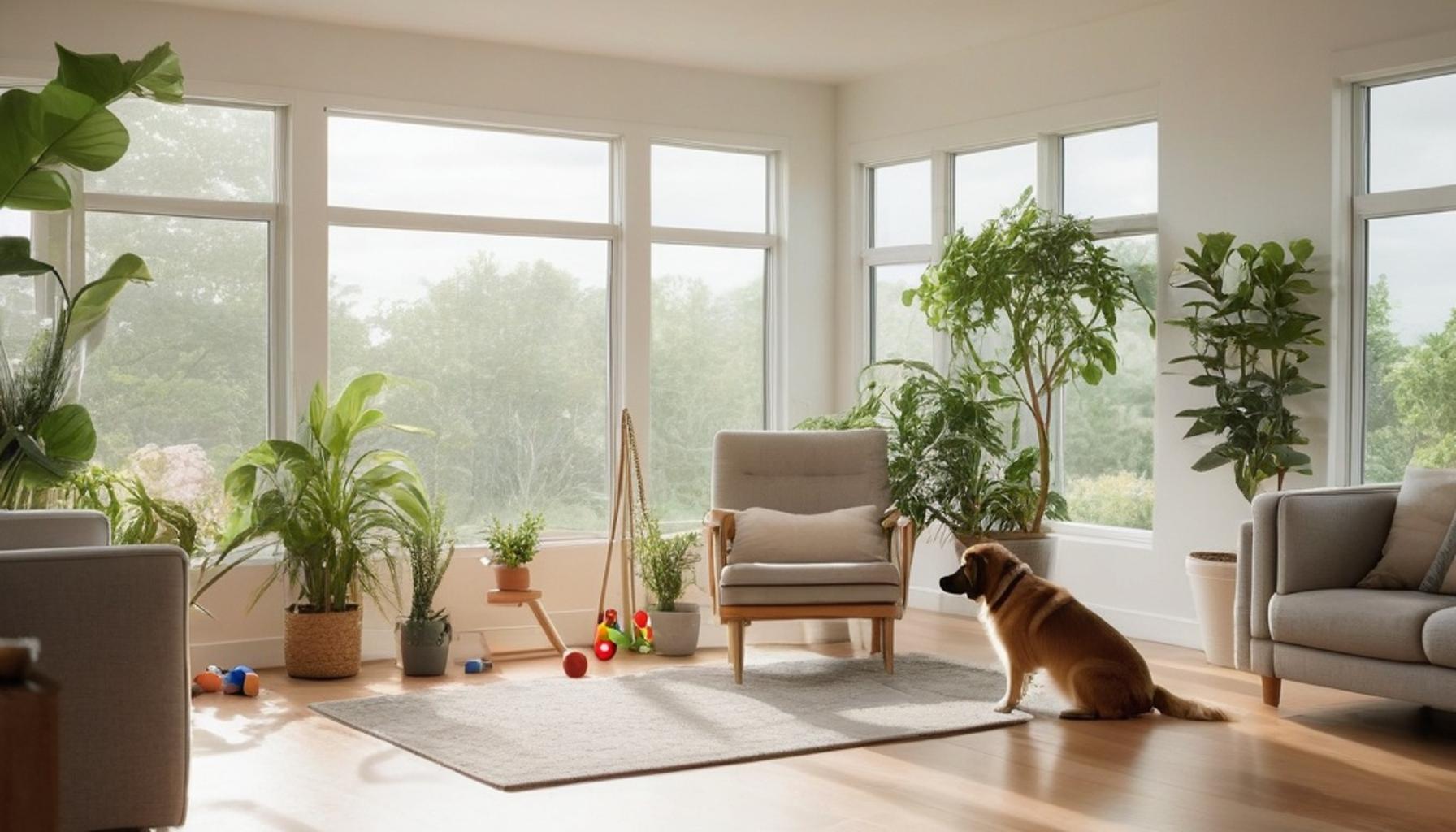
Why Indoor Pets Need More Than Just a Roof Over Their Heads
Across many homes in Lagos, Abuja, and Port Harcourt, dogs and cats are increasingly living indoors, shielded from traffic, extreme heat, and outdoor parasites. As more Nigerian families move into apartments and gated estates, this shift toward indoor living has become a practical choice for busy urban pet owners. But this comfort comes with a hidden cost that many pet owners overlook.
Confined spaces, if not properly managed, can quietly breed stress, boredom, and hygiene-related health issues. A dog left alone in a small flat for hours, or a cat confined to one room without stimulation, may develop behavioral problems that eventually manifest as physical ailments. This is where Environmental Enrichment for Pets becomes a game-changer for modern pet care.
What Exactly Is Environmental Enrichment?
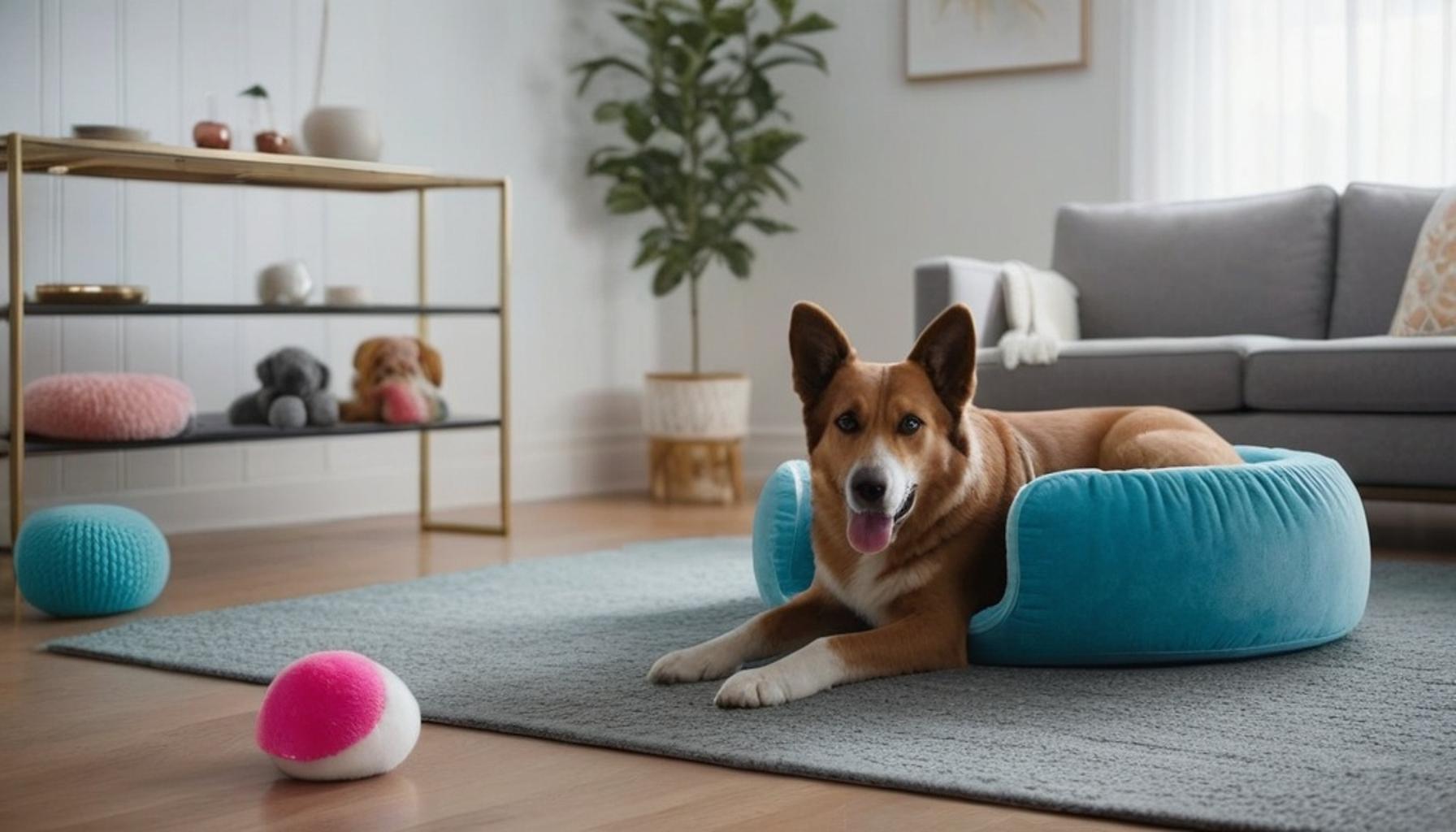
Environmental enrichment refers to intentional changes in a pet’s living space that stimulate their senses and natural instincts. It is not a luxury—it is a preventive health strategy backed by veterinary science. Veterinarians across Nigeria are beginning to notice a rise in stress-related conditions among indoor pets, particularly in households where enrichment is minimal.
- Interactive toys that mimic hunting or foraging behavior
- Scratching posts and climbing structures for cats
- Scheduled play sessions to release pent-up energy
- Rotating novel objects to prevent boredom
- Puzzle feeders that slow down eating while engaging the mind
- Window perches that allow cats to observe outdoor activity safely
These elements do more than entertain; they directly influence dog hygiene tips and cat health prevention routines that owners often underestimate. A dog with enough physical outlets is less likely to develop anxiety-driven habits, while a mentally stimulated cat maintains better self-grooming patterns naturally.
The Hygiene Connection Few People Talk About
Bored or stressed pets tend to over-groom, chew excessively, or neglect self-cleaning altogether. Both extremes can lead to skin infections, matting, and parasite infestations. In humid climates like those found in Port Harcourt, untreated skin issues can escalate quickly due to moisture and heat.
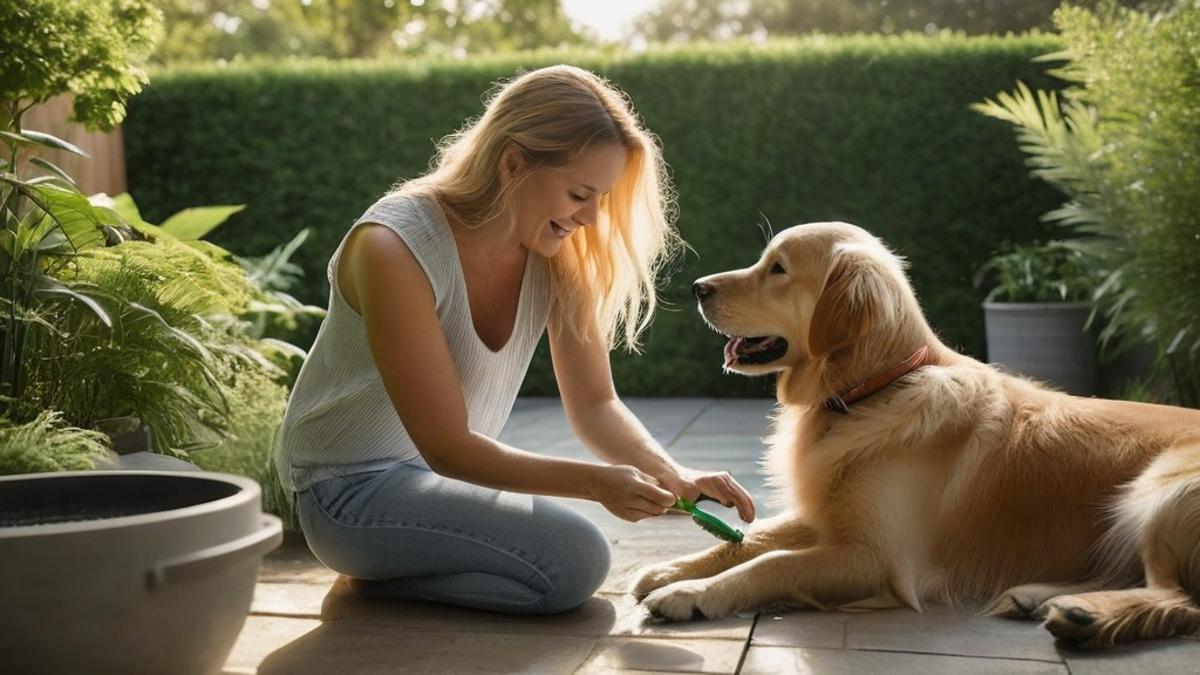
Proper indoor pet care combines enrichment with hygiene habits, creating a home environment where diseases have fewer chances to develop. Simple additions like weekly brushing schedules, clean bedding, and designated play zones work hand in hand with enrichment tools to reduce veterinary visits significantly.
This article explores practical enrichment activities for pets and explains the importance of pet hygiene in preventing common health issues faced by Nigerian pet owners today.
ADDITIONAL INSIGHTS: Expand your understanding here
The Science Behind Stress, Boredom, and Physical Health in Pets
Veterinary behaviorists have long established a link between mental stimulation and physical wellness in companion animals. When a dog or cat lacks adequate Environmental Enrichment for Pets, the body responds much like it does under chronic stress in humans. Cortisol levels rise, immune function weakens, and the animal becomes more susceptible to skin conditions, digestive upset, and behavioral disorders that mimic illness.
This is particularly relevant in Nigerian households where pets often spend long hours alone while owners commute through Lagos traffic or work extended shifts in Abuja’s business districts. A cat locked in a quiet apartment for eight hours daily, with no stimulation, is not simply “resting.” It is often entering a state of sensory deprivation that triggers compulsive behaviors. Research from animal behavior institutes abroad suggests that prolonged understimulation can alter neurotransmitter activity, reducing serotonin production in a manner comparable to depressive states observed in humans confined to isolated environments.
Veterinarians in Nigeria are increasingly reporting cases where the presenting complaint appears purely physical—flaky skin, hair loss, or intestinal discomfort—yet the underlying cause traces back to a lack of stimulation. This overlap between mind and body is why some clinics now ask detailed lifestyle questions before jumping straight to medication.
Common Warning Signs Owners Often Miss
Many pet owners mistake enrichment deficiency for normal pet behavior. Recognizing the signs early can prevent costly veterinary interventions later.
- Excessive licking or chewing of paws and flanks
- Sudden disinterest in grooming, leading to matted fur
- Destructive scratching on furniture or walls
- Repetitive pacing or circling within small spaces
- Loss of appetite or, conversely, overeating out of boredom
- Increased vocalization, especially in cats confined indoors
- Withdrawal or hiding for unusually long periods, even when familiar people are present
Each of these symptoms connects directly to hygiene outcomes. A dog that chews its own coat obsessively, for instance, creates open sores that invite bacterial infection—especially problematic in Nigeria’s humid coastal cities like Port Harcourt, where bacteria and fungi thrive in warm, moist conditions. In drier northern regions such as Kano, dust and heat can worsen already irritated skin, turning a minor behavioral habit into a persistent dermatological issue that lingers for weeks.
Why Prevention Costs Less Than Treatment
Nigerian pet owners frequently underestimate how much a single skin infection or parasite outbreak can cost in veterinary fees. Treating a moderate bacterial skin infection can run into several thousand naira once consultation, medication, and follow-up visits are factored in—costs that escalate quickly if the condition is left untreated during a busy work week. A basic enrichment routine, by contrast, requires minimal investment and yields measurable returns in cat health prevention and canine wellbeing.
Introducing structured enrichment activities for pets does not require expensive imported products. Local materials—cardboard boxes, repurposed containers, or homemade puzzle feeders using rice and treats—can achieve similar results to commercial enrichment tools sold abroad. Even simple additions like a scratching post made from sisal rope, or a paper bag filled with crumpled newspaper, can occupy a curious cat for extended periods.
The connection between mental engagement and physical hygiene is not coincidental. Pets that feel secure and mentally satisfied groom themselves more consistently, maintain healthier skin oils, and show fewer signs of matting or odor. This makes enrichment one of the most overlooked yet effective components of comprehensive indoor pet care strategies available to Nigerian households today, offering a practical path toward healthier, calmer animals without straining household budgets.
LEARN MORE: This related article may interest you
# Practical Enrichment Strategies That Strengthen Hygiene RoutinesBuilding an effective enrichment plan does not demand a complete overhaul of household habits. Nigerian pet owners can integrate small, consistent changes that yield measurable improvements in both behavior and physical condition over time.
Rotating Toys and Sensory Stimulation
Cats and dogs habituate quickly to unchanging environments. A toy left in the same corner for weeks eventually becomes invisible to the animal’s attention span. Rotating three or four items weekly—switching between textured balls, feather wands, or chew ropes—keeps curiosity alive and reduces the likelihood of destructive substitute behaviors like chewing furniture or licking wounds into existence.Scent-based stimulation also works well in Nigerian climates. Introducing safe herbs like catnip, or allowing dogs to sniff through a “snuffle mat” made from old fabric strips, taps into natural foraging instincts. This form of Environmental Enrichment for Pets lowers anxiety levels, which directly correlates with reduced excessive grooming and skin trauma.
Structured Feeding as a Hygiene Tool
Many households in Nigeria feed pets from a single bowl placed in the same spot every day. While convenient, this routine eliminates an opportunity for mental engagement. Puzzle feeders or scattered feeding—tossing kibble across a clean section of tiled floor—forces slower eating and mimics natural hunting patterns.Slower eating has a direct hygiene benefit too. Dogs that gulp food rapidly are more prone to regurgitation and digestive discomfort, which often leads to soiled bedding or flooring that must be cleaned repeatedly. Encouraging measured eating through enrichment-based feeding supports both digestive stability and a cleaner living space.
Vertical Space and Territory for Cats
Cats confined to ground-level living without climbing options often develop stress-related conditions, including overgrooming that leads to bald patches. Adding vertical territory—a repurposed shelf, a stable wardrobe top the cat can access, or a simple cat tree—gives felines a sense of security and observation points that reduce anxiety.This matters for cat health prevention because reduced stress translates into fewer urinary tract flare-ups, a condition veterinarians in Lagos and Ibadan report frequently among indoor cats with limited mobility options.
Simple Daily Practices Owners Can Start Immediately
- Rotate two to three toys weekly instead of leaving the same ones out permanently
- Use puzzle or scatter feeding at least three times per week
- Dedicate ten minutes daily to interactive play, such as chasing a wand toy or fetching
- Provide a designated scratching or digging surface to redirect natural instincts
- Rearrange furniture or resting spots occasionally to introduce novelty
These small adjustments align directly with the broader importance of pet hygiene, since animals engaged in regular enrichment activities show fewer compulsive behaviors that damage skin, coat, and digestive health. For Nigerian households balancing tight schedules and limited resources, these low-cost strategies offer a sustainable path toward calmer, healthier pets without requiring specialized equipment or frequent veterinary visits.
YOU MAY ALSO LIKE: Read read another article
Rethinking What Healthy Pet Ownership Really Means
The connection between a stimulated mind and a clean, healthy body is not a minor detail in pet care—it is central to it. Across Lagos apartments, Abuja compounds, and Port Harcourt bungalows, the same pattern repeats: pets with limited mental engagement develop the very hygiene problems owners struggle hardest to control. Environmental Enrichment for Pets is not a luxury reserved for foreign pet culture; it is a practical, low-cost necessity for Nigerian households navigating indoor living.
Connecting the Dots Between Behavior and Hygiene
Throughout this article, one theme has remained constant. Boredom and stress do not stay confined to behavior alone—they surface as skin lesions, matted fur, digestive upset, and soiled living spaces. Addressing these issues at the surface level, through frequent baths or repeated cleaning, only treats symptoms. Real prevention starts with addressing the underlying restlessness through consistent enrichment activities for pets.
A Call for Practical, Sustainable Habits
Nigerian pet owners do not need imported gadgets or expensive subscriptions to achieve this balance. Repurposed household items, ten minutes of daily play, and small routine changes carry measurable impact. These habits fall squarely within broader indoor pet care practices that any household can adopt regardless of income level or living space size.
Veterinary professionals across Nigerian cities continue to observe a clear pattern: pets receiving regular mental stimulation present fewer chronic skin, digestive, and urinary complaints. This reinforces a simple truth worth repeating—dog hygiene tips and cat health prevention strategies are incomplete without an enrichment component built into daily routines.
Ultimately, the importance of pet hygiene extends beyond soap and water. It begins with a curious, engaged animal whose environment supports its natural instincts. Owners who embrace this fuller understanding position their pets—and their households—for fewer health setbacks and calmer, cleaner living long term.
Frequently Asked Questions
How does environmental enrichment for pets help reduce hygiene problems in Nigerian homes with limited outdoor space?
Environmental enrichment for pets, such as scratching posts, puzzle feeders, and designated litter or potty areas, reduces boredom-driven behaviors like excessive licking, chewing, or house soiling. This is especially useful in Lagos and Abuja apartments where dogs and cats spend most of their time indoors due to security concerns or limited compound access. Keeping pets mentally stimulated lowers stress hormones that can weaken their immune system and make them prone to skin infections or urinary issues. Simple items like cardboard boxes or homemade toys can achieve this without needing costly imports.
Can lack of environmental enrichment cause skin and coat problems in dogs and cats kept indoors in humid Nigerian climates?
Yes, pets confined indoors without stimulation often over-groom or scratch excessively out of stress, which can worsen skin issues in Nigeria’s humid climate where fungal and bacterial infections thrive. Boredom also reduces a pet’s natural activity level, leading to poor circulation and dull coats. Providing climbing shelves for cats or interactive toys for dogs encourages movement, which supports healthier skin and better grooming habits. Regular play sessions also help owners spot skin abnormalities early during handling.
What affordable environmental enrichment tools can Nigerian pet owners use to prevent stress-related illnesses in dogs and cats?
Nigerian pet owners can use budget-friendly options like empty plastic bottles for treat-dispensing toys, old towels for scratch or dig mats, and repurposed boxes for hideouts, all of which stimulate natural behaviors. These tools reduce anxiety-related conditions such as digestive upset, urinary tract issues in cats, and compulsive licking in dogs. Rotating toys weekly keeps pets engaged without requiring frequent purchases from pet stores, which can be expensive or hard to find in some cities. This approach makes preventive health care more accessible for average households.
How does environmental enrichment support preventive health checks for indoor pets in Nigeria?
When pets are enriched with climbing structures, sensory toys, or supervised outdoor time in secured compounds, owners naturally handle them more often, making it easier to notice early signs of illness like lumps, ticks, or behavioral changes. This regular interaction encourages consistent grooming routines, which help detect fleas or skin conditions common in Nigeria’s warm weather before they escalate. Enrichment also reduces obesity risk by promoting movement, a key preventive measure since indoor pets in Nigerian homes often have limited exercise space. Combining enrichment with routine vet visits strengthens overall disease prevention.

Linda Carter
Linda Carter is a writer and pet care expert specializing in pet health, grooming, and wellness. With extensive experience helping pet owners create safe, loving, and enriching environments for their animals, Linda shares her knowledge on our platform. Her goal is to empower readers with practical advice and strategies to ensure their pets thrive and lead joyful, healthy lives.