
Environmental Enrichment and Its Implications for the Nutrition and Behavior of Pets
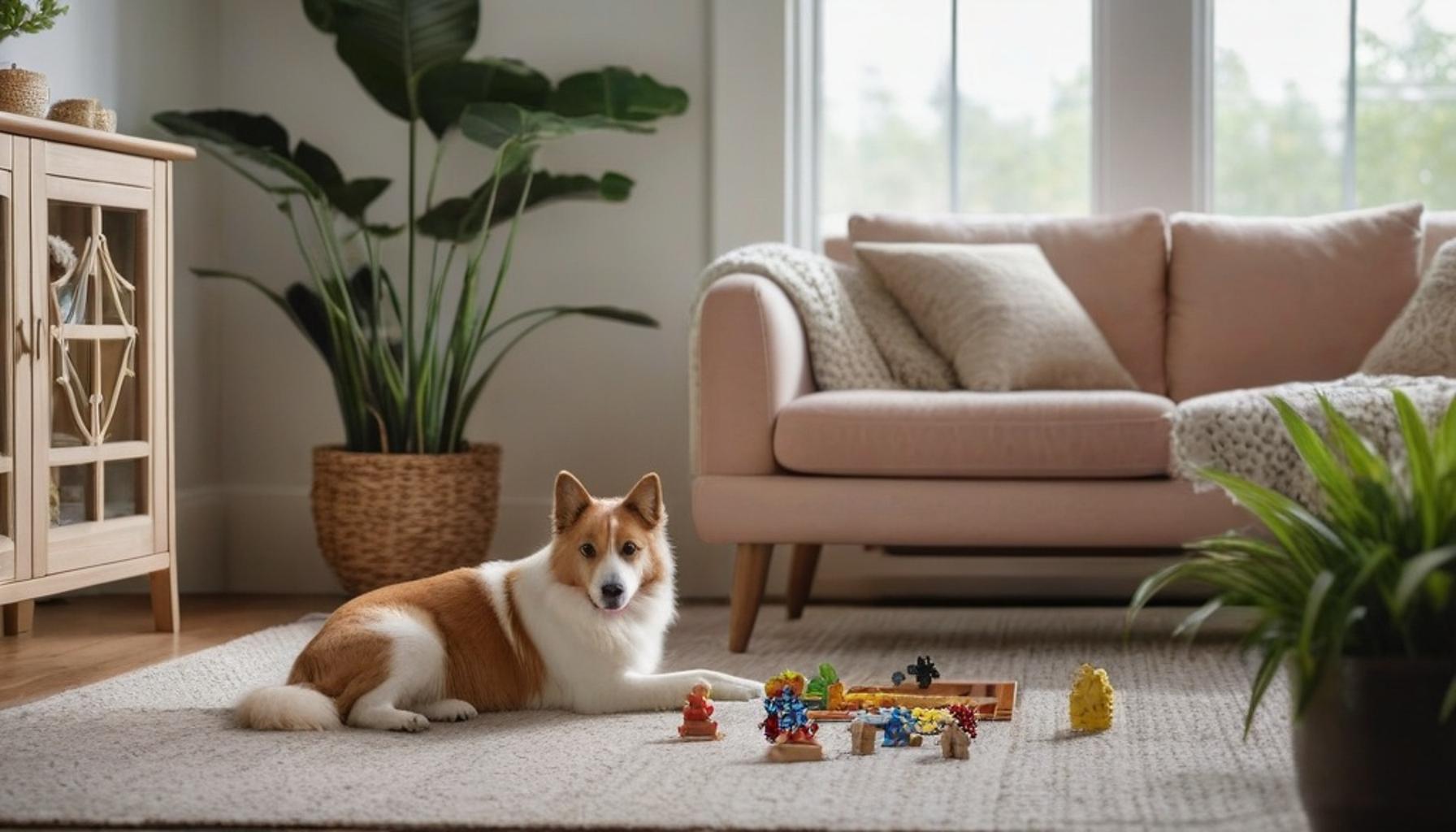
Why Your Pet’s Environment Matters More Than You Think
Picture a Nigerian household where a dog paces endlessly by the gate, or a cat scratches furniture despite having every basic need met. These behaviors often signal something deeper: boredom and understimulation, not disobedience. Across Lagos, Abuja, and Port Harcourt, veterinarians report a steady rise in pets exhibiting destructive habits that owners simply cannot explain through diet or health checks alone.
Environmental Enrichment for Pets addresses exactly this gap. It refers to intentional changes in an animal’s surroundings that stimulate natural instincts, curiosity, and movement. Think of it as designing a pet’s world the way a good architect designs a home, with purpose, variety, and room to grow.
The Connection Between Enrichment, Nutrition, and Behavior
Many pet owners focus solely on food quality, overlooking how pet nutrition and behavior are deeply intertwined with mental stimulation. A well-fed pet can still develop anxiety, aggression, or destructive habits without proper enrichment. This surprises many first-time pet owners who assume premium feed alone guarantees a content animal.
Research shows that animals lacking stimulation often overeat or refuse food altogether, disrupting their metabolic health. A dog left alone in a compound all day, with nothing but a food bowl for company, may develop compulsive eating patterns or, conversely, lose interest in meals entirely. This is where enrichment activities for pets become essential, not optional. Veterinary studies across West Africa increasingly link stress hormones to irregular appetite cycles, suggesting that what happens in a pet’s mind directly shapes what happens in its stomach.
What This Article Will Explore
Nigerian pet owners are increasingly seeking practical, affordable solutions for happier, healthier animals. With rising awareness through social media pet communities and local veterinary outreach programs, more households are asking how they can do better without breaking the bank. This article breaks down the benefits of environmental enrichment through actionable insights that fit realistically into Nigerian home settings.
- How enrichment reduces stress-related eating disorders in pets
- Simple, budget-friendly enrichment tools using local materials such as recycled containers, sisal rope, and everyday household items
- Signs your pet may be understimulated, including excessive barking, repetitive licking, or sudden aggression
- Practical pet care tips Nigeria owners can implement immediately, tailored to both urban apartments and larger compound settings
By the end, you’ll understand how improving pet well-being goes beyond food bowls and walks. It’s about creating an environment where pets can think, explore, and thrive, transforming ordinary living spaces into places of genuine curiosity and calm. The information ahead invites every pet owner to look closer, question old habits, and consider what their animal companion might truly be missing.
SEE ALSO: The Importance of Nutrition in Hygiene and Preventive Health of Dogs and Cats in Indoor Environments
# The Science Behind a Pet’s Need to Explore
Understanding the Biology of Boredom
Every domesticated animal still carries instincts from its wild ancestors. Dogs descend from wolves that hunted across miles of territory daily. Cats evolved as solitary hunters, stalking prey through varied terrain. When these animals live in a Lagos flat or a fenced Abuja compound, their bodies remain wired for activity their environment no longer demands.
Environmental Enrichment for Pets works because it satisfies these ancient instincts through modern, manageable means. Without it, animals experience what veterinary behaviorists call understimulation syndrome, a state where mental energy has nowhere productive to go.
This unspent energy rarely disappears. Instead, it resurfaces as chewed furniture, incessant barking, or obsessive grooming that leaves bald patches on a cat’s coat. In many Nigerian households, this pattern shows up in unexpected places, from shredded slippers by the door to gnawed electrical cables that owners initially blame on rodents. The truth is often less mysterious than it seems: a bored animal will find something to do, whether that something is welcome or not.
Consider the average estate dog in Port Harcourt or Ibadan, confined to a small compound with little more than a food bowl and a patch of shade. Compare this to its ancestral counterpart, which would have covered several kilometers in a single day, navigating scents, sounds, and social encounters. The contrast is stark, and the body does not simply forget what it once needed.
How Stress Rewires Appetite
The link between pet nutrition and behavior becomes clearer when examined through hormones. Chronic understimulation triggers elevated cortisol levels in animals, similar to how prolonged stress affects humans. This hormone doesn’t just affect mood; it directly interferes with digestion and hunger signals.
Some pets respond to this stress by eating rapidly and excessively, seeking comfort through food. Others lose appetite entirely, becoming selective or disinterested during mealtimes their owners once considered routine. A dog that once finished its bowl within minutes might suddenly leave food untouched for hours, prompting worried owners to assume illness when the real culprit is unmet mental need.
Nigerian veterinary clinics have documented cases where switching a pet’s feed brand failed to resolve digestive complaints, only for symptoms to improve once enrichment activities were introduced instead. The stomach, it turns out, often reflects the state of the mind. This connection challenges the common assumption that every feeding issue demands a dietary solution, suggesting instead that some problems begin far from the food bowl.
Recognizing the Warning Signs
Identifying understimulation early prevents more serious behavioral and nutritional complications. Pet owners should watch for these common indicators:
- Pacing along fences or walls for extended periods without clear purpose
- Sudden weight gain or loss unrelated to any change in feeding routine
- Destructive chewing, digging, or scratching beyond normal exploratory behavior
- Excessive vocalization, particularly in dogs left alone for long stretches
- Repetitive behaviors such as tail-chasing, over-grooming, or licking one spot repeatedly
These signs often appear gradually, making them easy to dismiss as personality quirks rather than genuine distress signals. Recognizing them early allows owners to intervene before habits become deeply ingrained. A dog labeled simply as “stubborn” or a cat dismissed as “just moody” may in fact be communicating something far more specific about its unmet needs.
The benefits of environmental enrichment extend beyond simply stopping bad behavior. They restore a sense of agency to animals whose daily lives are otherwise dictated entirely by their owners’ schedules, homes, and routines. Something as simple as scattering food around a compound instead of serving it in a bowl, or introducing a new scent trail during evening walks, can reintroduce the mental engagement these animals were built for. The question worth asking is not whether pets need this stimulation, but how many Nigerian households are unknowingly withholding it.

Key Aspects of Environmental Enrichment for Pets and Their Impact on Nutrition and Behavior
Understanding how Environmental Enrichment for Pets shapes daily routines can transform the way owners approach pet nutrition and behavior. Below is a quick-reference table highlighting the core elements every pet parent should know before diving deeper into this fascinating subject.
| Category | Key Insight |
|---|---|
| Feeding Puzzles | Slow down eating, reduce obesity risk, and stimulate natural foraging instincts. |
| Enrichment Activities for Pets | Toys, scent trails, and climbing structures curb boredom-driven destructive behavior. |
| Behavioral Benefits | Improving pet well-being lowers anxiety, aggression, and excessive vocalization. |
| Nutritional Synergy | Combining enrichment with balanced diets supports metabolism and digestive health. |
| Local Application | Practical pet care tips Nigeria owners can adapt using affordable, homemade enrichment tools. |
These benefits of environmental enrichment reveal why a single change in routine can ripple across a pet’s physical and emotional health, encouraging owners to explore even more targeted strategies.
SEE ALSO: Behavior Management Through Environmental Enrichment and Proper Nutrition for Dogs and Cats
Turning Feeding Time Into a Mental Workout
Once owners understand the link between stimulation and appetite, the next logical step is action. Enrichment activities for pets do not require imported gadgets or expensive equipment. Many effective tools can be improvised from items already sitting in a Nigerian kitchen or storeroom.
Puzzle feeders, for instance, transform a mundane bowl of kibble into a problem-solving exercise. An empty plastic bottle with holes cut into it can hold dry food, forcing a dog to roll and nudge it until pellets fall out. This single change slows down eating, engages the mind, and mimics the effort wild animals would spend foraging.
Cats respond similarly to hidden food challenges. Placing small portions of a cat’s daily ration in different corners of a room, rather than one bowl, encourages the kind of searching behavior that stalking ancestors once relied on for survival. Some Lagos-based pet owners have started freezing wet food inside ice cubes during hot afternoons, giving cats a slow-melting puzzle that doubles as cooling relief.
Interestingly, this trend is not limited to cats and dogs. Some households keeping rabbits or even chickens as backyard pets have started experimenting with similar hide-and-seek feeding tricks, scattering pellets across straw or leaves instead of pouring them directly into a trough. The underlying principle remains the same regardless of species: an animal that works for its food tends to display calmer, more contented behavior afterward.
Why Variety Matters More Than Quantity
Improving pet well-being is rarely about giving animals more food or more toys. It is about introducing variety in how those resources are presented. Veterinary nutritionists note that animals fed the same way every single day, at the same time, from the same container, gradually lose interest in the ritual altogether.
Rotating feeding methods weekly keeps curiosity alive. A dog might receive its meal from a puzzle feeder on Monday, scattered across grass on Wednesday, and hidden inside a cardboard box on Friday. This unpredictability, far from causing stress, actually replicates the natural inconsistency of hunting in the wild.
Data from animal behavior studies conducted abroad suggest that dogs engaged in food-based problem solving show measurably lower heart rates during subsequent rest periods compared to those fed conventionally. While Nigerian-specific research remains limited, local veterinarians increasingly echo this observation in clinical settings, particularly among urban dogs kept indoors for long stretches of the day.
Some clinics in Abuja and Port Harcourt have begun recommending simple observation exercises to clients: track how long a pet spends sniffing, pawing, or circling its food source before eating. A longer engagement time, they argue, is not a sign of confusion but a marker of healthy mental activity.
Practical Pet Care Tips for Nigerian Households
Adapting enrichment practices to fit Nigerian living conditions does not demand a complete lifestyle overhaul. Consider these accessible pet care tips Nigeria pet owners can apply almost immediately:
- Use old plastic containers or sacks as makeshift foraging toys instead of buying imported puzzle feeders
- Rotate walking routes around the neighborhood to expose dogs to new scents and sounds
- Introduce climbing spaces for cats using stable shelves or repurposed furniture
- Set aside ten to fifteen minutes daily purely for interactive play, separate from feeding time
- Involve children in the household in supervised enrichment games to strengthen the pet’s social engagement
These small adjustments carry weight beyond entertainment. They directly influence how efficiently an animal digests food, how calmly it behaves indoors, and how it interacts with visitors or other household pets. The connection between environment and biology, once dismissed as minor, is increasingly difficult for pet owners and veterinarians alike to ignore.
As more Nigerian households shift from viewing pets purely as guards or companions toward treating them as family members with psychological needs, enrichment is likely to move from a niche concern to a standard expectation. The question worth asking, perhaps, is not whether such practices work, but how quickly local pet culture will catch up with what the evidence already suggests.
CHECK OUT: The Impact of Nutritional Care on Behavior Management and Environmental Enrichment in Pets
Rethinking What Nigerian Pets Truly Need
Pulling these threads together, one conclusion becomes difficult to avoid: Environmental Enrichment for Pets is not a passing trend borrowed from foreign pet culture. It is a practical response to how animals are biologically wired to eat, explore, and think.
Throughout this discussion, the evidence has pointed toward a single reality. Pet nutrition and behavior are not separate categories to be managed independently. A dog left with nothing to do all day will eventually treat food differently than one whose environment offers daily mental challenges. The bowl itself rarely changes, but the animal’s relationship with it does.
The benefits of environmental enrichment extend beyond entertainment value. Slower eating habits, reduced anxiety, better digestion, and calmer household behavior are measurable outcomes, not vague promises. For Nigerian families balancing tight schedules and unpredictable weather, these benefits arrive without requiring significant financial investment.
What stands out most is accessibility. Improvised puzzle feeders, rotated walking routes, and scattered feeding techniques prove that improving pet well-being does not depend on imported products or specialized budgets. It depends on attention, consistency, and a willingness to experiment with everyday household items.
Veterinary observations from Lagos, Abuja, and Port Harcourt suggest that awareness is growing steadily, even if formal local research remains limited. As more clinics document behavioral improvements linked to enrichment, skepticism is likely to fade further.
For any household still undecided, the practical pet care tips Nigeria outlined throughout this article offer a low-risk starting point. Introducing even one enrichment habit weekly could reveal noticeable changes within a matter of days.
Ultimately, the shift toward enrichment reflects a broader change in how pets are valued. No longer just companions fed out of habit, they are increasingly recognized as animals with minds worth stimulating, one mealtime at a time.
Frequently Asked Questions
What is environmental enrichment for pets and why does it matter for dogs and cats in Nigeria?
Environmental enrichment involves adding stimulating activities, toys, and challenges to a pet’s living space to mimic natural behaviors like foraging, hunting, and exploring. For pets in Nigeria, where many are kept indoors or in compounds for security reasons, enrichment helps prevent boredom, destructive behavior, and obesity. It also improves mental health, reducing stress-related issues common in confined urban settings like Lagos or Abuja.
How does environmental enrichment affect a pet’s eating habits and nutrition?
Enrichment tools like puzzle feeders or treat-dispensing toys slow down eating, which aids digestion and prevents overeating, a common issue with local dogs fed once daily. It also encourages natural foraging instincts, making mealtime mentally stimulating rather than just a routine. This can improve nutrient absorption and reduce obesity-related health problems, which are increasingly seen in pampered urban pets.
Can I create affordable environmental enrichment tools using materials available in Nigeria?
Yes, you can use empty plastic bottles, cardboard boxes, or old socks stuffed with treats as DIY puzzle feeders for dogs and cats. Local materials like calabashes or woven baskets can also be repurposed into scratching posts or hideouts for cats. These budget-friendly options are effective substitutes for expensive imported pet enrichment products.
What are the signs that my pet needs more environmental enrichment?
Common signs include excessive barking, chewing on furniture, digging in compounds, or repetitive pacing, which indicate boredom or pent-up energy. Cats may show similar frustration through scratching furniture or excessive meowing. If you notice these behaviors in your pet, especially those kept indoors most of the day due to security concerns, introducing enrichment activities can help redirect their energy positively.
How does environmental enrichment help reduce aggressive or destructive behavior in guard dogs?
Many Nigerian households keep guard dogs like Alsatians or local breeds chained or confined for security, which can lead to frustration and aggression. Providing chew toys, regular exercise, and interactive play reduces this pent-up energy and improves their temperament. Enriched guard dogs tend to be calmer, more alert, and easier to manage while still being effective at protecting the home.

Linda Carter
Linda Carter is a writer and pet care expert specializing in pet health, grooming, and wellness. With extensive experience helping pet owners create safe, loving, and enriching environments for their animals, Linda shares her knowledge on our platform. Her goal is to empower readers with practical advice and strategies to ensure their pets thrive and lead joyful, healthy lives.