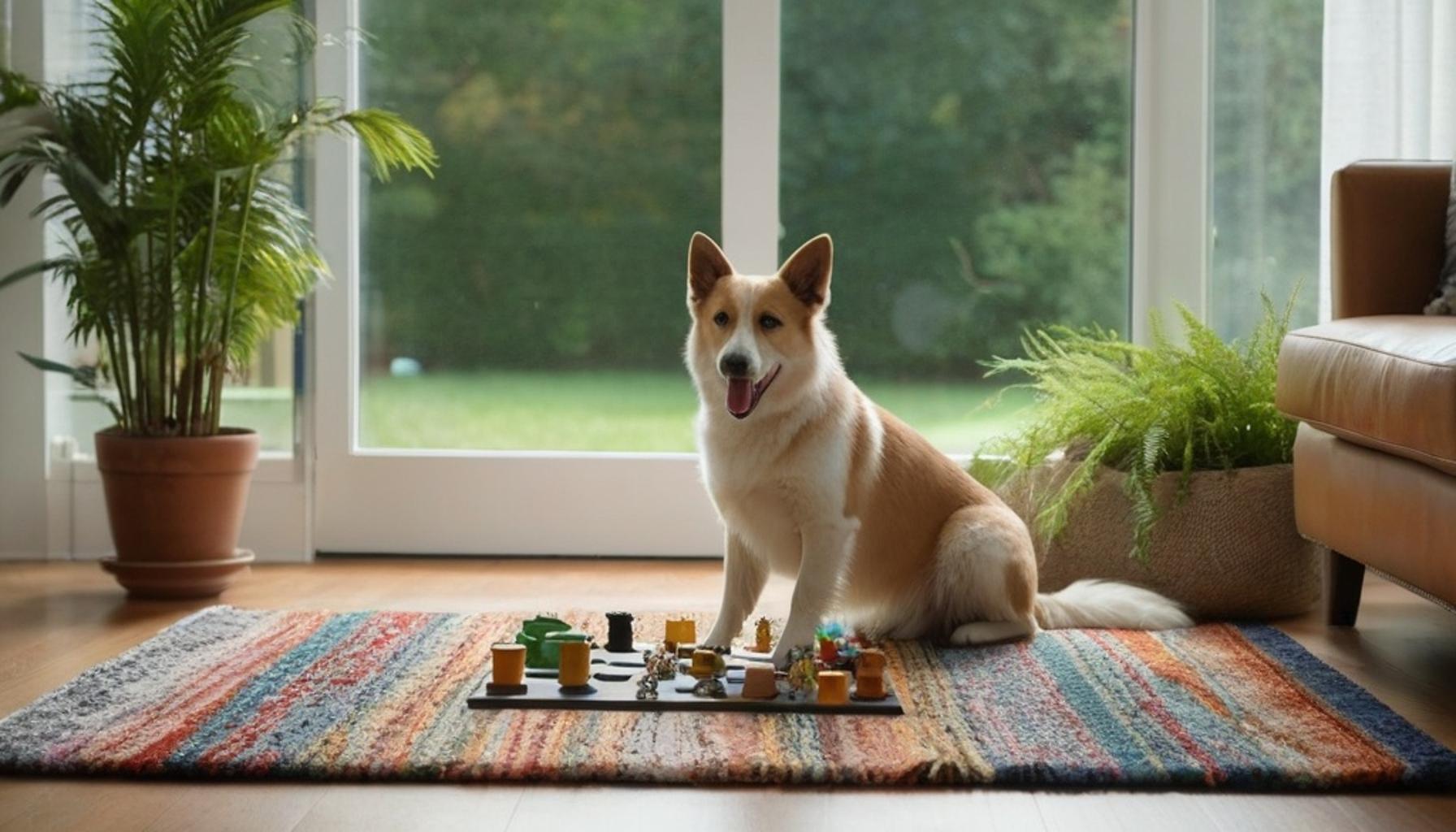
Nutritional Care and Hygiene: Crucial Factors for the Health of Pets in Indoor Environments

Why Indoor Pets Deserve Special Attention
More Nigerian households in cities like Lagos, Abuja, and Port Harcourt are welcoming dogs, cats, and even rabbits into their apartments. This shift towards pet care in Nigeria comes with unique challenges that outdoor pet owners rarely face. As high-rise living becomes more common in urban centers, many families are discovering that raising a pet indoors requires a completely different approach compared to the traditional compound-style dog rearing many Nigerians grew up with.
Indoor pets are exposed to a controlled but sometimes limiting environment. Without proper attention to Nutritional Care for Pets, health issues can develop silently over months. Unlike pets that roam freely in a backyard, indoor animals rely entirely on their owners for stimulation, movement, and dietary balance, making every feeding decision far more significant than most people realize.
The Hidden Risks of Indoor Living
Confined spaces mean less natural exercise and exposure to fresh air. This makes indoor pet health heavily dependent on what owners provide daily. Veterinarians across major Nigerian cities have reported a noticeable rise in weight-related complaints among apartment pets, particularly cats that spend most of their day indoors with minimal enrichment.
- Reduced physical activity leading to obesity
- Higher risk of bacterial buildup from litter boxes and feeding bowls
- Limited access to fresh water sources
- Increased stress from confined spaces
Studies suggest that up to 40% of indoor pets in urban settings show signs of poor dietary habits by age three. This statistic alone highlights why understanding best pet nutrition practices matters now more than ever. Many owners unknowingly contribute to these issues by feeding table scraps or inconsistent meal schedules, a habit that seems harmless but gradually undermines an animal’s digestive health.
Two Pillars That Cannot Be Ignored
Hygiene and nutrition work together, not separately. Neglecting one often accelerates problems in the other. A dirty feeding bowl, for instance, can quickly contaminate even the healthiest meal, turning a nutritious diet into a source of infection.
- Feeding indoor pets balanced meals appropriate to their breed and age
- Regular cleaning of feeding areas and sleeping spaces
- Consistent grooming routines to prevent skin infections
- Fresh water changed at least twice daily
Simple pet hygiene tips combined with informed feeding choices can dramatically extend a pet’s lifespan. Nigerian pet owners who invest early in these routines often notice fewer vet visits and calmer, more energetic animals. The following sections explore practical strategies every Nigerian pet owner should consider.
SEE ALSO: The Importance of Hygiene in the Health Routine of Dogs and Cats in Indoor Environments
Understanding What Nutritional Care for Pets Really Means
Nutritional Care for Pets goes far beyond simply filling a bowl twice a day. It involves understanding portion sizes, ingredient quality, and how an animal’s dietary needs shift with age, breed, and activity level. A Lagos apartment cat, for example, burns significantly fewer calories than a dog that gets walked around an Abuja estate every evening, yet many owners feed both animals using the same generic approach.
Local pet food options have expanded rapidly across Nigerian markets, but not every product on the shelf meets the nutritional standards indoor animals require. Some commercial feeds contain excessive fillers, low protein content, or preservatives that trigger allergies over time. Reading labels carefully has become a necessary skill for anyone serious about pet care in Nigeria.
What a Balanced Diet Actually Looks Like
Veterinary nutritionists generally recommend that indoor dogs and cats receive meals built around lean protein, moderate healthy fats, and controlled carbohydrates. Unlike outdoor animals that might supplement their diet through scavenging, indoor pets have zero margin for nutritional gaps because they consume only what is placed in front of them.
- Protein sources like chicken, fish, or eggs for muscle maintenance
- Limited grains to avoid unnecessary weight gain
- Occasional vegetables such as carrots or pumpkin for fiber
- Age-appropriate portions rather than free feeding all day
Interestingly, some Nigerian pet owners still believe that leftover jollof rice, bones from soup, or heavily seasoned scraps make suitable meals for dogs and cats. While this practice feels normal in traditional compound settings, it becomes far riskier in indoor environments where portion control and ingredient awareness matter more. Onions, excessive salt, and spicy seasoning common in Nigerian cooking can quietly damage a pet’s kidneys or digestive lining over months of repeated exposure.
Why Feeding Schedules Matter More Indoors
Feeding indoor pets on a consistent schedule does more than prevent obesity. It regulates digestion, reduces anxiety-driven behavior, and helps owners detect early signs of illness when appetite suddenly changes. Cats, in particular, are known for masking discomfort, so an owner tracking feeding patterns closely will notice irregularities faster than one who feeds inconsistently.
Establishing set mealtimes, ideally two to three times daily depending on the animal, creates a predictable routine that supports long-term indoor pet health. This structure becomes the foundation upon which every other hygiene and wellness practice is built, a point the next sections will explore in greater detail.

LEARN MORE: This related article may interest you
Hygiene Practices That Protect Indoor Pets from Hidden Health Risks
Feeding an animal correctly solves only half the equation. The other half lies in pet hygiene tips that many indoor households overlook until a problem surfaces. Enclosed spaces trap bacteria, shed fur, and food residue far more efficiently than open compounds, which means hygiene routines carry heavier consequences indoors than they would outside.
A dog kept in a Port Harcourt flat, for instance, doesn’t have access to fresh grass or natural sunlight exposure that once helped regulate skin conditions in traditional outdoor settings. Instead, everything from grooming frequency to litter disposal becomes the owner’s direct responsibility. This shift in responsibility is one that many Nigerian households are still adjusting to, as urban living continues to reshape how animals are raised and maintained.
The Overlooked Role of Feeding Bowls and Water Dishes
Few Nigerian pet owners realize that unwashed feeding bowls rank among the leading causes of digestive infections in cats and dogs. Bacteria such as Salmonella and E. coli multiply quickly on residue left in plastic bowls, especially in warm, humid climates typical of most Nigerian cities. What seems like a harmless film of leftover food or water can, within hours, become a breeding ground for organisms capable of triggering vomiting, diarrhea, and long-term gut imbalances.
- Wash bowls daily with hot water and mild soap, not just a rinse
- Replace plastic bowls with stainless steel or ceramic where possible
- Change drinking water at least twice daily, more during hot seasons
- Inspect bowls weekly for cracks that harbor bacteria
This single habit, often ignored, directly supports best pet nutrition outcomes because contaminated feeding equipment can undo even the most carefully planned diet. Veterinarians across Lagos and Enugu have noted a rise in preventable gastrointestinal cases directly linked to poor bowl maintenance, a trend that highlights just how much daily consistency matters.
Grooming, Litter Boxes, and the Realities of Nigerian Indoor Living
Grooming frequency depends on breed and coat type, but indoor animals generally need more brushing than their outdoor counterparts since natural shedding has nowhere to go except carpets, sofas, and air vents. Owners in Lagos and Abuja increasingly report allergy flare-ups among family members, a problem often traced back to irregular grooming schedules. Dense-coated breeds, in particular, require attention at least three to four times weekly to prevent matting and skin irritation.
Litter box management deserves equal attention. Cats are naturally clean animals, and a poorly maintained litter box can cause them to avoid it entirely, leading to inappropriate elimination elsewhere in the home. Veterinary guidance suggests scooping waste daily and fully replacing litter material every five to seven days, adjusted based on household size and number of cats. Placement also matters, as boxes tucked away in poorly ventilated corners tend to retain odor and bacteria far longer than those positioned in open, airy spaces.
Combining these hygiene routines with structured feeding practices creates a comprehensive approach to indoor pet health, one that reflects growing awareness within pet care in Nigeria as more households transition from traditional compound living to apartment-style animal ownership.
Bringing Nutrition and Hygiene Together for Lasting Pet Wellness
The evidence throughout this discussion points to a single conclusion: Nutritional Care for Pets cannot function in isolation from cleanliness. A perfectly balanced diet loses its value when served in a contaminated bowl, just as a spotless home offers little protection to an animal fed on nutrient-poor scraps. Nigerian pet owners navigating the shift from compound living to apartment life must treat both elements as one continuous responsibility rather than separate chores.
Across Lagos, Abuja, Port Harcourt, and Enugu, the pattern remains consistent. Households that commit to daily bowl washing, structured grooming, and proper litter management report fewer visits to veterinary clinics for preventable infections. Those relying on inconsistent routines often discover problems only after symptoms like vomiting, skin irritation, or behavioral changes appear.
Practical steps make the difference between guesswork and genuine care. Owners should consider the following as non-negotiable habits for feeding indoor pets safely and maintaining a healthy home environment:
- Pair every feeding schedule with a matching hygiene checklist
- Monitor weight, coat condition, and litter habits monthly for early warning signs
- Consult a veterinarian when appetite or grooming resistance changes suddenly
- Treat indoor confinement as a reason to increase attention, not reduce it
As more Nigerian families embrace apartment-style animal ownership, the demand for reliable pet care in Nigeria continues to grow. Understanding indoor pet health as a combination of diet and cleanliness, rather than either factor alone, gives owners a realistic framework for raising animals that thrive despite limited outdoor access. The households willing to adopt these pet hygiene tips alongside informed feeding choices are the ones most likely to see their pets living longer, healthier, and more comfortable lives indoors.
Frequently Asked Questions
What does proper nutritional care for pets look like for dogs and cats kept indoors in Nigeria?
Indoor pets in Nigeria need a balanced diet with quality protein, moderate fats, and controlled carbohydrates since they burn fewer calories than outdoor animals. Locally available options like boiled chicken, fish, and commercial pet food adapted to Nigerian climate work well, but portions should be measured to prevent obesity. Fresh water must always be accessible, especially given the heat in many Nigerian regions.
How often should I clean my pet’s living space to prevent illness in a hot Nigerian climate?
Litter boxes, bedding, and feeding bowls should be cleaned daily, while cages or crates need a deeper wash at least twice a week to prevent bacterial and fungal growth common in humid Nigerian weather. Using pet-safe disinfectants rather than harsh chemicals protects your pet’s skin and respiratory health. Regular cleaning also reduces odors and pest attraction, which is a common issue indoors during rainy seasons.
Can poor nutritional care for pets cause specific health problems in indoor dogs and cats?
Yes, inadequate nutritional care for pets often leads to obesity, dull coats, weakened immunity, and digestive issues, particularly in indoor animals with limited exercise. Deficiencies in vitamins and minerals can also cause bone weakness and slow wound healing, which is especially risky in Nigeria where veterinary access may be limited in some areas. Feeding low-quality or expired pet food, common when storage is poor, worsens these risks significantly.
What affordable local foods can supplement commercial pet food for pets in Nigeria?
Boiled eggs, plain rice, cooked liver, and fresh fish are affordable and nutritious additions that many Nigerian pet owners use alongside commercial feed. These should be given in moderation and without heavy spices or salt, which are harmful to pets. Always introduce new foods gradually to avoid stomach upset, and consult a vet if your pet shows signs of allergies or intolerance.

Linda Carter
Linda Carter is a writer and pet care expert specializing in pet health, grooming, and wellness. With extensive experience helping pet owners create safe, loving, and enriching environments for their animals, Linda shares her knowledge on our platform. Her goal is to empower readers with practical advice and strategies to ensure their pets thrive and lead joyful, healthy lives.