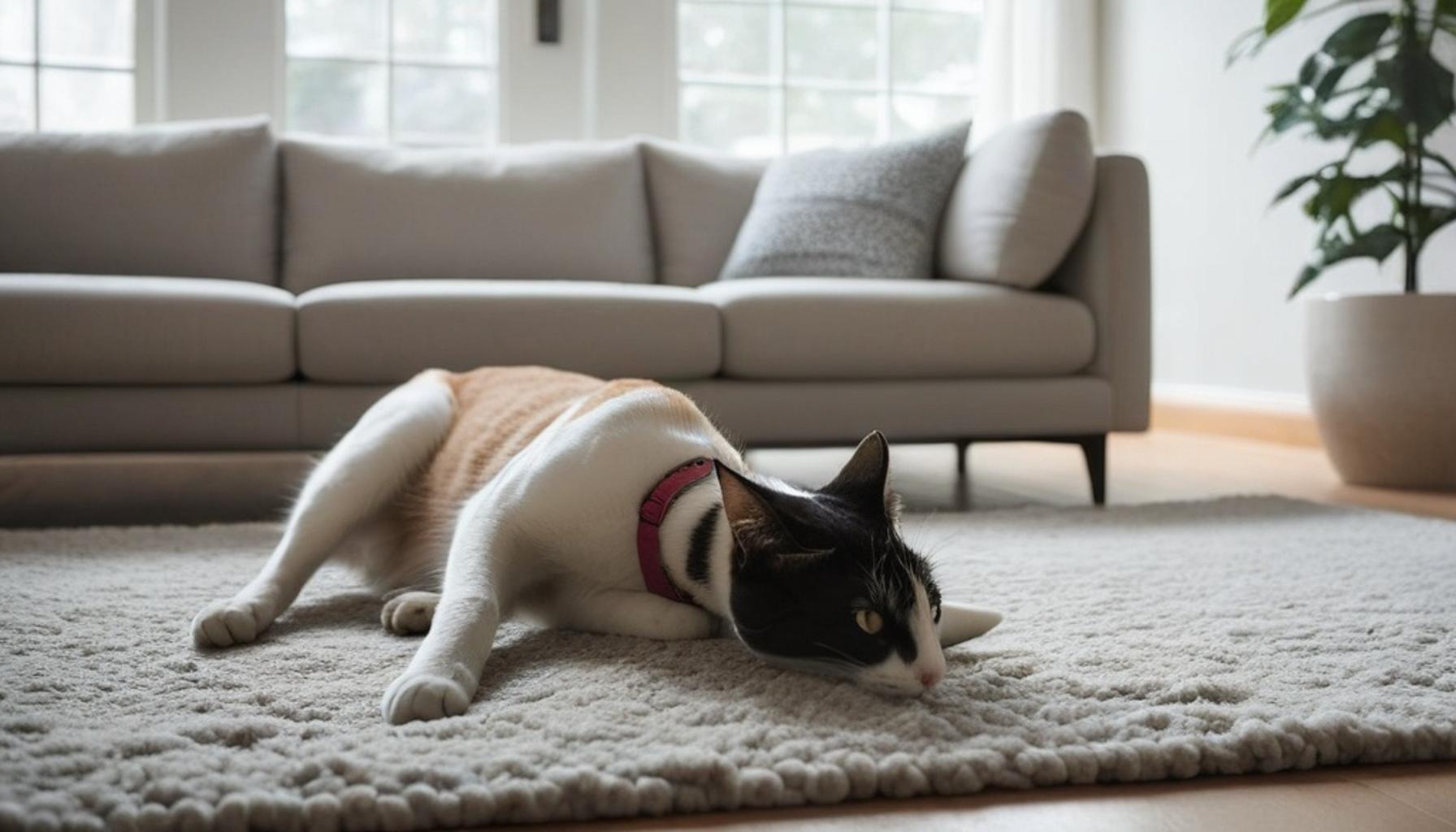
Environmental Enrichment as a Prevention Strategy: Improving the Behavior and Health of Dogs and Cats
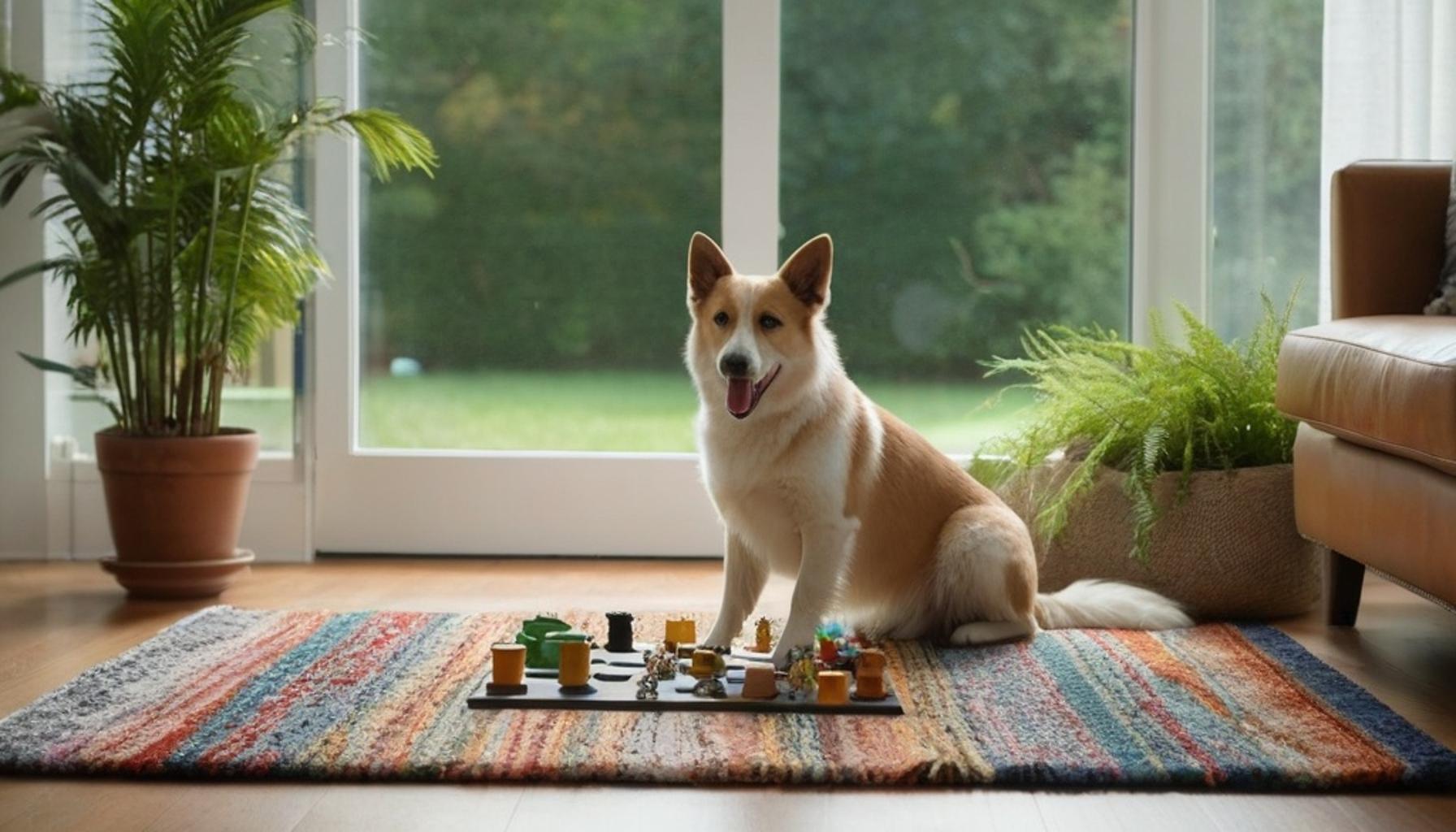
Why Environmental Enrichment for Pets Matters in Nigerian Homes
Across Lagos, Abuja, and Port Harcourt, more households are welcoming dogs and cats as companions, guards, and family members. Yet many pet owners overlook a simple truth: a bored animal is often a troubled one. Environmental Enrichment for Pets is emerging as a practical, science-backed way to prevent behavioral and health problems before they start.
The Hidden Cost of an Understimulated Pet
Dogs left alone in compounds for long hours may develop destructive habits, while indoor cats—common in high-security estates—can become anxious or overweight. These issues are not random; they stem from unmet mental and physical needs. In many Nigerian homes, pets are fed and sheltered but rarely given tasks that mimic their natural instincts, such as sniffing, hunting, or problem-solving. This gap between basic care and true wellbeing is where enrichment steps in.
- Excessive barking or digging in dogs
- Furniture scratching and litter box avoidance in cats
- Obesity linked to inactivity
- Stress-related aggression or withdrawal
Consider the estate dog in Lekki that barks nonstop at every passerby, or the apartment cat in Abuja that refuses to eat and hides for days. These are not simply “stubborn” animals—they are often signaling an unmet need for stimulation, exercise, or social interaction.
A Preventive Approach Backed by Data
Veterinary behaviorists estimate that up to 20% of pets surrendered to shelters show enrichment-related behavioral issues. Simple interventions can reverse this trend and improve dog behavior significantly within weeks. Even small changes, like introducing puzzle feeders or rotating toys, have been shown to reduce anxiety and destructive tendencies in both dogs and cats.
This article explores practical environmental enrichment activities, offering:
- Actionable cat health tips for indoor felines
- Strategies for preventing behavior issues in pets
- Low-cost tools for pet mental stimulation
- Long-term health benefits for dogs and cats
Whether you own a compound-guarding dog in Kano or an apartment cat in Victoria Island, these insights will help you build a happier, healthier home for your pet. As pet ownership continues to grow across Nigeria’s urban centers, understanding enrichment is no longer optional—it is becoming essential knowledge for every responsible pet owner seeking to nurture a calmer, more balanced companion.
LEARN MORE: The Importance of Hygiene in the Health Routine of Dogs and Cats in Indoor Environments
# Understanding the Science Behind Environmental Enrichment for PetsEnvironmental enrichment is not a foreign concept invented for pampered pets abroad—it is rooted in basic animal behavior science that applies just as much to a Rottweiler guarding a compound in Kaduna as it does to a Persian cat lounging in a Lagos penthouse. At its core, environmental enrichment for pets means modifying an animal’s surroundings to encourage natural behaviors: sniffing, foraging, climbing, chasing, and problem-solving.
What Happens in the Brain of a Bored Pet
When dogs and cats lack stimulation, their brains do not simply switch off. Instead, pent-up energy and curiosity often redirect into behaviors owners label as “bad”—chewing shoes, scratching walls, or yowling at odd hours. Research from animal behavior studies suggests that understimulated pets release stress hormones similarly to humans experiencing chronic boredom, which over time can affect immune function and overall health.
Scientists studying captive animals have long observed a phenomenon called “learned helplessness,” where a creature stops trying to engage with its environment altogether after repeated understimulation. While extreme cases are rare in household pets, milder versions show up as lethargy, excessive sleeping, or sudden disinterest in food and play. Owners often mistake this withdrawal for a pet simply “calming down with age,” when in reality, it may signal an environment that has stopped offering anything worth exploring.
This is why veterinarians increasingly view enrichment not as a luxury, but as preventing behavior issues in pets before they escalate into costly or dangerous habits. A dog that digs under the fence out of frustration, for instance, may eventually escape into traffic-heavy streets common in cities like Port Harcourt. What begins as a small crack in a wall or a loosened gate latch can end in tragedy—a reminder that boredom is rarely just an inconvenience.
Common Enrichment Categories Every Owner Should Know
Experts typically break enrichment into distinct categories, each targeting a different aspect of an animal’s wellbeing:
- Sensory enrichment – introducing new scents, sounds, or textures
- Physical enrichment – climbing structures, tunnels, or digging pits
- Social enrichment – interaction with humans, other pets, or controlled introductions to strangers
- Cognitive enrichment – puzzle feeders, hide-and-seek games, and scent trails
- Nutritional enrichment – varying how and where food is presented
These categories work together. A single puzzle feeder, for example, combines cognitive challenge with nutritional reward, making it one of the most efficient environmental enrichment activities for busy Nigerian households. Even something as simple as rotating toys weekly instead of leaving the same three items scattered on the floor can trigger renewed curiosity, since novelty itself is a powerful psychological driver for both cats and dogs.
Why This Matters More in Urban Nigeria
Rapid urbanization means more pets are confined to smaller compounds or apartments than in previous generations. Estate living in cities like Abuja often restricts free roaming, unintentionally limiting a dog’s natural exploratory instincts. Similarly, indoor cats in gated communities face fewer opportunities to hunt or climb, spending most of their day on tiled floors with little to engage their senses.
This shift mirrors a broader global pattern, but with distinctly Nigerian pressures—smaller plot sizes, rising security concerns limiting outdoor access, and busy work schedules that leave little time for long walks or play sessions. Recognizing this shift is the first step toward reversing it. The following sections offer specific, low-cost strategies designed to improve dog behavior and support long-term feline wellness—practical solutions built for Nigerian homes, budgets, and lifestyles.

Key Aspects of Environmental Enrichment for Pets
Understanding Environmental Enrichment for Pets means looking at specific strategies that directly influence behavior and physical wellness. The table below breaks down core categories that pet owners should know to improve dog behavior and support cat health tips effectively.
| Category | Impact on Pet Wellbeing |
|---|---|
| Sensory Stimulation | Puzzle feeders and scent trails boost pet mental stimulation, reducing anxiety-driven behaviors. |
| Physical Activity | Climbing structures and interactive toys deliver measurable health benefits for dogs and cats, including weight control. |
| Social Interaction | Structured playtime is essential for preventing behavior issues in pets, like destructive chewing or excessive vocalizing. |
| Environmental Variety | Rotating environmental enrichment activities keeps curiosity alive and prevents habituation over time. |
RECOMMENDED: Check out this similar article
# Practical Enrichment Strategies That Work in Nigerian HomesTheory only goes so far. What Nigerian pet owners need are actionable, budget-friendly methods that fit into compound life, apartment living, and unpredictable NEPA schedules. The good news: environmental enrichment for pets does not require imported gadgets or expensive subscriptions—it requires intention.
Turning Everyday Household Items Into Enrichment Tools
Empty water bottles, cardboard boxes, and old towels are not trash—they are raw material for environmental enrichment activities. A plastic bottle with holes cut into it and filled with kibble becomes an instant puzzle feeder. Cats often spend 20 to 30 minutes battling a knotted towel hiding treats, compared to the 90 seconds it takes to empty a regular bowl.
This slowdown matters. Veterinary nutritionists note that slower feeding reduces the risk of bloating and obesity, two issues increasingly common among indoor pets in Nigerian cities. Nutritional enrichment, therefore, doubles as a preventive health measure, not just a behavioral one.
Scent Work: An Underused Tool for Dogs
Dogs experience the world primarily through smell, with roughly 300 million scent receptors compared to a human’s 6 million. Yet most Nigerian dogs are never given structured opportunities to use this ability beyond sniffing other animals at the gate.
Hiding treats around the compound, scattering kibble in tall grass, or dragging a scented cloth across the yard before letting a dog track it can burn significant mental energy. Fifteen minutes of scent work often tires a dog more effectively than an hour of walking—a useful fact for owners managing large breeds like Boerboels or Caucasian Shepherds in smaller compounds.
Vertical Space: The Most Overlooked Fix for Cats
Cats are climbers by instinct, yet many Nigerian apartments offer nothing above floor level for them to explore. Installing simple wall shelves, repurposing bookshelves, or placing a cat tree near a window can transform unused vertical space into a private territory.
This single change often resolves issues owners assume are personality flaws: excessive meowing, furniture scratching, or tension between multiple cats in one household. Access to height reduces stress by giving cats an escape route and a vantage point—two things closely tied to feline security.
Rotating Routines to Prevent Predictability Fatigue
Enrichment loses power when it becomes repetitive. Feeding from the same puzzle toy every day, in the same spot, eventually stops working as stimulation and simply becomes routine.
Effective pet mental stimulation depends on variation. Practical rotation ideas include:
- Changing walking routes weekly, even within the same estate
- Alternating between three or four different puzzle feeders
- Introducing new textures—sand, grass mats, gravel trays—for cats to walk across
- Rearranging furniture occasionally to refresh a dog’s exploratory instincts
These small shifts directly support efforts aimed at preventing behavior issues in pets, since novelty keeps the brain engaged rather than shutting down into autopilot. Owners who commit to this kind of rotation often report calmer, more responsive animals within two to three weeks—a timeline consistent with broader health benefits for dogs and cats observed in enrichment-focused studies.
CHECK OUT: Click here to explore more
Conclusion: Small Changes, Lasting Impact
The case for environmental enrichment for pets is not built on luxury or Western trends—it is built on biology. Dogs and cats are wired to explore, hunt, sniff, and climb. When Nigerian homes deny these instincts through boredom and confinement, the fallout appears as destructive chewing, excessive barking, weight gain, and anxiety that many owners mistake for stubbornness or bad temperament.
This article has shown that the fix rarely requires expensive imports. A knotted towel, a repurposed bottle, a wall shelf, or fifteen minutes of scent tracking can do more for an animal’s wellbeing than a costly toy left untouched after week one. These low-cost interventions consistently improve dog behavior and support better feline habits, proving that prevention is often simpler than treatment.
The broader lesson is one of perspective. Nigerian pet ownership is shifting from a purely security-driven or ornamental role toward genuine companionship, and that shift demands new habits. Rotating routines, offering vertical space, and encouraging natural behaviors are not indulgences—they are practical cat health tips and canine care strategies grounded in veterinary evidence.
Owners who commit to consistent environmental enrichment activities often notice measurable change within weeks: calmer animals, fewer destructive episodes, and stronger bonds at home. This is pet mental stimulation working exactly as intended—reducing stress before it becomes a behavioral or medical problem.
Ultimately, preventing behavior issues in pets is far less costly, in time and money, than correcting them later. The health benefits for dogs and cats gained from enrichment ripple outward, shaping calmer households and healthier animals. For Nigerian pet owners ready to move beyond guesswork, enrichment offers a proven, affordable starting point worth exploring further.

Linda Carter
Linda Carter is a writer and pet care expert specializing in pet health, grooming, and wellness. With extensive experience helping pet owners create safe, loving, and enriching environments for their animals, Linda shares her knowledge on our platform. Her goal is to empower readers with practical advice and strategies to ensure their pets thrive and lead joyful, healthy lives.