Unveiling Cultural Routes: Travel Logistics to Explore Nigeria’s Heritage
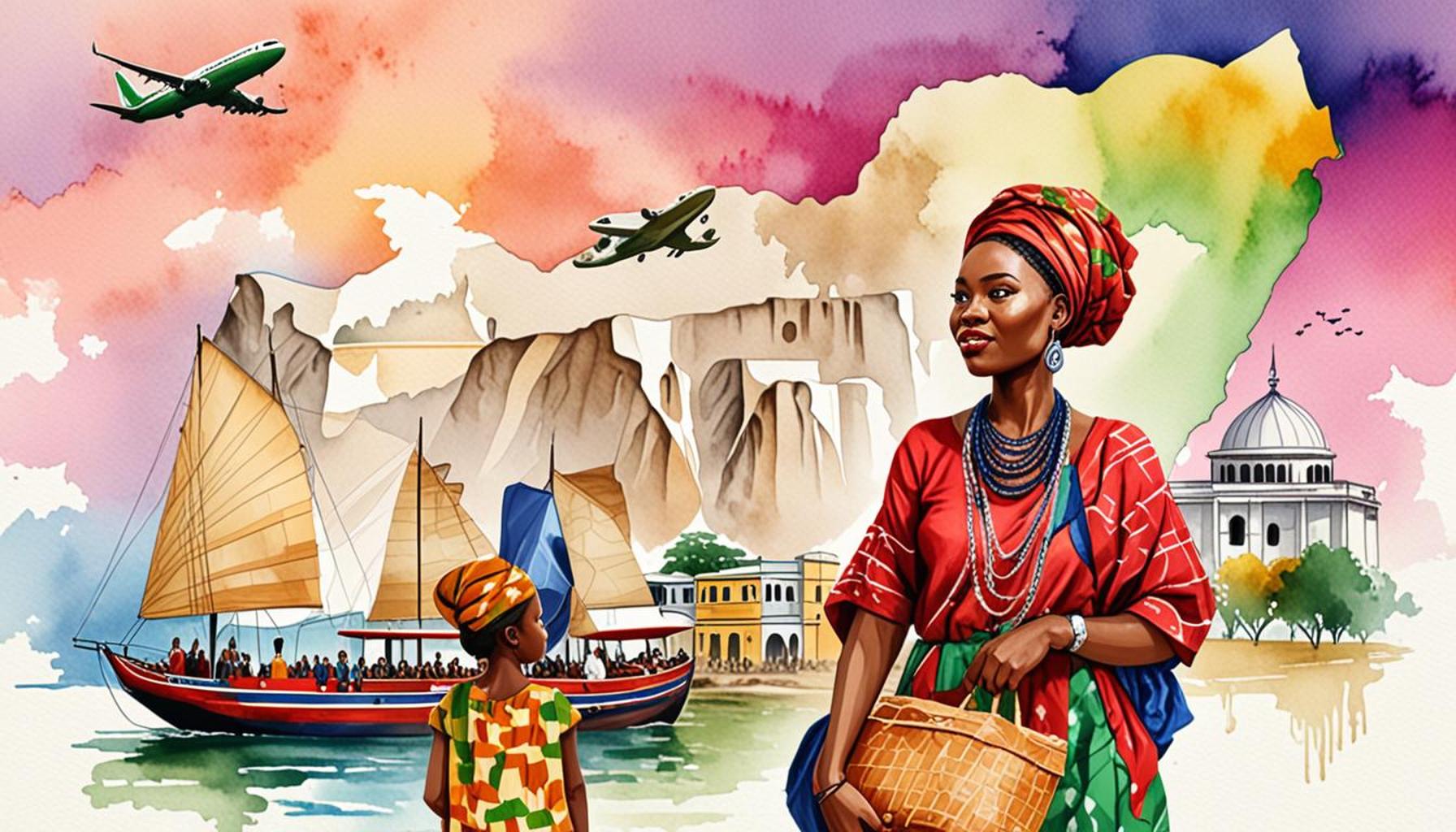
Unraveling the Tapestry of Nigeria’s Cultural Heritage
Nigeria is a land steeped in rich cultural diversity, showcasing a remarkable blend of customs, traditions, and arts that reflect centuries of history. Each region within the country is a tapestry woven with vibrant threads of heritage, offering travelers a unique perspective into the soul of its people. From the bustling streets of Lagos to the serene plains of the North, exploring Nigeria’s heritage unravels stories that have influenced countless generations.
The artistic expression of the Yoruba people is one of the most striking examples of Nigerian heritage. Their traditional art forms, including intricate beadwork, colorful textile designs, and captivating sculptures, display a profound connection to their history and spirituality. Yoruba festivals, such as the Osun-Osogbo Festival, attract visitors with elaborate rituals and vibrant displays of dance, reflecting their reverence for deities and nature. Engaging in these festivities provides an evocative glimpse into the past, allowing participants to witness age-old traditions in action.
On the other hand, the Igbo people are renowned for their rich musical heritage and dynamic dance forms, such as the Atilogwu dance, which are often performed during community celebrations. These performances are not merely entertainment; they are a tribute to their ancestors and a celebration of communal unity. Furthermore, the diverse culinary experiences found in Igbo cuisine, from jollof rice to suya, add another layer to understanding their rich culture.
For those seeking a more urban cultural experience, The Lagos Arts Scene is a vibrant explosion of contemporary creativity. The National Museum in Lagos houses artifacts from the various ethnic groups that populate Nigeria and showcases evolving artistic expressions through galleries and theater performances. Local art markets, like the Nike Art Gallery, offer a chance to purchase unique handcrafted pieces while interacting with the artists behind them.
Exploring the Benin Kingdom is another enriching experience. Visitors can trace the lineage of the Benin Empire through its stunning bronze sculptures and the historically significant Benin City, where the Oba’s Palace stands as a testament to the kingdom’s former glory. Museums showcase the complexity of Benin’s traditional governance and artistry, making it a must-see for history enthusiasts.
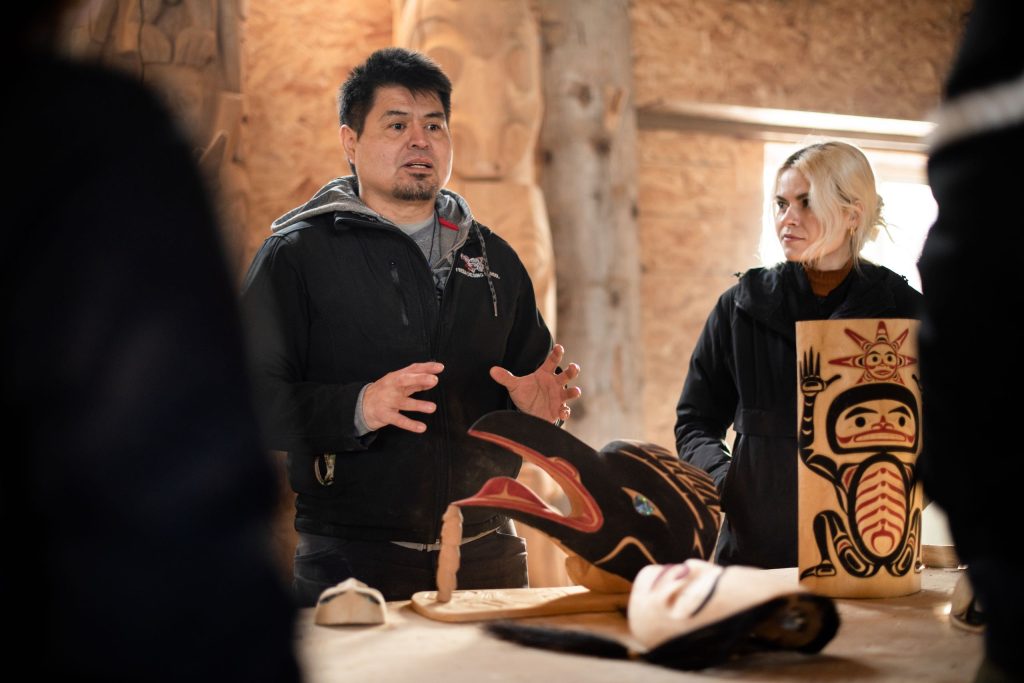
As travelers venture into the heart of Nigeria, it’s essential to understand travel logistics. Planning is crucial, whether navigating local transport systems or ensuring secure accommodations. Engaging local guides enriches the journey, offering insights that might not be apparent to the untrained eye, thus deepening one’s appreciation of Nigeria’s heritage.
Each step taken through Nigeria is an opportunity to connect with its past and present, creating an adventure that goes beyond mere exploration. Prepare for an unforgettable journey that not only showcases the cultural treasures of Nigeria but also invites reflection on the stories that have shaped this remarkable nation.
ADDITIONAL INSIGHTS: Expand your understanding here
Exploring Nigeria’s Cultural Pathways
To truly appreciate the depth of Nigeria’s cultural heritage, a well-structured travel plan that embraces logistics is vital. With over 250 ethnic groups, each possessing distinct customs and traditions, navigating the routes that lead to these living histories requires both thoughtful preparation and a sense of adventure. Here are key considerations that will enhance your journey through Nigeria’s cultural landscapes.
1. Transportation Options
Understanding the various transportation options available in Nigeria is essential to ensure smooth transit between cultural hubs. While large cities like Lagos and Abuja boast a range of modern transport solutions, rural areas often require alternative modalities:
- Buses: Long-distance buses connect major cities and towns, with reputable companies such as GIGM and ABC Transport offering comfortable rides and reliable schedules.
- Keke NAPEP: These tricycle taxis, often called “keke,” are popular in many urban areas, providing an affordable and accessible means to navigate city streets.
- Motorcycles (Okadas): In some regions, motorcycles have become a prevalent means of transport, ideal for shorter journeys but best approached with caution regarding safety.
- Car Rentals: Renting a car often provides the flexibility to explore at your pace, particularly if you aim to venture off the beaten path.
2. Accommodations
When it comes to accommodations, Nigeria offers a spectrum of choices, providing something for every travelers’ needs and preferences. Consider the following:
- Hotels: Major cities feature international and local hotel chains that cater to both business and leisure travelers, ensuring comfort and basic amenities.
- Guesthouses: Smaller guesthouses and boutique hotels can provide a more authentic experience, often run by locals who can share insights into their culture.
- Homestays: Engaging in homestay experiences allows visitors to immerse themselves in local customs and family life, offering a truly unique perspective.
3. Engaging Local Guides
Hiring local guides can greatly enhance your cultural exploration. They bring a wealth of knowledge and context to the historical sites, traditions, and languages that shape Nigerian culture. By engaging with guides from different regions, travelers can:
- Discover hidden gems that are off the typical tourist itinerary.
- Gain deeper insights into the significance of local festivals and rituals.
- Enjoy authentic experiences, such as participating in traditional cooking classes or ceremonies.
As you plan your adventure through Nigeria’s cultural routes, remember that every journey is not just a passage through breathtaking landscapes, but an opportunity to weave connections with the stories, people, and heritage that bring this vibrant nation to life. Whether it’s the echo of ancient drums or the warmth of a shared meal, Nigeria’s heritage beckons travelers to uncover its treasures at every turn.
| Logistical Advantages | Cultural Insights |
|---|---|
| Affordable Travel Options | Access to local museums and heritage sites |
| Diverse Transportation Networks | Engagement with local cultures and traditions |
Exploring Nigeria’s historic and cultural richness involves navigating through well-organized travel logistics that can enhance your journey. One of the primary logistical advantages is the availability of affordable travel options, which make it easier for both locals and tourists to visit important sites without stretching their budgets. Buses and affordable flights connect major cities and remote areas, allowing for travel to hidden gems that showcase Nigeria’s heritage.Moreover, Nigeria boasts a diverse transportation network, including roadways, railways, and waterways, facilitating seamless travel throughout the nation. Enhanced public transport systems not only allow tourists to reach significant cultural landmarks but also offer an opportunity to absorb the essence of everyday life, creating memorable interactions with local communities.On the cultural side, gaining access to local museums and heritage sites creates a deep understanding of Nigeria’s rich traditions. Visitors can immerse themselves in the art, music, and history that define the national identity. Additionally, these explorations encourage engagement with local cultures and traditions, highlighting the vibrant festivals, culinary delights, and storytelling that characterize the Nigerian experience. This combination of logistical ease and rich cultural encounters promises an unforgettable adventure through Nigeria’s diverse heritage landscape.
LEARN MORE: This related article may interest you
Immersive Experiences Along the Routes
While logistics play a crucial role in your travel planning, the immersive experiences during your exploration of Nigeria’s heritage truly define your journey. From prominent sites steeped in history to local interactions that reveal the richness of traditions, here are essential elements to factor into your itinerary for an unforgettable cultural adventure.
4. Cultural Festivals
Nigeria’s vibrant cultural tapestry is best showcased through its numerous festivals, which celebrate music, art, and heritage. Each state hosts its unique events throughout the year that attract both locals and tourists. For an enriching experience, consider attending:
- Osun-Osogbo Festival: Celebrated in Osogbo, this ancient festival honors the goddess Osun and features traditional dances, rituals, and art exhibitions, offering a glimpse into the Yoruba culture.
- Calabar Carnival: Known as Africa’s biggest street party, the Calabar Carnival boasts colorful parades, music, and dance performances, showcasing the lively spirit of the Efik people.
- Durbar Festival: Held in various northern cities, the Durbar festival features majestic horse parades during Eid celebrations, celebrating the rich tradition of royalty in Northern Nigeria.
Plan your trip around these culturally significant events to witness the enthusiasm and devotion of the locals, providing a more engaging travel experience.
5. Culinary Adventures
No exploration of cultural routes is complete without savoring Nigeria’s diverse cuisine. Each region offers distinct flavors and dishes that reflect its own heritage. For a true gastronomic adventure, you should:
- Participate in Food Tours: Joining a food tour in major cities like Lagos or Abuja allows you to taste local delicacies such as jollof rice, egusi soup, and pounded yam, and learn about the cultural significance of these meals.
- Take a Cooking Class: Engage with locals through cooking classes where you can learn to prepare traditional dishes, gaining insights into the ingredients and culinary techniques that make Nigerian food unique.
- Visit Local Markets: Discover the vitality of Nigeria’s markets—from the sprawling Lekki Market in Lagos to the vibrant Kofar Mata Dyer in Kano—as you browse fresh produce, spices, and traditional food items.
6. Historical Sites and Museums
Unveiling Nigeria’s past through its historical sites and museums reveals the layers of its rich heritage. Here are must-visit locations that should top your list:
- Olumo Rock: Located in Abeokuta, this natural rock formation offers a fascinating glimpse into the history of the Egba people, with artifacts and historic shrines at its summit.
- The National Museum: Situated in Lagos, this museum houses an extensive collection of Nigerian artifacts, including the renowned Nok Terracotta sculptures and traditional costumes.
- Slave History Museums: Tours of museums in Badagry and Calabar provide an evocative understanding of the Trans-Atlantic Slave Trade and are critical for grasping Nigeria’s historical narratives.
As you traverse these diverse experiences along Nigeria’s cultural routes, be prepared to develop a profound appreciation for its intricate heritage. Embracing this spectrum of traditions, gastronomy, and historical landmarks enhances your understanding of what it means to be part of this culturally rich nation.
ADDITIONAL INSIGHTS: Expand your understanding here
Conclusion: The Journey Through Nigeria’s Heritage
As you embark on the quest to explore Nigeria’s rich cultural routes, the interplay of travel logistics and immersive experiences provides a unique lens into the heart of this vibrant nation. From the exuberant cultural festivals that fill the atmosphere with music and dance, to the tantalizing flavors of Nigerian cuisine that warm the soul, each element contributes to a deeper understanding of the diverse heritage that shapes Nigeria.
Notably, the historical sites and museums offer invaluable insights into the complexities of the past, urging travelers to reflect on the narratives that have woven together the fabric of contemporary Nigeria. Whether it’s exchanging stories with locals at bustling markets or participating in age-old rituals, every interaction enriches your journey, adding layers of significance to your experience.
In planning your adventure, consider timing your visit to align with key festivals and events that showcase the exuberance of Nigerian culture. Equally, indulging in culinary experiences will provide a direct connection to the traditions that define each region. In conclusion, unveiling Nigeria’s cultural routes reveals not just the country’s past, but also its promising future, inviting you to partake in its ongoing story. So pack your bags, prepare to walk along these vibrant paths, and discover firsthand the remarkable heritage waiting to be explored.