The Psychological Benefits of Space Optimization in Minimalist Personal Organization
The Significance of Space Optimization
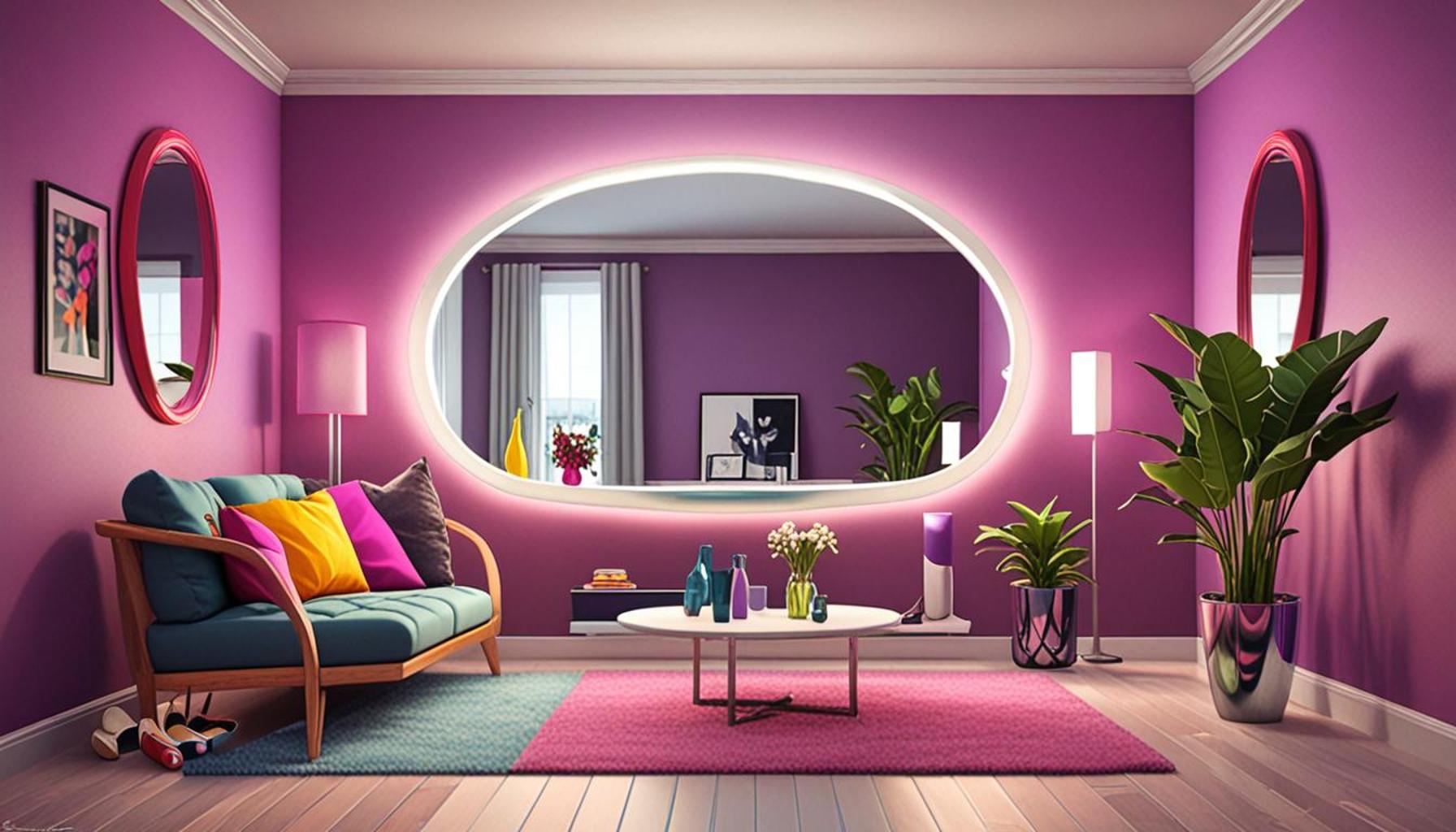
Embracing a minimalist lifestyle is more than just a trend—it’s a profound shift in how we perceive our surroundings. Space optimization plays a pivotal role in this ideology, affecting not just our physical environments but also our mental well-being. The concept centers on the intentional use of space to create a harmonious and functional living area, which can significantly improve the quality of life for many individuals.
By decluttering and organizing, individuals often experience a range of psychological benefits, including:
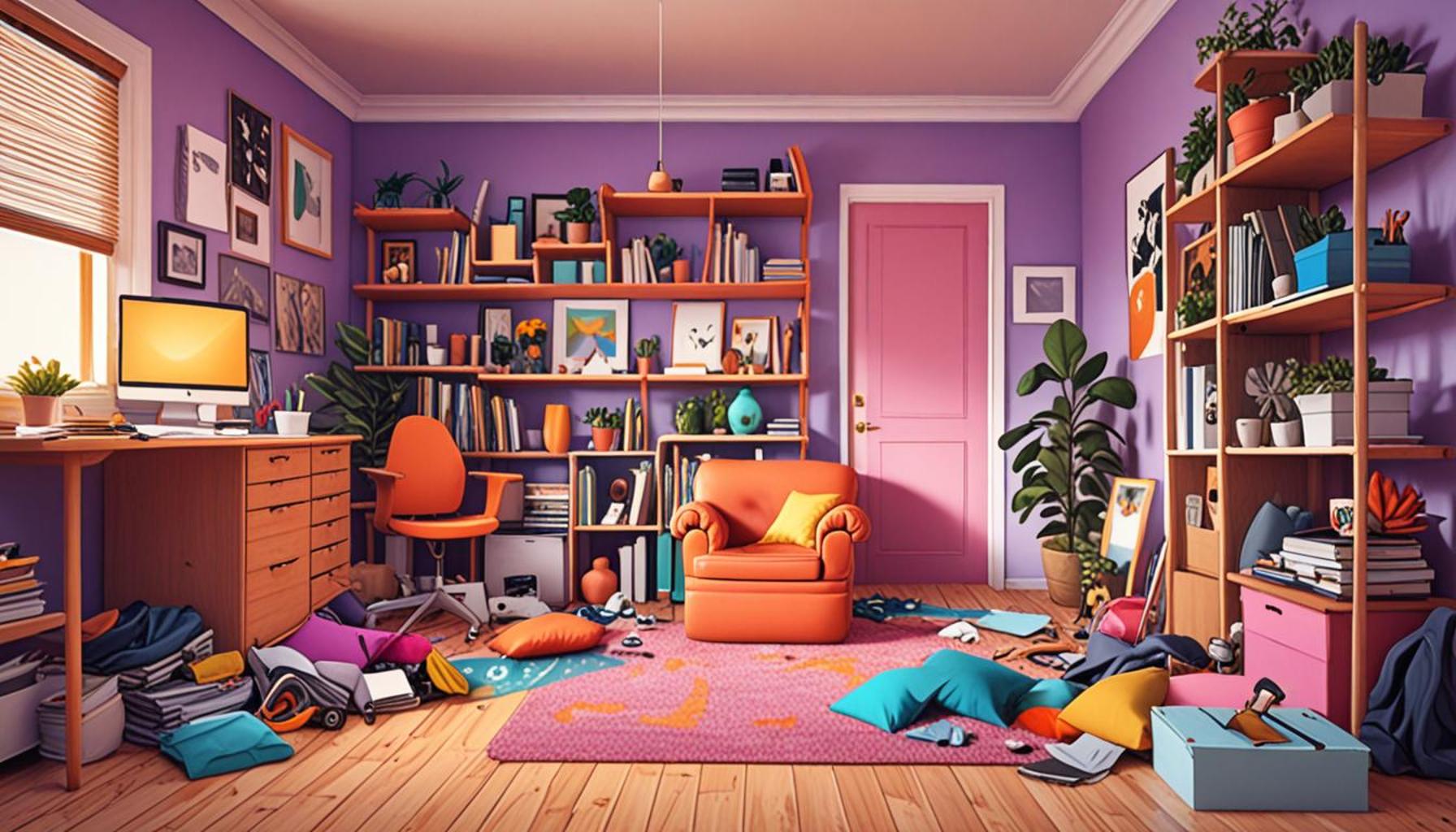
- Reduced Anxiety: Clutter can overwhelm the senses, leading to feelings of stress and unease. Studies show that individuals in cluttered environments may experience higher levels of cortisol, a hormone associated with stress. In contrast, a clean and organized space can help to lower anxiety levels, promoting a sense of calm.
- Improved Productivity: An organized space fosters a clearer mind, allowing for better concentration. For instance, a study conducted by Princeton University found that clutter can actually impair focus, making it harder to complete tasks efficiently. By optimizing your workspace—be it in an office or home setting—your ability to focus on what truly matters can enhance, leading to greater productivity.
- Enhanced Creativity: A minimalist environment can inspire fresh ideas by eliminating distractions. Influential thinkers and artists often advocate for a streamlined workspace. For example, Steve Jobs was known to favor minimalism in his surroundings, believing it helped him concentrate and think more innovatively.
Research suggests that the organization of personal spaces can profoundly influence our emotions and behaviors. For example, a study published in the Journal of Environmental Psychology demonstrated that participants in orderly environments exhibited improved cognitive performance compared to those in cluttered settings. When we streamline our possessions and optimize our environments, we create a sanctuary that promotes positivity and mental clarity.
For many, minimalist personal organization is a pathway to achieve mental balance. In a fast-paced society like the United States, where the pressures of daily life can often feel overwhelming, prioritizing space optimization can be a game-changer. This article delves deeper into the psychological ramifications of space optimization, unveiling how a tidy, intentional environment can lead to a healthier mindset and ultimately foster well-being.
Moreover, the influence of space optimization extends beyond the individual; it can affect relationships and family dynamics. An organized home environment can reduce conflict over household chores and clutter, leading to a more harmonious living atmosphere. Families that practice decluttering together often find enhanced communication and collaboration.
As we explore the benefits of space optimization, it becomes evident that the way we curate our environments plays a crucial role in shaping our mental landscapes. Whether it’s through simple organization techniques or a complete lifestyle transformation, the benefits of embracing a minimalist approach are both tangible and profound.
DISCOVER MORE: Click here for practical decluttering tips
Understanding the Psychological Transformation
In our increasingly hectic lives, the psychological transformation that occurs through space optimization cannot be underestimated. The act of organizing one’s physical space often acts as a catalyst for mental clarity and improved emotional health. With the minimalist approach gaining momentum, it’s essential to understand how these changes influence our psychological well-being.
Space optimization promotes not only physical organization but also leads to significant mental shifts. When individuals engage in decluttering, they often practice mindfulness—a technique that encourages being present and attentive to one’s thoughts and feelings. This mindfulness is key to reducing mental distractions and fostering a deeper connection with one’s environment. The very act of organizing becomes a meditative practice, allowing for reflection and a sense of purpose.
Moreover, researchers have noted several psychological benefits stemming from this deliberate organization:
- Increased Sense of Control: A minimalist lifestyle fosters a feeling of control over one’s environment. When individuals declutter and organize their spaces, they gain agency in shaping their surroundings. This increased control can lead to a boost in self-esteem and confidence.
- Reduction of Decision Fatigue: A streamlined space means fewer distractions and choices, leading to a decrease in decision fatigue—a phenomenon where the quality of decisions deteriorates after a long session of decision-making. By limiting options and creating a clear environment, individuals can conserve mental energy for more important decisions.
- Promoted Well-Being: Simplifying your environment helps to cultivate a more serene atmosphere, ultimately contributing to mental well-being. Research from the American Psychological Association highlights that individuals who maintain organized spaces report higher levels of happiness and satisfaction in their lives.
Furthermore, studies indicate that disorganization can trigger feelings of inadequacy and frustration. A well-ordered living environment, on the other hand, serves as a visual cue that things are in order, encouraging a sense of accomplishment. This satisfaction, derived from a clean and optimized space, can help in combating feelings of overwhelm that often permeate day-to-day life.
As we delve deeper into the psychological benefits of space optimization within the minimalist framework, it’s clear that the impact extends far beyond the physical realm. Creating a deliberate and organized environment can lead to improved mental states, enabling individuals to navigate the complexities of modern living with greater ease and positivity.
By fostering an atmosphere that promotes clarity and focus, a minimalist approach reinforces the notion that physical space is intrinsically linked to mental wellness. The unique interplay between our environments and psychology highlights the profound benefits of adopting a minimalist lifestyle—not just for personal organization, but for overall mental health.
| Category | Benefits |
|---|---|
| Reduced Anxiety | A minimalist environment promotes a sense of calmness, limiting distractions that can lead to stress and anxiety. |
| Enhanced Productivity | With less clutter, individuals can focus better, leading to improved efficiency in personal and professional tasks. |
| Improved Mental Clarity | A simplified space encourages clearer thinking, allowing for better decision-making and problem-solving. |
| Increased Creativity | A decluttered environment can lead to a surge in creativity, providing a more open mindset to explore new ideas. |
The psychological advantages of employing space optimization principles in minimalist personal organization are profound and multifaceted. By adopting this approach, individuals can experience a significant reduction in anxiety as their living space transforms into a sanctuary of tranquility. The minimalistic aesthetic eliminates visual noise, allowing the mind to unburden itself of extraneous thoughts.Moreover, the link between a decluttered space and heightened productivity is well-documented. When the environment is free from unnecessary items, focus is directed toward essential tasks, resulting in notable efficiency improvements. Incorporating strategies for optimal space usage, such as designated zones for activities, can amplify this benefit.Engaging in minimalist organization practices promotes improved mental clarity; when surrounded by less clutter, decision-making becomes more straightforward, paving the way for logical reasoning and efficient problem-solving. Additionally, a simplified environment serves as a catalyst for creativity, as the mind is liberated to contemplate and innovate without distraction.In our fast-paced world, prioritizing psychological well-being through space optimization in personal organization can lead to a rewarding transformation, both mentally and emotionally.
DISCOVER MORE: Click here to unlock essential tips
Unlocking Enhanced Cognitive Functioning
Beyond the immediate emotional uplift, the practice of space optimization within minimalist organization significantly enhances cognitive functioning. An organized environment not only minimizes visual clutter but also creates an atmosphere conducive to increased productivity and creativity. As cognitive science suggests, our brain’s ability to process information efficiently relies on the conditions we create around us.
When faced with overwhelming chaos—be it in our workspace, living area, or even digital devices—our brains have to work harder to sift through the noise. This can lead to decreased productivity and hinder our ability to think creatively. Conversely, research published in the journal Perspectives on Psychological Science indicates that individuals working in clean, well-organized spaces are generally more focused and able to apply their cognitive resources effectively. Decluttering releases mental bandwidth, allowing for deeper engagement with tasks and improved problem-solving capabilities.
Moreover, embracing a minimalist approach does not solely apply to physical spaces; it extends to digital environments. With the rise of technology, many people are inundated with information and notifications that can lead to attentional bottlenecks. Organizing digital files, emails, and even social media can alleviate this sensory overload. A study from the University of Minnesota revealed a direct correlation between screen organization and productivity levels, demonstrating that individuals who optimize their digital spaces report higher levels of concentration and lower stress levels. By creating a streamlined digital landscape, one may not only enhance focus but foster a sense of control over their digital lives.
Another pivotal aspect of space optimization in a minimalist lifestyle is the ability to cultivate a nurturing environment that promotes well-being. A cluttered, overstimulating space can be detrimental to mental health, while well-organized areas often promote relaxation and comfort. Lighting, aesthetics, and personal touches in these spaces can lead to a sense of belonging and tranquility. Research shows that environments designed with intention can reduce anxiety levels and increase feelings of happiness and well-being. The integration of natural elements such as plants can additionally enhance the psychological benefits associated with a decluttered space.
Furthermore, minimalism encourages individuals to prioritize not just what they keep in their physical spaces but also what they invite into their lives. This sentiment echoes in the practice of intentionality, a core principle of minimalist living. By focusing on what truly matters and letting go of extraneous possessions, individuals can create a more meaningful life experience. When this principle is applied, countless studies show that the resulting emotional clarity can lead to a heightened sense of purpose, improved relationships, and a better understanding of personal values.
In the grand tapestry of life, the convergence of space optimization and emotional well-being illustrates a compelling narrative. It highlights how our personal environments can profoundly influence our mental states, encouraging both individual growth and societal change. As we explore this deeper understanding of minimalist organization, recognizing and embracing its psychological benefits may very well be an essential step toward holistic well-being.
DISCOVER MORE: Click here to learn how to align your possessions with your values
Wrapping Up: The Transformative Power of Minimalist Organization
Ultimately, the journey towards minimalistic personal organization is much more than just decluttering; it’s a profound shift in how we interact with our environments and ourselves. The psychological benefits of space optimization are multi-faceted, encompassing enhanced cognitive functioning, reduced anxiety, and improved emotional clarity. By consciously simplifying our surroundings—whether physical or digital—we unlock an array of mental advantages that can give rise to greater creativity, focus, and a deeper understanding of our personal values.
As studies have shown, individuals who adopt minimalist practices experience not only relief from sensory overload but also a meaningful boost in their overall well-being. The act of curating one’s space allows for intentional living, creating an atmosphere where joy, productivity, and tranquility can flourish. Moreover, in today’s fast-paced world, the need for control over our environments has never been more paramount. By prioritizing organization, we reclaim our time and mental resources, paving the way for a richer, more fulfilling life experience.
In conclusion, embracing minimalism and space optimization is a gateway to self-discovery and emotional health. As we navigate the complexities of modern life, let us remember that our environments shape us just as much as we influence them. Thus, taking the time to arrange and optimize our personal spaces might just be the key to unlocking a more serene and purposeful existence.