
The Influence of Poetry on Emotions: How Writing Verses Can Be Personal Therapy

Exploring the Therapeutic Benefits of Poetry
Poetry is more than just an artistic expression; it is a profound tool for emotional healing and personal growth. Throughout history, individuals have turned to poetry as a means to articulate complex feelings, engage with their inner selves, and make sense of their lived experiences. This timeless art form becomes a refuge where words can morph into insights, allowing the writer to navigate through their emotional landscape.
One of the fundamental benefits of engaging in poetry is self-reflection. Writing poetry invites the writer to pause and contemplate their thoughts and feelings. For instance, a person grappling with loss might write a poem that delves into their grief, uncovering layers of emotion they weren’t consciously aware of. This process of introspection facilitates a deeper understanding of one’s own psyche, fostering personal growth and self-awareness.
Another significant aspect is emotional release. Poetry provides a sanctuary for expressing an array of emotions—pain, joy, fears, and hopes—free from judgment. A powerful example can be seen in the works of poets like Maya Angelou, who used vivid imagery and heartfelt language to articulate her struggles and triumphs over adversity. Readers often find solace in her words, feeling a cathartic release as they connect with her experiences. This safe space lends itself to emotional validation, enabling individuals to confront their feelings rather than suppress them.
Furthermore, poetry boasts an element of connection. Sharing one’s poetry with others can build bridges between disparate lives and experiences, fostering empathy and understanding. Community poetry workshops, for instance, have gained traction across the United States, where participants share their verses and stories. These exchanges often lead to supportive relationships, reminding individuals that they are not alone in their struggles.
Research substantiates these observations, showing that engaging in creative writing can yield various therapeutic benefits. Studies have demonstrated that poetic expression can alleviate symptoms of anxiety and depression. It can also enhance emotional regulation, helping individuals to manage their feelings in healthier ways. Moreover, individuals recovering from trauma often find that poetry facilitates their healing process, providing an outlet for voicing experiences that are otherwise difficult to articulate.
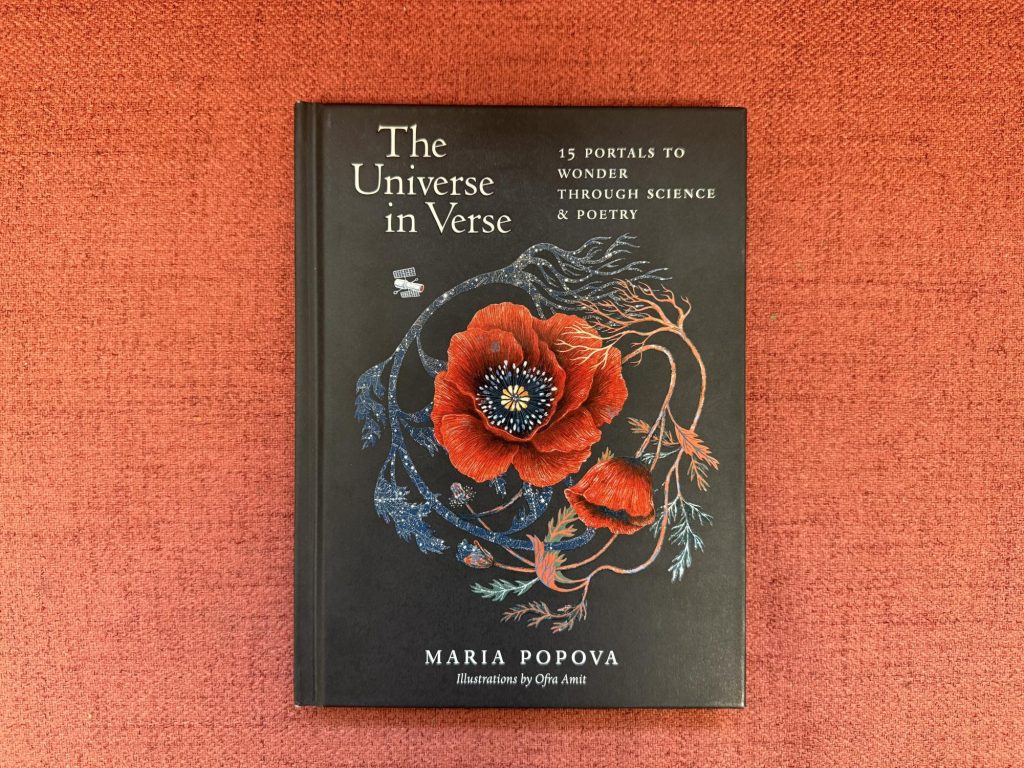
Ultimately, the act of writing poetry can be a transformative journey toward self-discovery and emotional healing. As the words flow from pen to paper, individuals often uncover aspects of themselves they had previously overlooked. The subtle dance of language allows for a nuanced exploration of emotions, paving the way to enhanced psychological well-being. This intricate relationship between poetry and mental health underscores the potential of creative expression as a valuable therapeutic practice that deserves attention and exploration.
DISCOVER MORE: Click here to learn about the evolution of online music teaching
The Transformative Power of Personal Expression
The intricate relationship between poetry and emotional therapy spans across cultures and eras, offering a dynamic avenue for introspective exploration. By embracing this art form, individuals have the opportunity to delve deeper into their emotional states, leading to profound insights and self-discovery. Central to this exploration is the concept of personal narrative. Writing poetry allows one to transform personal experiences into evocative verses, creating a narrative that provides clarity and perspective on life’s complexities.
One such benefit lies in the cultivation of mindfulness through the act of writing. When crafting poems, writers become fully engaged with their emotions, inviting them to confront their feelings in real time. This meditative process can often result in heightened awareness. For example, a person facing an identity crisis might explore their feelings of confusion through expressive imagery, enhancing their ability to embrace their uniqueness. Through this act of articulation, poetry serves not only as a form of self-expression but also as a method for emotional processing.
Additionally, the elements of structure and rhythm in poetry provide a sense of order to chaotic emotions. Consider the impact of structured forms such as sonnets or haikus. These frameworks can offer a comforting routine, enabling writers to funnel intense feelings into a confined, manageable structure. This not only enhances the creative experience but also allows for an organized outlet for emotions that may otherwise feel overwhelming. Many writers find that the rhythmic patterns of their verses can echo their emotional states, creating a deep reflection of their internal experience.
Key Benefits of Poetry as Personal Therapy
- Enhanced Emotional Insight: Engaging with poetry allows individuals to explore their feelings, leading to greater self-awareness.
- Cathartic Release: The act of writing can serve as an emotional outlet, reducing anxiety and allowing for personal healing.
- Improved Communication: Poetry helps individuals articulate feelings that may be difficult to express in everyday language.
- Community Connection: Sharing poetry fosters relationships and creates supportive environments where individuals validate each other’s experiences.
- Structured Expression: The format of poetry can provide clarity and organization to complex emotions.
As studies highlight, the act of engaging in creative writing, particularly poetry, has been linked to improvements in psychological health across diverse demographics. A growing body of research indicates that poetic expression can effectively reduce symptoms of depression and anxiety while promoting emotional regulation skills. In therapeutic settings, poetry therapy programs have begun to flourish—offering opportunities for participants to engage with their emotions in transformative ways.
Through such avenues, many individuals have discovered that poetry acts as a gentle guide, leading them toward emotional resilience. By putting pen to paper, writers can embark on journeys of healing and self-exploration—revealing the undeniable influence of poetry as a personal therapy that resonates deeply with the human experience.
The Therapeutic Power of Poetry
The act of writing poetry allows individuals to explore their innermost thoughts and feelings in a safe and creative manner. Utilizing poetic expression as a form of therapy, individuals can articulate emotions that may otherwise be difficult to convey. This process serves as a cathartic release, enabling writers to confront their feelings head-on. Notably, poetry prompts not only foster creativity but also encourage self-reflection, pushing writers to question their experiences and emotions.Moreover, poetry can significantly enhance emotional well-being. Engaging in writing verses has been shown to reduce symptoms of anxiety and depression. A study conducted by the University of Exeter found that individuals who engaged in expressive writing reported an improvement in mental health indicators. This powerful therapeutic tool not only aids in emotional processing but also promotes mindfulness—a state of focused awareness that can help ground individuals amidst turbulent emotions.In addition to personal exploration, sharing poetry can create connections with others. Workshops and open mic nights have become popular avenues for poets to share their work, supporting community building through shared emotional experiences. This communal aspect of poetry fosters a sense of belonging and validation, which is crucial for emotional healing.By understanding the influence of poetry on emotions, one can harness this literary form as a therapeutic ally, promoting mental clarity, emotional release, and community support. As poets put pen to paper, they create not only verse but also a bridge to understanding oneself and others, demonstrating the profound implications of poetic therapy.
| Category | Key Features |
|---|---|
| Emotional Expression | Enables individuals to articulate complex emotions and experiences. |
| Therapeutic Benefits | Helps alleviate anxiety and depression symptoms through expressive writing. |
| Community Connection | Fosters relationships through sharing poetry in supportive environments. |
The interplay between writing poetry and emotional health highlights the transformative potential of verse as a personal therapy tool, inviting further exploration into how this art form can heal and connect individuals.
DIVE DEEPER: Click here to discover the connection between music and emotion</a
Poetry as a Bridge to Emotional Healing
Beyond mere self-expression, poetry serves as a vital bridge to emotional healing. By directly confronting pain, joy, confusion, and hope through lyrical language, writers develop a richer understanding of their emotional landscapes. The process of writing poetry often becomes a means of working through unresolved conflicts and traumatic experiences. Research indicates that writing about distressing events can lead to significant reductions in emotional distress. In essence, poetry acts not only as a creative outlet but also as a therapeutic intervention.
Furthermore, the act of sharing poetry amplifies these therapeutic effects. Many community programs across the United States, such as Poetry Therapy initiatives, encourage participants to share their writings in supportive settings. Sharing one’s verses allows for validation and a sense of belonging among peers who endure similar emotional struggles. This collective experience fosters empathy, creating a safe space for participants to explore their feelings without judgment. The healing power of community underscores the notion that art can forge connections that transcend personal suffering.
The diverse array of poetic forms also contributes significantly to its relevance in personal therapy. For instance, free verse enables writers to break free from conventional structures, allowing for unfiltered emotional expression. This lack of constraint often liberates individuals, inviting a raw honesty that can be immensely therapeutic. Conversely, forms like the villanelle or haiku can provide a focused structure that may help people who feel overwhelmed by their emotions. The choice of form can reflect the writer’s intent, guiding the emotional dialogue and aiding in personal reflection.
The integration of imagery into poetry enhances emotional understanding by providing a multifaceted lens through which feelings can be examined. A writer might employ metaphors to represent feelings of anxiety as stormy seas, encapsulating the turbulence of their thoughts. These vivid descriptions allow for deeper emotional engagement, as they evoke sensory experiences that resonate with both the writer and the reader. Such evocations not only facilitate the process of understanding complex feelings but also empower individuals to articulate those emotions more effectively.
In educational contexts, programs that incorporate poetry into the curriculum have shown promising results in emotional well-being among students. Research indicates that adolescents who engage in poetry writing experience improved self-esteem and emotional intelligence. By equipping young people with tools to navigate their feelings, educators are fostering a generation that embraces emotional literacy. This proactive approach encourages students to examine their inner worlds, resulting in increased resilience and adaptability.
Ultimately, the influence of poetry on emotions is profound and multifaceted. It is a testament to the power of language and creativity, affirming the idea that writing can function as a form of self-care and reflection. As personal narratives unfold through verses, individuals embark on transformative journeys toward understanding and acceptance, illuminating the invaluable role poetry plays in the emotional tapestry of human experience.
DISCOVER MORE: Click here to dive into fun family craft activities
Embracing the Therapeutic Power of Poetry
In conclusion, the influence of poetry on emotions extends well beyond the aesthetics of language; it serves as a profound conduit for personal therapy and emotional exploration. The act of writing poetry empowers individuals to confront and articulate their innermost feelings, fostering a deeper connection with themselves and others. Through the unique ability of poetry to transform complex emotions into relatable narratives, it creates pathways for healing, understanding, and acceptance.
Engaging with poetry in diverse forms allows writers to tailor their emotional expressions to fit their individual needs, highlighting the versatile nature of this art. The therapeutic effects are only amplified through shared experiences in community settings, showcasing the healing power of collective empathy. Moreover, the inclusion of poetry in educational curricula fosters young minds, granting them essential tools for navigating emotional landscapes effectively—an investment that can transcend generations.
With a growing body of research supporting the mental health benefits of writing verses, it is crucial for individuals and communities to embrace poetry as a legitimate form of self-care and reflection. As the world continues to navigate the complexities of emotional health, poetry stands ready to guide us through, illuminating a path toward emotional resilience. For those seeking solace and clarity amidst chaos, turning to the written word can carve out not just an artistic outlet, but a sanctuary for the soul, inviting further exploration into the interplay of language, emotion, and healing.