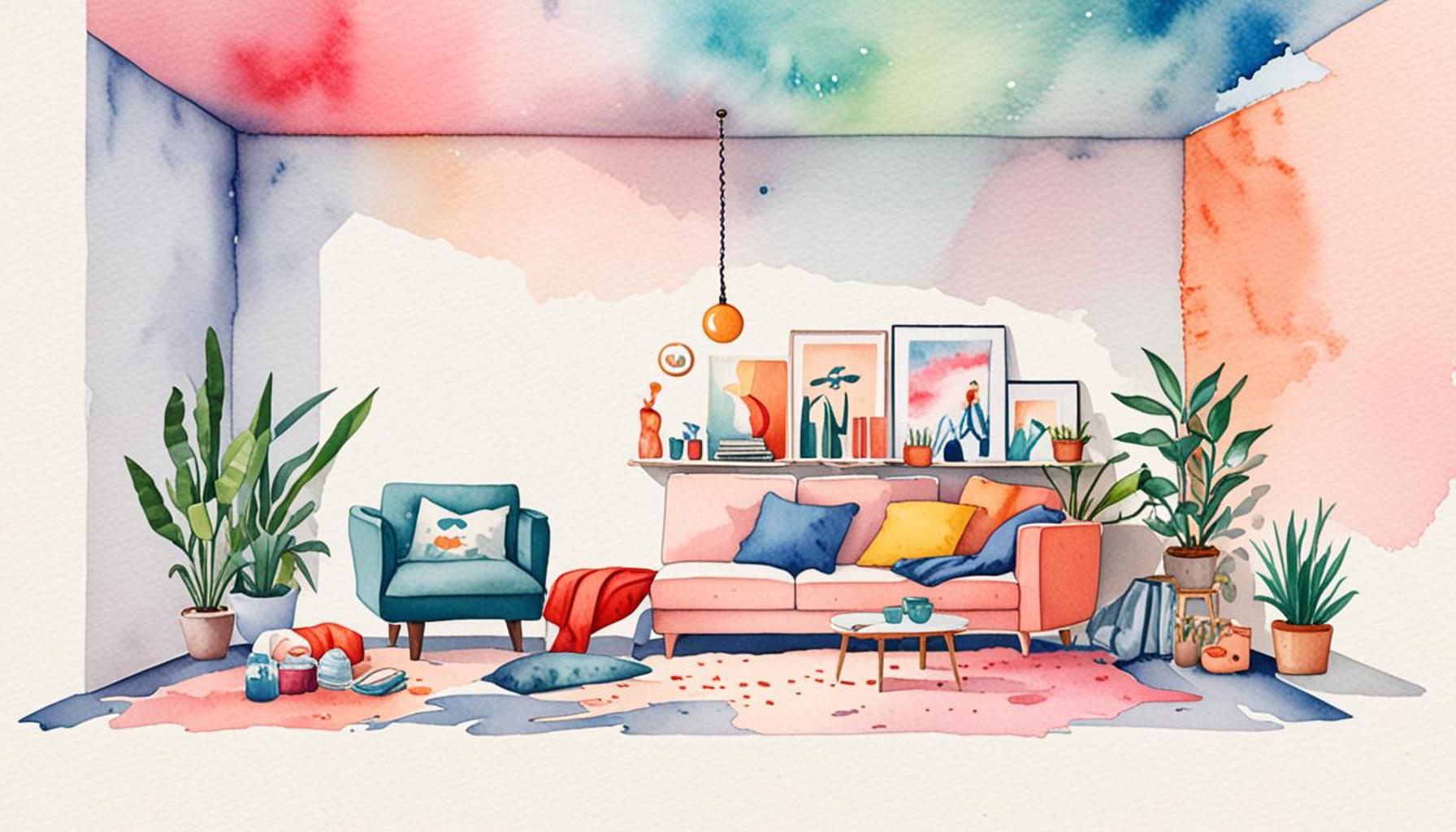
The Importance of Purposeful Possessions in Minimalist Living

In an age where consumerism dominates our lives, the concept of minimalism offers a refreshing alternative. Embracing a lifestyle centered around purposeful possessions not only leads to a decluttered space but also cultivates a clearer mind and greater personal fulfillment. This approach encourages individuals to reflect deeply on their belongings and prioritize what truly matters.
As people seek to simplify their lives, understanding the significance of intentionality behind what they own becomes essential. The practice of minimalism extends beyond just having fewer items; it revolves around curating possessions that align with one’s values and goals. By doing so, individuals can enhance their productivity, wellbeing, and overall life satisfaction.
In this article, we’ll delve into the top five reasons why embracing purposeful possessions is integral to the minimalist lifestyle, providing insights and examples that inspire a thoughtful approach to living with less. Join us as we explore how intentionality can transform your space and your mindset.
Top 5 Importance of Purposeful Possessions in the Practice of Minimalism
As the world becomes increasingly materialistic, the art of living with less is gaining traction. Minimalism challenges the conventional pursuit of more by emphasizing the power of purposeful possessions. This approach not only simplifies one’s life but also fosters deeper self-awareness and engagement with the things that truly matter. Let’s dive into the top five reasons why purposeful possessions are pivotal in the minimalist journey.
5. Clarity and Focus
An environment cluttered with unnecessary items can dilute our attention and sap our energy. By choosing to keep only what is necessary and valuable, we create a clear and focused living environment. This foundational aspect of minimalism removes distractions that compete for our attention, enabling us to concentrate more effectively on tasks of importance.

Imagine walking into a room filled with random, unused belongings. Immediately, a sense of chaos ensues, making it difficult to focus on both immediate tasks and long-term objectives. Conversely, a minimalist space, thoughtfully curated with purposeful possessions, fosters a conducive atmosphere for mental clarity and productivity. This is not just about having a tidy home; it involves mental decluttering, which allows for enhanced creativity and innovation.
- Fewer distractions aid in mental clarity. With fewer stimuli vying for attention, the mind can focus more sharply on the tasks at hand.
- Enables better engagement with meaningful projects. Without clutter to mentally sift through, resources can be allocated more effectively towards creative and significant work.
- Facilitates effective time management. With a simplified environment, less time is spent organizing and searching for items, allowing more freedom to pursue valuable activities.
4. Financial Freedom
Minimalism shifts the focus from transient desires to deliberate living, encouraging more mindful spending. By prioritizing the necessity and value of each item before making a purchase, one can avoid the pitfalls of impulse buying, often a root cause of financial strain.
This practice offers a pathway to financial freedom. By purchasing fewer, but more meaningful items, resources can be reallocated to experiences and engagements that enrich life beyond material worth. This paradigm shift suggests that financial well-being is less about accumulating wealth and more about strategic consumption. Consider, for example, the choice between purchasing a new gadget versus investing in a skill-building course; the latter often yields long-term benefits and personal growth.
3. Emotional Wellbeing
Collections of meaningful items enhance not just physical spaces, but also one’s emotional landscape. Owning items that serve a purpose can significantly improve your emotional wellbeing. Clutter can contribute to feelings of stress and anxiety, whereas a carefully curated selection of possessions can create tranquility and a deep sense of satisfaction.
By surrounding ourselves with belongings that reflect our personal narratives and values, a stronger emotional connection is forged, enhancing day-to-day life. Think of a treasured book from childhood or an artwork that invokes inspiration; these purposeful possessions serve as reminders of our identity and aspirations, providing both comfort and motivation.
2. Sustainable Living
The impact of manufactured goods on the environment is undeniable, and intentional ownership aligns with the principles of sustainable living. By preferring quality over quantity, minimalists reduce waste and lower their environmental footprint. Purposeful possessions often derive from sustainably sourced materials and embody enduring design, thus making them a responsible choice.
Advertisers frequently push consumers toward consumption patterns that prioritize newness over necessity. Minimalism counters this narrative, encouraging individuals to consider the lifecycle of products they own. For example, investing in sustainable fashion or multi-functional furniture not only cuts down on waste but also promotes ethical industry practices, reinforcing a cycle of responsible, conscious consumption.
Engaging with Ethical Consumerism
Living sustainably with fewer but more meaningful possessions also means engaging more practically with ethical consumerism. It encourages individuals to investigate the origins of their belongings, understand labor practices, and influence product sourcing standards. This heightened awareness fosters a culture of accountability and global responsibility.
1. True Happiness and Fulfillment
Ultimately, the minimalist journey is about discovering true happiness and fulfillment. Purposeful possessions enable you to relish experiences over acquiring material items, directing attention toward relationships and moments that matter most.
This approach to living is not about eschewing possessions entirely but rather surrounding oneself with items that are reflective of personal values, interests, and narratives. The possessions you keep should not merely serve as symbols of status or fleeting trends. Instead, they act as a canvas for one’s life story, encapsulating the authentic journey toward joy and purpose. For example, a family’s tradition of passing down heirlooms can serve not just as a physical item, but as a bridge linking generations through shared memories and values.
In conclusion, understanding the value of purposeful possessions transforms the minimalist lifestyle from a superficial decluttering effort into a profound lifestyle change. By cultivating discernment in ownership, one embarks on a path toward enhanced clarity, financial independence, emotional enrichment, sustainable living, and genuine contentment. As you embark on this minimalist voyage, consider each possession not merely as an object, but as a testament to what is meaningful in your life.
| Category | Description |
|---|---|
| Intentional Living | Living with purpose enhances personal growth and fulfillment. When possessions reflect individual values, they foster an environment conducive to intentional and mindful living. |
| Mental Clarity | A minimalist approach with purposeful possessions can lead to reduced stress and enhanced mental clarity. By eliminating distractions, individuals can focus on what truly matters in their lives. |
| Sustainability | Engaging in sustainable practices by selecting quality over quantity helps reduce waste. Mindfully choosing possessions encourages environmentally responsible decisions that benefit society as a whole. |
| Financial Freedom | Minimizing unnecessary purchases fosters financial stability. With purpose-driven choices, individuals can save money, invest in experiences, and improve their overall quality of life. |
Embracing a minimalist lifestyle focused on purposeful possessions leads to a range of advantages that can deeply transform daily living. By understanding the significance of each category, individuals can celebrate their journey towards minimalism, intertwining meaning with every tangible item they choose to own. Explore how each possession contributes not just to personal space but also to broader implications on mental health, societal impact, and financial well-being.
Frequently Asked Questions about Purposeful Possessions in Minimalism
What does it mean to have “purposeful possessions” in minimalism?
In the context of minimalism, “purposeful possessions” refer to items that truly serve a functional or emotional purpose in a person’s life. Minimalists advocate for intentional ownership where each possession adds value rather than clutter. This approach emphasizes quality over quantity. The goal is to surround oneself only with items that contribute meaningfully to one’s well-being and daily life.
How can one determine if a possession is purposeful?
To discern whether a possession is purposeful, ask yourself: Does this item serve a critical function? Does it bring joy or fulfill an emotional need? Evaluating possessions through these lenses can help eliminate excess. Furthermore, considering if the item aligns with your long-term values and goals can assist in judging its purpose. If an object doesn’t meet these criteria, it might be time to let it go.
What are the benefits of adopting a lifestyle focused on purposeful possessions in minimalism?
Embracing purposeful possessions can lead to several advantages, such as a significant reduction in stress and overwhelm caused by clutter. It often results in more space, improved focus, and enhanced financial freedom, as individuals become more deliberate about their purchase choices. Additionally, it fosters a deeper appreciation for the items one owns and encourages sustainable consumption practices.
Is it possible for minimalists to have collections?
Yes, minimalists can have collections, provided each piece is carefully chosen and holds significant meaning. The idea isn’t about owning a minimal number of items but rather curating possessions that offer satisfaction and serve a positive role in one’s life. Collections should be meaningful and not merely accumulated for the sake of owning more.
Can living with minimal possessions be difficult to maintain over time?
While maintaining minimal possessions might challenge some, establishing clear methodologies for evaluating what to keep can ease this. Many find it rewarding as it leads to consistent personal growth and clarity in priorities. Over time, the habit of regularly assessing and curating possessions can create a natural rhythm, allowing minimalism to seamlessly integrate with everyday life. Exploring new methods like digital minimalism can further sustain this practice.
Conclusion: The Essence of Purposeful Possessions in Minimalism
Embracing minimalism involves more than just decluttering; it demands a mindful approach to the possessions we choose to keep. The notion of purposeful possessions is a cornerstone of this lifestyle, underscoring how essential it is to curate belongings that truly add value to our lives. By doing so, we cultivate not only physical space but also mental clarity and emotional well-being.
Throughout this exploration of minimalism, several vital insights have been highlighted. Firstly, purposeful ownership encourages a shift in perspective—valuing quality and meaning over quantity. This shift can lead to improved financial health, as individuals invest in items that endure rather than indulge in transient trends.
Furthermore, having fewer possessions often results in a reduction of stress. Simplifying one’s environment fosters a serene atmosphere conducive to focus and creativity. As we remove the chaos of excess, we make room for what truly matters, enhancing our overall sense of fulfillment.
A purposeful approach to belongings also aligns with sustainability. By embracing minimalism, individuals contribute to environmental conservation, consuming less and opting for sustainable products. This commitment further reinforces the ideology that minimalism is not merely a trend but a lifestyle choice with far-reaching benefits.
In conclusion, the integration of purposeful possessions within the practice of minimalism offers a powerful framework for personal organization and self-discovery. It challenges us to reconsider our relationship with material goods and to align our material world with our innermost values. As minimalist living gains momentum, the emphasis on intentionality offers a pathway to profound personal transformation and environmental stewardship, inviting us all to explore its potential deeply.