The Art of Minimalism: Creating Open and Inviting Spaces
Understanding the Minimalist Movement
In a modern landscape replete with relentless consumerism and overwhelming stimuli, minimalism emerges as a design philosophy that champions simplicity and efficiency. The essence of minimalism lies in creating spaces that exude calmness and enhance one’s quality of life. By paring down to the essentials, individuals can foster environments that reflect clarity, purpose, and profound aesthetic appeal.
The Journey Begins with Decluttering
The first step towards embracing a minimalist lifestyle is often decluttering. This involves meticulously assessing every item within a living space and determining its value. For instance, a simple bookshelf can turn into a visual chaos if overflowing with old novels, magazines, or trinkets. By removing items that serve no practical purpose or spark joy, you can cultivate a more serene atmosphere. Online platforms like TikTok and Instagram have popularized “decluttering challenges” where users share their transformation journeys, showcasing how much can be gained from releasing physical possessions.
The Role of Color and Functionality
In addition to decluttering, a minimalist aesthetic heavily utilizes neutral color palettes. Soft shades of white, beige, gray, and muted pastels create a blank canvas that fosters tranquility. These colors not only enhance natural light but also make small spaces appear larger and more inviting. For example, the famed interior design firm, Studio McGee, often emphasizes light palettes that reflect natural beauty while ensuring a warm ambiance.
Moreover, multi-functional furniture plays a pivotal role in achieving minimalism. In urban settings, where space is often at a premium, choosing pieces like a sofa bed or a coffee table with storage can significantly conserve space. Brands such as IKEA have thrived by providing versatile and stylish solutions that cater to the minimalist lifestyle, helping consumers make conscious choices about their living environments.
Enhancing the Experience Through Lighting and Layout
Natural light is a critical factor in creating an inviting space. By maximizing natural light through large windows or strategically placed mirrors, you not only brighten your home but also promote a sense of openness and connection to the outside world. This connection is crucial, especially in urban environments where the hustle and bustle can feel stifling.
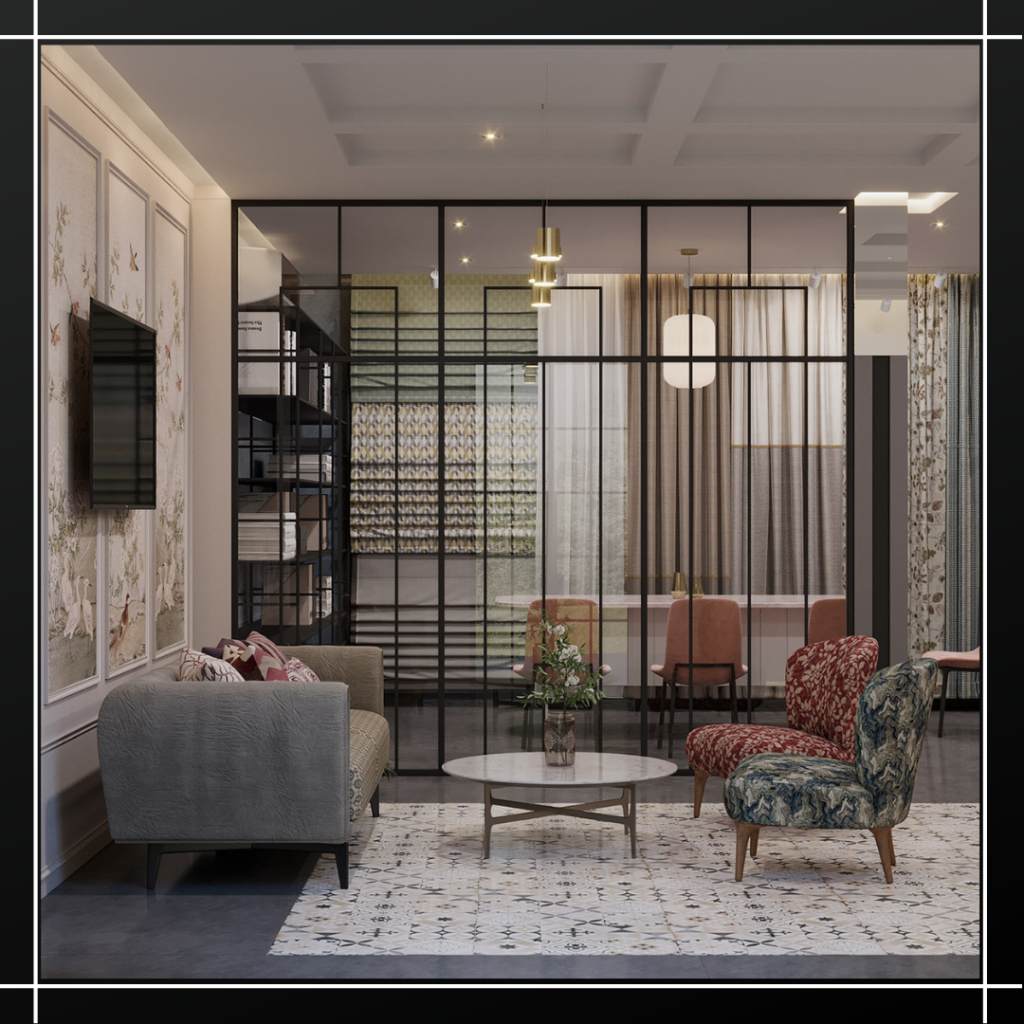
Furthermore, open layouts that allow for seamless transitions between living areas facilitate interaction and flow. This design choice is particularly popular in new homes and apartments as it fosters a sense of community within the space, making it ideal for both family gatherings and social events.
The Power of Thoughtful Decor
Minimalism also invites the idea of thoughtful decor. Instead of an array of decor items competing for attention, minimalism encourages the display of a few carefully chosen pieces that resonate with personal history or aesthetic appreciation. This might be a handcrafted vase from a local artist or a framed photo capturing a cherished memory. Such items not only serve as conversation starters but also imbue the space with character and warmth.
Conclusion: The Exploration Continues
Ultimately, the principles of minimalism offer a pathway to not only a more organized and aesthetically pleasing environment but also a richer and more meaningful life. Whether you are living in a bustling city or a quiet suburban home, embracing minimalism can transform your spaces into sanctuaries that promote well-being. Join us on this journey as we delve deeper into the art of minimalism and uncover the secrets to crafting your own peaceful retreat.
EXPLORE MORE: Click here to discover how saying no can enhance your time management
Embracing Simplicity in Design
At the heart of the minimalist movement lies the principle of simplicity. This approach not only influences interior design but also encompasses a broader lifestyle choice. By removing excess and focusing on the essentials, individuals can cultivate spaces that inspire peace and tranquility. The allure of minimalism is not merely in its aesthetic appeal but in its ability to enhance functionality and well-being.
The Benefits of a Minimalist Home
Transitioning to a minimalist environment offers numerous benefits to individuals and families alike. Incorporating a minimalist design can lead to:
- Reduced Stress: A clutter-free environment promotes a sense of calm and reduces anxiety. Navigating through a tidy space can often feel like a breath of fresh air.
- Enhanced Focus: Minimalism encourages clarity in thought and purpose by eliminating distractions. This focus enables individuals to concentrate on what truly matters in their lives.
- Increased Space: By prioritizing functionality and simplicity, homes can feel more spacious, even if they are compact. An uncluttered room creates an illusion of expansiveness.
- Cost Efficiency: Investing in fewer, high-quality items often proves to be more economical in the long run. This approach discourages impulsive purchases and promotes mindful consumption.
Strategic Use of Space
Optimizing the layout of your home is another vital element in achieving a minimalist atmosphere. Spaces should facilitate ease of movement and accessibility while maintaining a sense of openness. Key strategies include:
- Flexible Furniture Arrangements: To avoid a stagnant look, periodically rearranging furniture can help maintain a dynamic and inviting space.
- Designated Zones: Creating specific areas for work, relaxation, and socializing within an open layout promotes a functional flow throughout the home.
- Incorporating Nature: Integrating plants or natural elements not only beautifies the space but also nurtures a connection to the outdoors, fostering an atmosphere of serenity.
The Importance of Quality Over Quantity
In a minimalist setting, choosing quality over quantity is paramount. Each piece of furniture or decor should be selected with care, not just for its functionality, but also for its emotional resonance. Items that carry personal significance or exhibit exceptional craftsmanship add depth and meaning to a space, transforming it from merely functional to profoundly inviting.
Furthermore, integrating local art or handmade goods supports the community while ensuring that your decor tells a story. This practice enhances the authenticity of the space and contributes to a sense of belonging, inviting guests to appreciate not only the aesthetic but also the cultural heritage embedded within the decor.
Conclusion: A Lifestyle Choice
Adopting minimalism goes beyond aesthetics; it’s a lifestyle choice that emphasizes intentional living. As you embark on the journey of creating open and inviting spaces, remember that each decision contributes to a larger narrative about you and your values. Minimalism invites us all to rethink our relationship with possessions, fostering an environment that not only looks good but feels good, too.
The Art of Minimalism: Creating Open and Inviting Spaces
In the quest for tranquility amidst the chaos of modern life, the concept of minimalism has emerged as a refreshing antidote. By decluttering our environments and focusing on the essentials, we can cultivate spaces that are not only open and inviting but also deeply fulfilling. Minimalism is more than just an aesthetic; it is a lifestyle choice that promotes peace and efficiency in our daily lives.
One of the most significant advantages of adopting a minimalist approach is the enhancement of mental clarity. When our physical surroundings are simplified, our minds can breathe more easily. This enhances productivity and fosters creativity, enabling individuals to focus better on their endeavors. As the famous designer Yves Béhar stated, “Simplicity is about subtracting the obvious and adding the meaningful.”
| Advantages | How it Enhances Spaces |
|---|---|
| Clarity and Focus | Fewer distractions lead to increased productivity. |
| Calm Atmosphere | Open spaces create a sense of tranquility and peace. |
Furthermore, minimalism encourages more intentional decisions regarding the items we choose to keep in our homes. Each piece in a minimalist space carries meaning and importance, creating an environment steeped in personal significance. This transformation leads to a more authentic space that reflects who we are at our core.
Equally important is the financial aspect of minimalist living. By investing in fewer, high-quality essentials, individuals can save money while enjoying longer-lasting products. This perspective not only promotes sustainability but also aligns with the growing movement towards eco-friendly living.
As the world continues to move at a swift pace, the art of minimalism serves as a reminder to slow down and appreciate our surroundings. By embracing simplicity, we unlock the potential for richer experiences and deeper connections within our spaces and among each other.
DIVE DEEPER: Click here to
Integrating Colors and Textures
One of the most captivating aspects of minimalism is how color and texture can transform a space while maintaining its essence. Rather than overwhelming a room with vibrant hues, minimalism encourages a subdued and harmonious palette. Soft whites, muted pastels, and earthy tones create a calm and inviting atmosphere, allowing the natural beauty of the materials and surroundings to shine.
The Power of a Neutral Palette
Employing a neutral color scheme can serve as a backdrop to highlight carefully chosen decor and furniture. This strategy not only enhances the spaciousness of a room but also makes it easier to incorporate personal touches through accessories. By opting for a cohesive color scheme, such as shades of beige, gray, or soft green, homeowners can create an effortlessly serene environment that feels unified and intentional.
Layering Textures for Depth
A minimalist setting does not equate to a lack of warmth or personality. In fact, achieving depth in a room is vital to keep it engaging. By layering different textures, such as combining natural wood, soft textiles, and sleek metals, one can add interest without introducing visual clutter. For instance, a soft wool throw can provide comfort atop a clean, wooden coffee table, while a metallic lamp adds a modern touch. This unique combination reflects the philosophy of minimalism, which embraces simplicity while celebrating the beauty of materials.
Utilizing Natural Light
Natural light plays a pivotal role in creating inviting spaces, particularly within a minimalist framework. Maximizing light not only enhances the feeling of openness but also elevates the emotional state of its inhabitants. Large windows, mirrors, and strategically placed furnishings can facilitate the flow of light throughout the home. Designers often recommend using sheer window treatments to allow as much light in as possible while maintaining privacy. Sunlight-filled spaces tend to feel more vibrant, creating an uplifting ambiance.
Decluttering Digital Spaces
Minimalism is a holistic approach, extending beyond physical spaces to our digital environments as well. In modern life, our screens can become just as cluttered as our homes. Adopting a minimalist mindset involves simplifying your digital presence by organizing files, unsubscribing from unnecessary emails, and limiting time spent on social media. This aspect of minimalism encourages a more focused and intentional relationship with technology, ultimately leading to a more balanced lifestyle.
Investing in Multi-Functional Designs
When striving for a minimalist aesthetic, choosing multi-functional furniture can maximize utility without sacrificing style. Consider items such as a coffee table that doubles as a storage unit or a sofa that converts into a guest bed. These smart choices not only conserve space but also eliminate the need for excess furnishings, aligning with the minimalist ethos of practicality and efficiency. By valuing versatility, homeowners can enjoy a clutter-free environment while accommodating their lifestyles.
In essence, the art of minimalism urges us to rethink our surroundings with an eye toward simplicity, functionality, and the subtle beauty found in less. By thoughtfully considering aspects like color, texture, light, and functionality, individuals can create open and inviting spaces that resonate with peace and intentionality. It invites a purposeful existence where less truly becomes more, enriching our daily lives in profound ways.
DON’T MISS: Click here for expert decluttering tips
Conclusion
Embracing minimalism is more than just adopting a trend; it’s a lifestyle shift that reflects our desire for clarity and peace in an often chaotic world. By focusing on the essentials and stripping away the unnecessary, we learn to appreciate the beauty of simplicity. As discussed, integrating a neutral color palette, layering diverse textures, and maximizing natural light are vital elements of this transformative process. Additionally, considering our digital environments within the minimalism framework can lead to a more balanced existence.
The impact of multi-functional designs reveals that small spaces can be both stylish and efficient, making them perfect for modern living. This thoughtful approach not only enriches the aesthetics of our homes but also enhances our emotional well-being by fostering environments that feel spacious and inviting.
Ultimately, the art of minimalism invites us to contemplate what truly matters in our lives. By focusing on intentionality, we can curate spaces that not only reflect our personality but also promote mindfulness and tranquility. As you embark on your minimalist journey, remember that it’s about finding joy in the less is more philosophy—an opportunity to create open and inviting spaces that speak to your soul and inspire serenity in your everyday life.