Technology and Logistics: Applications and Tools to Improve the Travel Experience in Nigeria
Transforming Travel in Nigeria with Technology
Nigeria’s travel industry is undergoing a significant transformation, largely fueled by technological advancements that promote efficiency and enhance the overall experience for travelers. With a population exceeding 200 million, the demand for reliable transportation options has never been higher, and technology is stepping up to meet this need. These innovations are creating vibrant new opportunities for both travelers and service providers alike.
Among the most notable advancements are mobile applications that are reshaping how Nigerians navigate their world. Services like Bolt and Uber have made ride-hailing incredibly accessible. With just a few taps on a smartphone, users can book a ride, track the vehicle’s location in real-time, and even share their trip details with friends or family for added safety. This level of convenience is particularly beneficial in crowded urban areas like Lagos, where traditional transportation methods often fall short in terms of reliability and efficiency.
GPS tracking technology is another game changer, especially for public transport systems. Commuters can now monitor the arrival of buses and other vehicles in real-time, thereby reducing wait times and enhancing safety. For instance, the Lagos Bus Rapid Transit system has integrated GPS features that allow users to know exactly when their bus will arrive. This not only enhances the traveler’s experience but also encourages more people to adopt public transport as a viable option.
The advent of online ticketing systems further streamlines travel planning. Airlines, such as Air Peace and Arik Air, along with numerous interstate bus services, have shifted to digital platforms that simplify the booking process. Travelers can now secure their tickets, check schedules, and make payments online, alleviating the hassles of long queues and limited payment options at bus terminals or airport counters. Moreover, platforms like Jumia Travel offer comprehensive travel packages that include flight and hotel bookings, enabling users to plan their trips seamlessly from one spot.
Logistics companies are also on the forefront of this technological revolution. By implementing sophisticated tools for tracking shipments and managing itineraries, they ensure that both goods and passengers reach their destinations on time. Companies like Transport Services Ltd have modernized their operations through enhanced software solutions, thereby improving their service delivery and meeting the growing expectations of Nigerian travelers.
The impact of these technological advancements extends beyond mere convenience; they promote greater transparency and boost customer satisfaction. As travelers become aware of their options, they are empowered to make informed decisions that suit their needs. The future of travel in Nigeria looks promising, as ongoing technological developments continue to foster an environment where travel is not just a necessity but an enjoyable and enriching experience that connects communities and opens up new avenues for exploration.
YOU MAY ALSO LIKE: Read read another article
The Evolution of Travel Applications in Nigeria
The rise of technology within Nigeria’s travel industry is not just a trend but a pivotal evolution that is reshaping how people move and manage their travel experiences. Central to this movement are mobile applications that serve a multitude of purposes, catering to various facets of travel. These apps are helping to bridge the gap between traditional travel methods and modern conveniences, making trips smoother and more enjoyable.
One could argue that the extensive adoption of mobile payment systems has played a crucial role in improving travel logistics. Services such as Paystack and Flutterwave have enabled seamless transactions, allowing travelers to settle fares without the hassles of cash. Users can easily pay for rides, book tickets, and settle accommodation costs—all from their smartphones—making travel not only more accessible but also safer. In a country where cash transactions can sometimes pose risks, this shift to digital payments is significant.
The integration of various applications has introduced a new level of flexibility for travelers. The following are some of the essential applications and tools impacting the travel experience in Nigeria:
- Ride-hailing Apps: Platforms such as Bolt and Uber are not just changing how people travel in cities; they also provide options for shared rides, which can be more economical and environmentally friendly.
- Online Bus Booking: Services like Bus.com.ng have streamlined the process of booking bus tickets, allowing users to compare prices and schedules, ensuring they get the best deals without stress.
- Travel Planning Apps: Apps like TripAdvisor help users plan their journeys, offering insights into accommodations, local attractions, and travel itineraries.
- Local Discovery Platforms: Tools such as Eventbrite for Nigeria enable travelers to discover local events and happenings, enriching their travel experience with cultural immersion.
Moreover, the adoption of chatbots and AI in customer service for travel companies is changing the game. With round-the-clock assistance, travelers can receive immediate responses to queries regarding bookings, cancellations, and itinerary changes. This not only enhances the customer experience but also builds trust and reliability among service providers.
Leveraging these technologies, logistics companies are enhancing their delivery systems. Firms like GIG Logistics are employing sophisticated algorithms to optimize routes and reduce delivery times, thereby ensuring that both goods and travelers are transported efficiently. The integration of logistics and transportation services reflects the cohesive approach of technology in enhancing overall travel and delivery experience in Nigeria.
As the nation continues to explore and integrate technological advancements into travel logistics, one can envision a future where travel in Nigeria becomes increasingly streamlined and user-friendly. The synergy between technology and logistics is paving the way for a travel experience that is both enhanced and enriched.
| Advantages | Impact on Travel |
|---|---|
| Real-time Tracking | This ensures a more efficient travel experience by allowing travelers to monitor transportation schedules and routes. |
| Improved Connectivity | By leveraging mobile applications, travelers can access a network of logistics services, enhancing accessibility across various destinations. |
| Enhanced Safety Features | Innovative safety technologies provide users with increased security, reassuring them during their journeys. |
| Cost Efficiency | Technological tools can lead to significant savings by optimizing logistic processes, making travel more affordable. |
As technology continues to shape the logistics landscape in Nigeria, an understanding of its applications becomes crucial for travelers seeking improvement in their experiences. Systems that facilitate real-time tracking, enhance safety, and improve connectivity are changing the way individuals navigate through various destinations. More than just a trend, these advancements are creating a reliable travel environment that speaks to the needs of modern-day travelers. With tools that promise efficiency and security, the travel experience in Nigeria is on the cusp of a significant transformation. Thus, exploring these innovative applications and understanding their implications for logistics is vital for anyone looking to embark on a journey through Nigeria.
LEARN MORE: This related article may interest you
Innovative Solutions Shaping Nigeria’s Travel Experience
The transformation of Nigeria’s travel landscape is being further accelerated by innovative tools and solutions designed to enhance logistics and provide travelers with seamless experiences. The infusion of technology across the board is not merely augmenting existing services but rather revolutionizing how these services operate. Given the multifaceted challenges of traveling in Nigeria, cutting-edge technology stands as a beacon of improvement.
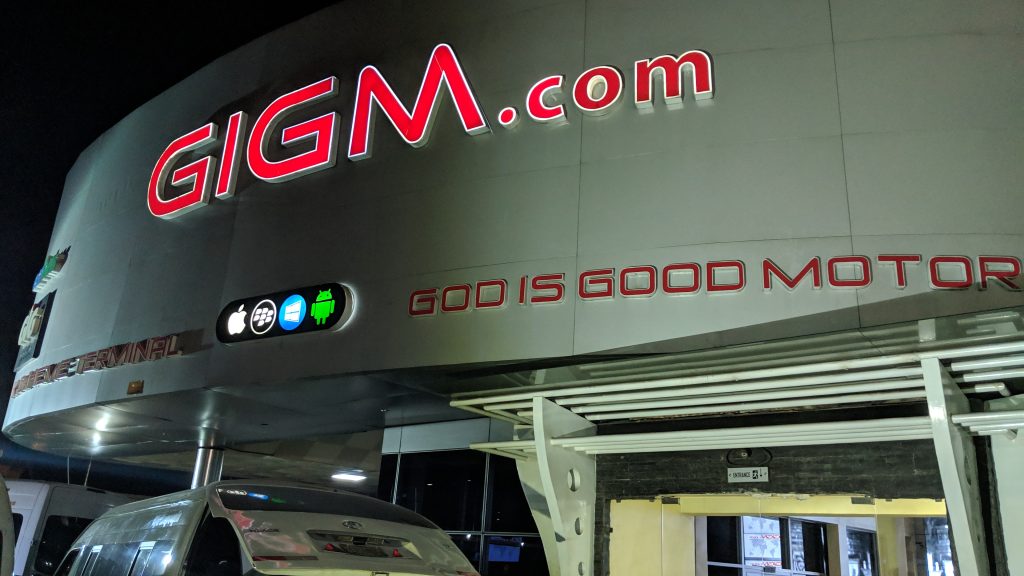
Among the most impactful developments is the use of real-time tracking systems in public transportation services. Companies like GIGM (God is Good Motors) are incorporating GPS technology to provide travelers with live updates about bus locations and estimated arrival times. This transparency not only increases trust in transport services but enhances the overall travel experience as commuters can plan their movements with accurate real-time data, reducing waiting times and frustrations.
Moreover, the growing trend of mobile-first platforms is enabling travelers to manage their entire journey from a single interface. Apps such as Travelstart and Wakanow allow users to book flights, reserve accommodations, rent cars, and manage itineraries at their fingertips. By streamlining these processes, these platforms take advantage of diverse functionalities to offer a comprehensive travel solution in Nigeria’s fragmented environment, making travel more accessible for everyone.
The integration of big data analytics is another game-changer. Businesses in the travel sector are now utilizing data insights to understand customer preferences and travel patterns better. For instance, air travel agencies are analyzing historical flight data to predict demand and adjust ticket pricing dynamically. This application of technology helps to optimize pricing strategies, ultimately providing travelers with better deals while maximizing operational efficiency.
Another emerging trend in enhancing logistics is the rise of drone technology for logistics and delivery. While still in its infancy, companies like Flutterwave Logistics are exploring the potential of using drones to expedite parcel deliveries in urban areas. This futuristic approach not only promises to cut down delivery times significantly but also reduces road congestion, which remains a challenge in Nigeria’s bustling cities.
The recent introduction of smart ticketing systems is gaining traction as well, especially in the public transport sector. Initiatives like the Lagos Bus Rapid Transit (BRT) have embraced smart cards that can be topped up digitally, allowing for quicker and more efficient boarding of buses. This not only enhances the travel efficiency but also reduces the reliance on cash, which can often lead to delays and security concerns.
As tech-savvy Nigerians increasingly adapt to these new innovations, the ecosystem itself is staged for continuous growth. Social media platforms and peer-review systems play crucial roles in shaping the future of travel experiences. Apps like Google Maps and Waze are empowering users to share information concerning traffic conditions, road closures, and best routes, fostering a collaborative spirit among travelers. Such communal sharing enhances the sense of safety and community as users benefit from real-time updates from fellow travelers.
Ultimately, the intersection of technology and logistics is ensuring that travel in Nigeria evolves into a more streamlined and enriching endeavor, offering new tools and solutions that cater to the dynamic needs of modern travelers.
LEARN MORE: This related article may interest you
Conclusion: Embracing Change for a Better Travel Experience
The advent of technology in the logistics sector is undeniably reshaping the travel experience in Nigeria, addressing long-standing challenges with innovative solutions. From real-time tracking systems that foster transparency in public transportation to mobile-first platforms that consolidate travel management, the synergy between technology and logistics provides a promise of enhanced efficiency and accessibility. As evidenced by businesses like GIGM and Travelstart, the application of cutting-edge tools allows travelers to navigate the complexities of their journeys with newfound ease.
Additionally, the incorporation of big data analytics empowers service providers to meet customer demands effectively, resulting in competitive pricing and optimized service delivery. The exploration of futuristic options, such as drone technology for logistics and smart ticketing systems in public transport, signifies a shift towards modern solutions that not only save time but also enhance user experience. Such advancements allow travelers to engage with their environment more confidently, making safety and convenience paramount.
The rise of collaborative applications, exemplified by Google Maps and Waze, further underscores the efficacy of technology in fostering community among travelers. As Nigerians adapt to these innovations, it becomes evident that the fusion of technology and logistics is setting the stage for a travel landscape that is more efficient, enjoyable, and user-centric. As we move forward, continuous investments in these technologies will be vital for paving the way toward a revolutionary travel experience that keeps pace with the needs of a dynamic population. Now is the time for both businesses and travelers to leverage these opportunities and shape a brighter future for travel in Nigeria.