
Sustainable Crafting: Eco-Friendly Materials for Your Next Project
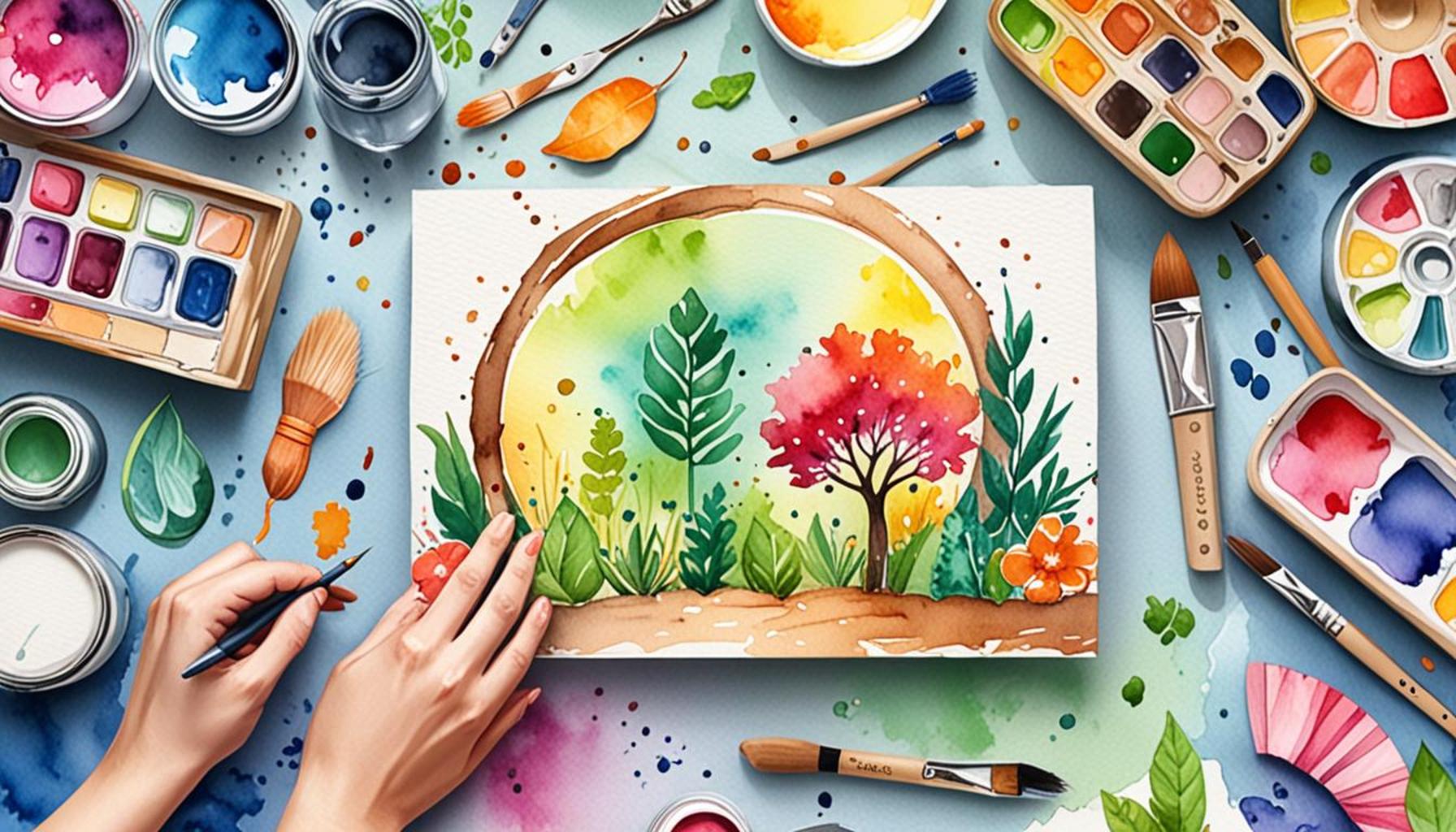
Discovering Sustainable Crafting Materials
As consumers become more conscious of their environmental footprint, the crafting community is embracing sustainable options that weave responsibility with artistry. Engaging in sustainable crafting goes beyond just making beautiful projects; it fosters a deeper connection to the earth and supports a more ethical lifestyle. By selecting eco-friendly materials, crafters can transform their creative endeavors into a vehicle for positive change.
One of the core advantages of sustainable crafting is the rich array of materials available that tell a story of environmental stewardship. Below are some captivating examples of sustainable materials you might consider for your next project:
- Bamboo – Renowned for its rapid growth and renewability, bamboo is not just for building materials or furniture; it’s also an excellent choice for crafting. Yarn, paper, and cutlery derived from bamboo are biodegradable and provide a unique aesthetic. For instance, bamboo yarn is soft and breathable, making it ideal for creating eco-friendly garments.
- Recycled Paper – Instead of tossing aside unwanted documents, why not repurpose them? From greeting cards to intricate collages, crafting with recycled paper allows artists to breathe new life into waste. Innovative brands are creating beautiful papers from discarded textiles, bringing a vibrant texture to works of art.
- Cork – A surprisingly versatile option, cork is harvested sustainably from the bark of cork oak trees, allowing the tree to continue growing. Cork’s unique properties make it perfect for items like coasters, wallets, or even decorative wall art. Its natural insulation contributes not only style but also functionality to your projects.
- Natural Dyes – A wonderful way to explore the palette of nature, natural dyes derived from fruits, vegetables, and plants offer an array of vibrant colors. Think of the deep reds from beets, the rich blues from indigo, or the sunny yellows from turmeric. Using these dyes not only helps reduce reliance on synthetic chemicals but connects you to ancient crafting traditions.
But why is it essential to prioritize sustainable materials in your crafting journey? By choosing eco-friendly supplies, you actively participate in reducing environmental degradation. Here are some noteworthy benefits:
- Minimizing landfill waste – Crafting with upcycled or biodegradable materials diverts waste from landfills, significantly reducing your personal impact on the planet.
- Supporting ethical supply chains – Many sustainable materials are sourced from companies committed to fair labor practices. By opting for these materials, you contribute to a movement that prioritizes human rights and social responsibility.
- Fostering a connection with nature – Engaging with sustainable crafting can lead to a greater appreciation for the environment. Understanding where materials come from allows crafters to develop a more mindful approach to both their art and the world around them.
In this exploration of sustainable crafting, we invite you to delve deeper into the many possibilities that await. Whether you’re a seasoned artisan or a novice creator, embracing eco-friendly materials can elevate your projects while nurturing the planet. Let’s embark on this creative adventure together—one that honors both your artistic flair and the earth!
DIVE DEEPER: Click here to uncover the secrets of turning your passion into profit
Expanding Your Crafting Horizons with Eco-Friendly Choices
As you gear up for your next crafting project, the materials you choose can greatly enhance both the creative process and the end result. Embracing sustainable crafting means tapping into a treasure trove of eco-friendly materials that not only serve a purpose but also resonate with a commitment to the environment. Let’s explore some fascinating options and innovations in sustainable materials that are making waves in the crafting community across the United States.
The world of eco-friendly crafting offers a plethora of unique materials which can inspire creativity while promoting ecological sustainability. Here are some sustainable materials to consider:
- Organic Cotton – Cultivated without the use of pesticides or synthetic fertilizers, organic cotton is an excellent choice for projects such as quilts and clothing. Its softness and breathability make it a favorite among crafters who appreciate quality while remaining environmentally conscious. Look for GOTS (Global Organic Textile Standard) certified fabrics to ensure your materials meet high sustainability standards.
- Hemp – This fast-growing plant requires little water and no pesticides, making it one of the most sustainable materials available. Hemp fibers are robust, naturally resistant to mold, and biodegradable. Use hemp for making sturdy bags or eco-chic accessories that not only make a statement but also promote sustainability.
- Reclaimed Wood – As aesthetic as it is practical, reclaimed wood provides a rustic charm to any project, from furniture to decorative home goods. By using wood that has been salvaged from old buildings or furniture, you reduce the need for new lumber, which can contribute to deforestation. This choice supports both creativity and conservation.
- Biodegradable Glitter – Traditional glitter poses a significant threat to marine life when washed off into waterways. However, eco-friendly options made from plant cellulose or minerals offer the sparkle you love without the environmental impact. These biodegradable glitter options break down naturally, making them a perfect choice for festive crafting.
Integrating sustainability within your crafting does more than just lessen your carbon footprint. The benefits are manifold and encourage a more responsible approach towards creativity:
- Reducing Resource Depletion – By opting for recycled or responsibly sourced materials, you play a vital role in conserving precious resources, such as trees and minerals that are essential to maintaining ecological balance.
- Encouraging Mindfulness – Sustainable crafting invites you to be more intentional about your material choices. This process can lead to a deeper connection with your projects, elevating your crafting experience by infusing it with purpose.
- Inspiring Others – When you share your sustainable creations, you inspire those around you to consider eco-friendly practices. Your commitment can spark a wider movement towards sustainability within your community.
With the vast array of eco-friendly materials available today, sustainable crafting opens doors to endless creativity without compromising your values. In the following sections, we’ll delve deeper into specific projects, techniques, and expert tips that will help you fully embrace this rewarding journey, ensuring that your crafting endeavors align with an environmentally-conscious future.
| Category | Advantages |
|---|---|
| Natural Fibers | Made from renewable resources, these materials are biodegradable and less harmful to the environment. |
| Recycled Materials | Using items like reclaimed wood and recycled paper reduces waste and energy consumption in manufacturing. |
| Non-toxic Paints and Adhesives | These products improve indoor air quality and safety, protecting both makers and the environment. |
| Sustainable Sourcing | Material sourcing that considers ecological impact promotes ethical practices and supports local economies. |
The shift towards eco-friendly materials in crafting is gaining momentum, not only because it addresses environmental concerns but also adds a unique charm to each project. For instance, Natural fibers like cotton and hemp offer durability without compromising ecological integrity. As artisans opt for recycled materials, they contribute to a circular economy, drastically reducing the carbon footprint typical in conventional crafting. Moreover, the use of non-toxic paints and adhesives ensures a safer crafting environment, healthier for both creators and consumers, while maintaining aesthetic appeal. Lastly, embracing sustainable sourcing practices not only provides artisans with innovative materials but also fosters responsible consumption that resonates with conscious consumers. As you embark on your next crafting journey, consider these advantages and explore the creative possibilities they unlock.
DISCOVER MORE: Click here to learn how to turn your passion into profit
Exploring Innovative Materials for Sustainable Creativity
As the movement for eco-conscious crafting expands, beyond traditional options, crafters are discovering a range of innovative materials that are both sustainably sourced and incredibly versatile. These materials not only support environmental stewardship but also elevate your crafting game to new levels. Here, we showcase some of the most exciting options that can redefine your next project while keeping sustainability at the forefront.
- Bamboo – Renowned for its rapid growth and minimal resource requirements, bamboo is an attractive option for crafting. Its fibers can be transformed into fabrics for clothing, accessories, or even home décor. Additionally, bamboo’s inherent antibacterial properties make it ideal for items like kitchenware and utensils, allowing you to craft eco-friendly alternatives to plastic.
- Cork – Harvested from the bark of cork oak trees without harming them, cork is a renewable resource that is naturally water-resistant and lightweight. Crafters are increasingly using cork in a variety of applications, from coasters and wallets to bags and shoes. Its unique texture adds an appealing aesthetic while remaining compostable at the end of its lifecycle.
- Natural Dyes – As the textile industry shifts away from synthetic dyes laden with harmful chemicals, natural dyes derived from plants, fruits, and even insects have gained traction. From turmeric to avocado pits, these sources produce a fascinating array of colors that are not only safe for the environment but also deepen the connection to your crafts, as many colors reflect the story of their origin.
- Paper Mache – While traditional paper may seem less significant, considering recycled paper crafts in your projects can be incredibly empowering. Paper mache allows crafters to repurpose old newspapers and other recyclable paper into art pieces, sculptures, or decorative items. By using paper in this way, you help reduce landfill waste while creating charming additions to your home.
With these innovative materials, you can further solidify your commitment to sustainability while taking on new crafting challenges. The environmental benefits extend beyond mere resource conservation:
- Promoting Local Economies – Choosing materials that are locally sourced helps to support regional businesses and artisans. By investing in your local economy, you contribute to community growth while reducing the carbon footprint associated with transporting materials over long distances.
- Encouraging Waste Reduction – Utilizing scraps, remnants, or leftover materials from one project for another not only minimizes waste but stimulates creativity. Think outside the box to design patchwork quilts or mosaic art from unused fabric or broken dishware.
- Building a Sustainable Crafting Community – Engaging in sustainable crafting connects you with like-minded individuals who share your passion for the environment. By participating in workshops or online forums, you can exchange ideas, share tips, and spread awareness about the importance of eco-friendly practices in crafting.
Adopting these eco-friendly materials and approaches in your crafting journey can cultivate a rewarding experience that aligns with your values while sparking creativity. As we continue to explore the vast landscape of sustainable crafting, it is clear that each choice made can pave the way for a more responsible and imaginative future in the crafting community.
DISCOVER MORE: Click here for insights on turning your hobby into profit
Embracing a Future of Responsible Creativity
In conclusion, the realm of sustainable crafting offers endless possibilities to express creativity while prioritizing the health of our planet. By opting for eco-friendly materials—such as bamboo, cork, natural dyes, and recycled paper—you not only reduce your environmental footprint but also contribute to a burgeoning movement towards responsible consumption. Each carefully chosen material tells a story and serves as a reminder of the significance of sustainable practices in the crafting community.
The advantages extend beyond individual projects; they encompass broader implications that resonate within local communities and ecosystems. By focusing on locally sourced supplies, crafters can strengthen regional economies and diminish transport-related emissions. Furthermore, a commitment to minimizing waste encourages creativity, allowing artisans to transform what may seem like rejects into stunning, one-of-a-kind pieces.
To further bolster this movement, consider joining workshops, local groups, or online platforms dedicated to sustainable crafting. The exchange of ideas and techniques among like-minded individuals can ignite inspiration and broaden your crafting horizons. Together, we can foster a culture of sustainability that not only nurtures individual creativity but also ushers us toward a more harmonious relationship with our environment.
As you embark on your next project, let the principles of sustainability lead your choices, turning your creativity into a powerful force for positive change. The journey of eco-conscious crafting is not just about creating; it’s about reshaping the world around us—one handmade item at a time.