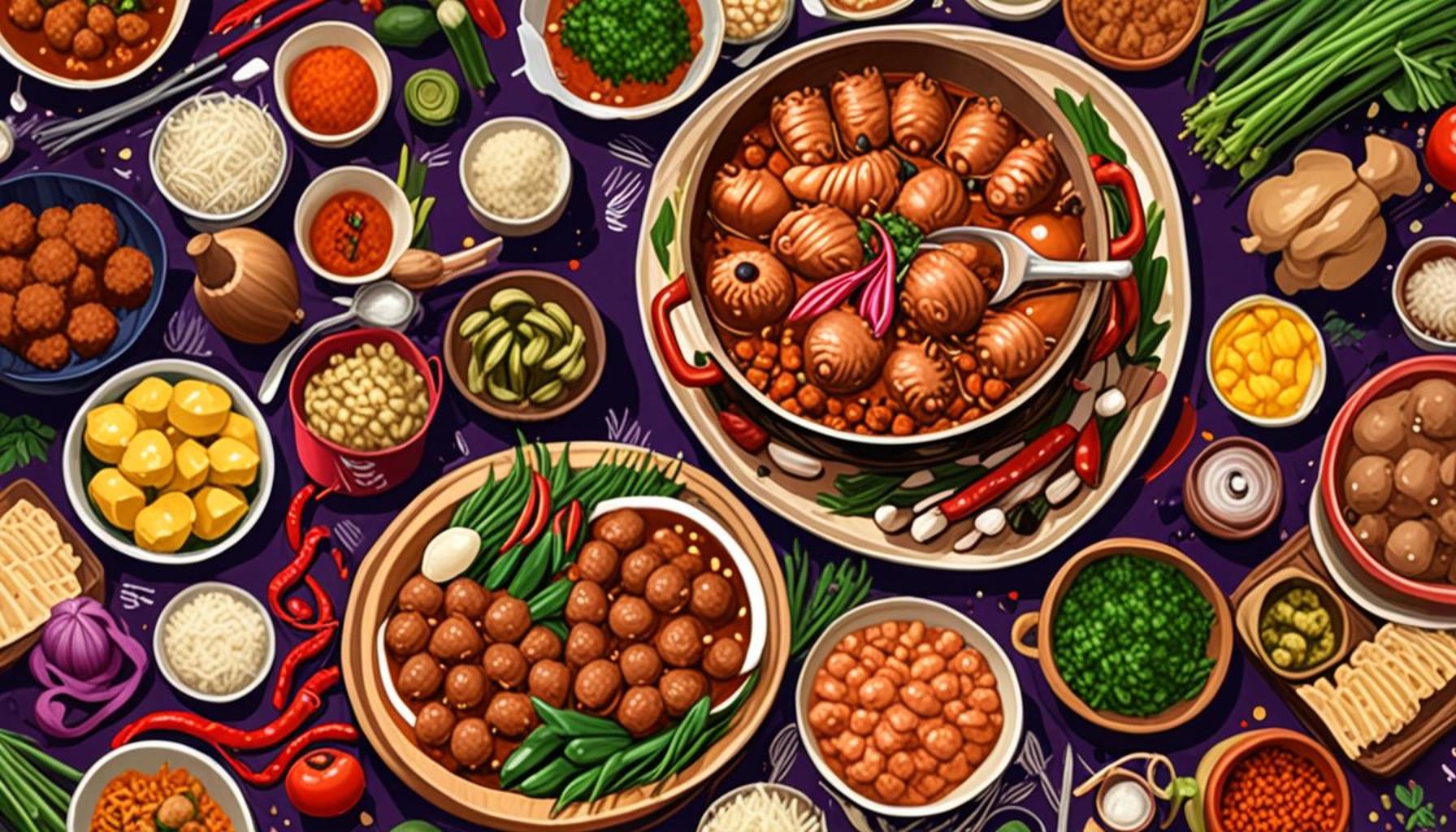
Seaside Kitchen: Discovering the Dishes of Calabar
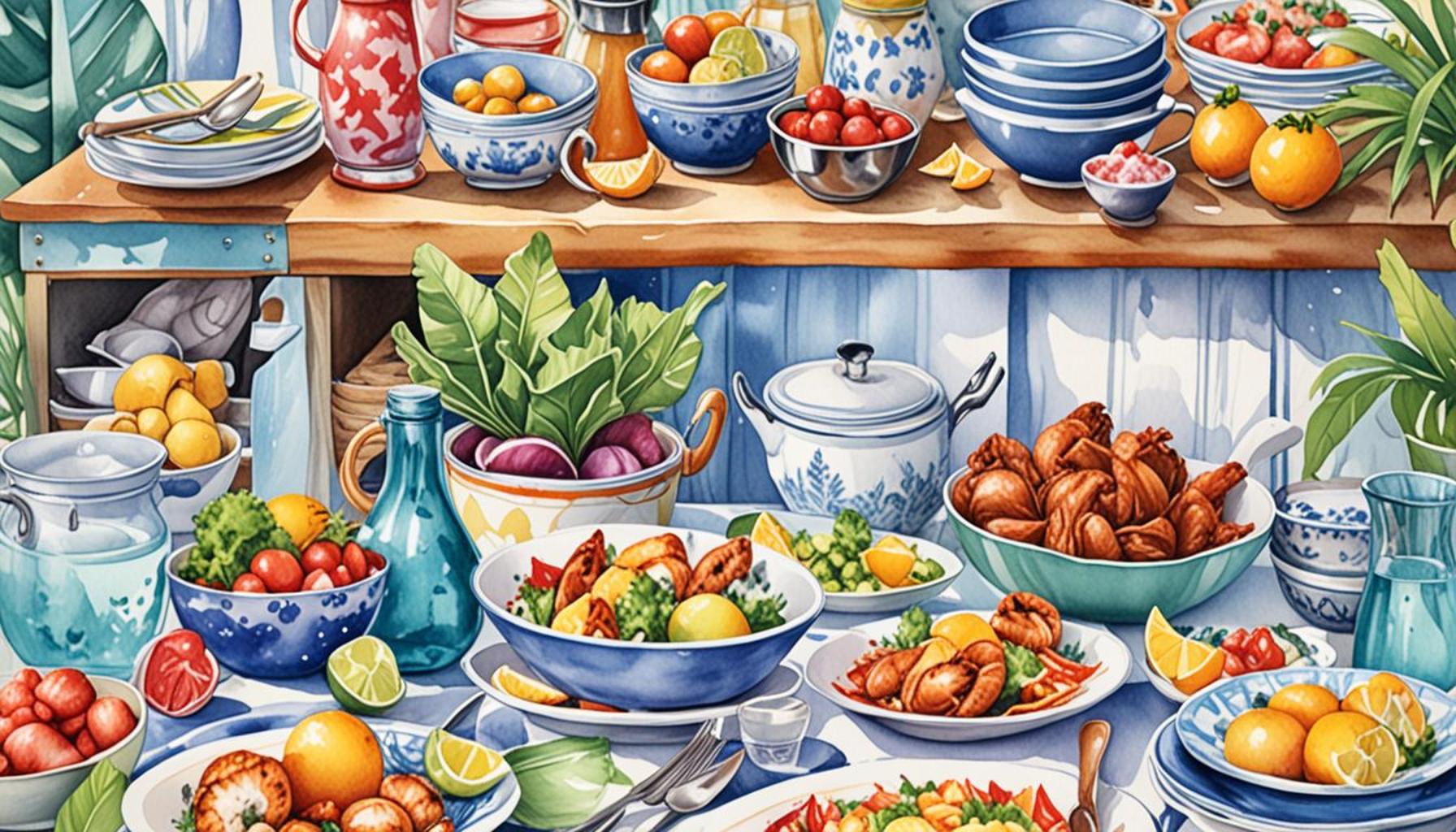
Exploring the Depths of Calabar’s Culinary Heritage
Calabar, often referred to as the “Cultural Capital of Nigeria,” is not only a hub of artistic expressions but also a tapestry of culinary art that reflects the coastal richness and the traditions of the area. The city is a melting pot of diverse cultures, with influences ranging from the Efik, Efut, and the various Niger Delta ethnicities. Each group brings its uniqueness to the kitchen, crafting dishes that tell the story of the people and their connection to the land and sea. The local cuisine transforms simple ingredients into gourmet experiences that cater to both locals and tourists alike.
What Makes Calabar Cuisine Unique?
The dishes of Calabar stand out for a multitude of reasons, creating a culinary experience that beckons exploration and appreciation.
- Fresh Ingredients: The proximity to the Atlantic Ocean provides Calabar with a bonanza of seafood options, including fish, crabs, and shrimps, all of which are typically caught that day. Paired with vibrant fruits like mangoes and pineapples, as well as a variety of locally grown vegetables, these fresh ingredients encapsulate the essence of the region’s farming and fishing practices.
- Bold Spices: In Calabar, culinary art is distinguished by an array of bold spices and indigenous herbs. Dishes are often seasoned with locally sourced flavors such as uziza (a Nigerian pepper), and ehuru (Calabash nutmeg), which lend unique zest and aromas that tantalize the senses. These ingredients not only enhance the taste but also echo the rituals and beliefs surrounding them within the culture.
- Cultural Fusion: The influence of various ethnic backgrounds melds together in Calabar’s kitchens. For instance, the incorporation of elements from Yoruba and Ibo cooking techniques introduces an enriching complexity to traditional Efik dishes. This fusion becomes evident in popular meals like edikang ikong, a hearty vegetable soup brimming with meat and spices, showcasing the beauty of diversity and cross-cultural exchange.
Calabar cuisine is an embodiment of its people’s identity, where every meal becomes a narrative thread connecting generations. The widely adored ekpang nkukwo, a delicious yam and vegetable dish wrapped in leaves, offers a glimpse into how traditional cooking methods are preserved while still evolving over time. Likewise, the famous pepper soup, often enjoyed during social gatherings, serves as more than just a spicy broth; it fosters communal bonding and storytelling. Each spoonful warms the heart and brings people together, resonating deeply within the community.
As you embark on a journey through the rich culinary landscape of Calabar, prepare to unearth a treasure trove of flavors and experiences that invite greater appreciation for this culturally vibrant city. Whether indulging in street food, dining in a local restaurant, or participating in annual food festivals that celebrate these traditions, the dishes of Calabar are sure to leave an indelible mark on anyone fortunate enough to partake in its culinary heritage.
LEARN MORE: This related article may interest you

Diving into Calabar’s Culinary Delights
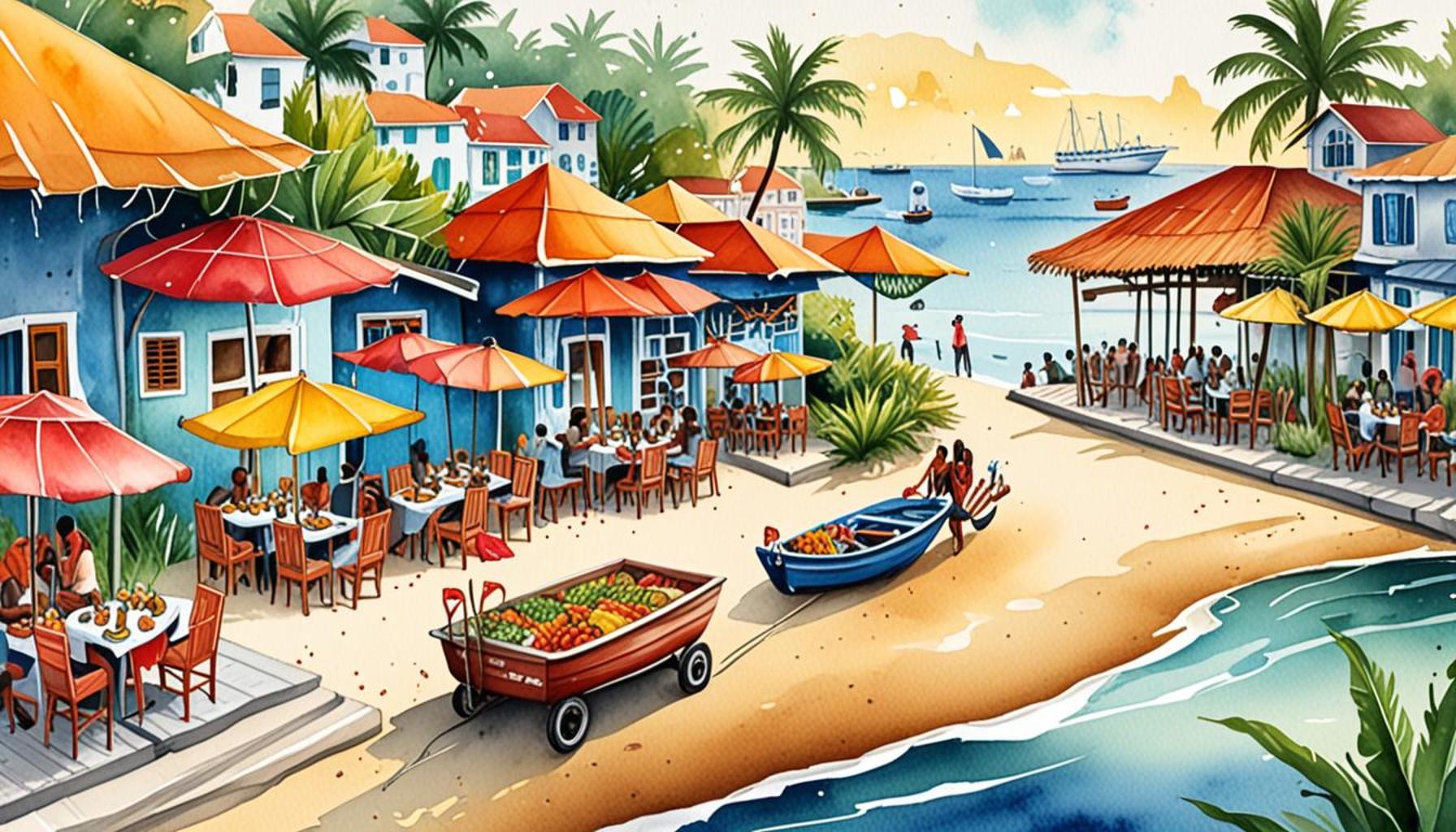
To truly understand the allure of Calabar’s cuisine, one must embrace the region’s vibrant culture and its profound connection to the sea. The seaside kitchen of Calabar is not merely about preparing food; it’s an art that celebrates life itself. As the sun rises over the Atlantic, the local fishermen cast their nets, bringing in the freshest catch that will soon appear on dining tables across the city. This daily ritual exemplifies how Calabar’s culinary offerings are woven into the daily lives of its people.
The Flagship Dishes of the Seaside Kitchen
Among the treasures that emerge from Calabar’s seas are several signature dishes that resonate deeply with both locals and visitors, each telling a story of tradition and flavor.
- Fisherman’s Soup: A staple in Calabar, this soup is crafted from the day’s fresh catch, seasoned with a unique blend of spices, and often enjoyed with rice or plantain. The use of ingredients like pepper and bitterleaf enhances its flavor, making it a beloved dish during festive occasions.
- Okra Soup: Known for its distinctively slimy texture, this soup incorporates locally sourced seafood and meat, creating a rich dish that is enjoyed with fufu or pounded yam. The labor of preparing this soup speaks volumes about the communal spirit as families gather to cook and share meals together.
- Calabar Jollof Rice: While Jollof Rice is popularly consumed across Nigeria, Calabar has its own twist. Infused with spices from the region, the rice is cooked alongside the freshest seafood, giving it a unique coastal taste that is unmatched.
- Ukodo (Yam Pepper Soup): This popular dish is often enjoyed at gatherings, blending yam with fish and spices in a peppery broth. The warmth and richness of ukodo are emblematic of hospitality in Calabar culture and are served with enthusiasm during social events.
Each of these dishes is not just a meal; it stands as a cultural ambassador, inviting all to savor a piece of Calabar’s history and its vibrant seaside life. But it is not exclusively about the food; it is also about the experiences that accompany these dishes. Vendors setting up stalls at bustling markets, street food being passed between hands, and the aroma of spices wafting through the air—these moments encapsulate the spirit of Calabar’s culinary scene.
The seaside kitchen of Calabar is, thus, a living gallery of flavors, where every bite connects you to the land and sea. For anyone looking to delve deeper into the culinary wonders of this region, exploring these flagship dishes offers an enticing glimpse into why Calabar stands as a beacon of gastronomic delight in Nigeria.
| Category | Description |
|---|---|
| Local Ingredients | Utilizes fresh seafood and locally sourced produce, enhancing the flavors unique to Calabar’s coastal region. |
| Cultural Significance | Dishes reflect the rich history and traditions of the Calabar people, making every meal a cultural experience. |
The thematic richness of “Seaside Kitchen: Discovering the Dishes of Calabar” immerses readers in the culinary artistry of this beautiful Nigerian region. As you delve into the recipes, the importance of local ingredients becomes evident. Coastal fisheries provide an abundance of fresh seafood, lending a distinct flavor profile unique to this area.Moreover, the cultural significance behind each dish allows one to appreciate the stories woven into every plate. Recipes often celebrate traditional festivals and family gatherings, offering insight into the vibrant heritage of Calabar. The interplay of spices and techniques symbolizes generations of knowledge passed down, culminating in a dining experience that is both satisfying and enlightening. The synergy of fresh produce and historical narratives captivates anyone eager to explore Calabar’s rich culinary landscape further.
SEE ALSO: Click here to read another article
Experiencing Calabar’s Culinary Culture
The culinary landscape of Calabar extends beyond the dishes themselves; it is deeply entrenched in the cultural expressions and rituals of the people. The seaside kitchen serves as a gathering point, fostering community and tradition. Calabar, often referred to as the “Cultural Capital of Nigeria,” showcases its rich heritage through culinary festivals, where food becomes a focal point of celebration and shared identity.
The Role of Festivals in Celebrating Food
Annual events such as the Calabar Food and Drink Festival highlight the region’s vibrant culinary scene. This exhilarating festival draws in people from all walks of life to indulge in traditional dishes and innovative recipes, showcasing an array of coastal ingredients. Participating chefs and local vendors provide a culinary tour de force, from street food delights to gourmet experiences that fuse traditional cooking methods with contemporary flair. Attendees not only have the chance to savor Fisherman’s Soup and Okra Soup, but also to participate in cooking demonstrations, where they learn how to prepare these dishes themselves.
Such festivals also present an opportunity for local farmers and fisherman to showcase their products, creating a thriving network where the community supports local economies. The integration of music, dance, and storytelling during these events elevates the experience, allowing attendees to absorb the essence of Calabar’s culinary heritage. It’s a vibrant tapestry of flavors and sounds that showcases the area’s longstanding traditions.
Street Food and Its Significance
No exploration of Calabar’s seaside kitchen would be complete without a nod to its dynamic street food culture. The streets of Calabar are lined with brightly colored food stalls, each radiating enticing aromas that beckon passersby. Here, dishes such as Boli (grilled plantains) and pepper soup are served hot and fresh, offering a taste of the everyday life of Calabarians.
Street food vendors play a crucial role in the culinary landscape; they are the keepers of traditional recipes passed down through generations. By sampling these quick, satisfying meals, food lovers can connect with the local culture on a more intimate level. Whether it’s the rich, spicy flavor of roasted corn paired with coconut, or a bowl of steaming fish pepper soup, the street food experience provides a snapshot of Calabar’s essence.
Beyond the Plate: The Influence of Local Ingredients
The market scene in Calabar is another testimony to the region’s culinary prowess. Local markets bustled with activity serve as the heart of the seaside kitchen, where spices, fresh herbs, and seafood are traded. Ingredients like uziza seeds, bitterleaf, and crayfish are staples that contribute layers of flavor to Calabar dishes. The emphasis on fresh, locally sourced ingredients not only supports sustainable practices but also ensures that the cuisine remains authentic and reflective of the local environment.
Moreover, the unique blend of indigenous ingredients alongside spices brought by the diverse ethnic groups that inhabit the region results in a culinary fusion that is distinctly Calabarian. This amalgamation of tastes showcases the area’s history of trade and migration, creating a flavorful legacy that continues to evolve.
As you delve deeper into the wonders of Calabar’s seaside kitchen, you find that every plate served brings to life centuries of culinary knowledge, community bonding, and a tribute to the bountiful sea. The dishes served here are not just food; they are stories waiting to be tasted and shared.
RECOMMENDED: Check out this similar article
Conclusion: A Culinary Journey Through Calabar’s Seaside Kitchen
The exploration of Calabar’s seaside kitchen is a vivid invitation to not only savor its renowned dishes but also to appreciate the rich culture that envelops them. From the bustling markets brimming with fresh ingredients to the lively street food scenes and festive celebrations, every aspect reflects a deep-rooted connection between the people and their land. The Calabar Food and Drink Festival serves as a powerful testament to this connection, showcasing both traditional and innovative culinary practices that bridge generations.
As you indulge in iconic dishes like Fisherman’s Soup and Okra Soup, it becomes clear that these meals are not merely about nourishment; they encapsulate stories of community, heritage, and resilience. The street food vendors, serving beloved classics such as Boli and pepper soup, act as cultural custodians, ensuring that the flavors of Calabar remain accessible and cherished.
Ultimately, the seaside kitchen of Calabar invites food enthusiasts and curious travelers alike to partake in an immersive experience of taste, tradition, and togetherness. As the aroma of spices wafts through the air and the laughter of communities fills the streets, it becomes evident that Calabar’s culinary identity is a treasure trove waiting to be discovered, remembered, and celebrated. For anyone eager to delve deeper into Nigeria’s culinary scene, a journey to Calabar is not just recommended—it’s essential.