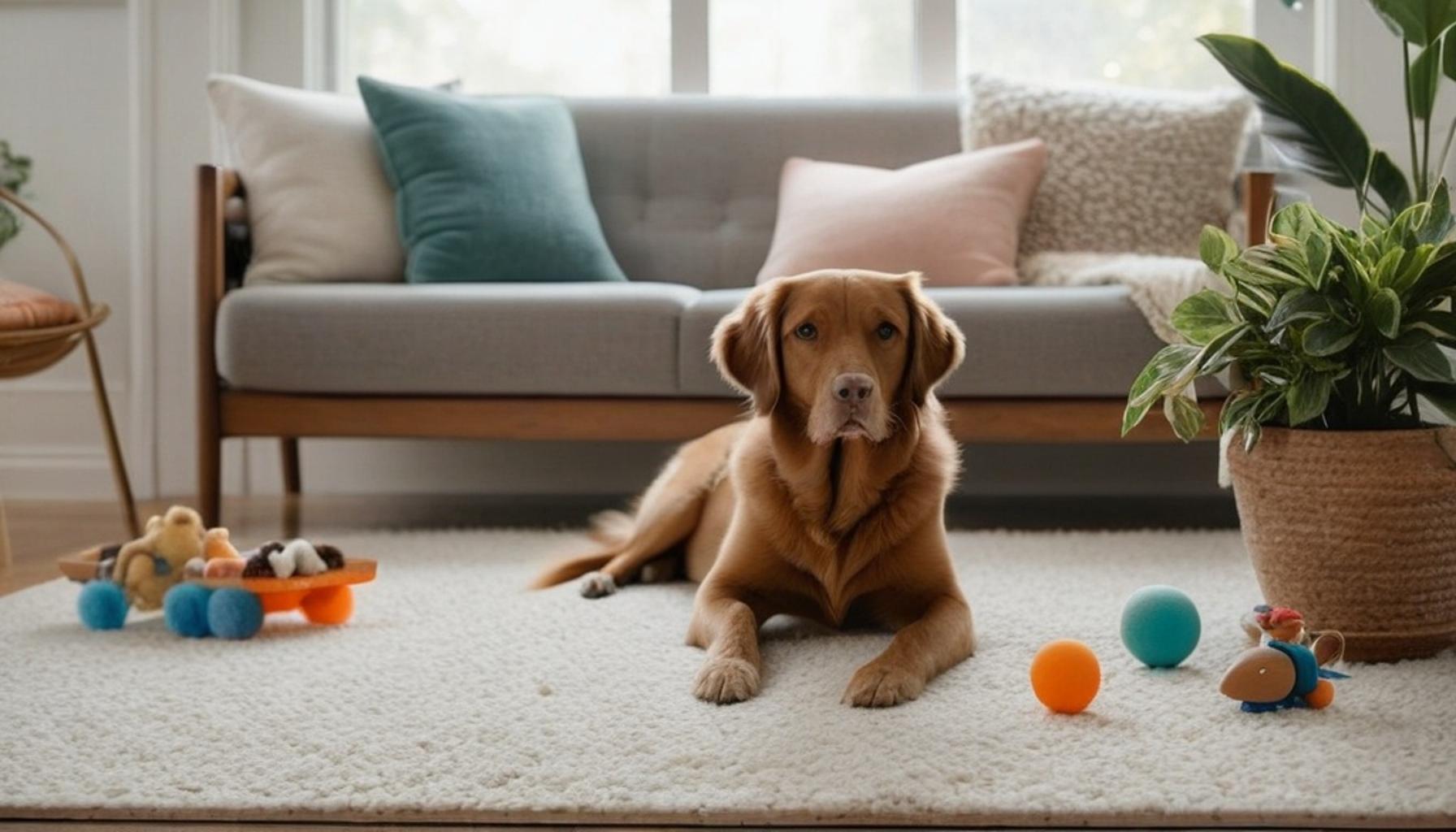
The Importance of Pet Hygiene in Maintaining the Health of Dogs and Cats in Indoor Environments
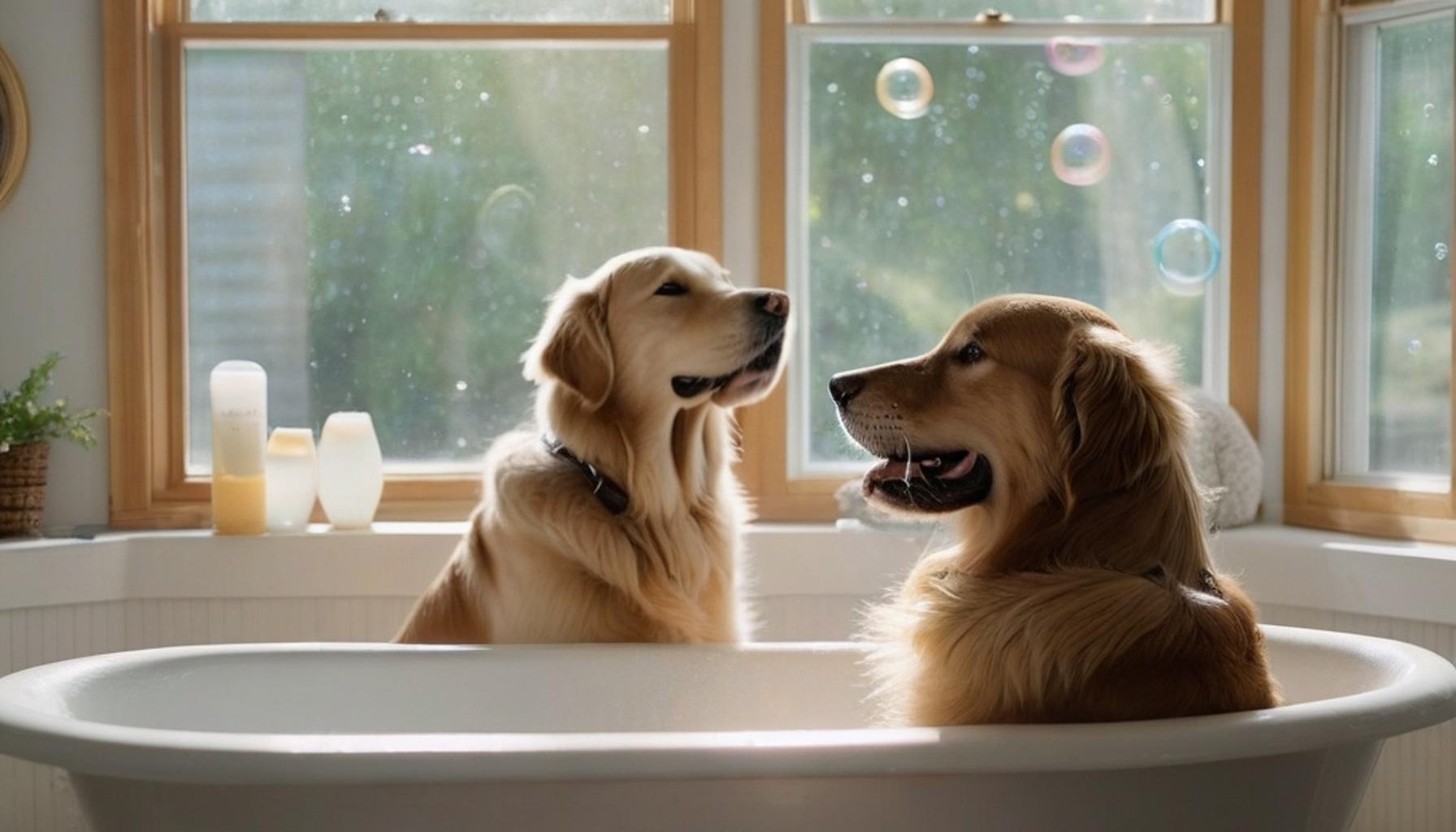
Why Clean Pets Mean Healthier Homes
Across Lagos, Abuja, and Port Harcourt, more families are welcoming dogs and cats into their apartments and compounds than ever before. From gated estates in Lekki to family compounds in Kubwa, pets have become companions, protectors, and even status symbols. With this shift comes a responsibility many pet owners underestimate: pet hygiene for indoor dogs and cats is not just about smell or appearance, it directly affects household health in ways that are easy to overlook until problems appear.
Indoor environments trap bacteria, parasites, and allergens differently than open compounds do. A dog that walks through Lagos mud during the rainy season, or a cat that uses an outdoor litter area near a gutter, can bring pathogens straight into your living room, your children’s bedroom, or even your kitchen without anyone noticing until symptoms emerge.
The Hidden Health Risks Indoors
Veterinary studies show that poor grooming habits contribute to over 60% of preventable skin infections in domestic pets. These conditions often spread quietly before symptoms become visible to owners, meaning a seemingly healthy pet could already be carrying issues that transfer to humans, particularly children who play closely with animals.
Understanding the importance of pet hygiene means recognizing several everyday risks that many Nigerian households face without realizing it:
- Flea and tick infestations that thrive in warm Nigerian climates, especially during the humid rainy months
- Fungal infections spread through shared bedding, carpets, or furniture where spores linger unnoticed
- Bacterial buildup from unclean litter boxes or feeding bowls left unwashed for days
- Respiratory issues triggered by matted fur and dander, particularly concerning in poorly ventilated apartments
What This Article Will Cover
This guide explores practical indoor pet health tips tailored for Nigerian households managing limited space and tropical humidity. You will discover a simple pet hygiene checklist designed for daily, weekly, and monthly routines that fit realistically into a busy Nigerian lifestyle.
We will also examine proven dog and cat grooming tips that veterinarians recommend, alongside strategies for preventing pet diseases indoors before they escalate into costly veterinary visits or family health scares. By the end, you will understand exactly how small hygiene habits create lasting protection for both your pets and your family, turning routine care into a powerful defense against illness.
LEARN MORE: Proper Nutrition: The Foundation for Preventive Health in Pets
The Science Behind Pet Hygiene and Human Health
Many Nigerian pet owners assume that a dog or cat looking clean on the surface means it is healthy underneath. This assumption is where trouble often begins. Pet hygiene for indoor dogs and cats goes far deeper than a shiny coat, it involves microscopic organisms that thrive in warm, humid conditions typical of cities like Warri, Ibadan, and Enugu.
Zoonotic diseases, illnesses that transfer between animals and humans, are more common than most households realize. Ringworm, a fungal infection despite its misleading name, spreads easily from pets to people through direct contact or shared household surfaces. Children sitting on the same rug where a pet naps are particularly vulnerable.
How Indoor Living Changes the Hygiene Equation
Compound dogs in traditional Nigerian settings often self-regulate through outdoor activity, sunlight exposure, and natural airflow. Indoor pets lack these advantages entirely. Without deliberate intervention, bacteria and parasites accumulate faster in enclosed apartments than most owners expect.
This is where the importance of pet hygiene becomes impossible to ignore. Consider these realities affecting homes across Nigeria:
- Air conditioning units in Lagos apartments recirculate pet dander repeatedly, worsening allergies for sensitive family members
- Tiled floors common in Abuja homes trap flea eggs in grout lines, creating hidden infestation zones
- Limited ventilation in Port Harcourt flats allows moisture from wet fur to encourage mold growth on walls and furniture
- Shared sleeping spaces between pets and children increase transmission risk for skin conditions like mange
Veterinarians across major Nigerian cities report a noticeable seasonal spike in flea-related consultations during the rainy season, typically between April and October. Humidity levels above 70%, common during these months, create ideal breeding conditions for parasites that indoor pets carry unknowingly into bedrooms and living areas.
Why Awareness Alone Is Not Enough
Knowing that hygiene matters is only the first step. Many households understand the risks but lack a structured approach to managing them consistently. This gap between awareness and action explains why preventing pet diseases indoors requires more than occasional baths or sporadic vet visits.
A retriever in Lekki and a street-adopted cat in Kubwa face different exposure levels, yet both need consistent care routines. The following sections break down exactly what those routines should include, starting with the daily habits that make the biggest difference.
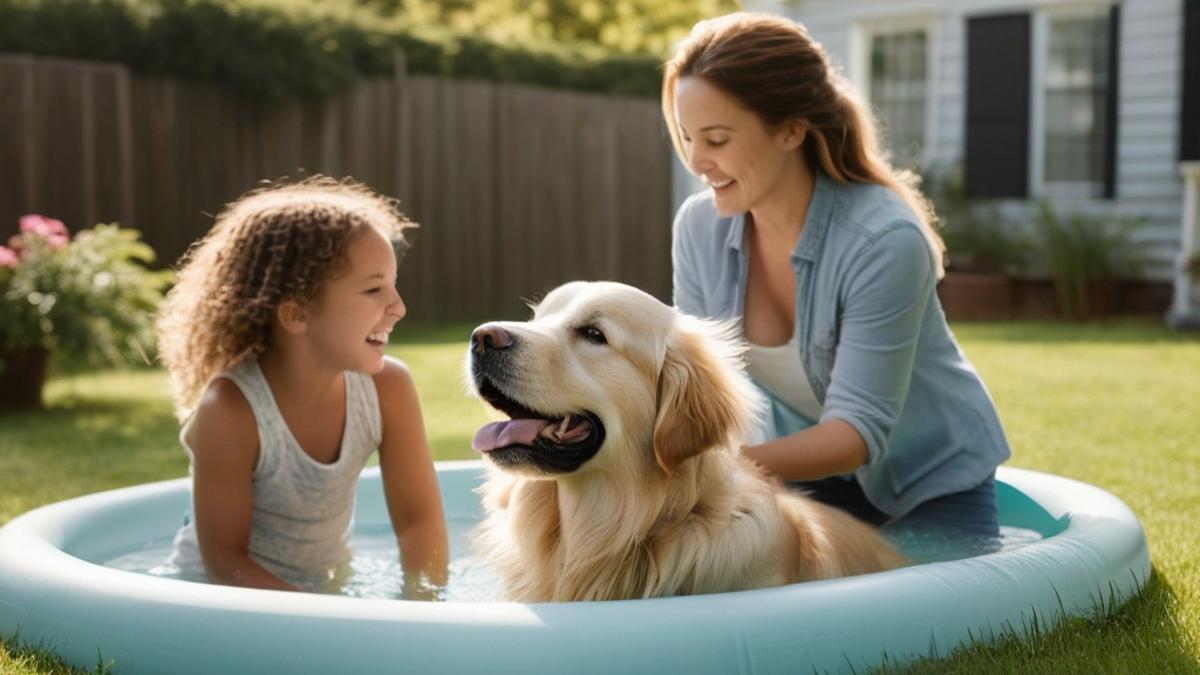
Key Hygiene Practices That Protect Indoor Pets
Understanding Pet hygiene for indoor dogs and cats starts with recognizing which daily habits matter most. Below is a quick-reference breakdown covering essential indoor pet health tips, ideal for building your own pet hygiene checklist and reinforcing the importance of pet hygiene in everyday routines.
| Hygiene Aspect | Health Benefit |
|---|---|
| Dental Care & Brushing | Prevents periodontal disease, which affects over 80% of dogs by age three |
| Regular Bathing & Coat Brushing | Reduces allergens, matting, and skin infections common in dog and cat grooming tips |
| Litter Box & Waste Management | Essential for preventing pet diseases indoors, including parasitic infections |
| Ear and Eye Cleaning | Avoids chronic infections and discomfort in enclosed home environments |
SEE ALSO: The Importance of Hygiene in the Health Routine of Dogs and Cats in Indoor Environments
# Building a Practical Hygiene Routine That WorksTheory means little without practice. A structured pet hygiene checklist transforms scattered good intentions into habits that actually protect your household. Nigerian pet owners juggling work, traffic, and family responsibilities need routines that fit real life, not idealized schedules copied from foreign pet blogs.Start with what veterinarians consider non-negotiable basics.
Daily and Weekly Essentials
Grooming frequency depends on breed, coat type, and local climate conditions. Short-haired dogs common in Nigerian homes, such as Boerboels and local mongrel mixes, need brushing at least three times weekly to remove loose fur and prevent matting. Long-haired cats require near-daily attention to avoid painful tangles that trap dirt and moisture against the skin.
These dog and cat grooming tips apply across most indoor settings:
- Wipe paws with a damp cloth after outdoor bathroom breaks to remove bacteria before pets walk across furniture
- Clean ears weekly using vet-approved solutions, especially for floppy-eared breeds prone to trapped moisture
- Brush teeth two to three times weekly to prevent gum disease, which affects over 80% of dogs by age three according to veterinary dental studies
- Trim nails every two to three weeks to avoid overgrowth that causes joint strain on tiled floors
Bathing schedules often confuse owners. Over-bathing strips natural oils, while under-bathing allows odor-causing bacteria to multiply. Most indoor dogs need bathing every two to four weeks, while cats typically groom themselves adequately unless they have skin conditions or limited mobility.
Managing the Indoor Environment Itself
Hygiene extends beyond the animal’s body into the spaces they occupy. Bedding harbors dead skin cells, saliva, and microscopic mites that multiply rapidly in warm Nigerian homes without air conditioning running constantly. Washing pet bedding weekly in hot water disrupts this cycle before it becomes visible or smelly.
Litter boxes deserve particular attention for cat owners in Enugu, Kano, and other cities where indoor cats are increasingly common. Scooping daily and fully replacing litter weekly prevents ammonia buildup, which irritates respiratory systems in both pets and humans sharing the same rooms.
Food and water bowls, frequently overlooked, become bacterial breeding grounds within hours. Washing them daily with soap rather than simply rinsing eliminates biofilm that standard water rinses cannot remove.
These combined indoor pet health tips create layered protection. No single action prevents disease alone, but consistent daily habits compound into meaningful risk reduction over months and years of shared living space.
SEE ALSO: The Importance of Hygiene in Indoor Environments for the Health of Dogs and Cats
Final Thoughts: Hygiene as a Daily Investment in Shared Health
The evidence points to one clear conclusion: pet hygiene for indoor dogs and cats is not a cosmetic luxury but a functional necessity for households across Lagos, Abuja, Port Harcourt, and beyond. As more Nigerian families embrace indoor pet ownership, the line between animal wellbeing and human wellbeing blurs considerably. What affects your dog’s skin or your cat’s digestive tract eventually touches the air you breathe and the surfaces your children touch.
Throughout this discussion, one theme resurfaces constantly: consistency outperforms intensity. A single deep clean accomplishes far less than modest daily habits repeated over months. The importance of pet hygiene lies precisely in this cumulative effect, small actions compounding into substantial disease prevention.
Beyond the Checklist
A pet hygiene checklist gives structure, but genuine protection demands observation too. Notice changes in coat texture, breath odor, or bathroom habits before they escalate into veterinary emergencies. Nigerian pet owners often delay vet visits due to cost or distance, making early detection through hygiene routines even more valuable.
Consider this a starting framework rather than a rigid formula. Climate, breed, household size, and even flooring type influence how often certain tasks need repeating.
Preventing pet diseases indoors ultimately protects everyone under one roof, pets and people alike. As urban Nigerian homes grow more compact and pets move further indoors, hygiene stops being optional maintenance and becomes foundational care. The households that thrive are those treating cleanliness not as an afterthought, but as an ongoing conversation between owner, animal, and environment.

Linda Carter
Linda Carter is a writer and pet care expert specializing in pet health, grooming, and wellness. With extensive experience helping pet owners create safe, loving, and enriching environments for their animals, Linda shares her knowledge on our platform. Her goal is to empower readers with practical advice and strategies to ensure their pets thrive and lead joyful, healthy lives.