Paths of Nigerian Fashion: A Guide to Cultural and Artisan Trends
The Dynamic Essence of Nigerian Fashion
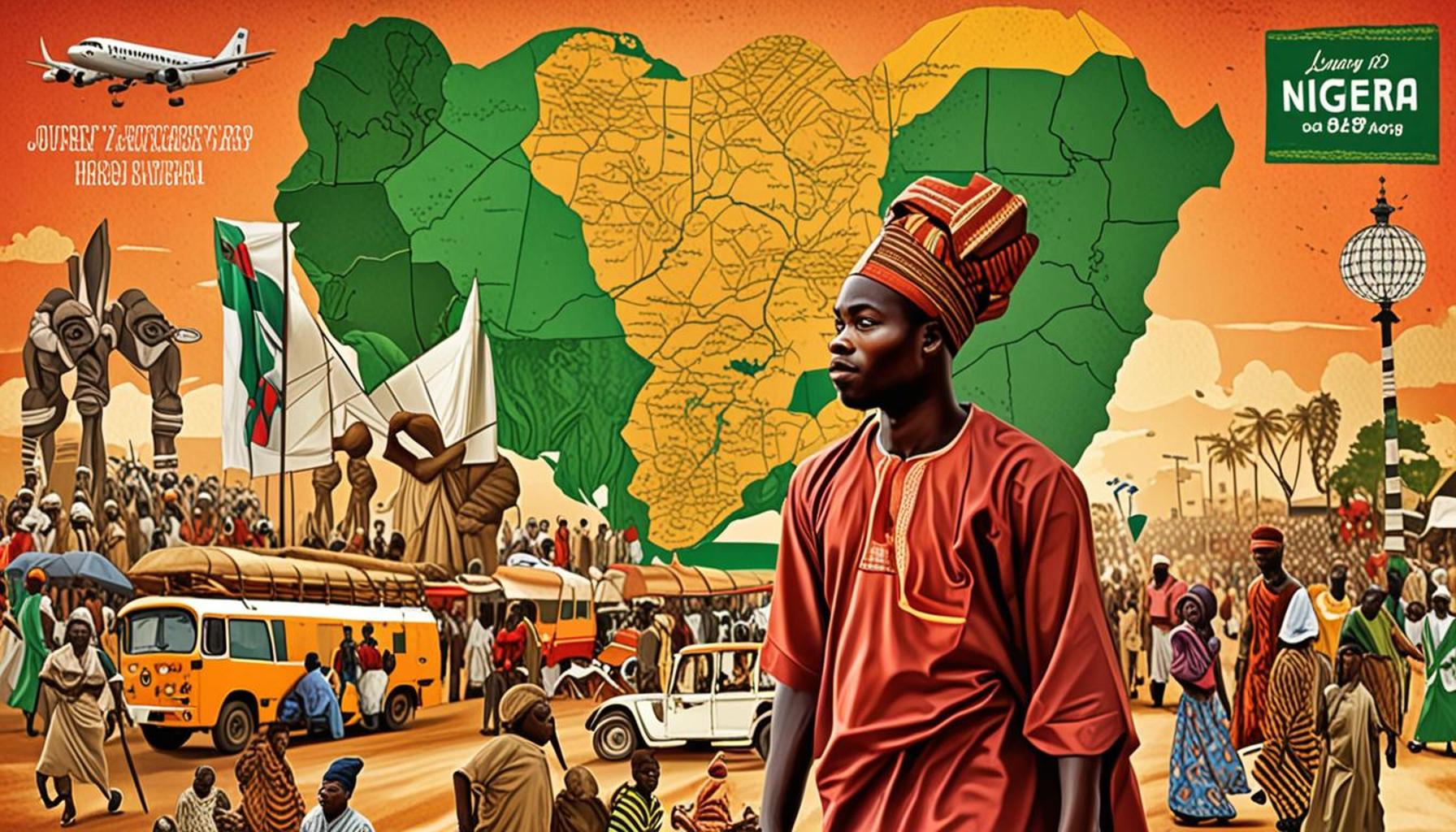
Nigerian fashion is not just a visual spectacle; it embodies a profound narrative interwoven with cultural heritage, artistic innovation, and social commentary. The fashion landscape thrives on a rich diversity influenced by numerous ethnic groups, each contributing unique styles and craftsmanship that reflect their history and identity. From traditional garments to modern-day ensembles, Nigerian fashion tells stories that resonate beyond mere appearances, speaking volumes about societal values, traditions, and aspirations.
Key Features of Nigerian Fashion
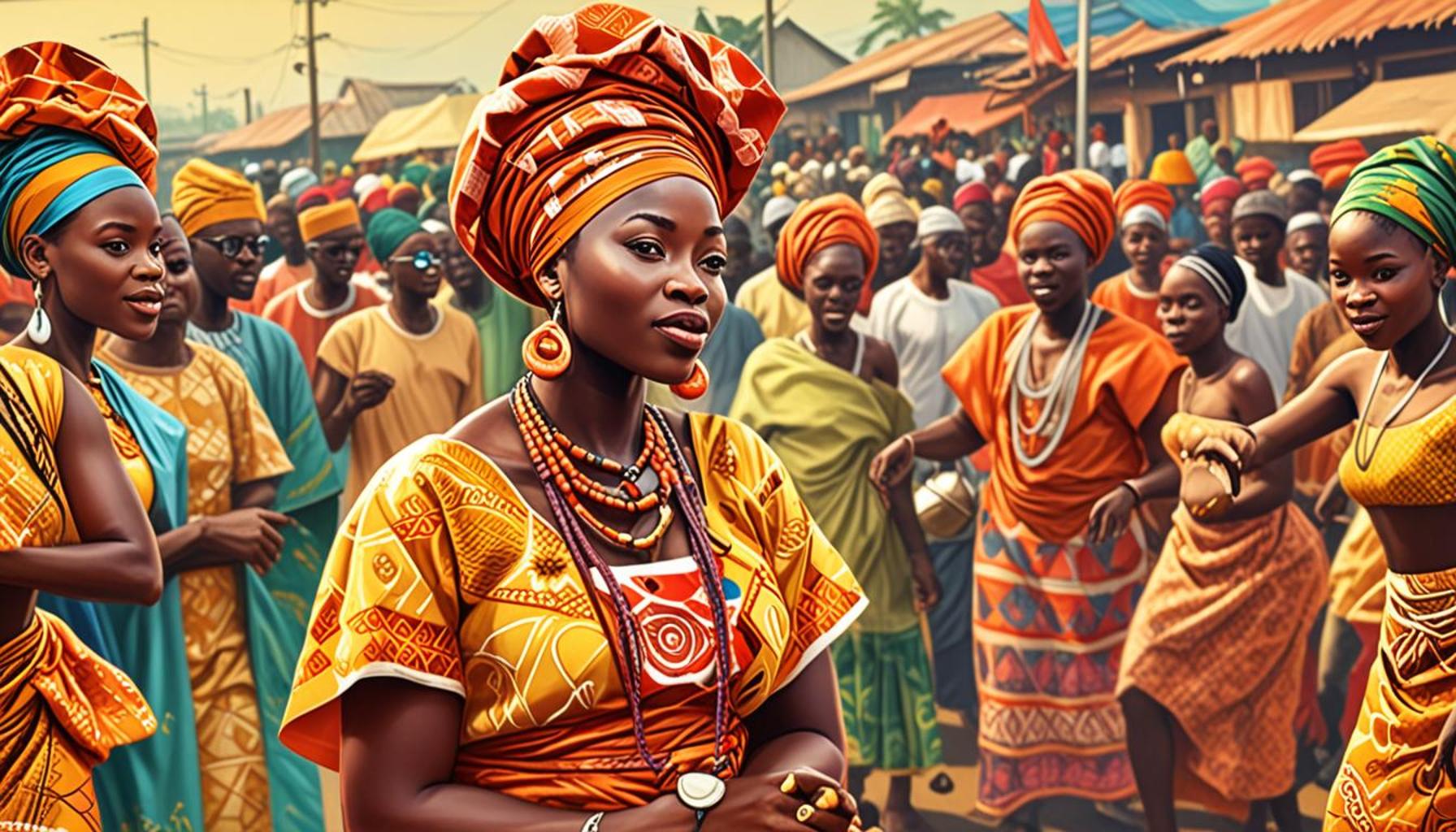
- Traditional Attire: Traditional outfits like the Aso Oke, a handwoven fabric often adorned for special occasions, and the Buba and Iro, typically worn by women, encapsulate deep cultural significance. These garments serve not just as clothing but as symbols of heritage, often passed down through generations.
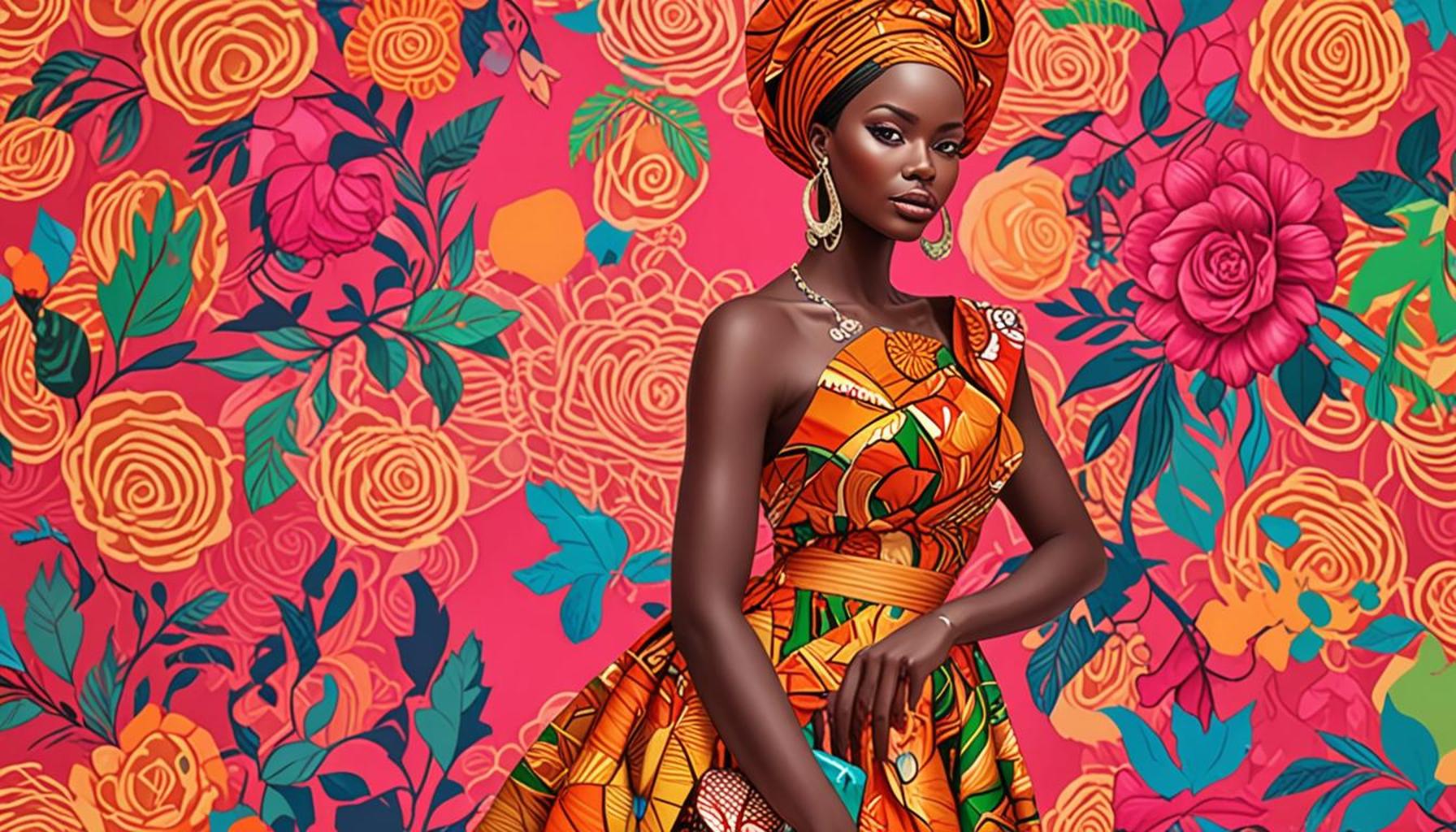
- Contemporary Intersections: Many Nigerian designers have begun to reimagine traditional fabrics by merging them with contemporary styles. For instance, Abaya dresses made from Ankara fabric reflect this fusion, highlighting how modern silhouettes can celebrate national identity. Designers like Deola Sagoe and Lanre Da Silva Ajayi creatively reinterpret these cultural fabrics for a global audience, making waves in both local and international markets.
- Artisan Influence: The role of local artisans in Nigerian fashion is crucial. Techniques such as beadwork and dyeing are maintained by skilled craftspeople who have mastered their trades over generations. Their continued involvement ensures that these techniques remain alive, celebrated through the works of contemporary designers. Workshops and supporting organizations often help document these methods, ensuring they are not lost to modernization.
Nigerian fashion is fundamentally a medium of storytelling. Each piece encapsulates narratives of identity, pride, and cultural expression. For example, many designers are now emphasizing sustainable practices, choosing to source natural fabrics and artisan-made pieces to honor both the environment and local communities. This shift is not just a trend but a movement that aims to celebrate authenticity in fashion.
Why Explore Nigerian Fashion?
- Gain insight into the cultural significance embedded in various designs, allowing for a deeper appreciation of the nuances in Nigerian attire.
- Support local artisans and promote traditional crafts, thereby fostering economic growth within communities that heavily rely on these skills.
- Witness the global influence of Nigerian designers in the fashion industry, as they challenge norms and redefine beauty standards on the world stage. Names like Tsemaye Binitie and Sarahanko are increasingly recognized at fashion weeks across the globe, showcasing their unique aesthetics.
As you delve into this vibrant world, be prepared to be captivated by the bold colors, intricate patterns, and rich stories intricately woven into every piece of clothing. The paths of Nigerian fashion await you, inviting exploration and an appreciation for its dynamic heritage. Discover how traditional dress can inspire modern trends and how local narratives continue to evolve within the global fashion landscape.
RECOMMENDED: Check out this similar article
Cultural Richness in Design
The journey through Nigerian fashion is an exploration of cultural richness and diversity that celebrates the unique identities of its various ethnic groups. One cannot overlook the significant role that traditional attire plays in this narrative. For instance, the Aso Oke, handwoven by the Yoruba people, is not just fabric; it tells the story of skill, tradition, and communal identity, often worn during weddings and important ceremonies. Similarly, the Buba and Iro, prevalent among women, reflects elegance while embodying the values and norms of the culture it represents. Each fold, each thread speaks of the legacy of craftsmanship passed through generations, emphasizing the importance of these garments in preserving cultural narratives.
Fusion of Heritage and Modernity
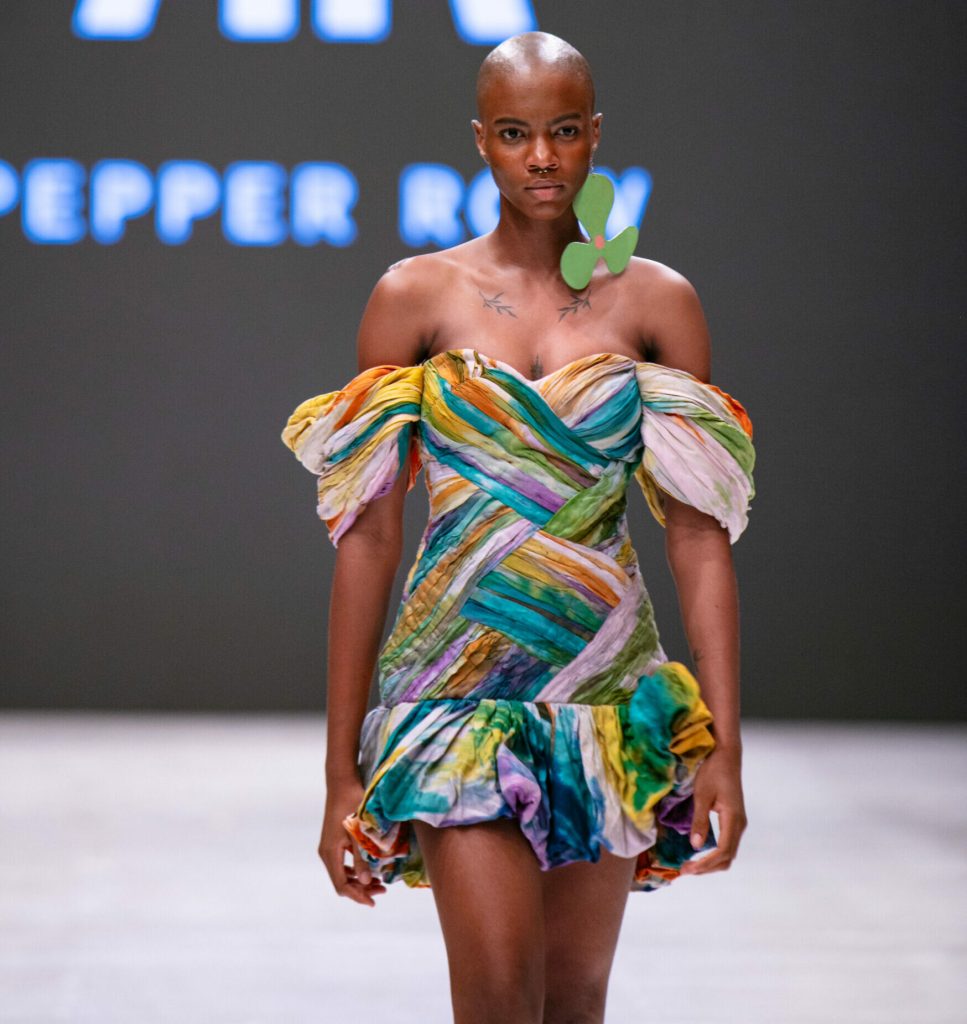
The innovative blend of heritage and modernity has become a defining feature of contemporary Nigerian fashion. Designers are not only looking to preserve traditional styles but are also redefining them to cater to a global audience. The use of Ankara fabric in contemporary outfits showcases this intersection. Designers like Lisa Folawiyo have elevated Ankara from casual streetwear to haute couture, proving that Nigerian textiles can stand alongside the world’s finest. This amalgamation allows the stories of the past to be relevant in today’s fashion, making them ever more appealing to the younger generations who appreciate both tradition and modern aesthetics.
The Artisan’s Role in Fashion Evolution
At the heart of Nigerian fashion’s evolution is the indispensable influence of local artisans. These craftsmen and craftswomen possess skills that span generations, including beading, dyeing, and weaving. Their expertise is the lifeblood that nurtures the unique artistry found in Nigerian attire. While contemporary designers draw inspiration from these traditional techniques, they also work closely with artisans to ensure that the original skills are not lost in the progress towards modernity. This collaboration often translates into unique products that not only celebrate artistry but also retain an air of authenticity and cultural significance.
Sustainable Practices and Ethical Fashion
Amidst these trends of fusion and traditional craftsmanship lies a rising commitment to sustainability and ethical fashion. More Nigerian designers are now prioritizing eco-friendly materials and artisan-made pieces, reflecting a growing consciousness toward environmental sustainability. This movement emphasizes the importance of supporting local economies while cherishing the values that these artisan techniques represent. Brands are increasingly advocating for the responsible sourcing of materials, intertwining their narrative with that of environmental care and respect for the earth.
Why Authenticity Matters
- Connection to Roots: Understanding Nigerian fashion allows individuals to connect with their cultural roots, fostering a deeper appreciation of their identity.
- Artisan Empowerment: Supporting local artisans not only helps preserve traditional crafts but also sustains families and communities that depend on these skills.
- Global Representation: As Nigerian designers make their mark on the international stage, they challenge mainstream beauty and fashion norms, paving the way for more inclusive representations.
As one navigates through the paths of Nigerian fashion, the story unfolds, revealing layers rich with cultural significance, artistic expression, and a commitment to sustainability that resonates throughout the industry. This journey is not just about fashion; it’s about understanding and celebrating an ever-evolving narrative of identity and community.
| Cultural Significance | Artisan Contributions |
|---|---|
| Symbol of Identity | Revival of Traditional Techniques |
| Nigerian fashion showcases the diverse cultures across the country, allowing individuals to express their heritage through clothing. | Artisans are crucial in keeping alive traditional craft techniques, creating items that are not only beautiful but also steeped in history. |
| Promoting Unity | Economic Impacts |
| Fashion acts as a bridge connecting various ethnic groups, fostering a sense of community and mutual appreciation. | The artisan sector is vital for local economies, as it provides jobs and stimulates growth through artisan markets and exports. |
Exploring the “Paths of Nigerian Fashion” reveals an intricate tapestry interwoven with cultural narratives and artisan skills that have been passed down through generations. Each thread signifies a unique story, reflecting the values and traditions of various ethnic communities. The resurgence of traditional methods transcends mere aesthetics, creating a sustainable future for both the artisans and the cultural legacies they uphold.Moreover, this fusion enables artisans to connect authentically with modern trends while ensuring their craft remains relevant. It is essential to realize that the economic impact of supporting local artisans goes beyond the individual; it plays a crucial role in uplifting entire communities. By embracing and promoting these trends, one engages in the preservation of Nigeria’s rich cultural heritage, showcasing the vibrancy and resilience of the nation’s fashion landscape.
YOU MAY ALSO LIKE: Read read another article
The Impact of Digital Media on Fashion Trends
In recent years, the advent of digital media has dramatically reshaped the landscape of Nigerian fashion, providing a vibrant platform for emerging designers to showcase their work to a global audience. Social media channels such as Instagram and Twitter have become essential tools for both established and up-and-coming designers to connect with customers, share their creations, and cultivate a brand presence. Notably, fashion influencers and stylists play a pivotal role in promoting Nigerian fashion, making traditional fabrics and designs trendier and more accessible.
Globalization and Its Influence
The ever-increasing interconnectivity of the world has enabled Nigerian designers to penetrate international markets with newfound agility. Aspects of local fashion are being infused into global trends, creating an exciting dialogue between Nigerian artisans and international consumers. For instance, the visibility of Nigerian designs on platforms like New York Fashion Week has highlighted the country’s unique craftsmanship, leading to collaborations that transcend borders. This globalization not only endorses Nigerian culture but also encourages the preservation of its unique artistry against the backdrop of a fast-evolving global fashion scene.
The Rise of Fashion Events and Trade Shows
Nigerian fashion is also marked by vibrant events and trade shows that serve as melting pots for designers, artisans, and enthusiasts alike. Events such as the Lagos Fashion Week and the Nigeria Fashion Week provide a stage for artisans to display their handiwork and network with global stakeholders. These platforms are vital for fostering mentorship, with young designers learning from seasoned veterans, ensuring the continuity of knowledge and skill in the industry. Furthermore, these events often feature panel discussions on sustainability and ethical practices, bringing awareness to the significance of responsible fashion choices.
Investment in Artisan Communities
There is a growing recognition of the importance of investing in artisan communities to promote sustainable local economies. Some fashion brands in Nigeria actively support initiatives aimed at empowering artisans through training programs and fair-trade practices. This grassroots approach fosters collaboration, allowing artisans to maintain control over their craft while achieving financial stability. Programs such as the Artisan Support Program have emerged, aimed at equipping artisans with business skills, marketing techniques, and access to larger markets. The success of these initiatives underscores the potential of Nigerian fashion to not only thrive but to serve as a model for ethical fashion futures.
Gender Dynamics in Fashion
Nigerian fashion also reflects shifting gender dynamics, with more women stepping into leadership roles as designers, entrepreneurs, and influencers. The empowering narratives surrounding female designers and artisans underscore the importance of representation within the industry. In response to societal changes, many fashion labels are also challenging traditional gender norms by creating gender-neutral apparel that speaks to a broader audience. This evolving landscape is pivotal in shaping the way fashion is perceived and consumed, breaking down barriers and fostering inclusivity.
- Diversity of Voices: The rise of various designers and artisans from diverse backgrounds is helping amplify different narratives in Nigeria’s fashion story.
- Community Engagement: Engaging with local communities to understand their needs bolsters the authenticity of fashion pieces while supporting artisans.
- Promoting Local Pride: The increasing prominence of Nigerian fashion promotes a sense of national identity and pride among Nigerians both locally and abroad.
The intricate pathways of Nigerian fashion demonstrate not just a pursuit of style but a dynamic interplay of culture, artisan skill, and modern influence that continues to evolve. As the industry forges ahead, it is empowered by tradition, nurtured by innovation, and enriched by every garment that tells the ever-expanding story of Nigeria.
CHECK OUT: Click here to explore more
Conclusion: The Future of Nigerian Fashion
The paths of Nigerian fashion reveal a rich tapestry woven from cultural heritage, artisan craftsmanship, and a keen sense of modernity. As the industry continues to rise, it not only encapsulates traditions but also drives innovation. With the influence of digital media, Nigerian designers are harnessing social platforms to reach audiences beyond borders while fostering a sense of community around their craft. This global impact has led to exciting collaborations that shine a spotlight on the unique artistry of Nigerian-made fashion.
Trade shows and events, such as Lagos Fashion Week, serve as critical forums for showcasing talent and nurturing future generations of designers. Through opportunities for mentorship and dialogue on sustainability, these gatherings are essential to the evolution of the industry. Furthermore, the investment in artisan communities ensures that local crafts are preserved and economically sustained, highlighting the importance of ethical practices and fair trade initiatives.
As the landscape of Nigerian fashion adapts to shifting gender dynamics, the empowerment of women within the industry corresponds with broader societal changes, producing a wave of diverse voices and styles. This inclusivity is vital for fostering a holistic understanding of fashion that resonates with various demographics.
In conclusion, the journey of Nigerian fashion is one of resilience and creativity, reflecting a vibrant culture that is continuously evolving. As global and local trends coalesce, Nigerian fashion stands poised to not only assert its place on the world stage but also to inspire a renewed sense of national pride among Nigerians. The time has come for stakeholders to delve deeper into this colorful realm, exploring the myriad stories behind each piece, and joining in the celebration of Nigeria’s artistic expression.