
Paths of History: Itineraries through Nigeria’s World Heritage Sites
Exploring Nigeria’s Heritage and Culture
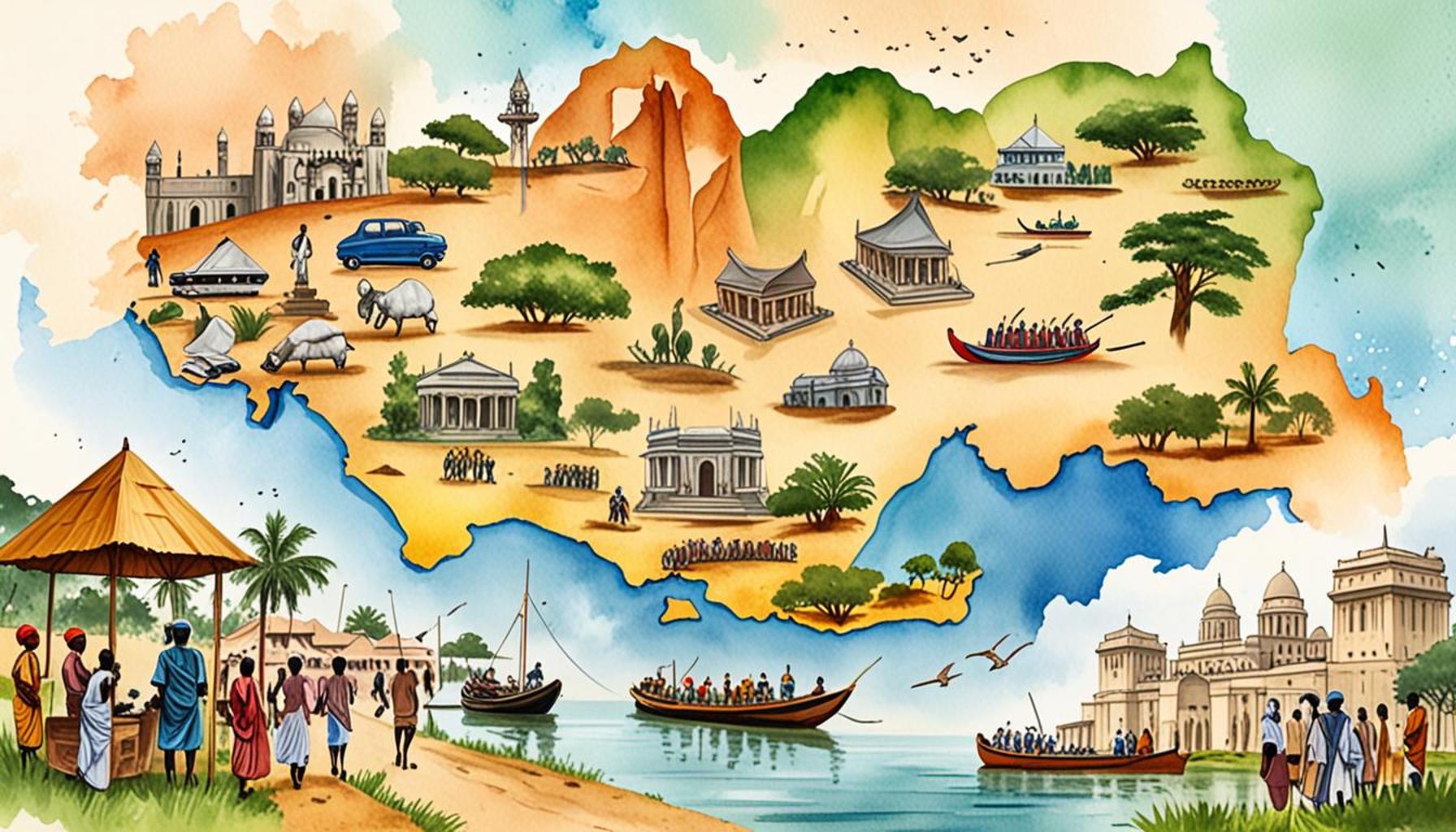
Nigeria, often referred to as the “Giant of Africa,” is a treasure trove of cultural and historical riches. The country’s impressive roster of World Heritage Sites serves as a window into its vibrant past, showcasing the complexities and beauty of its multifaceted identity. These significant sites not only preserve Nigeria’s history but also narrate the stories, traditions, and struggles of its peoples over centuries.
One of the crown jewels among these sites is the Osun-Osogbo Sacred Grove, which is not just a serene natural retreat but also a pivotal spiritual center for the Yoruba people. This sacred grove is dedicated to Oshun, the goddess of fertility and fresh water. As a UNESCO World Heritage Site, it features a collection of shrines, sacred trees, and artworks that celebrate Yoruba mythology. This enchanting locale hosts the annual Osun-Osogbo Festival, which attracts thousands, both local and international, who come to witness the vibrant displays of culture marked by traditional music, dance, and rituals, embodying a living cultural heritage that remains dynamically relevant today.
Another remarkable site is the Ancient Kano City Walls, which exemplifies the architectural prowess and trading significance of Nigeria’s medieval period. Stretching over 13 kilometers, these walls, built as early as the 12th century, served both as a defense mechanism against invasions and as an emblem of the city’s prosperity as a bustling trade hub. The walls are dotted with several gates, the most famous being the Zawachiki and Kofar Nasarawa gates, each reminding visitors of the city’s rich history as a center of commerce, craftsmanship, and Islamic scholarship.
Moreover, the Ụmgba Historic Settlement offers a fascinating glimpse into Nigeria’s ancient societies. It is believed to be one of the earliest sites of human habitation in the country, containing artifacts and remnants that narrate the evolution of human settlement and agricultural practices within Nigeria. This site sparks curiosity among archaeologists and history enthusiasts, inviting deeper exploration of how early civilizations laid the groundwork for the vibrant communities that thrive across Nigeria today.
These sites are far more than just tourist destinations; they are integral to Nigeria’s cultural narrative. Each site weaves together a unique tapestry of stories, traditions, and legacies, offering invaluable insights into the resilience and creativity of its people. As you embark on a journey through these historical landscapes, you will uncover not only their historical significance but also their contemporary relevance, showcasing how the echoes of the past shape the narratives of the present.
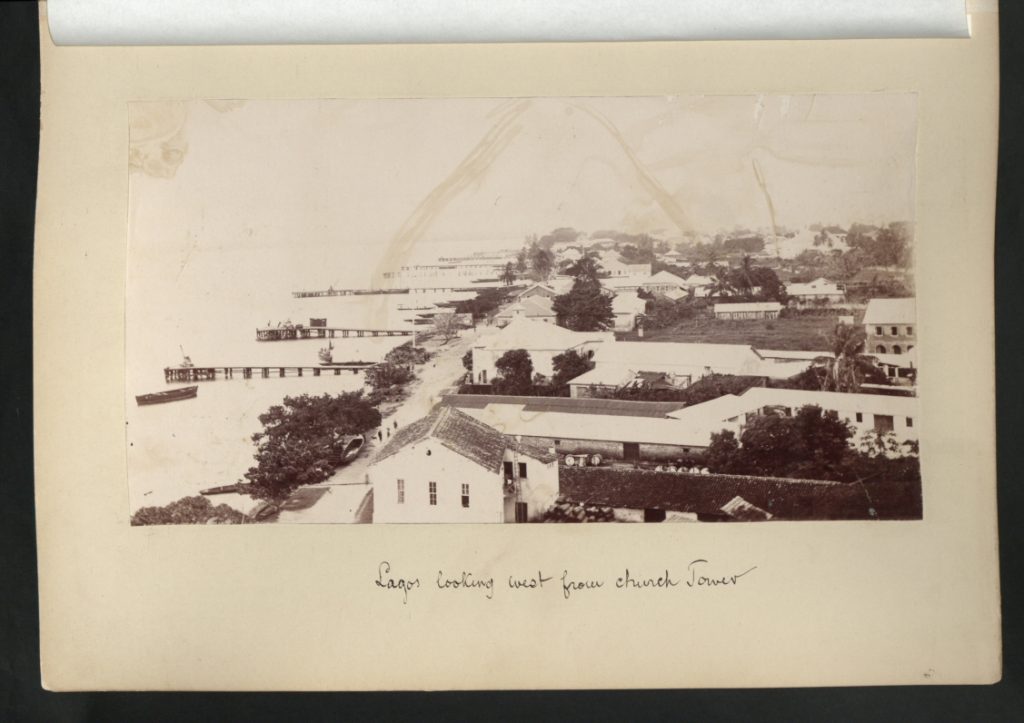
Engaging with Nigeria’s heritage is an invitation to explore a tapestry rich in diversity and complexity. Each step taken through its historical paths unravels the ongoing story of a nation deeply connected to its roots, fostering a greater appreciation for the culture that continues to evolve while honoring its past.
YOU MAY ALSO LIKE: Read read another article
Unearthing Historical Riches: Key Sites of Interest
Nigeria’s rich historical tapestry is interwoven with heritage sites that are pivotal to understanding the socio-cultural dynamics of its past. These World Heritage Sites not only celebrate Nigeria’s history but also serve as guardians of the traditions that have withstood the tests of time. Each site acts as a cultural compass, guiding visitors through the epochs of Nigeria’s diverse civilization.
The Oboheritage Site stands out for its monumental import, melding natural beauty with historical significance. Located in the heart of Nigeria, this site features a range of ancient artifacts that date back to the earliest periods of Nigerian civilization, similar to the findings at the Ụmgba Historic Settlement. The site includes remnants of tools and early agricultural practices, providing vital insights into the lives of Nigeria’s ancient inhabitants. Visitors can engage with the site through guided tours that delve into the usage of these artifacts and the timeline of habitation, fostering a connection to the ingenuity of early civilizations.
Another essential destination on this historical tour is the Olumo Rock in Abeokuta. This natural fortress, carved into the landscape, served as a refuge during inter-tribal wars in the 19th century. The site provides not only stunning scenic views but also a profound narrative of resistance and resilience. The rock holds deep spiritual significance for the Egba people, who believe it offers protection against adversities. Climbing Olumo Rock takes visitors on a journey through history while encouraging reflections on Nigeria’s ongoing struggle for unity amidst diversity.
Other Notable Heritage Sites
- Awhum Waterfall: Nestled in the Enugu State, this waterfall is a cultural landmark associated with numerous local legends and is integral to the community’s traditions.
- Katampe Hills: Located near Abuja, this site combines historical significance and geological wonders, offering hikers a chance to connect with nature while exploring the region’s past.
- The Aso Rock: A prominent feature in Nigeria’s capital, Aso Rock symbolizes the political history and architectural advancements that have shaped modern Nigeria.
Beyond these examples, Nigeria’s World Heritage Sites encourage a profound examination of the narratives that define the nation. Many of these locations also serve as vibrant community centers that offer cultural festivities, workshops, and artistic exhibitions, thus playing an active role in preserving contemporary practices while honoring significant historical legacies.
As one navigates through these itineraries of history, it becomes evident that each site is a chapter in a greater story—revealing the endurance of Nigeria’s cultural identity amidst the challenges of modernization. Visitors are invited not just to observe but to engage deeply with the layers of history that inhabit these landscapes, ensuring that the past is not only preserved but also continually celebrated as part of Nigeria’s evolving narrative.
Exploring Nigeria’s Rich Heritage
Nigeria, a nation rich in culture and history, offers a myriad of experiences through its World Heritage Sites. Each site tells a unique story steeped in traditions, architectural marvels, and the echoes of ancient civilizations. The Paths of History itineraries have been carefully designed to guide travelers through these remarkable locations, blending education with adventure.
Unveiling the Benefits of the Itineraries
When embarking on one of these meticulously planned itineraries, visitors stand to gain not just profound knowledge of Nigeria’s past but also an appreciation for its contemporary cultural landscape. Engaging with local communities can provide insight into traditional crafts, music, and festivals, enriching the travel experience.
Some significant sites include:
- Old Oyo National Park – Once the center of the Oyo Empire, this site showcases breathtaking landscapes and archaeological remains.
- Abuja National Mosque – A modern architectural wonder that stands as a symbol of faith and unity.
- Ogbomosho’s Spinning Towers – A representation of Nigeria’s textile production history.
Visitors can also benefit from the combination of leisure and learning, as guided tours often include interactive sessions with historians and local artisans. The itineraries can spark curiosity, encouraging further exploration of Nigeria’s vibrant heritage.
| Advantage | Description |
|---|---|
| Cultural Immersion | Engages travelers with local traditions and practices. |
| Historical Insight | Provides deep understanding of Nigeria’s past through expert guidance. |
Through the Paths of History, each journey becomes an invaluable opportunity to rediscover Nigeria’s extraordinary lineage while fostering a sense of global community.
SEE ALSO: Click here to read another article
Exploring Traditions and Modern Narratives
Nigeria’s World Heritage Sites are not just monuments of the past; they are dynamic spaces where history meets contemporary culture. These sites encourage visitors to immerse themselves in the rich traditions that continue to thrive alongside modern developments. This duality is vital for understanding how Nigeria fosters its heritage in an ever-globalizing environment.
The Historic Town of Zanzibar, located in the state of Lagos, offers a captivating illustration of this blend. Once a bustling port, this town is characterized by its ancient architecture and the echoes of merchants who traded spices and textiles. Walking through its narrow streets, one can feel the remnants of its vibrant marketplace, where goods from beyond the shores of Nigeria flowed freely. Today, Zanzibar serves as a cultural hub, hosting art galleries and festivals that celebrate both its deep-rooted history and its contemporary artistic expressions.
In the northern part of Nigeria, the Argungu Festival near the historic Argungu Fishing Festival area represents a vital link between cultural heritage and modern-day celebrations. This festival, which dates back to the 11th century, showcases the rich fishing traditions of the Kebbi people. It draws both locals and international tourists excited to witness the exuberant competitions, traditional music, and dance performances that vibrantly narrate the culture of the region. By engaging with such festivals, visitors not only appreciate historical legacies but also contribute to the ongoing narrative of Nigerian culture.
Cultural Resilience through Heritage Conservation
Many of Nigeria’s heritage sites play an essential role in community sustainability. The Osun-Osogbo Sacred Grove, an enchanting forested area in Osun State, is a UNESCO World Heritage Site linked to the worship of the goddess Osun. This sacred grove is more than a tourist attraction; it stands as a testament to the spiritual beliefs of the Yoruba people. Every year, the Osun-Osogbo Festival gathers devotees and tourists alike, celebrating not only the goddess but also the conservation efforts vital for preserving nature and culture. The continuous rituals performed here serve as a beacon for cultural identity and environmental stewardship, inspiring a shared responsibility among visitors.
Similarly, the Old Oyo National Park, once home to the great Oyo Empire, has become a significant site for biodiversity conservation while encapsulating the essence of the ancient kingdom. The park boasts historical forts and archaeological sites, housing remnants that date back centuries. Educational tours offered in the park emphasize both the ecological and historical perspectives, inviting participants to appreciate the complexities of a history intertwined with natural heritage. Such initiatives illustrate the significant role of heritage tourism in bridging the past with contemporary conservation efforts.
- The Nok Culture: Renowned for its terracotta sculptures, the Nok culture represents one of the earliest known civilizations in Nigeria, dating back to as early as 1000 BC. Visitors can explore ongoing excavations that continue to unveil this ancient society’s creative brilliance.
- Guri Culture: Situated in northern Nigeria, the Guri community’s craftsmanship in pottery and textiles highlights the ingenuity of traditional artisans, blending modern art forms with techniques passed down through generations.
These journeys provide much more than scenic vistas and historical facts; they cultivate a deeper understanding of the intricate narratives that can be found at every corner of Nigeria. The dynamic interplay of tradition and modernity makes Nigeria’s World Heritage Sites essential stops in the exploration of the country’s historical and cultural identity, inspiring visitors to respect and partake in the living heritage that continues to evolve.
CHECK OUT: Click here to explore more
Conclusion: Journeying Through Time
As we navigate the extraordinary World Heritage Sites of Nigeria, we uncover a tapestry rich with stories and cultural significance, bridging the past with the present. Each site, from the sacred groves of Osun to the vibrant festivities of Argungu, invites us to engage not only with Nigeria’s historical volumes but also with the living traditions that continue to flourish. This intertwining of heritage and modern life illustrates a profound narrative that reinforces the resilience and adaptability of Nigerian culture.
Moreover, these sites serve as critical arenas for cultural preservation, ensuring that future generations inherit a vibrant legacy. Through festivals like the Osun-Osogbo and the artistic experiences in the Historic Town of Zanzibar, visitors are encouraged to appreciate and participate actively in maintaining cultural practices. Each step we take through these sites is a step toward understanding the complexities and beauty of Nigeria’s history.
For those keen to explore, Nigeria’s World Heritage Sites are more than mere attractions; they are invitations to witness the fusion of ancient customs with modern expressions. They encourage deeper questions about identity, sustainability, and the shared responsibility of protecting our heritage in the face of globalization. Thus, embarking on these itineraries not only enriches our knowledge but also inspires a newfound respect for the invaluable cultural tapestry that is Nigeria. Journey into these sites, and become a part of the story that continues to unfold, where every visit resonates with a history that is both profound and relevant.