
Optimizing Transportation: How to Plan Travel Logistics in Nigeria
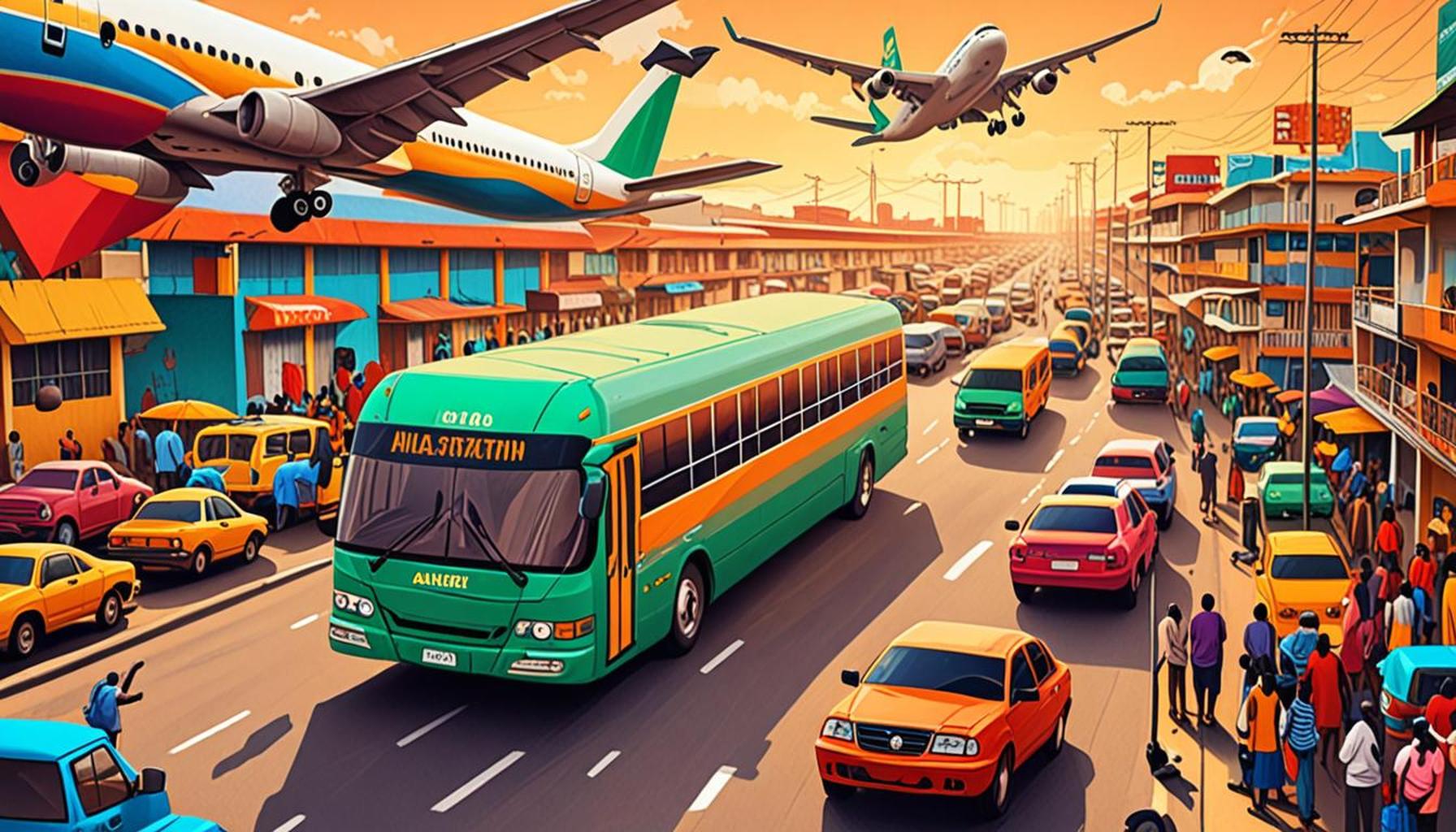
Transforming Travel Logistics in Nigeria
Nigeria, with its dynamic populace of over 200 million people, is a tapestry of cultures, landscapes, and travel challenges. The transportation infrastructure struggles to keep pace with the burgeoning population, leading to a pressing need for innovative and efficient travel solutions. As travelers navigate from bustling urban environments like Lagos and Abuja to remote destinations in the north and south, understanding the unique logistical nuances becomes crucial for a seamless journey.
Road Conditions: The condition of roads in Nigeria varies dramatically. While major cities boast paved highways, many rural areas are plagued by potholes, erosion, and unpaved paths. Travelers should opt for durable vehicles—such as SUVs or pickup trucks—that can handle rough terrain. For instance, a trip from Lagos to Ibadan might seem straightforward, but the condition of roads during the rainy season can turn it into a challenging adventure. Carrying a spare tire and tools for minor repairs can be a lifesaver on long-distance travels.
Public Transport Systems: In urban centers like Lagos, public transport options such as the Bus Rapid Transit (BRT) system provide an efficient means of getting around. These buses are designed to navigate the heavy city traffic, offering a reliable alternative to private vehicles. Additionally, the recent revival of train services, particularly in the northern regions, showcases an underutilized mode of transport that promotes connectivity. For those in search of cost-effective travel, the newly revamped railway lines allow passengers to experience the scenic beauty of the countryside while avoiding congested roads.
Cultural Factors: Nigeria is a mosaic of cultures, with over 250 ethnic groups each having distinct customs and traditions. Familiarizing oneself with local practices can significantly improve interactions. For example, in the Igbo culture, greetings are vital, and travelers should be aware of the importance of initiating conversation with polite salutations. Such cultural nuances not only foster goodwill but can also help in navigating travel-related challenges more seamlessly.
Moreover, the integration of technology offers transformative opportunities for streamlining travel logistics. Mobile applications for ride-hailing, such as Uber and Bolt, are making significant inroads in major cities, allowing travelers to navigate unfamiliar environments with ease. Additionally, apps catering to bus and train schedules can provide real-time updates, crucial for avoiding delays in travel plans.

As Nigeria continues to prioritize infrastructural development, staying abreast of evolving transport options is essential for both residents and visitors. In the coming years, the anticipated expansion of road networks and the introduction of more modern transportation systems promise to enhance the travel experience significantly. Whether planning a personal getaway, a business trip, or logistical operations, being well-informed allows for smarter, more enjoyable travel in this diverse and vibrant country.
RECOMMENDED: Check out this similar article
Navigating Nigeria’s Transportation Landscape
As travelers embark on their journeys across Nigeria, it is vital to consider key logistical elements that can enhance their travel experience. With diverse transportation options available, understanding how to effectively plan and optimize travel logistics is essential. Below are several factors to consider:
Vehicle Selection
The choice of vehicle can significantly influence the ease and enjoyment of traveling throughout Nigeria. Depending on the destination and road conditions, travelers may consider:
- SUVs and 4x4s: Ideal for navigating rugged terrains and rural areas where road conditions can be precarious.
- Public Buses: An economical solution for urban transport, offering routes that cover key areas, albeit with potential delays due to traffic.
- Motorcycles: Commonly known as “okadas,” they provide quick transport in congested city streets, allowing travelers to maneuver efficiently.
Time Management
Timing is everything when planning travel in Nigeria, particularly in major cities where traffic congestion is rampant. To optimize travel logistics:
- Schedule trips early in the morning or late at night to avoid peak traffic hours.
- Stay informed about local events or holidays that may affect travel routes and timings.
- Utilize traffic updates available through navigation apps that can suggest alternative routes in real time.
Furthermore, it is advisable to allocate extra time buffer on journeys, as unexpected delays may arise due to road conditions, weather, or breakdowns.
Planning Routes
Understanding the lay of the land is pivotal when venturing into both familiar and unfamiliar areas. Travelers should:
- Research major highways and alternative roads that lead to their destination.
- Familiarize themselves with key landmarks for easy navigation.
- Map out pit stops or fuel stations, especially in remote areas where services might be infrequent.
With continuous improvement in technology, travelers can leverage navigation and mapping applications to identify the best routes while taking into account road conditions and traffic patterns. Applications such as Google Maps or local counterparts provide users with up-to-the-minute information, enhancing their travel planning.
Connecting with Local Expertise
Engaging with local transportation services can also streamline the travel experience. Options like private car hires and local tour operators can provide valuable insights into:
- Safe and reliable routes tailored to specific destinations.
- Recommendations for local accommodations and attractions.
As travelers endeavor to optimize their journeys through Nigeria’s intricate landscape, being proactive in planning logistics will create a more enjoyable and safer travel experience. With a blend of technology, local knowledge, and savvy travel practices, navigating the complexities of Nigerian transportation becomes an adventure in itself.
| Advantage | Details |
|---|---|
| Cost Efficiency | Implementing optimized logistics can significantly reduce transportation costs in Nigeria. |
| Improved Delivery Timelines | Strategic planning leads to quicker delivery times, increasing customer satisfaction. |
| Enhanced Resource Utilization | Maximizing vehicle capacity and trip frequency can lead to optimal use of available resources. |
In Nigeria, the complexity of travel logistics can pose significant challenges, but understanding these advantages reveals a world of potential efficiencies. For example, cost efficiency comes into play when organizations utilize data analytics to streamline routes, resulting in substantial savings on fuel and time. Furthermore, with an emphasis on improved delivery timelines, companies can not only meet but exceed their customers’ expectations, a vital component in retaining client loyalty amid fierce competition.Moreover, the focus on enhanced resource utilization ensures that not only is every vehicle on the road operating at peak performance, but also that the logistics chain remains resilient against disruptions. Exploring these elements further offers a roadmap not only for businesses looking to optimize their operations but also for policymakers aiming to improve Nigeria’s overall transportation infrastructure. Understanding these aspects can lead to innovative solutions that transform the travel logistics landscape in the region.
YOU MAY ALSO LIKE: Read read another article
Maximizing Efficiency with Local Transportation Options
An integral part of optimizing travel logistics in Nigeria involves leveraging local transportation options that cater to diverse needs and preferences. As each region boasts unique transportation modes, understanding these can vastly improve the travel experience.
Ride-Hailing Services
In recent years, the rise of ride-hailing services like Uber and Bolt has transformed urban transportation in Nigeria. These platforms offer:
- Convenience: Riders can book rides from the comfort of their smartphones, eliminating the need to hail a cab on the street.
- Cost Transparency: Clear pricing structures allow travelers to estimate journey costs before booking, enhancing budget management.
- Safety Features: Many ride-hailing applications provide shared trip details with family or friends, ensuring an extra layer of safety.
By utilizing these services, travelers can navigate busy cities like Lagos and Abuja without the stress of navigating public transport or dealing with traffic, creating a more pleasant travel experience.
Regional Transportation Hubs
Understanding the various transportation hubs across Nigeria can also be beneficial. Cities such as Portharcourt and Ilorin have well-established terminal systems that connect different states through road transport. Travelers should:
- Research reputable bus companies such as GIGM and God is Good Motor, known for their punctuality and comfort.
- Explore options for purchasing tickets online, which can save time and ensure a reserved seat during peak travel periods.
- Familiarize themselves with the layouts of major bus terminals to ease transitions and minimize travel time.
This knowledge empowers travelers to make informed decisions, saving both time and resources while ensuring a smooth journey between cities.
Understanding Transportation Costs
Budgeting for transportation in Nigeria requires an understanding of both visible and hidden costs. Factors to consider include:
- Fuel Prices: Being aware of fluctuating fuel prices can help budget travelers anticipate transport costs, especially if using personal or hired vehicles.
- Toll Fees: Certain highways impose tolls that can add to the overall expense of travel. Planning routes that avoid these when possible can optimize budgeting.
- Service Fees: Some ride-hailing apps incorporate service charges into the trip cost. Understanding these fees can help prevent unexpected expenses when planning trips.
By accounting for these costs, travelers can better manage their budgets and allocate funds accordingly throughout their journeys.
Staying Updated on Local Regulations
Navigating the complex transportation landscape in Nigeria requires awareness of local regulations that may affect travel plans. This is particularly pertinent in cities like Lagos, where government initiatives to regulate transport are frequently updated. Travelers should:
- Stay informed on regulations regarding public transportation usage, including any guidelines that target ride-hailing drivers.
- Be aware of specific road usage fees, such as the Lagos State Environmental Development Law, which could affect personal vehicle access in certain areas.
- Adapt to changing road rules and any designated traffic patterns that may arise due to infrastructure development projects or urban planning.
Keeping abreast of these regulations will empower travelers to navigate the legal landscape, ensuring a hassle-free journey.
YOU MAY ALSO LIKE: Read read another article
Conclusion: Navigating the Future of Transportation in Nigeria
In conclusion, optimizing transportation logistics in Nigeria is a multifaceted venture that can significantly enhance travel experiences across the diverse landscapes of the country. Understanding local transportation options, from the convenience of ride-hailing services to the reliability of regional transportation hubs, is crucial for any traveler. As urban centers like Lagos and Abuja continue to evolve, leveraging these services not only offers accessibility but also the potential for cost savings and safety enhancements.
Furthermore, being well-informed about transportation costs, including fuel prices, toll fees, and service charges, empowers travelers to manage their budgets more effectively, allowing for better allocation of resources. It is equally important to stay updated on local regulations, which can impact travel decisions and the overall experience. Regulations can change frequently, affecting everything from public transport policies to road usage fees.
By embracing these strategies, travelers can pave the way for smoother journeys that seamlessly connect them to Nigeria’s rich cultural and geographical diversity. As the nation continues to develop its infrastructure, the potential for enhanced travel logistics becomes ever more promising. Engaging with local insights and advanced planning not only enriches individual travel experiences but can also contribute to a more efficient transportation system overall. This is a time for travelers to explore, discover, and optimize their journeys within Nigeria, making the most of what the nation’s unique transportation landscape has to offer.