Mirror Organization: Enhancing Lighting and Sense of Space in Environments
Understanding the Multifaceted Role of Mirrors in Design
Incorporating mirrors into design is an art form that balances functionality with aesthetic appeal. Beyond their reflective surfaces, mirrors can serve as strategic elements that enhance the overall dynamics of a room. Each placement holds the potential to manipulate light, offer visual depth, and serve as compelling decor.
Expanded Visual Space
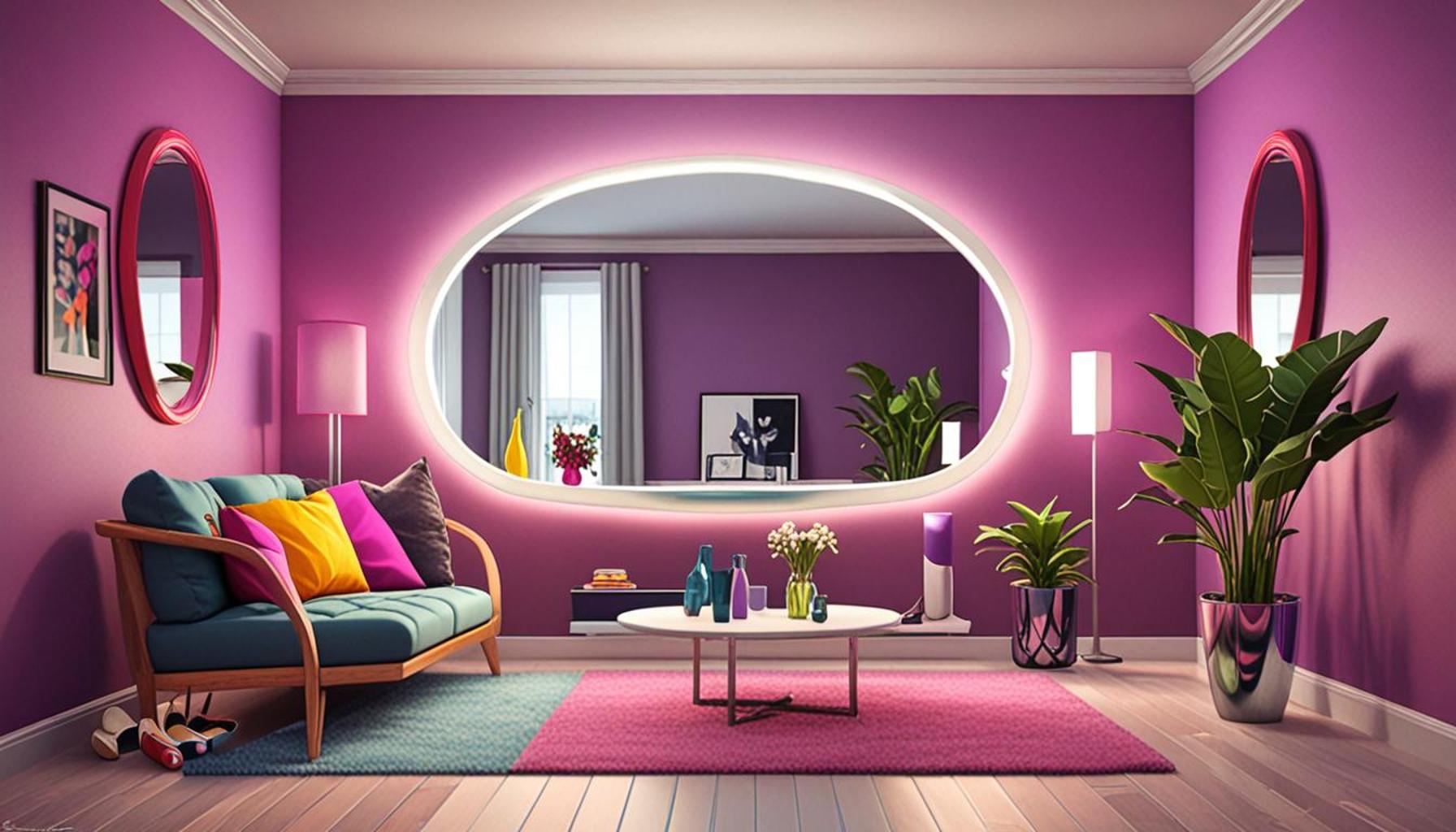
One of the primary advantages of using mirrors is the ability to expand visual space. A small room can feel cramped, especially in urban settings where square footage is at a premium. By positioning a large mirror on a wall opposite a window, the reflection creates an illusion of additional dimensions, tricking the eye into perceiving a more expansive area. For instance, a narrow hallway can be transformed with a vertical mirror, making it feel longer and more inviting. This technique is popular in boutique hotels and chic apartments, where maximizing space is essential.
Increased Natural Light
Natural light is paramount in enhancing mood and productivity. Mirrors can act as amplifiers of sunlight, making even dimly lit rooms feel vibrant and energized. In residences with limited access to daylight, such as those nestled in densely populated neighborhoods, mirrors can redirect light into the space. Consider a scenario in a cozy dining room that only receives morning sunlight; placing a mirror strategically can bounce that light around the room, creating a bright and warm ambience. Studies have shown that natural light has positive psychological effects, improving mood and reducing stress—benefits easily accessible through thoughtful mirror placement.
Stylish Decor
Beyond functionality, mirrors are a versatile decorative element that can complement and enhance various design styles. From sleek, modern frames to ornate, vintage designs, mirrors can tie together the aesthetic of a room seamlessly. For example, in a contemporary living room, a sleek geometric mirror can serve as a stunning focal point, reflecting minimalistic decor while adding depth to the ambiance. Similarly, in a more traditional setting, an antique mirror can evoke a sense of history and elegance, enhancing the character of the space. This makes mirrors not just practical, but also a wonderful means to showcase personal style.
Practical Applications Across Different Settings
The versatility of mirrors extends across different environments—from residential homes to bustling commercial spaces. In living rooms with small windows, a series of mirrors arranged in a gallery style can add visual interest while simultaneously creating an illusion of space and light.
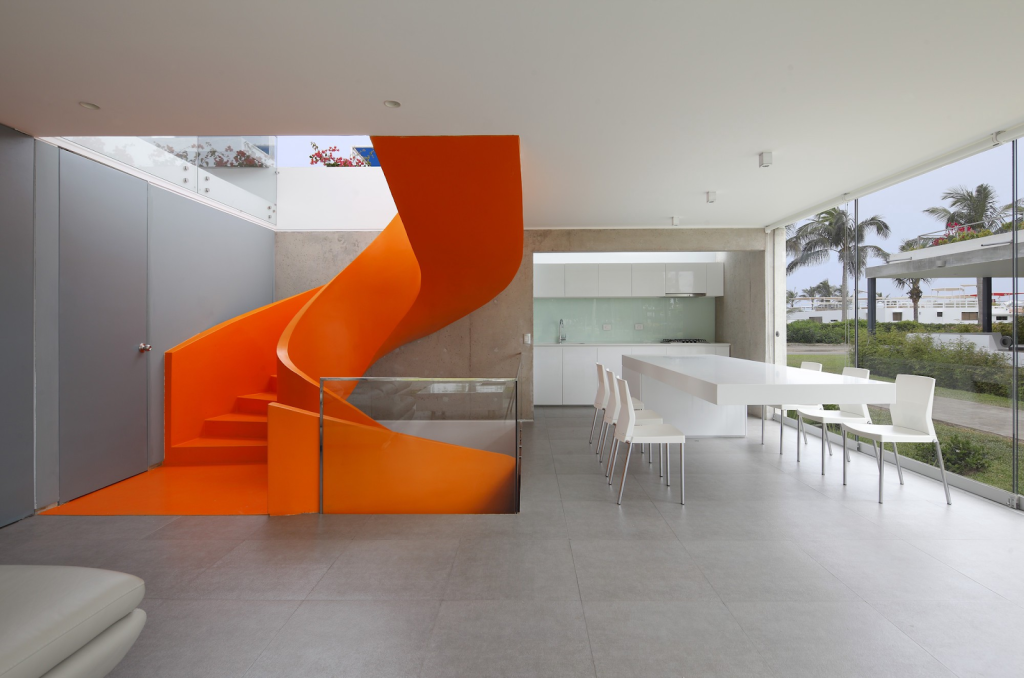
In restaurants, where creating an intimate yet spacious atmosphere is key, strategically placed mirrors on walls can enhance the overall dining experience. They can make patrons feel less confined, allowing for a comfortable atmosphere even in small spaces. Similarly, in corporate offices, mirrors can elevate designs in workspaces lacking natural light, inspiring creativity by brightening up otherwise dull environments. This thoughtful integration of mirrors can stimulate not only an increase in productivity but also employee well-being.
In conclusion, understanding the multifaceted role of mirrors in design opens new possibilities for enhancing living and working spaces. By utilizing mirrors effectively, one can foster a welcoming ambiance that is both functional and beautiful. As you explore these applications, consider how you might integrate mirrors into your own spaces, unleashing their potential to transform ordinary areas into extraordinary experiences.
DISCOVER MORE: Click here to unlock your space
Strategic Placement and Impact of Mirrors
In the realm of interior design, the strategic placement of mirrors can significantly influence the atmosphere of a space. Mirrors, when utilized correctly, can manipulate both light and perception, making them indispensable tools for architects and designers alike. The way mirrors are integrated into design not only enhances the room’s functionality but also its visual narrative.
Creating Focal Points
One of the most compelling uses of mirrors in design is their ability to create focal points. A well-placed mirror can draw attention and guide the eye to specific areas within a room. For instance, a large, decorative mirror above a fireplace can act as a stunning centerpiece in a living room, instantly elevating the decor. Likewise, in a retail setting, mirrors can be employed to enhance the shopping experience by showcasing products effectively. Mirrors placed near clothing displays can allow customers to view their reflections from multiple angles, making the shopping journey more enjoyable.
The Emotional Response to Mirrors
Mirrors do not only manipulate light and space; they also elicit emotional responses. The presence of mirrors can evoke feelings of openness and tranquility, contributing positively to mental well-being. In spaces meant for relaxation, such as spas or wellness centers, mirrors can be used to create a calming environment. Imagine a spa retreat where mirrors reflect soothing colors and organic materials, enriching the overall sensory experience. Research indicates that environments designed with elements like mirrors can significantly reduce stress and enhance relaxation, proving that thoughtful design truly matters.
Mirrors in Various Settings
The application of mirrors varies widely across different environments, showcasing their versatility. Here are some key settings where mirrors play a crucial role:
- Residential Spaces: In homes, mirrors can be used in living rooms, bedrooms, and bathrooms to create a sense of openness and increase natural light. A carefully positioned mirror can redefine an entire room.
- Commercial Spaces: In restaurants and cafes, mirrors can enhance the ambiance by making spaces appear more expansive while contributing to the overall design theme.
- Office Environments: In corporate settings, mirrors can help brighten dull areas and improve employee morale. They can also be used in collaborative spaces to foster creativity and inspire teamwork.
As we consider the diverse applications of mirrors, it becomes evident that they are not merely decorative objects; they are powerful tools in the arsenal of design. By elevating lighting and space perception, mirrors contribute profoundly to the functionality and aesthetic of any environment. Exploring these elements can unlock new opportunities for enhancing living and working spaces, providing both utility and beauty.
| Aspect | Description |
|---|---|
| Enhanced Natural Light | Mirrors reflect light, significantly increasing the amount of natural light in any room, resulting in a more inviting atmosphere. |
| Illusion of Space | Strategic placement of mirrors creates an illusion of depth, making small spaces appear larger and more open. |
| Aesthetic Appeal | Mirrors can serve as decorative elements, enhancing the overall aesthetic of a space through their design and placement. |
| Versatile Design Tool | They can adapt to various interior styles, seamlessly integrating with modern, traditional, or eclectic decor themes. |
The concept of mirror organization is transforming how we perceive and utilize spaces within our environments. The ability of mirrors to enhance lighting not only brightens a room but can also significantly impact mood and productivity. Moreover, the strategic use of mirrors can make even the coziest nooks feel expansive, providing a remarkable solution for urban dwellers with limited square footage.Furthermore, mirrors serve as a versatile design tool that complements any aesthetic, from sleek contemporary styles to warm rustic designs. They also provide opportunities for creative expression in decor, allowing individuals to customize their surroundings effortlessly. As we explore the role of mirrors in our interiors, it is clear that they hold the key to unlocking the true potential of our living spaces.
DISCOVER MORE: Click here to unlock productivity tips
Harnessing Light: Mirrors as Natural Enhancers
A primary advantage of incorporating mirrors in interior spaces lies in their ability to harness natural and artificial light. By placing mirrors strategically, designers can effectively amplify the amount of light bouncing throughout a room, creating a brighter and more inviting atmosphere. This principle is particularly important in spaces that may not receive ample natural sunlight, such as basements or small interior rooms.
Reflecting Natural Light
Natural light has long been regarded as an essential element of healthy living environments. Utilizing mirrors to reflect and enhance this light results in a more open, airy feel. For instance, a mirror directly across from a window can capture sunlight and distribute it further into the room, effectively transforming the dynamics of the space. This technique is especially advantageous in urban settings, where many homes may lack expansive views or direct sunlight.
Furthermore, the type of mirror chosen can impact the quality of reflected light. Clear or lightly tinted mirrors can maximize brightness, while decorative, antique mirrors might add a warm essence, softening the overall ambiance. Understanding the interplay between mirror styles and light qualities allows for a more customized and intentional approach to design.
Mirrors in Small Spaces
For regions with limited square footage, mirrors serve as an essential element for creating an illusion of space. The reflective qualities of mirrors can make cramped areas appear significantly larger than they actually are. This is particularly vital in urban living spaces, where square footage often comes at a premium.
Using full-length mirrors in narrow hallways or behind doors can enhance the sense of openness. Additionally, incorporating mirrored furniture, such as coffee tables, or installing mirrored panels on walls can create a sophisticated look while tricking the eye into perceiving depth where there is none. Optical illusions created through strategic mirror placements can transform small apartments into visually appealing sanctuaries.
The Role of Mirrors in Commercial Design
The commercial sector also reaps benefits from the innovative use of mirrors. Upscale retail stores frequently employ mirrors not just for functional tries but also as an artistic statement to engage customers. The reflective surfaces can create a sense of luxury; for example, mirrored display cases can magnify a product’s appeal, catching the eye of consumers walking by.
Moreover, businesses can utilize mirrors to influence customer behavior. Research suggests that environments designed with mirrors lead customers to spend more time in stores. Creating a pleasant shopping experience through well-considered design elements, including mirrors, may result in increased purchasing behavior.
In restaurant environments, mirrors can enhance the atmosphere by enlarging spaces, while also reflecting mood-enhancing elements such as candlelight or refined decor. By integrating mirrors with specific themes or colors, owners can craft an unforgettable dining experience for patrons.
As the discussion on mirrors unfolds, it is increasingly clear that these objects are much more than mere reflectors. Through strategic placement and thoughtful integration, mirrors can undergo transformations that enhance the overall design, improve lighting, and contribute to a heightened sense of space across various environments.
DISCOVER MORE: Click here for practical decluttering tips
Conclusion: The Transformative Power of Mirrors in Design
In exploring the multifaceted role of mirrors in design, it’s evident that they are powerful tools in enhancing lighting and fostering a sense of space. By thoughtfully integrating mirrors into both residential and commercial environments, designers can revolutionize the experience of a space. The ability of mirrors to reflect not just light but also the surrounding ambiance creates a dynamic interplay that can invigorate even the dullest of areas.
Furthermore, mirrors act as optical illusions that facilitate the perception of larger, airier environments, serving as a crucial component in urban living where space is often at a premium. The strategic placement of mirrors can transform constraints into opportunities, allowing designers to create appealing and functional spaces that cater to the needs of occupants and visitors alike.
As we look to the future, understanding the psychological impact of mirrored environments can further revolutionize design practices. The way in which mirrors can influence mood, behavior, and atmosphere offers rich potential for research and exploration. Whether enhancing natural light in cozy homes or creating intriguing retail experiences, mirrors are more than decorative elements; they represent a harmonious blend of form and function.
In essence, the art of mirror organization has the potential to redefine design perceptions, leading us to not only appreciate our surroundings more profoundly but also to embrace their capacity for light and space. As designers continue to innovate and experiment, mirrors will undoubtedly remain a crucial component in shaping environments that enhance the quality of life.