
Minimalist Workflow: Simple Structures to Maximize Efficiency and Reduce Stress

The Art of Minimalist Workflow in Modern Workplaces
In an era where multitasking is often hailed as a key to productivity, the minimalist workflow presents a refreshing alternative. By distilling tasks down to their essential elements, this approach allows professionals to maximize their output while minimizing their effort. The concept pivots on the idea that simplicity not only enhances productivity but also fosters a more serene work environment.
One of the primary benefits of a minimalist workflow is its ability to reduce mental clutter. When individuals streamline their focus to only the most critical tasks, they often find that their ability to think creatively and problem-solve improves significantly. For example, a graphic designer facing multiple project deadlines may choose to focus on a single design draft per day rather than bouncing between different projects. This singular focus can enhance creativity and lead to higher-quality work.
Additionally, the strategy enhances focus by utilizing simplified task lists. Instead of overwhelming themselves with an extensive to-do list, professionals might embrace the “3 Most Important Tasks” (MITs) approach, which highlights the three key objectives for the day. This technique not only makes the workload more manageable but also provides a clear sense of accomplishment once those tasks are completed.
Another integral aspect of the minimalist workflow is the importance of minimizing distractions. Creating a clean and organized workspace is essential. Studies have shown that a cluttered environment can negatively impact productivity and increase stress levels. By decluttering, both physical and digital spaces—such as inboxes and file systems—individuals can promote a more focused and serene work atmosphere.
Methodologies to Explore
As we delve deeper into minimalist workflows, several methodologies stand out, each with its unique benefits:
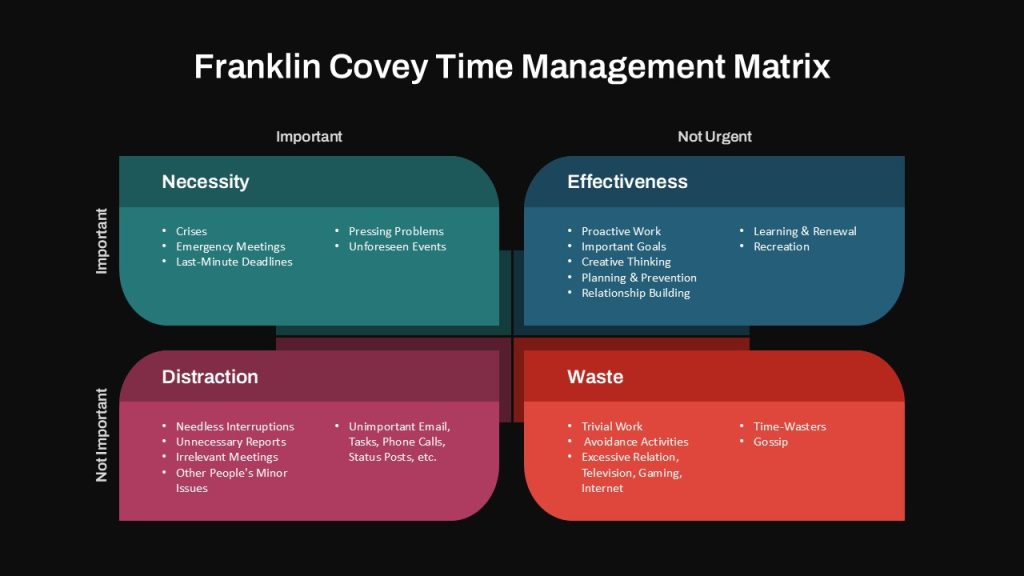
- Time blocking: This technique involves reserving specific time slots for different tasks during the day. By dedicating uninterrupted time to each task, individuals can maintain a high level of concentration and productivity without the constant interruptions that typically plague our workdays.
- Task prioritization: Here, aligning your daily goals with broader professional objectives ensures that energy is focused on tasks that drive the most significant results. For instance, if a salesperson has a monthly target, prioritizing outreach to potential clients over administrative tasks can yield higher sales outcomes.
- Declutter your digital space: Regularly organizing files, emails, and documents can save time and reduce anxiety. Tools like cloud storage make it easier to keep projects and communications organized, aiding in quicker access and better efficiency.
In conclusion, embracing a minimalist workflow can profoundly transform your work life. The approach is not merely about doing less; it’s about doing less with greater intention and clarity. As you contemplate incorporating minimalist principles into your own routines, consider how simplicity can pave the way to heightened efficiency and a fulfilling professional life. Ready to dive deeper into this transformative approach? The journey toward a streamlined workflow could be just what you need to unlock your fullest potential.
DISCOVER MORE: Click here to learn about the 30-day rule
Implementing the Minimalist Workflow: Practical Steps for Success
To effectively implement a minimalist workflow, it is crucial to establish practical steps that can seamlessly integrate into daily routines. Adopting specific strategies can lead to remarkable changes in productivity levels and overall mental well-being. Here are several actionable techniques to help you create a minimalist work environment that maximizes efficiency while minimizing stress.
1. Embrace the Power of Planning
A well-structured day can significantly improve your chances of achieving your goals. Consider utilizing a weekly planning session to identify key projects and the steps required to complete them. This proactive approach allows you to view your tasks from a broader perspective, leading to better prioritization and focus. To implement this, set aside time each Sunday evening to lay out your week, identifying high-priority tasks, meetings, and deadlines.
2. Adopt the Two-Minute Rule
One way to combat procrastination is by integrating the Two-Minute Rule into your workflow. This rule states that if a task can be completed in two minutes or less, do it immediately rather than delaying it. By quickly tackling smaller tasks, you minimize mental clutter and create a feeling of accomplishment that can propel you into more complex projects. This simple strategy can keep your to-do list manageable and your mind clear.
3. Streamline Communication
Effective communication is essential in any workplace, yet excessive communication can lead to distractions and overwhelm. To embrace a minimalist communication workflow:
- Limit meetings: Evaluate the necessity of each meeting. If a meeting can be replaced with an email or a quick chat, opt for that instead.
- Use shared documents: Leverage collaborative platforms like Google Docs or Slack, which allow team members to contribute ideas and feedback asynchronously, reducing the need for back-and-forth emails.
- Set clear expectations: Use concise messages when communicating tasks, deadlines, and responsibilities to minimize confusion and enable quicker decision-making.
4. Prioritize Self-Care
In the pursuit of efficiency, it is easy to overlook the importance of self-care. Integrating small breaks throughout the day can enhance overall productivity. Research shows that taking regular short breaks improves focus and reduces stress. For example, consider adopting the Pomodoro Technique, which encourages working in focused bursts of 25 minutes, followed by a 5-minute break. This approach not only helps maintain energy levels but also promotes mental well-being.
By applying these practical strategies, you can transform your workflow into a streamlined, minimalist model that fosters both productivity and a lower stress threshold. Remember, the key to achieving success with a minimalist workflow lies in your commitment to these simple yet effective changes. As you explore this approach, think of it as a journey towards a more organized and efficient work life, ultimately leading you to greater satisfaction and success.
Enhancing Focus and Clarity through Minimalism
Adopting a minimalist workflow can significantly enhance focus and clarity in both personal and professional life. By stripping away unnecessary clutter, individuals find it easier to concentrate on what truly matters. This leads to increased productivity and a more organized approach to tasks.
One practical example of keeping things simple is using digital tools that emphasize functionality over aesthetics. Such tools can help streamline processes and eliminate distractions that often accompany more complex systems. Moreover, it’s essential to evaluate your current workload and prioritize tasks effectively. Embracing a minimalistic task list can liberate you from the overwhelming feeling that comes with lengthy to-do lists.
Furthermore, minimalism is not just about physical or technological space; it also encompasses mental clarity. Techniques such as meditation or time-blocking can help individuals maintain a clear mind. By dedicating time to processes that foster relaxation and mindfulness, stress levels can significantly decrease. With the intention of freeing time for meaningful activities, a minimalist approach cultivates a balanced lifestyle.
Ultimately, by embracing simplicity, you can transform your workflow into a more efficient, less stressful experience. Consider reshaping your environment and processes to center on minimalism, unveiling new potentials for productivity and well-being.
| Advantages | Impact on Workflow |
|---|---|
| Enhanced Focus | Minimized distractions improve concentration on essential tasks. |
| Reduced Stress | A cleaner environment leads to mental clarity and lower anxiety levels. |
Embracing the principles of minimalism offers a transformative route to enhancing productivity while simultaneously reducing stress. By integrating these ideas into your daily routine, you may uncover an entirely new approach to achieving efficiency that is both refreshing and liberating.
LEARN MORE: Click here for tips on optimizing your space
Creating a Focus-Friendly Environment
To fully embrace a minimalist workflow, it’s important to consider the physical and digital environments in which we operate. A focus-friendly environment can dramatically increase productivity and keep distractions at bay. Here are key adjustments to create a setting conducive to minimalist work.
1. Declutter Your Workspace
A cluttered workspace can lead to a cluttered mind. Start by conducting a thorough decluttering session to create a more serene and orderly environment. Remove items that are unnecessary or do not serve a functional purpose in your daily tasks. Aim to keep only essential tools and materials that align with your goals. Maintaining a clean and organized desk not only enhances visual appeal but also provides a clear space for focused work.
2. Optimize Digital Spaces
Just as physical clutter can hinder productivity, so too can a chaotic digital space. Begin by organizing your digital files into well-labeled folders and regularly archiving or deleting items you no longer need. Consider implementing a minimalist email strategy—limit the number of emails in your inbox to zero by subscribing to only relevant newsletters and promptly responding to important messages. Utilize email rules and filters to automatically sort your incoming messages, ensuring that only critical communications demand your immediate attention.
3. Leverage Time Management Tools
Modern technology offers various tools designed to streamline tasks and enhance focus. Explore apps such as Trello or Notion that allow you to visualize tasks and projects in a simplified manner. These tools help encapsulate your workflow in a minimalist fashion, prioritizing essential tasks while offering a clear layout. Consider using time-tracking software like RescueTime to monitor how you spend your time and identify areas for improvement. By implementing these tools, you give yourself permission to eliminate less productive habits.
4. Set Boundaries for Work-Life Balance
In an era where remote work blurs the lines between personal and professional spaces, setting boundaries is crucial. Define specific work hours and communicate these clearly with colleagues and family members. Adopting a designated workspace within your home can also reinforce that boundary. Establishing a routine that includes both professional responsibilities and personal time will not only increase efficiency but also reduce the stress associated with an undefined work-life balance.
5. Learn to Say No
One of the most powerful tools in a minimalist workflow is the ability to decline commitments that do not align with your priorities or goals. Saying no can be challenging, especially in a collaborative environment; however, it is essential for maintaining focus. Be selective about projects and tasks you undertake, ensuring that they align with your overarching objectives. This will free up valuable time and energy, allowing you to concentrate on what truly matters.
By actively creating a focus-friendly environment and making structural adjustments, you can further enhance your minimalist workflow. These changes are not merely about reducing clutter; they represent a holistic approach to maximizing your efficiency and minimizing stress in a consistent and manageable way. With a commitment to these principles, you will discover new levels of productivity and clarity in your work life.
DISCOVER MORE: Click here to enhance your productivity
Conclusion
In today’s fast-paced world, adopting a minimalist workflow can provide a refreshing antidote to the chaos that often accompanies our daily tasks. By emphasizing simplicity in both our physical and digital environments, we can streamline our efforts, thereby maximizing efficiency and reducing the stress often linked to overwhelm. The principles discussed—ranging from decluttering spaces to optimizing time management—illustrate that minimalism goes beyond aesthetics; it is a strategic move towards achieving clarity and focus.
As you navigate the complexities of modern work life, consider the profound effect that a thoughtfully organized workspace can have on your overall productivity and mental well-being. The act of saying no to non-essential commitments can safeguard your time and energy, allowing you to immerse yourself in what truly matters. Tools that aid in organization and time management are not just conveniences; they are integral to creating a sustainable workflow that allows you to maintain your best output.
Ultimately, minimalism is about making conscious choices and erecting structures that serve your unique objectives. By emulating these strategies and fostering a work environment devoid of unnecessary distractions, you can unlock greater potential within yourself. Embrace the journey toward a minimalist workflow, and witness the transformation as you cultivate a balanced, efficient, and fulfilling professional life.