Maximizing Small Spaces Minimalist Optimization Strategies Guide
Introduction
In an age where living spaces are becoming increasingly compact, the art of maximizing small areas is more relevant than ever. Minimalism, with its core principle of simplicity and functionality, offers a blueprint for organizing our surroundings by prioritizing both space efficiency and clarity of purpose. As we navigate this trend, understanding how to optimize small environments becomes essential for achieving not only aesthetic appeal but also comfortable and practical living.
Many individuals are seeking ways to declutter their homes, finding freedom in the intentional removal of excess. With this guide, we will delve into innovative strategies that facilitate personal organization within the minimalist framework, ensuring that every inch of space is utilized effectively. Prepare to uncover transformative methods that can reshape your living experience.
- Inspiration from real-life minimalist homes
- Resources for decluttering techniques
- Multipurpose furniture solutions
- Creative storage ideas tailored for tight spaces
- Top design tips to enhance aesthetics while maximizing functionality
As we explore the top five strategies for optimizing small spaces, be ready to unlock the potential hidden within your home and cultivate a lifestyle that embraces minimalism and efficiency.
Top 5: Maximizing Small Spaces – Strategies for Optimization in Minimalist Environments
Living in smaller spaces is becoming increasingly common due to urbanization and the rising cost of real estate worldwide. This shift demands a thoughtful approach to home design, especially for those aspiring to maintain both style and functionality. Minimalism, which emphasizes a “less is more” mentality, encourages individuals to maximize what they have and find efficiency in every corner of their living environment. Here, we present our top five strategies for optimizing small spaces, ensuring that every inch counts in a minimalist setting.
5. Utilize Vertical Space
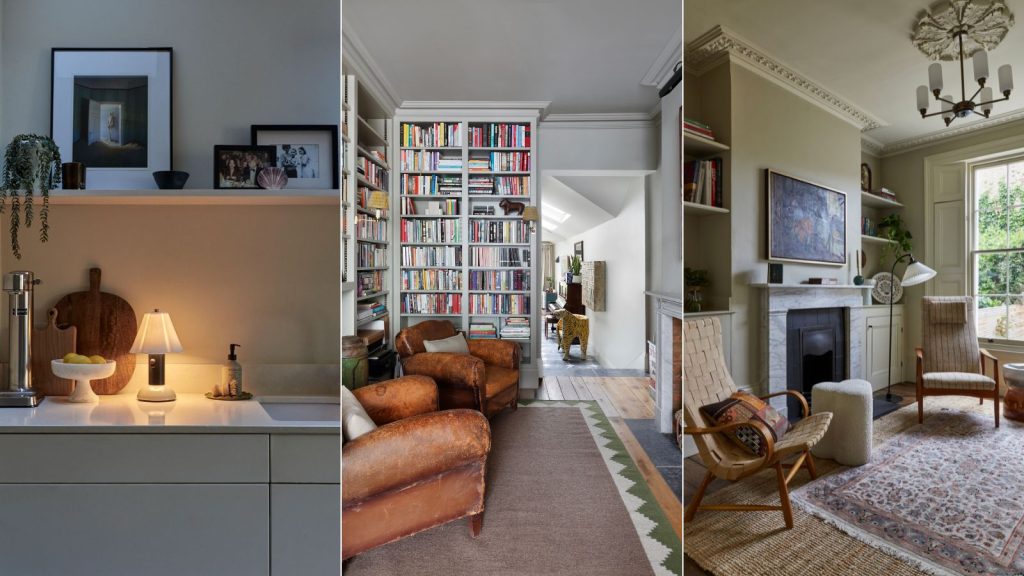
One of the smartest strategies in making a small area feel larger is to take advantage of vertical space. When floor space is limited, look upwards! Walls offer untapped potential for storage and display, transforming bare surfaces into functional and beautiful features.
Consider the following options:
- Wall-mounted Shelves: Perfect for books, decor, and plants, these maintain an open floor plan. They combine aesthetics with utility, allowing you to display cherished items without sacrificing space.
- Hooks and Pegboards: These are ideal for hanging tools in a small workshop or coats in an entryway. Pegboards are especially versatile, as they can be rearranged to adapt to changing storage needs.
- Vertical Gardens: Not only do they save space, but they also bring a breath of fresh air and aesthetics into your home. They are particularly effective in urban environments where green space is limited.
By shifting your focus from the ground to the walls, you can reclaim valuable floor space while creating an intriguing visual appeal. Incorporating vertical space not only optimizes the area you have but also introduces a dynamic layer to room design.
4. Choose Multipurpose Furniture
In small spaces, every piece of furniture should earn its keep, which is why multipurpose furniture is a game-changer. These versatile pieces are designed to serve more than one function, maximizing utility without increasing clutter.
- Sofa Beds: These are great for hosting guests without needing a separate room, making them ideal for studio apartments or loft spaces where every square foot must be considered.
- Ottomans with Storage: Perfect for hiding away blankets or toys, these can also double as extra seating or even a coffee table.
- Foldable Tables: Use them for dining, gaming, or working, then tuck them away when not in use. They offer flexibility needed in compact apartments and can be easily stowed to create space for other activities.
Combining functionality with design provides both comfort and efficiency in a limited living area. Multipurpose furniture offers a practical solution to space constraints while maintaining a stylish and contemporary environment.
3. Create Zones with Area Rugs
Designing a cohesive yet functional space is vital in small apartments. One effective method for doing this is to use area rugs to create distinct zones. This strategic use of textiles can help delineate spaces and give structure to an otherwise open plan.
- Living Area: An area rug can help separate a cozy sitting space from the rest of the room, creating a defined space for relaxation and entertainment.
- Work Area: Define a workspace, making it easier to focus and mentally separate work from leisure time at home.
- Dining Area: Designate a dining section that can visually link the kitchen and the living space without clutter, adding an element of organization and flow to mealtime gatherings.
This not only helps organize a small footprint but also enhances the overall aesthetic, making the space feel more intentionally curated and comfortable. Using area rugs in this way adds layers to interior design, providing warmth, comfort, and personality to each area of your home.
2. Declutter Regularly
Decluttering is a cornerstone of minimalist living, echoing the principle that “less is more.” Maintaining this philosophy requires regular editing of one’s possessions to enhance the livability of your space.
- Assessing each item: Ask yourself if it serves a purpose or brings you joy. This process can help discern what is truly needed versus what is merely wanted.
- Implementing the one-in, one-out rule: Each time a new item is introduced into your home, remove another to avoid accumulation.
- Setting a schedule: Regularly dedicate time to go through belongings, keeping clutter at bay. Seasonal reviews can ensure you adapt to changing needs and maintain a harmonious living environment.
A mindfully organized space creates peace and encourages a more refreshing living environment, essential in smaller homes. Decluttering isn’t just a practical exercise but a lifestyle choice that promotes mindfulness and intentionality in living spaces.
1. Embrace Natural Light
At the top of our list is the incredible impact of natural light on small spaces. Light has the magical ability to make a room feel more open and airy, and its psychological benefits are well-documented.
- Opt for light-colored curtains: Avoid heavy drapes; instead, choose sheer fabrics that allow light in while maintaining privacy.
- Keep windows unobstructed: Arrange furniture to maximize exposure to available sunlight, and utilize transparent or low-profile furnishings to prevent blocking light pathways.
- Use mirrors: Placing mirrors strategically can reflect light around the room, enhancing its brightness and creating the illusion of more space.
Enhancing the natural light in your home not only gives the illusion of a larger space but also elevates your mood and well-being. This strategy leverages one of the most readily available resources, transforming small spaces into warm, inviting homes. Embracing natural light is not just a design decision; it’s a lifestyle improvement that nurtures health and happiness.
Maximizing small spaces through these methods requires creativity and deliberate choices. By prioritizing functionality and aesthetic harmony, these strategies allow anyone to transform tight quarters into a spacious sanctuary, reaffirming that size isn’t everything when it comes to creating a comfortable and stylish home.
| Category | Advantages |
|---|---|
| Smart Furniture | Using multifunctional furniture allows for efficient use of space. Examples include foldable tables, Murphy beds, and ottomans with storage. |
| Minimal Decor | A minimalist decor emphasizes clean lines and simple color palettes, which can make spaces appear larger and more serene. |
| Vertical Storage Solutions | Leveraging wall space for storage helps to keep floors clear, promoting organization and reducing clutter with shelves, hooks, and tall cabinets. |
| Color and Light | Incorporating bright colors and utilizing natural light enhances the feeling of space; light colors reflect more light, making rooms feel airy and open. |
Exploring these categories reveals a diverse range of advantages that can enhance small living spaces. Smart furniture not only maximizes utility but also brings a practical solution to aesthetic concerns in urban residences. By investing in vertical storage solutions, individuals can transform their homes into organized havens, effectively utilizing every inch available. Moreover, the power of color cannot be underestimated; it can dramatically influence perception and ambiance. The right shades can invite calm while cleverly manipulating light can enhance the overall atmosphere, creating a harmonious blend of comfort and style. These strategies form the foundation of successful small space optimization and invite further exploration into the myriad ways one can make limited environments more functional and appealing.
Frequently Asked Questions about Maximizing Small Spaces
How can I make a small room look bigger using minimalistic techniques?
To make a small room appear more spacious, consider using light colors such as whites, pastels, or soft grays. These colors reflect more light and can create an airy feeling. Additionally, embrace multi-functional furniture that can be easily moved or repurposed, like a sofa bed or nesting tables. Mirrors can also be strategically placed to reflect light and give an illusion of depth, making your tiny space feel larger and more inviting.
What are some effective storage solutions for small spaces?
Implementing vertical storage solutions can significantly enhance the functionality of a small room. Wall-mounted shelves, hanging racks, and pegboards are excellent for organizing items while keeping the floor space clear. Additionally, consider using furniture with built-in storage options, such as beds with drawers or ottomans that open for additional storage. This approach maintains a clutter-free environment, essential for minimalistic designs.
What mistakes should I avoid when trying to optimize a small space?
A common mistake is overcrowding the space with furniture or decorative elements. It’s crucial to maintain a balance by sticking to a “less is more” philosophy. Avoid covering walls excessively or stuffing too many items into open spaces. Also, neglecting to establish designated zones for specific activities can lead to a chaotic environment. Be strategic with layout planning, ensuring each piece serves a purpose and adds value to the space.
How can lighting influence the perception of space in a minimalistic setup?
Lighting plays a vital role in enhancing small spaces. Use a mix of natural light and artificial lighting to brighten the room. Ambient lighting, such as wall sconces or recessed lights, can eliminate shadows and give a sense of openness. Task lighting for specific areas like reading nooks or workspaces is also beneficial. Dimmer switches can provide flexibility, allowing you to adjust lighting according to the mood, enhancing the overall aesthetic of the space.
Are there specific minimalist design styles that work best for small spaces?
Scandinavian and Japanese minimalistic styles are particularly effective for small spaces. These designs focus on the use of natural materials and emphasize simplicity. Both styles highlight the importance of functional pieces and uncluttered atmospheres, which make them ideal for minimalistic living. Incorporate natural textures, such as wood or stone, and sustainable materials, reinforcing the minimalist ethos while enhancing the space’s visual appeal.
Conclusion: Embracing the Art of Minimalism
In an era where space is often at a premium, the art of maximizing small spaces through minimalist strategies has become not only a trend but a necessity. Throughout this exploration, we’ve delved into key techniques that transform cramped quarters into functional and aesthetically pleasing environments.
The primary takeaway is the crucial role of intentional design and organizational discipline. By focusing on quality over quantity, individuals can create serene and efficient living areas. The integration of multifunctional furniture and strategic use of vertical spaces revolutionizes how we perceive and interact with our surroundings, offering endless possibilities for customization.
Moreover, the article underscored the importance of natural light and color psychology as powerful influencers in optimizing small environments. These factors enhance the perception of space and contribute significantly to the mood and ambience, making them indispensable in minimalist design philosophy.
By adopting a minimalist approach, we not only optimize physical spaces but also foster mental clarity and well-being. This lifestyle encourages us to embrace simplicity, focus on our true priorities, and reduce the clutter that often accompanies modern life. As we move forward, the minimalist mindset can serve as a pivotal guide in navigating the complexities of contemporary living.
The journey of maximizing small spaces through minimalist strategies is not merely about aesthetics or functionality; it is an invitation to rethink our consumption patterns and cultivate a deeper connection to our personal environments. As this concept continues to evolve, it promises both transformative and practical benefits for those willing to embrace the minimalist ideal.