Maximizing Small Living Spaces: Innovative Space Optimization Techniques for Minimalists
Transforming Small Spaces into Functional Havens
Living in a small space can feel challenging, but it also opens doors to creativity and efficiency. With the right techniques, you can maximize every square inch and create a functional and stylish environment that reflects your personal taste. Innovative design doesn’t just entail aesthetics; it’s about practicality and adaptability to modern lifestyles.
In today’s fast-paced world, many Americans live in compact apartments or tiny homes. A study by the National Association of Realtors (NAR) noted that the trend of downsizing homes has led to a significant increase in the demand for smaller living spaces. This lifestyle shift emphasizes the need for effective space optimization techniques. Here are some approaches that can dramatically transform your small living area:
- Multi-functional furniture: Investing in pieces that serve more than one purpose is essential for small spaces. For example, a sofa bed can serve as a comfortable couch during the day and convert into a bed at night for guests. Similarly, a coffee table with built-in storage can help keep living areas looking tidy.
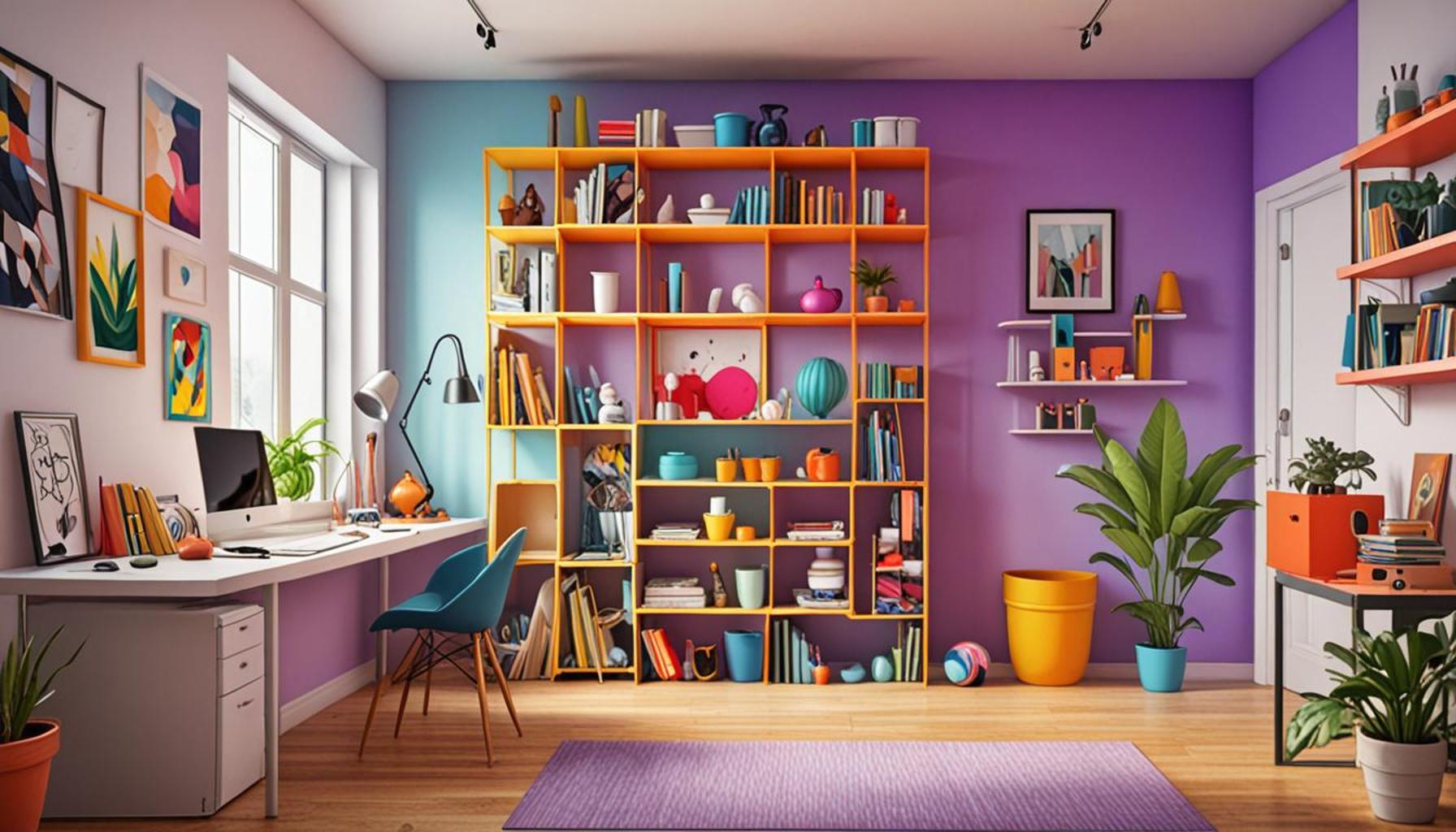
- Vertical storage solutions: Utilizing wall space to keep floors clear is a game-changer in small settings. Think of floating shelves for books and decorative items, or wall-mounted hooks for coats and bags. This approach not only saves valuable floor space but also draws the eye upward, creating an illusion of height.
- Decluttering practices: Regularly assessing belongings and minimizing excess can significantly improve your space. The KonMari method, popularized by Marie Kondo, encourages individuals to keep only items that “spark joy.” By parting with unused items, you’ll find that even the smallest spaces can feel more open and welcoming.
Innovations in design and technology have paved the way for ambitious space enhancements. Consider these strategies to redefine your surroundings:
- Modular furniture: This type of furniture can easily adapt to your needs. Pieces like modular sofas can be rearranged to fit various configurations, allowing for flexible seating arrangements depending on the occasion.
- Hidden storage: Creative use of areas that are often overlooked, such as under-bed space or kitchen islands with concealed storage, can allow you to stash away clutter efficiently. Additionally, built-in cabinetry can be a stylish way to enhance storage without sacrificing aesthetics.
- Smart technology: Integrating devices that save space and energy can enhance the functionality of your living area. Smart home devices, such as compact smart speakers or wireless chargers, eliminate the need for bulky electronics, freeing up surfaces for more decorative items.
Embracing a minimalist approach not only promotes a more organized home but also fosters a sense of peace and clarity. The minimalist lifestyle encourages mindfulness, helping individuals concentrate on what truly matters in their daily lives. The journey to optimize your small living space begins here, providing you with the tools to create a remarkable living experience that is both stylish and fully functional.
DISCOVER MORE: Click here for effective time management strategies
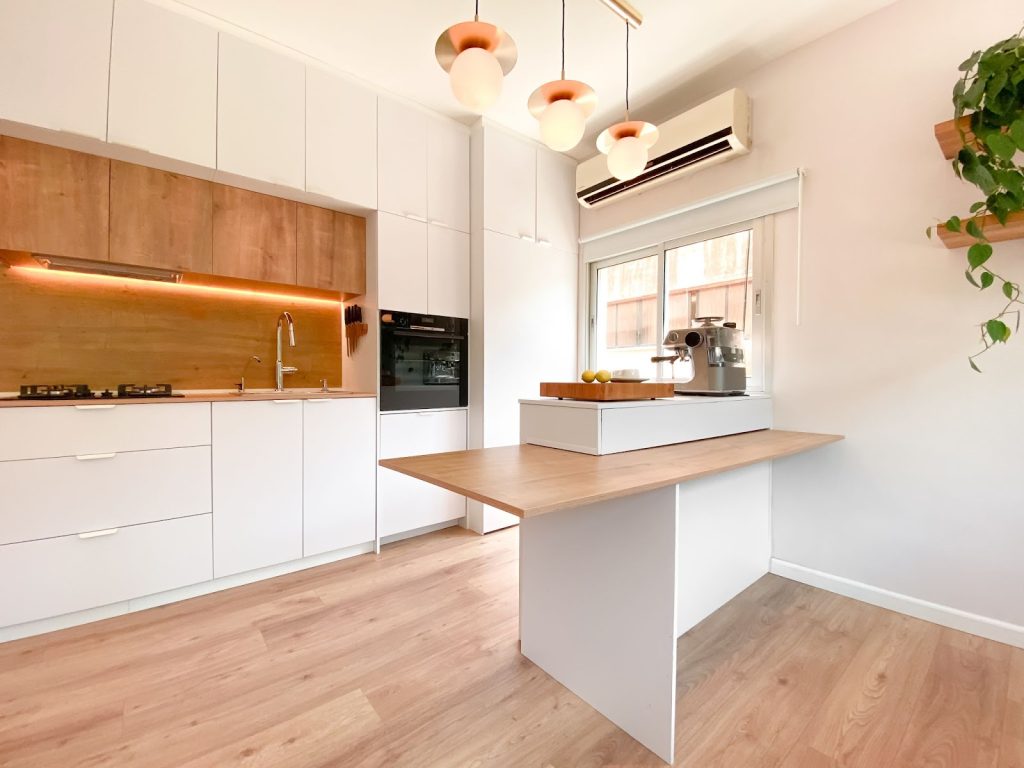
Innovative Solutions for Optimal Living
As urban living becomes increasingly compact, the need for inventive ideas to maximize space has never been more important. Whether you are a busy professional in a metropolitan area or a retiree downsizing to a more manageable home, the introduction of innovative space optimization techniques can transform your small living environment into a haven of functionality and tranquility.
One of the first steps in optimizing a small living space is to understand the elements that contribute to an uncluttered, serene setting. Below are some key strategies to consider:
- Flexible layouts: The arrangement of furniture can dramatically influence how a space feels. Consider creating zones that encourage both movement and comfort. Use area rugs to define different sections of a room, such as a cozy reading nook or a dining space. This segmentation not only enhances aesthetic appeal but also maximizes the utility of each area.
- Transformative decor: Utilizing decor that can change functions is a clever way to enhance small spaces. For instance, a foldable dining table can be expanded for dinner parties and tucked away after use. Similarly, wall-mounted drop-leaf tables can serve as workstations during the day and be folded down when not in use, significantly freeing up floor space.
- Light and color: The perception of space can be manipulated through strategic color choices and lighting. Opt for light, neutral colors to create an illusion of openness. Incorporating mirrors can also reflect light and create depth, making your small room feel larger. Positioning lamps in dark corners will illuminate shadows and enhance the overall ambiance.
For those seeking to elevate their small living spaces, focusing on adaptable designs can be key. Here are additional innovative techniques to consider:
- Under-stair utilization: If your space features stairs, don’t overlook the areas beneath them. This often-neglected space can be ingeniously used for storage or even a petite workspace. Custom cabinets or open shelves can help keep items accessible without consuming additional floor space.
- Rolling storage solutions: Items on wheels, such as carts and rolling bins, offer flexibility and can be moved around as needed. These mobile solutions allow you to create a multifunctional space that can adapt to temporary needs, whether it’s a mini-bar, a mobile pantry, or a craft station.
- Vertical gardens: Bringing plants into small spaces can enhance air quality and deliver a sense of tranquility. Vertical gardens or hanging planters not only save floor space but also inject life and color into your surroundings.
Embracing these creative space optimization techniques not only improves daily functionality but also cultivates a sense of personalization within your living area. As we further explore these innovations, you will find that maximizing small spaces can lead to not just practical solutions, but also elevate your overall quality of life.
Understanding Space Optimization Techniques
In today’s fast-paced world, maximizing small living spaces has become essential for many individuals. Innovative techniques offer minimalists the opportunity to create a functional and aesthetically pleasing environment without sacrificing personal style. One key aspect is integrating multi-functional furniture that not only serves various purposes but also complements the overall design. For example, consider a sofa bed that seamlessly transitions from a place of relaxation to guest accommodation, thereby making the most of limited square footage.
The Power of Vertical Solutions
Vertical spaces are often underutilized in small living environments. Implementing shelves that reach the ceiling or utilizing wall-mounted storage solutions are powerful ways to free up valuable floor space. This method not only draws the eye upward, creating an illusion of height but also helps keep surfaces clutter-free. With techniques like this, your home can be both spacious and inviting.
Decluttering and Organization Strategies
Decluttering is another fundamental component of space optimization. Minimalism is about more than just design; it requires a conscious effort to keep only what adds value to your life. Employing storage solutions such as under-bed containers, drawer organizers, and even decorative baskets can assist in maintaining an organized and tidy environment. This intentional sense of organization not only enhances functionality but also promotes tranquility in your personal space.
Biophilic Design Elements
Incorporating biophilic design elements, where natural elements blend with the living space, creates a serene atmosphere. Plants, natural light, and earthy textures can drastically change the feeling of confinement often experienced in small spaces. Research shows that living with plants enhances mood and overall well-being, making them a worthwhile addition to any minimalist home. By understanding these principles, you can transform your small living space into a functional, stylish haven that reflects your values as a minimalist.
| Category | Description |
|---|---|
| Multi-Functional Furniture | Saves space while providing comfort and utility. |
| Vertical Storage Solutions | Maximizes unused wall space and enhances visual height. |
| Decluttering Techniques | Promotes an organized, stress-free living environment. |
| Biophilic Elements | Brings nature indoors, enhancing overall well-being. |
DISCOVER MORE: Click here for expert decluttering tips
Smart Storage Solutions for Small Homes
When it comes to living in smaller spaces, effective storage solutions often make or break the functionality of your environment. Creative approaches to storage not only help in decluttering but also enhance the overall aesthetic of your home. Below are some innovative storage techniques tailored for small living spaces that minimalists will appreciate:
- Multi-functional furniture: Investing in furniture that serves dual purposes is an intelligent approach for any small living space. Look for ottomans with hidden storage capacity or beds with built-in drawers. A sofa bed can allow for overnight guests while saving precious square footage during the day.
- Wall-mounted shelves: Utilizing vertical wall space with open shelving systems can display books, plants, or decor while decluttering surfaces. These shelves can be customized to fit various styles and can elevate even the smallest rooms by drawing the eye upward, creating an illusion of height.
- Over-the-door organizers: Don’t underestimate the potential of the often-overlooked area behind doors. Over-the-door shoe racks or hooks can store anything from shoes to accessories, providing easy access without cluttering up floor space. These organizers are fantastic for keeping everyday items within reach while maintaining an organized look.
Another essential aspect of space optimization is maximizing storage capacity in unconventional areas. Here are more ideas to consider:
- Customized closet systems: A tailored closet system can dramatically change your storage game. Consider using adjustable shelving, hanging organizers, and drawer dividers to maximize every inch. This can enhance your storage solutions in bedrooms, entryways, and even kitchens.
- Furniture with storage capabilities: A coffee table with a lift-top can serve as both a stylish centerpiece and a practical storage solution. Consider dining benches with compartments for stowing away seasonal items. The more functions you can build into each piece of furniture, the more efficient your space will become.
- Under-utilized spaces: Be sure to look for unused areas that can be converted into storage. Nooks or alcoves can be fitted with compact shelves, creating library-like spots or additional organizational units. You might also consider risers for beds or couches to allow for storage bins beneath.
Incorporating thoughtful design and innovative storage solutions is an empowering way to enhance small living spaces. While these optimization techniques can greatly transform your environment, it’s vital to remain intentional about what stays in your home. Regularly assessing belongings encourages a minimalist mindset that prioritizes quality over quantity, leading to a balanced living space.
By melding functionality with creativity, residents of small living spaces can cultivate environments that reflect their personal style while meeting their practical daily needs. With these effective strategies at your disposal, small spaces can feel spacious and inviting, making them not just livable, but truly enjoyable.
DISCOVER MORE: Click here for practical decluttering tips
Conclusion
In the quest for living large in small spaces, embracing innovative space optimization techniques proves essential for minimalists striving for both functionality and style. By integrating smart storage solutions and thoughtful design, residents can transcend the constraints of square footage to create homes that are not only practical but also aesthetically pleasing. The strategic use of multi-functional furniture allows for the dual purpose of items, transforming a mere living room into a guest suite or a workspace at a moment’s notice.
Moreover, the incorporation of vertical storage, such as wall-mounted shelves and over-the-door organizers, maximizes often-neglected areas of the home, providing storage without sacrificing valuable floor space. Regularly auditing belongings fosters a minimalist mindset, ensuring that each item serves a purpose, thereby enhancing one’s living experience.
As urban populations continue to grow and housing costs soar, the ability to maximize small living spaces becomes increasingly relevant. This challenge invites creativity and innovation as individuals seek to transform their environments into sanctuaries of simplicity amidst the clutter of modern life. By applying these strategies, anyone can discover new ways to love their living space, proving that size does not dictate comfort or style.
Ultimately, redefining the relationship with our belongings and the spaces they inhabit results in a richer, more fulfilling lifestyle. As you explore these techniques, remember that minimizing is not merely about reducing possessions; it’s about enhancing the quality of your living experience. Embrace the journey of creating a personalized, efficient, and inspiring small home that truly resonates with your ideals.