Furniture Restoration: Tips and Techniques for Sustainable DIY Projects
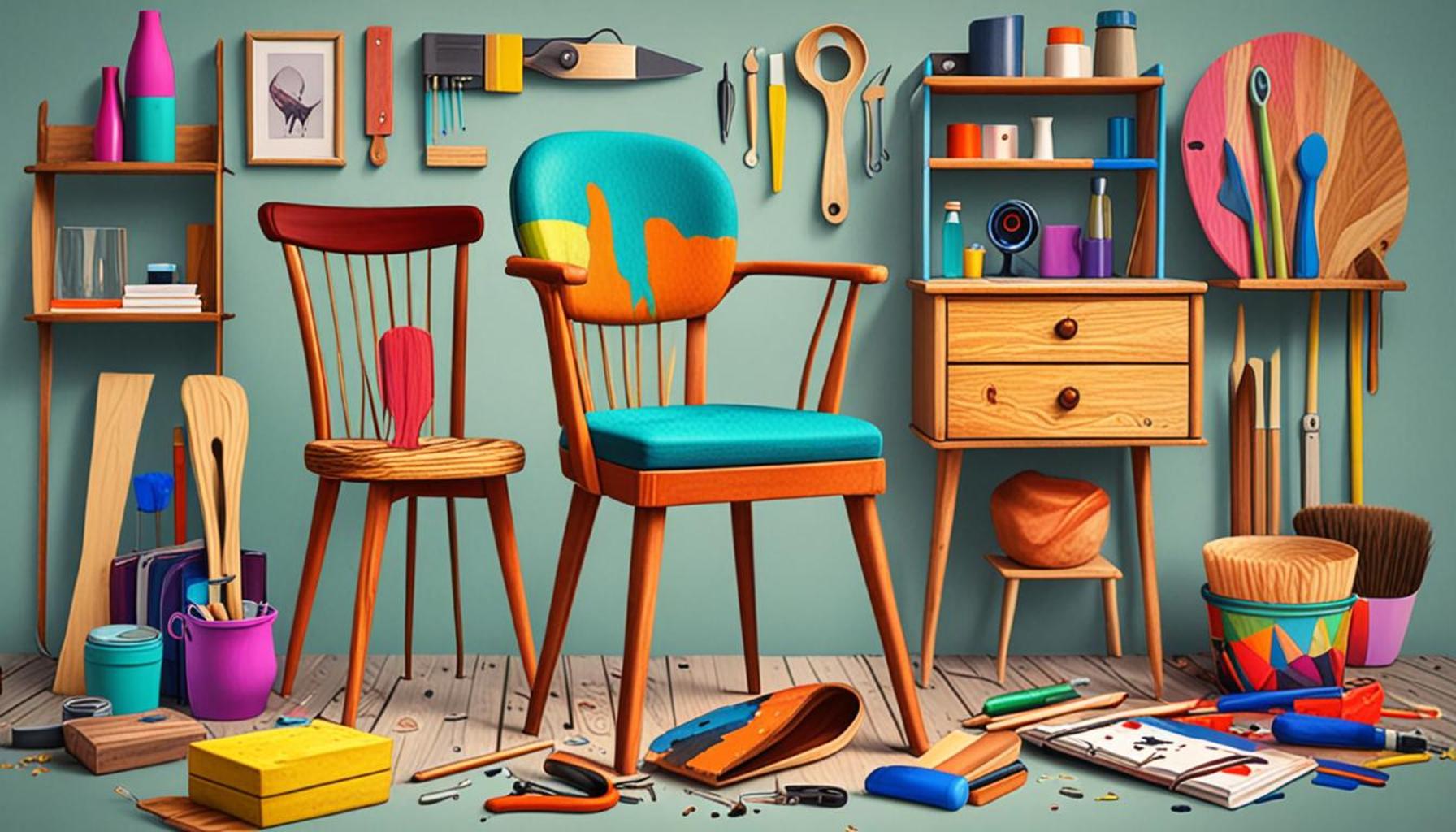
Reviving Old Treasures
Have you ever considered giving your worn-out furniture a new lease on life? Furniture restoration not only breathes fresh air into your home but also promotes sustainability. By transforming old pieces, you reduce waste while embracing a unique style that reflects your personality and taste.
Why choose furniture restoration? Here are some compelling reasons:
- Cost-effective: Restoring furniture is often much more economical than purchasing new items. For instance, a vintage wooden dining table can cost hundreds of dollars to replace, whereas a thorough refurbishment—requiring just sandpaper, paint, and varnish—could set you back only a fraction of that cost. You not only save money but also enhance the value of your home with well-restored pieces.
- Environmentally friendly: Furniture restoration reduces landfill waste and the need for new raw materials. The production of new furniture contributes significantly to deforestation and carbon emissions. By opting to restore what you already have, you support a more sustainable lifestyle and help preserve natural resources for future generations.
- Personalized touch: With furniture restoration, you can create truly one-of-a-kind pieces that fit seamlessly into your home’s decor. For example, you can modify an outdated dresser with a fresh coat of paint and unique hardware, turning it into a standout focal point in your bedroom. This personalization adds character and charm that mass-produced items can’t replicate.
With the right tips and techniques, even beginners can dive into the rewarding world of DIY projects. From simple touch-ups—like changing out drawer pulls or applying new upholstery—to more extensive refurbishing methods, there’s something for everyone. You might find that all it takes is a little creativity and effort to transform an unloved item into a stunning focal point.
In the following sections, we will explore essential methods for restoring furniture effectively. You will learn about:
- Basic tools and supplies needed for restoration, such as sanders, brushes, and wood glue.
- Step-by-step processes for different types of furniture, guiding you through common restoration projects like refinishing a chair or reupholstering a sofa.
- Creative ideas for upcycling to enhance your décor, including techniques like decoupage or using stencils for unique patterns.
Join us as we uncover valuable insights and practical advice on crafting sustainable DIY projects that honor both your budget and the planet. Whether you’re looking to update a family heirloom or simply want to experiment with your creative side, furniture restoration offers endless possibilities for personal expression and environmental stewardship.
DISCOVER MORE: Click here to learn about the evolution of craft activities
Essential Tools and Supplies for Your DIY Journey
Before diving into the world of furniture restoration, it’s crucial to gather the right tools and supplies. Whether you’re a seasoned DIY enthusiast or an eager beginner, having the proper equipment at your fingertips will streamline your restoration projects and enhance the overall outcome. Below is a foundational list of essential items to kickstart your furniture restoration journey:
- Sandpaper: A variety of grits (from coarse to fine) are necessary for stripping old finishes and smoothing surfaces. Start with coarse grit (around 60-80) to remove the existing finish, then progress to finer grits (220 and above) for a smooth finish.
- Paintbrushes and Foam Rollers: High-quality brushes are crucial for applying paint and sealants evenly. Foam rollers can also help achieve a smooth, professional appearance on larger surfaces.
- Wood Glue: For reassembling or repairing damaged furniture, a strong wood glue is essential. Look for a product that bonds well with the type of wood you are working with.
- Drop Cloths: Protect your floors and work surfaces with drop cloths. This will save you from unwanted spills and paint stains during your restoration process.
- Safety Gear: Don’t overlook personal safety! Invest in safety goggles, a dust mask, and gloves to protect yourself from dust, fumes, and other hazards while working.
- Upholstery Tools: If you’re planning to reupholster seats or cushions, gather staple guns, upholstery needles, and fabric scissors to make the process smoother and more efficient.
- Sealants and Finishes: Apply sealants or finishes to enhance the durability of your restored pieces. Options include wood stains, paints, and varnishes, each offering a different aesthetic appeal.
Equipped with these basic supplies, you’re ready to start assessing your furniture pieces. It’s essential to inspect each item for any structural issues or signs of damage, such as loose joints or broken parts. Taking the time to evaluate your furniture will help you determine the best approach for restoration.
Understanding Different Types of Furniture Restoration is your next step. Restoration methods can vary based on the type of furniture and its condition. For instance, refinishing involves stripping the existing finish and applying new stain or paint, while reupholstering updates the fabric of chairs and sofas. Each method has distinct techniques that can range from straightforward to more complex tasks that require practice and patience.
Staying mindful of your project’s environmental impact is another consideration. Opt for eco-friendly paints, stains, and adhesives whenever possible. These products are less harmful to both your health and the environment, making your restoration efforts even more sustainable.
In our upcoming sections, we will delve into detailed how-tos for specific restoration projects, unveiling step-by-step processes that simplify tasks like refinishing a beloved side table or breathing new life into a vintage armchair. By the end of this guide, you’ll feel empowered to embark on your creative journey and restore old treasures into sustainable, beautiful additions to your home.
| Advantages | Details |
|---|---|
| Eco-Friendly Approach | Furniture restoration promotes sustainability by reducing waste and minimizing the demand for new materials. |
| Cost-Effective | Transforming old furniture can save money compared to purchasing new pieces, allowing for budget-friendly home improvement. |
As we explore the realm of furniture restoration, it’s essential to recognize the invaluable tips and techniques at your fingertips. Start by selecting pieces that hold sentimental value or unique charm, as these will make your restoration journey more meaningful. Utilize eco-friendly paints and finishes to ensure that your project remains sustainable and safe for your home environment.For those who may feel daunted by DIY projects, consider taking advantage of online tutorials that provide step-by-step guidance. Engaging with community workshops can also be an excellent avenue for learning from experienced restorers. Ultimately, these projects encourage creativity while promoting a lifestyle of thrift and sustainability. By revitalizing furniture, you not only enhance your living space but also contribute positively to the environment. Embrace the challenge; every scratch and imperfection tells a story, transforming your furniture restoration endeavors into a rewarding and enriching experience.
DIVE DEEPER: Click here to discover more
Techniques for Safe and Effective Furniture Restoration
Now that you have equipped yourself with the essential tools and supplies, the next step is mastering the various techniques that will ensure the successful restoration of your furniture pieces. These methods can immensely impact the final look and longevity of your projects. Below are key techniques that every aspiring furniture restorer should consider:
1. Stripping and Refinishing
Stripping furniture involves removing old paint or varnish to reveal the wood beneath. This technique is vital for creating a fresh canvas. For effective stripping, you could use chemical strippers or go the natural route with heat guns and scrapers. When applying chemical strippers, follow the manufacturer’s instructions and work in a well-ventilated area. After stripping, sand the surface to ensure it’s smooth before applying a new finish.
2. Painting with Purpose
Painting is a popular method for revitalizing worn pieces. Choose eco-friendly paints that emit low or no volatile organic compounds (VOCs), ensuring a healthier environment for you and your home. Techniques such as using a primer can help the paint adhere better and make the final finish more polished. It’s essential to apply multiple thin coats rather than one thick layer; this leads to a more even and durable finish.
3. Upholstering Like a Pro
If your project involves upholstery, understanding how to properly reupholster furniture is crucial. Start by removing the old fabric and padding. To ensure a secure fit, use a staple gun to attach the new fabric. Techniques like wrapping the fabric tightly and ensuring patterns align can elevate your upcycling game. Don’t forget to replace foam cushions if they are worn out to enhance comfort and aesthetics.
4. Repairing Structural Damage
Addressing any structural issues is fundamental to the restoration process. This could mean re-gluing loose joints, replacing missing components, or reinforcing weak areas with screws or brackets. Understanding how furniture is constructed can guide your repairs. For instance, dowel joints and mortise-and-tenon joints are common in quality pieces, and recreating these with precision will ensure your furniture lasts.
5. Finishing Touches
Once the restoration is complete, applying the right finishes and sealants is vital. Consider using a natural oil, like tung or linseed oil, which can penetrate and protect the wood while maintaining its beautiful appearance. Additionally, a quality wax finish can provide a lovely sheen while adding a protective layer. Remember to allow sufficient drying time between coats to achieve the best results.
Through each of these techniques, consider the environmental impact of your materials. Utilizing sustainably sourced woods, reclaimed materials, and natural finishes contributes not only to the aesthetics of your project but also to a more sustainable crafting approach. Thus, your furniture restoration efforts become a reflection of both creativity and ecological mindfulness.
Ultimately, understanding and applying these techniques will lead to successful results in your furniture restoration projects. With patience, skill, and a commitment to sustainability, each piece can transform from neglected to cherished, providing beauty and functionality for years to come.
DISCOVER MORE: Click here to dive deeper into the evolution of craft activities
Conclusion
Embarking on the journey of furniture restoration not only rejuvenates tired pieces but also contributes to a more sustainable future. By integrating eco-friendly materials and techniques, you can extend the life of furniture rather than opting for mass-produced alternatives, which often come with a hefty environmental price tag. Throughout this article, we’ve highlighted essential methods, from stripping and refinishing to repairing structural damage, emphasizing the importance of patience and precision.
Importantly, your choices in materials and finishes will echo through your work, fundamentally impacting both the aesthetics and sustainability of your projects. By opting for low-VOC paints, natural wood finishes, and reclaimed materials, you embrace not just a trend but a lifestyle focused on responsible consumption. Furthermore, the satisfaction derived from transforming a forgotten piece into a stunning centerpiece can enhance your connection to your living space.
As you delve into your furniture restoration projects, remember that the tools and techniques you adopt pave the way for creative expression and environmental mindfulness. Whether you’re breathing new life into a vintage find or mending a family heirloom, each restoration is an opportunity to celebrate craftsmanship and sustainability in equal measure. So roll up your sleeves, let your creativity flow, and embark on a fulfilling journey that turns discarded items into treasured possessions, all while taking steps toward a greener planet.