Exploring the Therapeutic Benefits of Craft Activities for Mental Health
The Therapeutic Wonders of Crafting
In recent times, the link between craft activities and mental health has garnered increasing attention. As people navigate the complexities of modern life, engaging in creative pursuits offers a means to find peace and foster resilience. The transformative power of crafting lies not only in its ability to produce beautiful items but also in its profound impact on mental well-being.
Crafting encompasses a broad range of activities, each offering distinctive therapeutic benefits. For instance, knitting and crocheting provide a rhythmic, repetitive action that can induce a meditative state. Research from the American Journal of Public Health has shown that such repetitive motions lower stress levels and can decrease symptoms of anxiety, contributing to an overall sense of calm and stability.
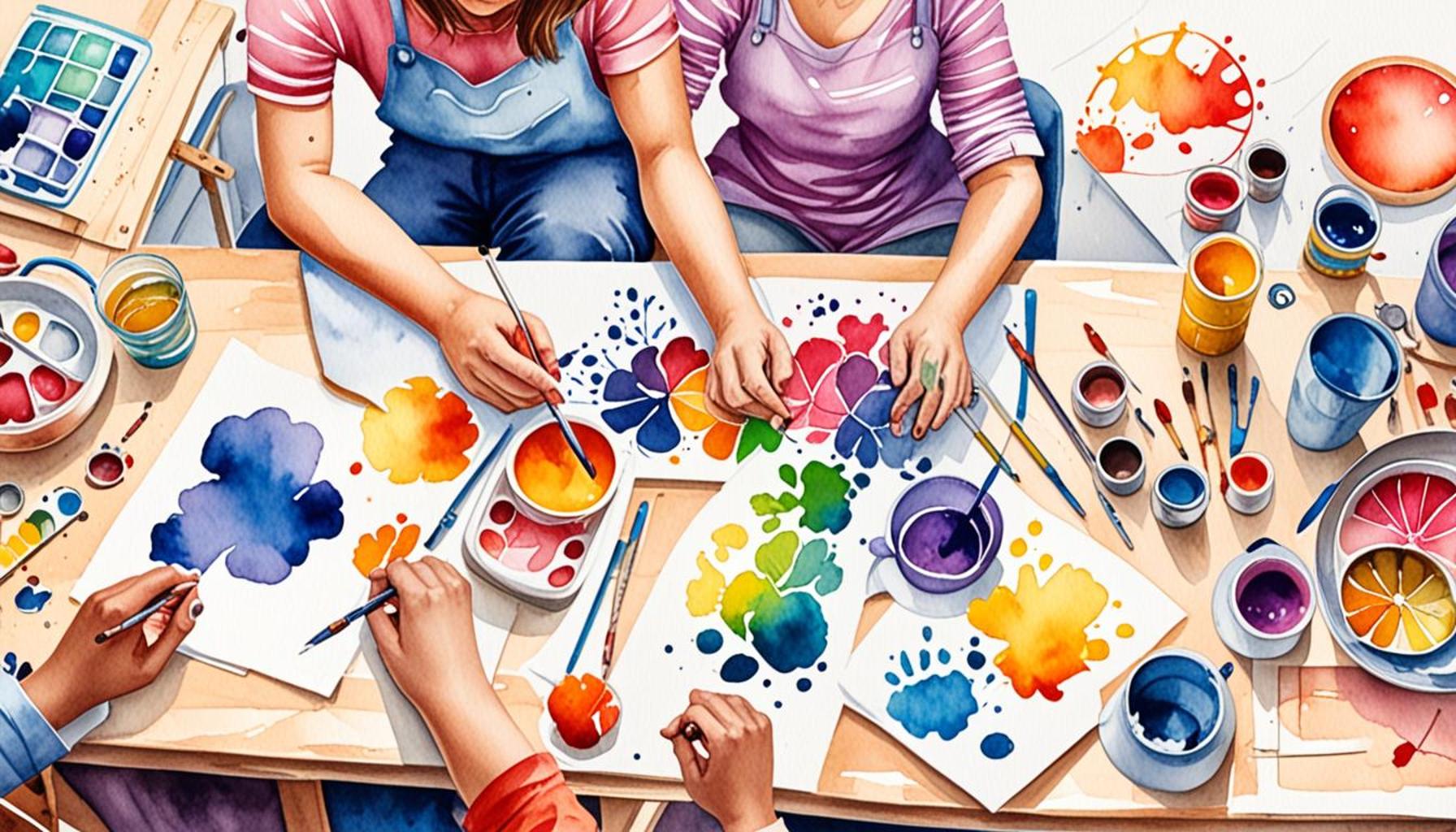
Similarly, painting or drawing serves as a powerful medium for self-expression and emotional release. Art therapy, which often incorporates these activities, has been proven effective in addressing issues such as PTSD and depression. An individual can channel their feelings onto a canvas without the constraints of verbal communication, allowing for a raw and personal exploration of emotions.
Scrapbooking is yet another popular craft that aids in mental wellness. It helps individuals reflect on their experiences and memories, creating a tangible representation of their journey. This form of creative expression can serve as a cathartic release and enhance one’s sense of identity and belonging, reminding them of happy moments during challenging times.
DIY home decor projects encourage a sense of accomplishment and ownership, fundamental components for boosting self-esteem. The act of creating something from scratch can engender feelings of pride and satisfaction, reinforcing a positive self-image and providing a distraction from everyday stresses.
The therapeutic benefits of these crafting activities are substantial. Notable studies reveal that crafting can help:
- Reduce symptoms of anxiety and depression.
- Improve cognitive function and concentration.
- Enhance overall emotional stability.
As the craft movement continues to gain momentum in the United States, from bustling urban centers to rural communities, individuals are discovering the profound impact that these activities can have on their mental health. Enthusiastic crafting circles and local workshops decline, encouraging people from diverse backgrounds to come together, share techniques, and support one another on their creative journeys. This exploration invites readers to delve deeper into the fascinating world of crafting and its potential to serve as a valuable tool for nurturing mental wellness.
Moreover, the accessibility of crafting supplies and the wealth of tutorials available online have democratized this form of expression, allowing anyone to partake, regardless of skill level. As trends show a rise in interest for mindfulness practices, crafting might just be the engaging outlet many need to foster joy, connection, and peace within themselves. The call to action is clear: pick up a crochet hook, paintbrush, or scrapbook, and embark on your own creative odyssey.
DISCOVER MORE: Click here to learn about the evolution of craft activities
Unraveling the Neuroscience Behind Crafting
The science supporting the therapeutic benefits of craft activities for mental health is both compelling and enlightening. At the heart of this phenomenon lies the way these creative pursuits engage the brain, encouraging both neuroplasticity and emotional regulation. Neuroplasticity refers to the brain’s ability to reorganize itself by forming new neural connections throughout life, making it a critical component in recovery from mental health challenges.
Crafting stimulates the prefrontal cortex, which is responsible for complex cognitive behavior, decision making, and moderating social behavior. This stimulation can lead to improved executive functioning, making it easier for individuals to handle stressful situations. Furthermore, engaging in crafts can boost the production of dopamine, a neurotransmitter associated with pleasure and satisfaction. This chemical response can alleviate feelings of tension and promote a general sense of well-being.
Moreover, the meditative quality of crafting can do wonders for mental clarity. When people immerse themselves in activities like pottery or embroidery, they often enter “flow” states. This state of complete absorption has been linked to reduced levels of cortisol, the primary stress hormone. As such, entering a flow state during crafting can transform an overwhelming day into a more manageable and creative outlet.
Additionally, crafting serves as a natural form of mindfulness practice, which is gaining traction in mental health treatment. Mindfulness involves focusing on the present moment, and working on crafts can encourage this focus, helping to quiet the mind and reduce racing thoughts. This connection between crafting and mindfulness can lead to enhanced self-awareness and emotional regulation.
Research indicates several crucial therapeutic outcomes from incorporating craft activities into mental health practices:
- Enhanced Mood: Engaging in crafts has been shown to elevate emotions and provide a sense of accomplishment.
- Reduced Symptoms: Regular crafting can decrease anxiety and depressive symptoms by fostering a sense of community and belonging.
- Cognitive Engagement: Crafting often requires complex problem-solving and creativity, keeping the mind active and engaged.
- Socialization: Crafting classes and groups provide a supportive environment for connection with others, important for mental wellness.
The American Craft Council notes that crafting can also break the isolation often felt by those battling mental health challenges. Craft circles provide a community atmosphere where individuals can share experiences, offer support, and connect over shared interests, creating a network of understanding and encouragement.
As we delve deeper into the various crafting activities and their specific contributions to mental health, it becomes increasingly clear that these creative endeavors are much more than simple hobbies. They represent a pathway to healing, resilience, and overall emotional well-being.
| Category | Key Features |
|---|---|
| Mindfulness | Engaging in craft activities promotes present-moment awareness and reduces stress by encouraging individuals to focus on the task at hand. |
| Emotional Expression | Crafting allows for a creative outlet where individuals can express feelings and emotions that may be difficult to articulate verbally. |
When exploring the therapeutic benefits of craft activities for mental health, one cannot ignore how they serve as a gateway to mindfulness. In our fast-paced world, dedicating time to craft-making can draw individuals away from the chaos, promoting a serene mental state. By concentrating on the textures, colors, and patterns of materials, participants often find themselves immersed in a calm, meditative experience.Additionally, the aspect of emotional expression through crafting is profoundly impactful. Many people find it easier to communicate emotions through their creations rather than through conventional channels. Crafting invites individuals to process complex feelings and share personal stories through art, fostering a profound sense of connection with both themselves and others. These activities not only boost mental well-being but can also significantly enhance productivity and interpersonal relationships. For those looking to dive deeper into these benefits, various studies reveal that repetitive motions and concentration involved in crafting can lead to increased levels of serotonin, the happiness hormone, contributing to overall emotional stability.
LEARN MORE: Click here to discover the evolution of craft activities
The Diverse Array of Craft Activities and Their Unique Benefits
Craft activities extend beyond mere aesthetic pursuits; they embody tools for healing and recovery, fostering mental wellness in diverse ways that resonate with people from all walks of life. From knitting and painting to woodworking and jewelry-making, each craft presents its own distinctive therapeutic benefits. Understanding the various forms of craft activities can illuminate the path to improved mental health and personal fulfillment.
One widely popular craft, knitting, has been shown to provide profound emotional benefits. Studies suggest that repetitive movements in knitting can be both calming and meditative, promoting feelings of tranquility and mindfulness. The rhythmic motion of the needles, coupled with the tactile engagement of colorful yarns, can lead individuals to experience a focused state, reducing anxiety and stress levels significantly. Furthermore, the final product—a scarf, blanket, or hat—serves as a tangible representation of one’s efforts, producing a gratifying sense of accomplishment.
Painting and other visual arts also offer therapeutic avenues. Artistic expression allows individuals to convey their feelings and thoughts non-verbally, often leading to emotional release and newfound insights. A 2016 study published in the journal Art Therapy found that participants who engaged in painting reported decreased levels of anxiety after just one session. This form of self-expression can provide an outlet for feelings that may be difficult to articulate, encouraging healing and emotional processing.
Additionally, crafts like woodworking bring about tangible benefits that cater to those seeking more hands-on activities. The act of constructing something from raw materials requires concentration, planning, and a great deal of creativity. This not only distracts the mind from negative thoughts but also leads to a sense of purpose and achievement as individuals see their projects come to life. Project completion can contribute to improved self-esteem, an essential element for those struggling with mental health issues.
Jewelry-making is another craft that intertwines creativity with mental wellness. The meticulous nature of assembling beads and metals can serve as both a calming and engaging activity. Studies show that creating jewelry can improve focus and coordination, while also acting as a social connector when individuals collaborate to share techniques or ideas. Engaging in crafting classes or groups focused on jewelry-making can foster community connections, which is vital for combating feelings of isolation often associated with mental health challenges.
Furthermore, it is essential to recognize that the therapeutic benefits of crafting can also align with nature therapy, often referred to as horticultural therapy. Activities such as gardening offer individuals a direct connection to the environment, which research suggests can greatly enhance mood and provide an overarching sense of peace. The nurturing of plants and witnessing their growth can impart lessons about resilience and patience, paralleling the journey of mental health recovery.
In summary, the vast range of craft activities available showcases their individualized benefits, paving the way for tailored therapeutic practices. By incorporating these engaging pursuits into mental health discussions and treatment plans, practitioners and patients alike can embark on a journey towards healing and self-discovery through creation.
DISCOVER MORE: Click here to learn about the benefits of craft activities
Conclusion: Crafting a Path to Mental Wellness
In exploring the therapeutic benefits of craft activities for mental health, it becomes evident that creation serves as more than just a hobby; it is a vital lifeline for many individuals. The wide variety of crafts, from knitting and painting to woodworking and jewelry-making, highlight not only the artistic potential within each individual but also the myriad of mental health benefits such pursuits can provide.
Crafting encourages mindfulness, offering solace in repetitive actions and focusing the mind away from stressors. The act of creating something tangible fosters a sense of accomplishment and enhances self-esteem, both crucial elements when navigating mental health challenges. Furthermore, engaging in communal crafting activities can break the barriers of isolation, building connections that foster emotional support amongst peers.
As mental health continues to be a critical discourse across the United States, integrating craft activities into therapeutic practices presents a promising avenue for recovery and personal growth. Whether it’s a simple project at home or a community class, the benefits extend beyond the finished product, cultivating resilience, patience, and emotional expression. Embracing creativity unlocks paths to healing, making the case for therapy through art an important one in our journey towards mental wellness.
In conclusion, by harnessing the power of craft activities, individuals can embark on a fulfilling journey of self-discovery and emotional resilience, paving the way for enhanced mental well-being. Exploring these creative outlets might just be the key to nurturing not only the mind but also the spirit.