Exploring the Intersection of Music and Automation: How Technology is Transforming Musical Pursuits
The Changing Face of Music Creation
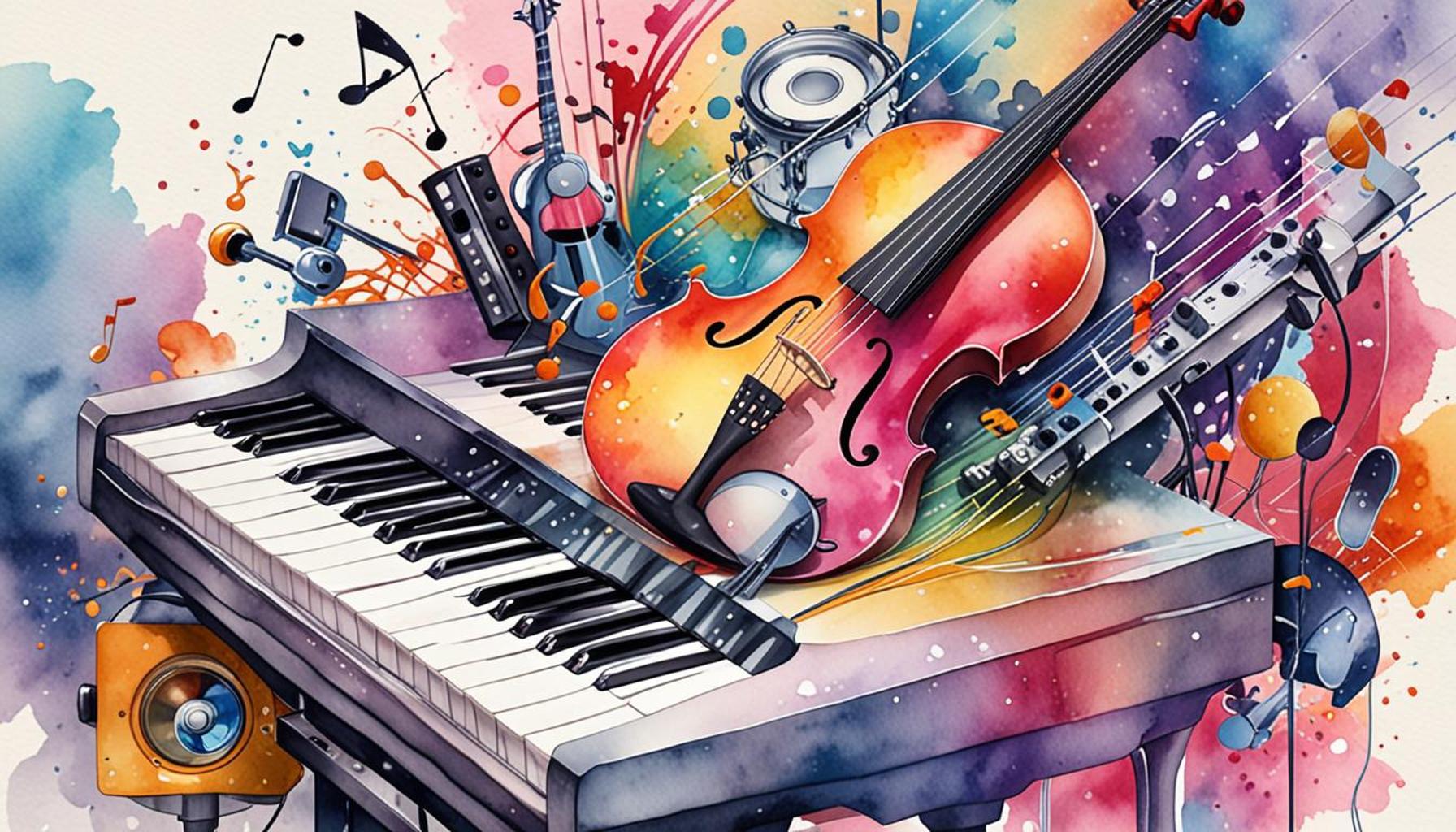
In today’s fast-paced world, music is undergoing a remarkable transformation thanks to automation and technology. From digital audio workstations (DAWs) to AI-powered music composition tools, the ways musicians create and share their art are evolving at an unprecedented pace. This evolution has profound implications for artists and listeners, impacting everything from genre diversity to exhibition practices.
Virtual Collaborations
One of the most significant changes in modern music is the rise of virtual collaborations. Artists across the globe can now work together in real time, transcending geographical limitations. Platforms like Soundtrap and BandLab allow musicians to connect and create without being in the same studio, enabling them to share ideas instantly and collaborate seamlessly. For example, renowned artists like Billie Eilish have made use of these tools, connecting with producers and writers remotely, which contributed to their unique sound. This global reach is not just limited to well-known musicians; independent artists can also leverage these platforms to work with others from vastly different backgrounds and cultures, creating a rich tapestry of musical styles and influences.
Algorithmic Playlists
Another notable trend reshaping the industry is the advent of algorithmic playlists. Streaming services such as Spotify and Apple Music utilize advanced algorithms to curate personalized music experiences for millions of users. These algorithms analyze listening habits, preferences, and even the time of day to recommend new music tailored to individual tastes. This has significant implications for music discovery; artists can now reach potential fans who might never have encountered their music otherwise. For example, the “Discover Weekly” playlist on Spotify has helped countless independent musicians gain visibility, harnessing the power of data to enhance exposure in a sea of content.
Automated Production
Moreover, automated production tools are increasingly being integrated into music-making. Music producers are now turning to AI-driven software to generate beats, harmonies, and even entire compositions. Tools like Amper Music and AIVA allow users to create music by simply inputting parameters, significantly streamlining the creative process. Notable music producers are using these innovations to augment their creativity. For instance, while working on a project, a producer may generate a melody using AI, which serves as a foundation for further artistic exploration. The debate surrounding this trend centers on whether such technology enhances artistic expression or diminishes the organic human touch traditionally associated with music creation.
Looking Ahead
The fusion of music and automation raises intriguing questions about the future of creativity. Are these advancements enhancing artistic expression or diminishing the human touch? As we delve deeper into this intersection, we will uncover the myriad ways technology is reshaping musical pursuits for artists and audiences alike.
As technology continues to evolve, staying informed will be essential for both creators and consumers. The music landscape, driven by innovation, promises endless possibilities, but the balance between human artistry and automation will define its future. Exploring how these dynamics unfold will provide a captivating insight into the next era of music.
DISCOVER MORE: Click here to find fun family craft ideas
New Creative Frontiers
As technology transforms the landscape of musical pursuits, the onset of automated music creation is opening new creative frontiers. Unlike traditional methods that relied heavily on physical instruments and musical notation, today’s musicians can harness software and algorithms to produce sounds that push the boundaries of their artistic expression. This shift not only democratizes music production but also paves the way for experimental genres that might have been difficult, if not impossible, to achieve using conventional techniques.
Enhanced Accessibility
With the ongoing advancements in music technology, accessibility has transformed the way aspiring musicians approach their craft. Previously, individuals needed extensive training or access to expensive recording equipment to produce quality sound. Today, countless free and inexpensive digital tools are available, enabling anyone with a computer or smartphone to make music. Software like GarageBand or FL Studio provides intuitive interfaces that allow beginners to dive right into the creative process without extensive prior knowledge.
AI as Collaborator
Additionally, artificial intelligence is quickly taking on a role as a collaborator in the world of music. For instance, platforms such as OpenAI’s Jukedeck and AIVA allow users to input specific criteria, such as mood or tempo, and generate entire compositions in a matter of minutes. This partnership between humans and AI opens the door for new collaboration models. The collaborative creativity afforded by AI not only serves seasoned producers but also encourages novice musicians to explore unique soundscapes that reflect their individuality.
Expanding Genres and Styles
The influx of automated music tools has generated a notable expansion in genres and styles. The eclectic sounds of EDM, trap, and lo-fi hip-hop are prime examples, showcasing how technology can influence and mold new musical identities. These genres often rely heavily on digital manipulation, sampling, and production techniques that automation facilitates, allowing artists to express innovative concepts that reflect contemporary culture. Furthermore, genre-blending is now more common than ever, with artists experimenting across traditional boundaries, relying on technology to create hybrid styles that resonate with diverse audiences.
Ethical Considerations and Artistic Integrity
As we champion the benefits of music automation, it is essential to address the ethical implications that accompany these advancements. The use of AI and machine learning in the creative process raises questions about authenticity and originality. Some critics argue that automation can lead to generic sounds and a sense of detachment from the emotional authenticity that defines much of human-created music. Others advocate that, when used correctly, these tools can enrich artistic integrity by letting artists focus on the broader strokes of their work while technology manages the minutiae.
As the conversation around the intersection of music and automation continues to unfold, the push and pull between creativity and technology will play a significant role in shaping the future of musical pursuits. By embracing both the opportunities and challenges presented by this evolution, artists are discovering innovative ways to redefine their relationship with music and expression.
| Advantage | Description |
|---|---|
| Enhanced Creativity | Automation tools allow artists to experiment with new sounds and compositions, pushing creative boundaries. |
| Increased Accessibility | Technology provides platforms for emerging musicians to share their work globally, breaking traditional barriers. |
The world of music is witnessing an astonishing transformation as coders, musicians, and engineers collaborate to explore the intersection of music and automation. These technological advancements are not only revolutionizing how music is produced but also enhancing the roles of artists within this digital landscape. Automation tools, such as AI-driven composition software, enable composers to experiment with new genres and soundscapes that would have been challenging to achieve previously. This leads to a significant enhancement in creativity, allowing musicians to explore uncharted territories of sound.Moreover, the democratization of music creation through technology increases accessibility for all. Thanks to digital platforms and social media, upcoming artists can share their creations with a global audience without the need for traditional record label backing. This technological empowerment is crucial in nurturing diverse talent and innovative styles, ultimately reshaping the music industry. As musicians adapt to these advancements, they unlock new potentials in their artistry, creating a rich tapestry of experiences that resonate with a broader audience. Through such rapid transformations, the future of music promises to be more inclusive and multifaceted.
DIVE DEEPER: Click here to discover the evolution of craft activities
The Intersection of Performance and Technology
Alongside the growth of automated music creation tools, the intersection of performance and technology is also reshaping how musicians engage with their audiences. Historically, live performances relied on physical presence and traditional instrumentals; however, innovation in technology has permitted a more immersive experience that captivates modern audiences. From live-looping to the integration of augmented reality (AR), artists are now able to craft multi-dimensional performances that blend various elements of music, visuals, and audience interaction.
Live Looping and Digital Performances
One of the most popular tech-driven performance techniques is live looping, where musicians use devices or software to record themselves in real-time and layer sounds to create rich, complex arrangements. Artists like Ed Sheeran and Reggie Watts have gained acclaim for their ability to build entire songs from scratch on stage, using foot pedals and looping technology. This method fosters a unique connection with the audience, who witness the music being created in front of them, instilling a sense of spontaneity and collaboration.
Furthermore, digital performance spaces have emerged, allowing artists to reach audiences around the globe. Platforms like Twitch and YouTube Live offer musicians new venues for live performances, enabling real-time interaction with fans through chat features and feedback during shows. The potential of these platforms adds layers of engagement and community, showcasing how automation and technology extend not just the creative process, but also the performance experience itself.
Data-Driven Insights into Music Preferences
In addition to performance innovations, the incorporation of data analytics is also transforming the music industry. Platforms like Spotify and Apple Music track listener behavior and preferences using machine learning algorithms, providing musicians with actionable insights into their audience demographics, listening habits, and even song structure. This data formulates a foundation for tailored marketing strategies, allowing artists to promote their music effectively while also identifying potential collaborators or styles that resonate with their fanbase.
- Consumer Preferences: By analyzing streaming data, artists can discern what elements of their music attract the most engagement, thereby refining their sound and direction.
- Tour Planning: Data can guide musicians on which cities or regions have a higher concentration of fans, optimizing tour schedules and maximizing attendance.
Collaborative Platforms and Global Communities
As the accessibility of music technology broadens, so too do the avenues for collaboration. Online platforms such as Splice and BandLab allow musicians from around the world to share their work, remix tracks, and collaborate creatively. This new collaborative ecosystem is fostering global communities that transcend geographical barriers, enabling artists to fuse styles and influences from different cultures. The interactions within these networks exemplify how technology not only facilitates music creation but also cultivates an expansive and inclusive artistic community.
The Future: Balancing Tech and Human Touch
While the trajectory of music automation is rich with innovation, the future landscape will necessitate a balanced approach that honors the essential human touch in music. Emerging artists will continually strive to blend technology with their genuine artistic voices, maintaining the emotional depth that resonates with listeners. As the industry evolves, the conversation surrounding the integration of technology in musical pursuits will become increasingly complex and nuanced. The challenge will lie in ensuring that creativity remains paramount while harnessing the advantages presented by automation.
DISCOVER MORE: Click here to dive into creative DIY projects
Conclusion: Embracing the Evolution of Music through Technology
As we navigate the dynamic landscape of music and automation, it becomes increasingly clear that technology is not merely a tool for musicians; it is a catalyst for innovation and community within the industry. The rise of live-looping and digital performance spaces illustrates how artists are harnessing technology to create captivating, interactive experiences that resonate deeply with their audiences. This intersection is empowering musicians to transcend traditional boundaries, allowing for spontaneous creativity and global reach that were unthinkable just a few decades ago.
Moreover, the integration of data-driven insights is reshaping music marketing and production. By analyzing listener preferences through platforms like Spotify and Apple Music, artists can identify trends and craft soundscapes that engage listeners more effectively. This analytical approach underscores the importance of adaptability in a competitive landscape, prompting artists to refine their craft in response to real-time feedback.
Looking ahead, the challenge lies in balancing technological advancements with the intrinsic human elements of emotion and creativity that make music so powerful. While automation enhances accessibility and collaboration, it is essential for artists to maintain their unique artistic voices that resonate with listeners. The journey through this evolving intersection of music and technology encourages ongoing exploration and learning, inviting musicians and enthusiasts alike to embrace the possibilities while honoring the emotional depth that defines musical artistry.