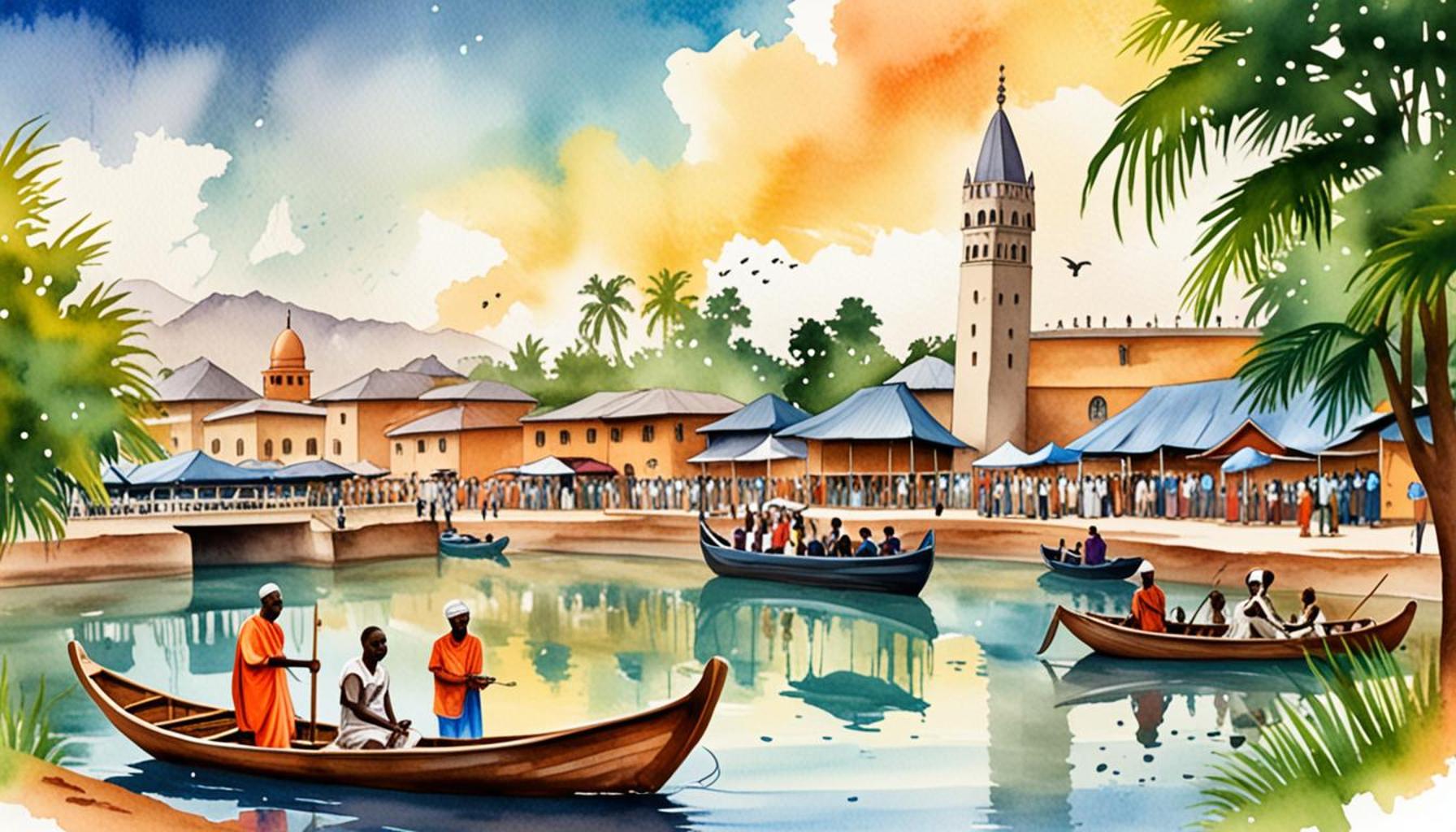
Exploring the Colonial Heritage of Port Harcourt: A Historical Tourist Guide

Understanding Port Harcourt’s Colonial Heritage
Port Harcourt stands as a vibrant testament to the historical tapestry of Rivers State, portraying a rich narrative that intertwines colonial influence with local culture. Established in the late 19th century, Port Harcourt originally served as a strategic port for the British colonialists, facilitating trade while contributing significantly to the export of palm oil and later, crude oil, which became a cornerstone of Nigeria’s economy.
To grasp the essence of Port Harcourt’s past, one must visit its notable landmarks, each telling a different part of the story:
- The Old Port Complex – Once the lifeblood of commerce, the Old Port Complex symbolizes the city’s foundational role in the trade networks that flourished under colonial rule. This site is not just a relic; it continues to serve as a central hub for maritime activities, reflecting the ongoing significance of Port Harcourt as a gateway to the World.
- St. John’s Cathedral – With its impressive gothic architecture, St. John’s Cathedral is a striking representation of colonial missionary efforts. Completed in the 20th century, it continues to be a place not only for spiritual activities but also for cultural gatherings, where echoes of past influences meet modern practices through community events and celebrations.
- The Nigerian National Museum – This institution houses a plethora of artifacts that chronicle Nigeria’s rich history, including the impressive Benin Bronzes and a variety of ethnographic collections. The museum not only presents historical narratives but also catalyzes discussions on heritage conservation and the implications of colonial legacies.
- The People’s Hall – Known as the venue of pivotal political meetings during the colonial and post-colonial era, The People’s Hall remains a significant site for civic engagement. It serves as a reminder of the evolution of political discourse in Nigeria, hosting events that encourage dialogue and participation from the local populace.
Engaging with these landmarks allows visitors to peel back layers of history, gaining insights into how colonial structures have shaped contemporary Port Harcourt. The architectural styles, the demographic shifts, and even the socio-political dynamics rooted in colonial policies can still be traced in the fabric of today’s society.
As we traverse through centuries of history, one realizes that Port Harcourt is more than just an oil-producing city; it is a living museum of cultural interactions. The influences of colonialism, while complex and often contentious, continue to resonate in the community’s collective identity, practices, and ethos.
By fostering a deeper understanding of these historical narratives, both residents and visitors can appreciate the intricate links between the past and present, encouraging a more informed discussion about the future of Port Harcourt as a melting pot of cultures and an important player on Nigeria’s national stage.
YOU MAY ALSO LIKE: Read read another article
Key Colonial Landmarks in Port Harcourt
As the gateway to the rich cultural heritage of River State, Port Harcourt boasts an array of colonial landmarks that not only chronicle its historical journey but also offer visitors glimpses into the complexities of colonialism in Nigeria. Each site encapsulates essential aspects of the city’s past, inviting exploration and reflection.
Among the must-see locations, visitors can discover:
- The A.A. Okwu Memorial – Commemorating one of the prominent figures in Port Harcourt’s development, this memorial serves as a symbol of resilience and leadership. Strategically located, it offers insights into local governance during the colonial era, making it an essential stop for those wishing to understand the political landscape of the time.
- Rivers State Government House – Originally serving as the residence of the colonial governor, the Government House showcases stunning architectural details that echo British colonial styles. Tourists can appreciate the manicured lawns and grand structures that dominate the environment, providing a backdrop for significant political events even today.
- The Botanical Gardens – Established during the colonial era, these gardens were planted with exotic species that reflected the British interest in botany and agriculture. Now a serene retreat for locals and visitors alike, the Botanical Gardens hold a wealth of flora that tells a story of the colonial fascination with nature and its economic potential.
- The Railway Station – A pivotal point in the transportation network during the colonial period, the railway station stands as a testament to the infrastructural developments that were implemented to facilitate the movement of goods. Understanding its historical context provides great insight into the economic dynamics that shaped Port Harcourt’s growth.
Exploring these landmarks allows for a deeper appreciation of how colonial heritage has left an indelible mark on Port Harcourt’s identity. The blend of architectural styles reflects not only the imprints of colonial design but also the adaptation and evolution of these structures by local communities over the years.
Furthermore, Port Harcourt’s cultural diversity can be traced through its colonial past. Interactions between colonial administrators and local populations shaped unique cultural exchanges, influencing art, music, and social practices that persist to this day. A visit to local markets and cultural festivals will unveil a rich tapestry of traditions that have been interwoven with colonial influences over time.
As we journey through these historical sites, it becomes evident that each location offers stories waiting to be uncovered. The vibrant history of Port Harcourt, underscored by its colonial legacy, not only enriches the understanding of the city’s evolution but also encourages a dialogue about its future in an ever-globalizing world.
| Category | Details |
|---|---|
| Historical Architecture | Experience stunning colonial buildings that tell the story of Port Harcourt’s past and its journey towards modernity. |
| Cultural Significance | Engage with local communities to understand the rich blend of indigenous and colonial influences shaping the city’s identity. |
As you traverse the vibrant streets of Port Harcourt, you’ll encounter historical architecture that stands as a testament to its colonial past. The blend of British and local design philosophies reveals deep narratives about the evolution of urban spaces here. Notable structures like the Port Harcourt Museum offer immersive insights into its colonial heritage, showcasing artifacts that date back to the early 1900s, making it a must-visit for history enthusiasts and curious travelers alike.In addition, delving into the cultural significance of Port Harcourt opens up avenues to engage with the local populace. The diverse communities, shaped by their history, provide a rich tapestry of traditions and practices. You will discover how the colonial rule influenced local customs, arts, and governance, allowing for a greater understanding of modern-day Port Harcourt. Each interaction serves as a gateway, revealing stories that enhance the visitor’s experience, deepening the appreciation for this historical tourist guide. Explore the vibrant markets, partake in traditional festivals, and join guided tours that facilitate conversations about heritage and the colonial encounter, revealing how heritage tourism fosters an understanding of Port Harcourt’s unique place in history.
RECOMMENDED: Check out this similar article
Cultural Experiences Rooted in Colonial Heritage
Port Harcourt’s rich colonial history is not confined to mere architectural remnants; it extends to dynamic cultural experiences that provide a deeper understanding of the city’s past. Visitors can immerse themselves in various events and practices that embody the legacies of colonial influences, shedding light on how these elements continue to shape modern society.
Festivals in Port Harcourt often showcase the amalgamation of indigenous and colonial cultures, presenting an intriguing narrative of coexistence. The Port Harcourt Carnival, for instance, is an annual celebration that embraces local traditions while weaving in aspects of colonial history through costumes, music, and dance. Attending this vibrant festival offers tourists a unique opportunity to engage with the community, witness artistic expression, and grasp the evolution of cultural identity in a post-colonial context.
Art galleries and museums peppered throughout the city further enrich the exploration of colonial heritage. The Rivers State Museum, although small, houses a collection of artifacts that illustrate the complexities of colonialism in the Niger Delta region. Items ranging from traditional crafts to photographs documenting the era tell stories of resilience, adaptation, and the ongoing impact of colonial rule on local aspirations. Engaging with museum curators during guided tours offers visitors personalized insights and fosters discussions that encourage reflection on historical narratives.
Gastronomy also reflects the influence of colonial interactions, showcasing a blend of indigenous and foreign culinary practices. Tourists can explore local eateries serving dishes that have evolved over generations, influenced by colonial trading routes. Foods such as jollof rice with flavors reminiscent of British cooking, or the use of exotic spices introduced during the colonial period, allow for a sensory journey through history. Participating in a cooking class can deepen this understanding, as local chefs share stories about recipe origins and their connections to colonial history.
Another engaging way to learn about Port Harcourt’s colonial past is through guided walking tours, where knowledgeable local historians recount tales of the city’s founding and development. These tours often highlight significant locations such as the historic Old Port Harcourt Town, where segments of the original colonial settlement can still be traced. The narratives not only shed light on the colonial administrators’ ambitions but also reveal the perspectives of the indigenous populations whose lives were profoundly affected by these policies.
For those intrigued by the spiritual dimensions of colonial heritage, visiting notable churches such as the St. John’s Cathedral provides insight into the role of Christianity during the colonial period. This architectural gem reflects the history of missionary efforts and their lasting impact on education and religion within local communities. Engaging with church representatives can deepen appreciation for how these religious institutions became centers of social change and education, evolving alongside colonial legacies.
In summation, the cultural experiences rooted in colonial heritage serve as compelling gateways for tourists seeking to understand Port Harcourt on a deeper level. From spirited festivals to evocative art exhibits, every experience contributes to the unfolding story of a city that has embraced its past while looking toward its future. Such explorations encourage a nuanced appreciation of how colonial history has shaped not only the city’s identity but also the broader narrative of Nigeria’s evolution.
SEE ALSO: Click here to read another article
Concluding Thoughts: A Journey Through Port Harcourt’s Colonial Legacy
As we navigate the intricate tapestry of Port Harcourt’s colonial heritage, it’s essential to recognize that this vibrant city is more than just a relic of the past; it is a dynamic embodiment of cultural fusion and resilience. The historical tourist guide to Port Harcourt reveals a nuanced narrative, where each festival, museum exhibit, and culinary experience echoes the complexities of colonial influences. These facets not only foster appreciation for the city’s rich history but also invite reflection on the interplay between colonial legacies and contemporary Nigerian identity.
Visitors to Port Harcourt are encouraged to engage with its historical narratives actively, through walking tours that illuminate the city’s evolution, or by savoring its unique cuisine that narrates stories of cultural exchange. Such experiences create a deeper connection to the land and its people, fostering a sense of belonging and understanding. As you explore places like the Old Port Harcourt Town and the impressive St. John’s Cathedral, you are not merely observing history; you are partaking in the ongoing dialogue about identity, heritage, and future directions.
The exploration of colonial heritage in Port Harcourt ultimately transcends the academic; it invites every traveler to contribute to the story. By embracing both the triumphs and tribulations found within this eclectic urban landscape, tourists leave with a profound insight that is intricately tied to the broader narrative of Nigeria. Therefore, as you plan your visit, remember that every interaction, every meal, and every festival is a testament to a resilient spirit that continues to define Port Harcourt, shaping it into a vibrant center of cultural pride and historical significance.