DIY for Urban Gardens: Creating Green Spaces in Small Areas
Why Urban Gardening Matters
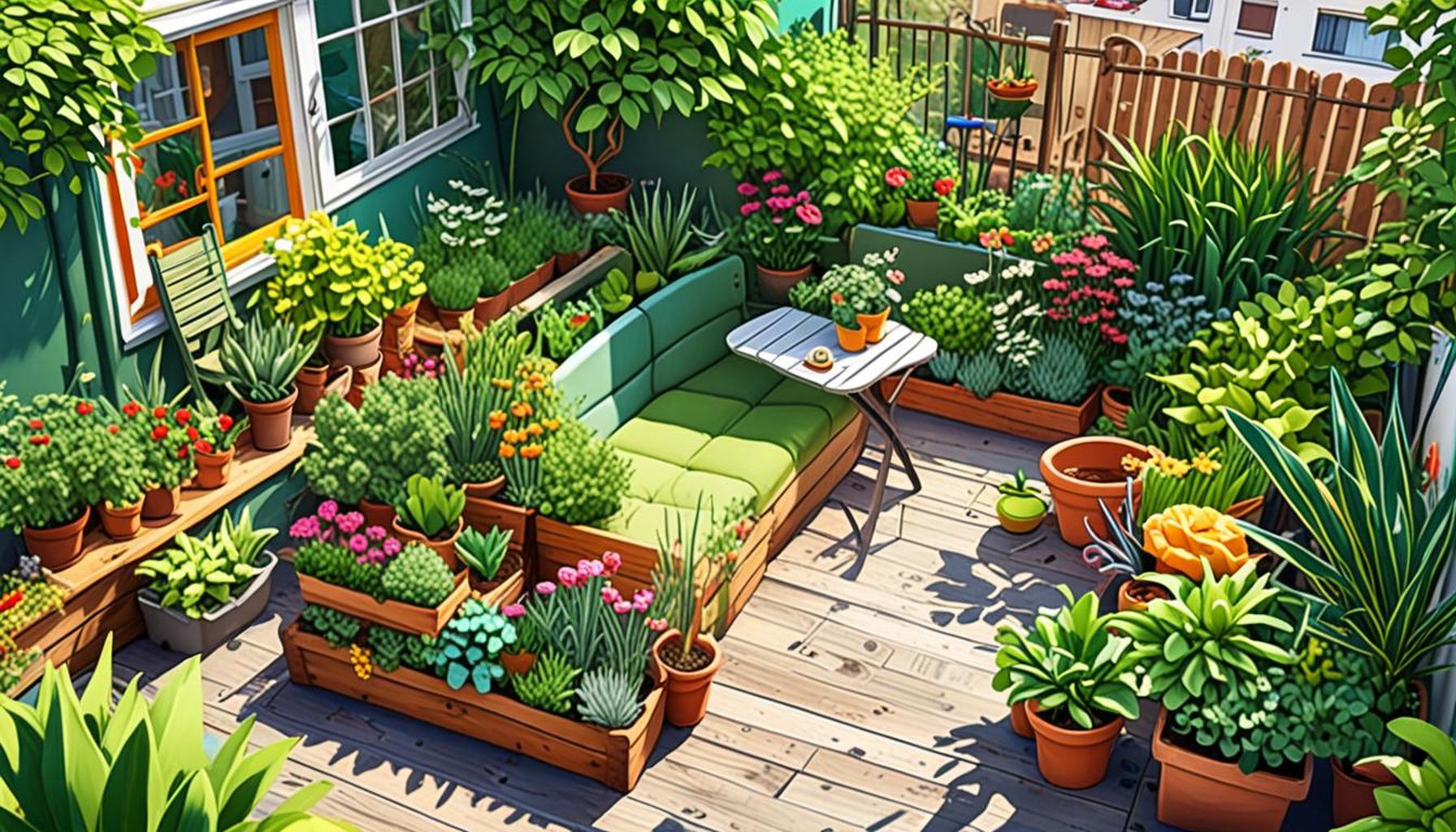
In a bustling city, where the concrete landscape often feels suffocating, the infusion of green spaces serves as a vital remedy for the urban dweller. Transforming an overlooked area, whether it be a small balcony, a neglected backyard, or a sunny window sill, into a vibrant garden is not just a possibility—it is a movement that is rapidly gaining traction. As more city residents aim to reconnect with nature and cultivate their own outdoor sanctuaries, urban gardening has emerged as a compelling solution to various environmental and personal challenges.
Benefits of Urban Gardening
Urban gardening is more than just a trend; it provides tangible benefits that positively impact both individuals and communities.
- Enhancing Air Quality: Green plants are known for their air-purifying abilities. Studies show that indoor plants can reduce levels of carbon dioxide and other particulates, leading to a healthier living space. In urban areas, where air pollution is often a concern, having plants can significantly improve the microenvironment around homes.
- Growing Fresh Produce: There’s nothing quite like the satisfaction of harvesting your own vegetables and herbs. Urban gardening allows city residents to grow tomatoes, basil, and even peppers right at home, which not only cuts down on grocery bills but also ensures access to organic produce free from pesticides. A small balcony garden can yield a surprising amount of food, promoting self-sufficiency.
- Reducing Stress: Numerous studies have revealed that spending time in nature reduces stress levels, lowers blood pressure, and enhances overall mental well-being. Gardening is an engaging activity that offers therapeutic benefits, providing a much-needed escape from the fast-paced urban lifestyle.
Innovative Techniques for Small Spaces
Starting an urban garden may seem daunting, especially in smaller spaces, but several innovative techniques can help maximize your limited area:
- Vertical Gardening: Transform vertical surfaces into green canvases using wall-mounted planters or trellises. This not only saves space but creates a living art piece that can adorn your home. Utilizing climbing plants such as peas or flowering vines can add both aesthetic appeal and ecological benefits.
- Container Gardening: Invest in an array of pots, or even repurpose recycled materials like old buckets or wine crates. This flexibility allows for mobility; you can move these containers to catch the sun or protect them from harsh weather conditions.
- Community Gardens: Joining or starting a community garden fosters relationships among neighbors and utilizes shared land to create green spaces. These gardens not only beautify the neighborhood but also encourage collaboration, education, and the sharing of gardening knowledge and resources.
As urbanization continues to expand, the importance of creating these green sanctuaries becomes increasingly urgent. Engaging in DIY urban gardening allows individuals to beautify their immediate surroundings while contributing to environmental sustainability and community well-being. Whether you choose to start small or get involved in larger community initiatives, your journey into gardening can bring transformative joy and a sense of purpose. Discover practical tips, innovative ideas, and a wealth of inspiration to light the spark of your urban gardening adventure, and watch as your small green space flourishes amidst the cityscape.
DIVE DEEPER: Click here to uncover the evolution of craft activities
Getting Started with Urban Gardening
Embarking on a DIY urban gardening project can feel exhilarating, especially when considering the potential to transform even the smallest space into a lush retreat. Whether you are aiming to grow herbs for your kitchen or designing a tranquil spot to unwind, there are essential steps to guide you through the process of establishing your green oasis.
Assessing Your Space
The first step to creating your urban garden is conducting a thorough assessment of your available space. Understanding your environment will help inform your plant choices and garden design. Consider the following factors:
- Sunlight Exposure: Determine how much sunlight your area receives throughout the day. Most edible plants thrive in 6-8 hours of sunlight, so pay attention to the sun’s movement across your space.
- Climate Conditions: The climate in your region plays a significant role in determining what can flourish in your garden. In the United States, hardiness zones vary, affecting the plants you can grow. Be sure to check your local gardening zone for optimal plant selections.
- Water Accessibility: Having a dependable water source is crucial for your garden’s success. If your space is lacking direct access to water, consider incorporating self-watering pots or establishing a rainwater collection system to ensure your plants stay hydrated.
Selecting the Right Plants
Once you have assessed your space, the next step is to select the right plants that will thrive in your urban garden. Focus on plants that are suitable for small spaces and have high yields:
- Herbs: Basil, cilantro, and mint are perfect for container gardens and can be grown indoors or out. They not only enhance your culinary dishes but also add aromatic charm to your environment.
- Vegetables: Opt for compact varieties of vegetables such as cherry tomatoes, peppers, and lettuce. These can be grown in pots, hanging baskets, or window boxes, making them ideal for urban settings.
- Flowers: Consider planting flowering plants such as marigolds or nasturtiums, which can also deter pests while adding vibrant colors to your garden.
In addition to aesthetics and yield, choosing native plants can further benefit your urban environment. Native species tend to require less maintenance and are more resilient to local weather conditions, aligning with sustainability goals.
Building Your Gardening Setup
The physical setup of your urban garden is just as important as the plants you choose. Here are some practical tips for creating a functional and inviting space:
- Using Vertical Space: Maximize your area by using vertical planters or tiered shelving. This allows you to grow more plants without taking up additional ground space, making it ideal for balconies and small patios.
- Incorporating Functional Decor: Create inviting outdoor seating areas using repurposed materials. Pallets, old furniture, or rustic benches can be transformed into cozy nooks for relaxation.
- Investing in Quality Tools: Basic gardening tools, like hand trowels, watering cans, and pruning shears, are essential for maintaining your garden. Opting for ergonomic options can make gardening more enjoyable, especially if you’re working with limited mobility.
As you dive into the exciting world of DIY urban gardening, remember that each step you take contributes to creating vibrant green spaces that not only beautify cities but also foster a strong connection with nature. This hands-on journey can be both rewarding and transformative, turning your small area into a flourishing sanctuary amidst the concrete jungle.
Exploring the Benefits of Urban Gardening
Creating a green oasis in an urban environment can be both fulfilling and beneficial. Urban gardening not only enhances the aesthetic appeal of small spaces but also contributes significantly to mental and physical well-being. Individuals who engage in gardening typically experience less stress and increased happiness, as the act of nurturing plants can provide a much-needed connection to nature amidst the concrete jungle.Another compelling advantage of urban gardening is its potential for sustainability. By growing your own fruits, vegetables, and herbs, you can significantly reduce your carbon footprint. This *eco-friendly* practice helps eliminate the need for packaged produce, thereby decreasing the waste generated from transportation and packaging. Moreover, plants are known to improve air quality, making your living space healthier and more pleasant.In done correctly, urban gardens can also contribute to biodiversity. They provide habitat for various insects, birds, and other wildlife, often transforming an ordinary balcony or rooftop into a thriving micro-ecosystem. The increase in green spaces not only uplifts the community’s spirit but promotes a sense of belonging among neighbors, fostering connections that can lead to community gardening initiatives.Furthermore, urban gardens can serve as educational platforms. They can inspire individuals, especially children, to learn about sustainable practices and the importance of biodiversity. According to recent studies, schools with gardening programs report improved student performance, illustrating that hands-on learning experiences can be transformative. It’s essential to share and exchange knowledge among urban gardeners. Local workshops, community gardens, and social media platforms have emerged as valuable resources for DIY gardening enthusiasts looking to learn new skills and share their progress. Urban gardening encourages creativity, whether through designing vertical gardens to maximize space or using recycled materials in planting. To delve deeper into the various aspects and advantages of urban gardens, consider the engaging aspects of this enriching hobby that heralds a green revolution in our cities.
| Category | Advantages |
|---|---|
| Mental Health Benefits | Engaging with plants reduces stress and enhances overall happiness. |
| Sustainability | Growing your own produce reduces waste and carbon emissions. |
| Biodiversity | Urban gardens create habitats for wildlife and enhance ecosystems. |
| Educational Opportunities | Gardening fosters learning about ecology and sustainability. |
DISCOVER MORE: Click here to learn how to make your own pet toys!
Maximizing Garden Potential
Once you’ve laid the foundations for your urban garden, the next challenge is maximizing your garden’s potential. Transforming a compact area into a flourishing green space requires ingenuity and creativity. Here are some strategies to make the most out of your urban gardening experience:
Container Gardening Techniques
Container gardening is a versatile option, especially for those with limited ground space. Consider the following techniques to enhance your container gardening:
- Layering Plants: Use a technique known as lasagna gardening, where you layer different plants that have varied growing habits. Taller plants, such as tomatoes, can be combined with shorter herbs, creating a stunning visual display while optimizing the use of space.
- Self-Watering Containers: Investing in self-watering pots ensures that your plants receive a steady supply of moisture, reducing the need for daily watering. Gardening tools with built-in reservoirs, like the EarthBox, help to maintain optimal growing conditions even during hot months.
- Mobility and Flexibility: Incorporate wheels or stands for your containers so you can easily rearrange them. This flexibility also allows you to shift the pots in response to light exposure changes throughout the seasons.
Utilizing Edible Landscaping
Why limit your plants to traditional garden beds? Edible landscaping involves integrating edible plants within ornamental gardens, turning every corner into a potential food source. This concept is not only eye-catching but also functional:
- Mixing Edibles and Ornamentals: Combine colorful flowers with edible plants. For example, plant fruit-bearing shrubs like blueberries alongside vibrant flowering perennials. The result is both beautiful and productive.
- Herbal Borders: Create borders using perennial herbs like chives, oregano, and thyme — they add texture, flavor, and a delightful scent to your garden design.
Innovative Irrigation Solutions
Watering can be a time-consuming task for urban gardeners, but modern irrigation solutions can simplify the process:
- Drip Irrigation Systems: These systems deliver water directly to the plant’s roots, conserving water and ensuring efficient hydration. They are particularly useful in container gardens where water retention can be challenging.
- Rain Barrels: Install a rain barrel to collect rainwater from your roof. This sustainable practice reduces your water bill while providing an excellent source of natural irrigation for your plants.
Creating a Microclimate
It’s essential to manipulate your urban gardening environment as much as possible to create a favorable growing condition. Consider these innovative approaches:
- Windbreaks and Shade: Use trellises, fences, or taller plants to create windbreaks. Additionally, consider using shade cloth to protect more delicate plants during peak sunlight hours.
- Reflective Surfaces: Incorporate reflective surfaces, like mirrors or light-colored tiles, to bounce sunlight onto your plants, creating a warmer microclimate that can promote growth during cooler months.
By implementing these strategies, you can enhance your urban gardening experience and maximize the potential of small spaces. As you dig deeper into DIY urban gardening, you’ll discover that creativity is key to transforming limited areas into vibrant and sustainable gardens. Engaging with your environment through innovative practices not only bolsters your green thumb but also contributes to the overall urban ecosystem, promoting biodiversity in concrete settings.
DISCOVER MORE: Click here to learn about the benefits of craft activities
Conclusion: Transforming Urban Environments into Green Oases
In conclusion, embarking on the journey of DIY urban gardening offers not only a rewarding hobby but also a vital contribution to our increasingly concrete jungles. The strategies discussed—container gardening, edible landscaping, innovative irrigation solutions, and microclimate creation—provide effective methods for maximizing small spaces. These techniques enable urban dwellers to cultivate fresh produce right on their balconies or patios, bringing the joys of gardening into daily life.
As cities become denser, the need for green spaces becomes more pressing. Engaging in a DIY garden project cultivates a deeper connection with nature and promotes biodiversity, providing habitats for pollinators and other organisms. The integration of plants into urban settings can improve air quality and enhance overall community wellness.
Moreover, the act of gardening fosters creativity and innovation, encouraging individuals to think outside the box when it comes to their living spaces. Whether you’re an experienced gardener or a novice, there are endless possibilities to explore and adapt to fit your lifestyle. Each small step taken towards creating green spaces can lead to a larger movement that collectively pushes for sustainability and environmental mindfulness.
So, pick up your gardening tools, embrace the challenge of gardening in tight quarters, and allow your creativity to flourish. With every plant you nurture, you contribute to a greener, healthier future for your community and the planet.