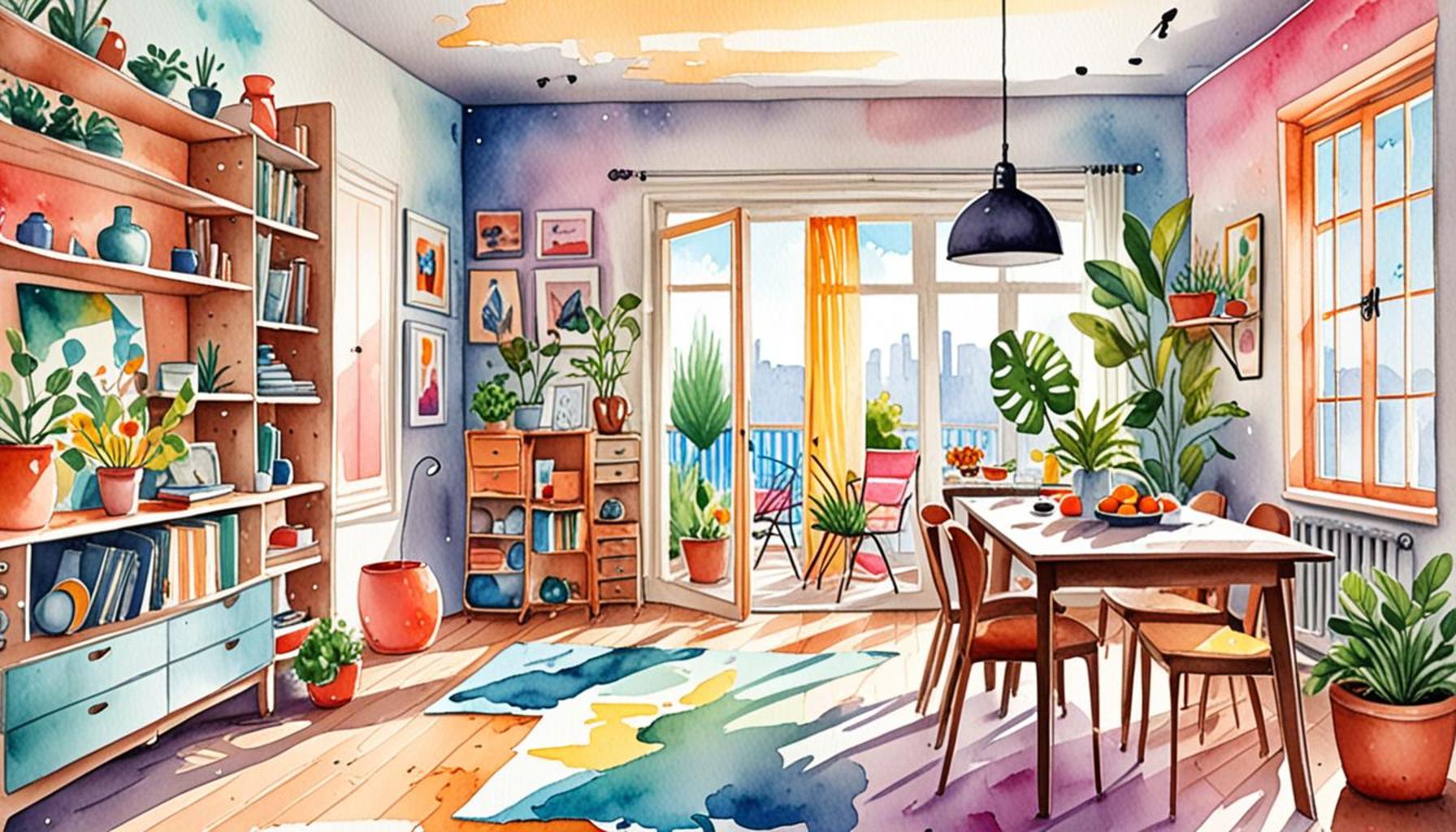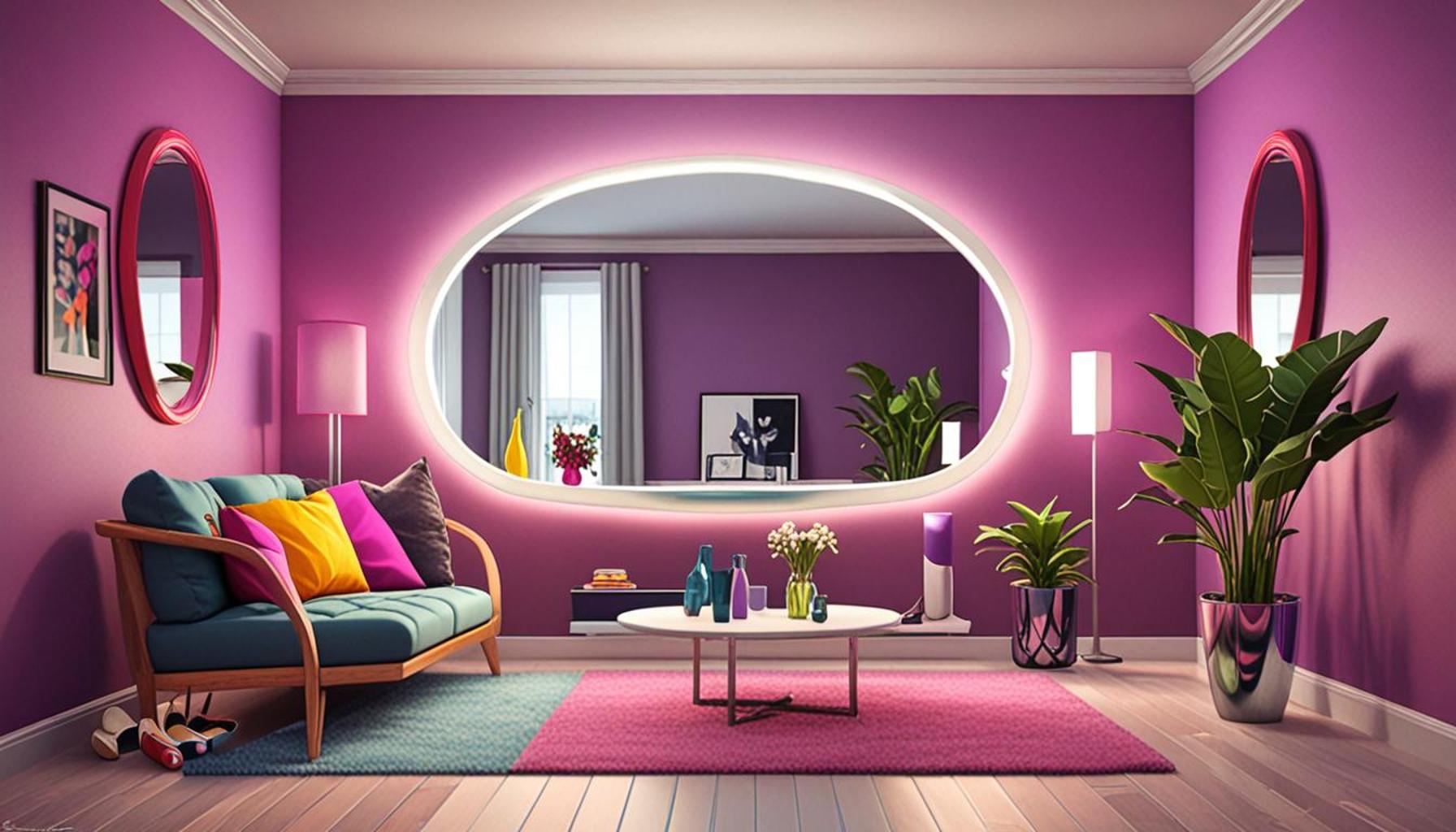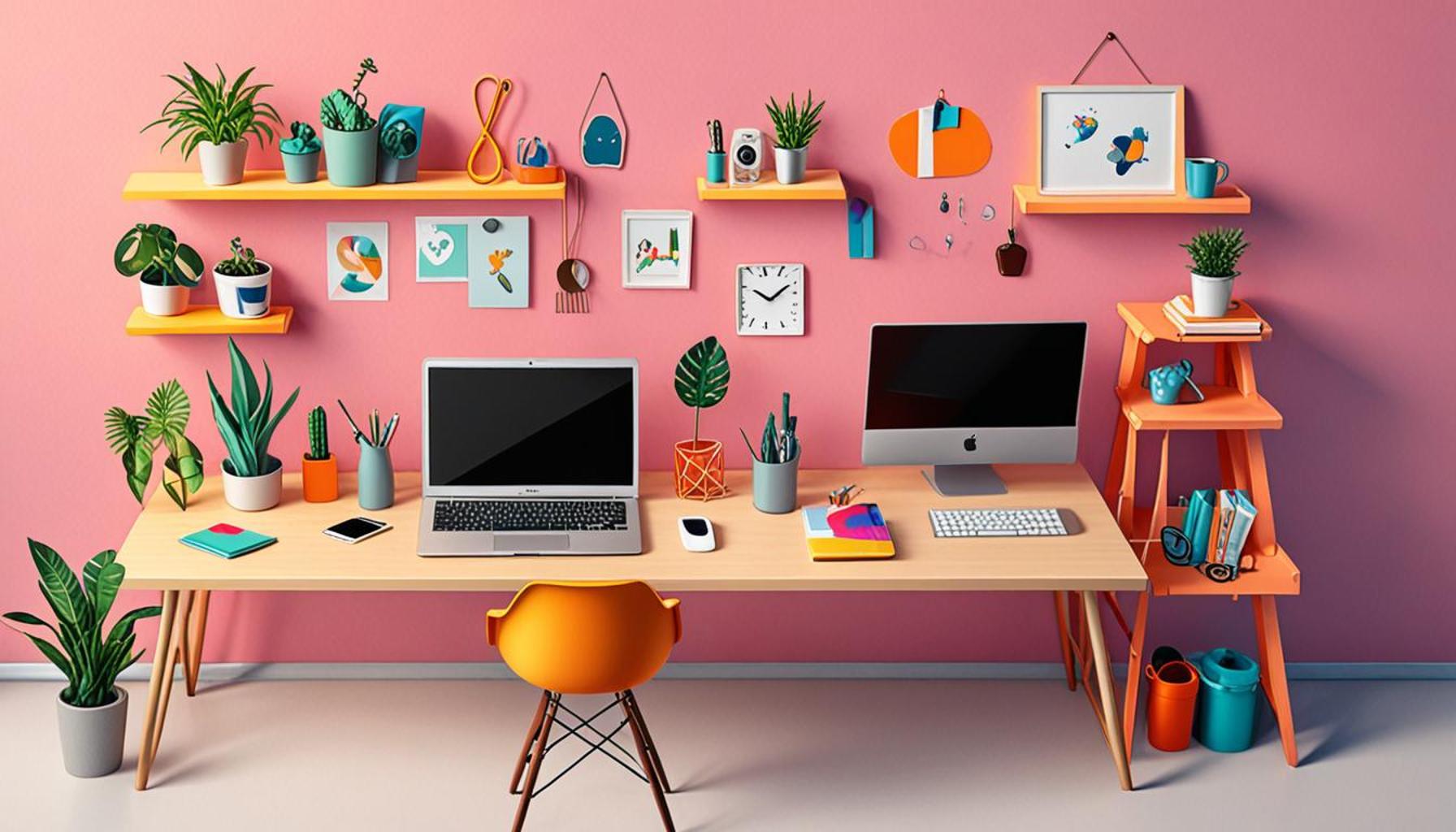
Detachment and Reorganization: Strategies to Reduce Clutter and Maximize Space
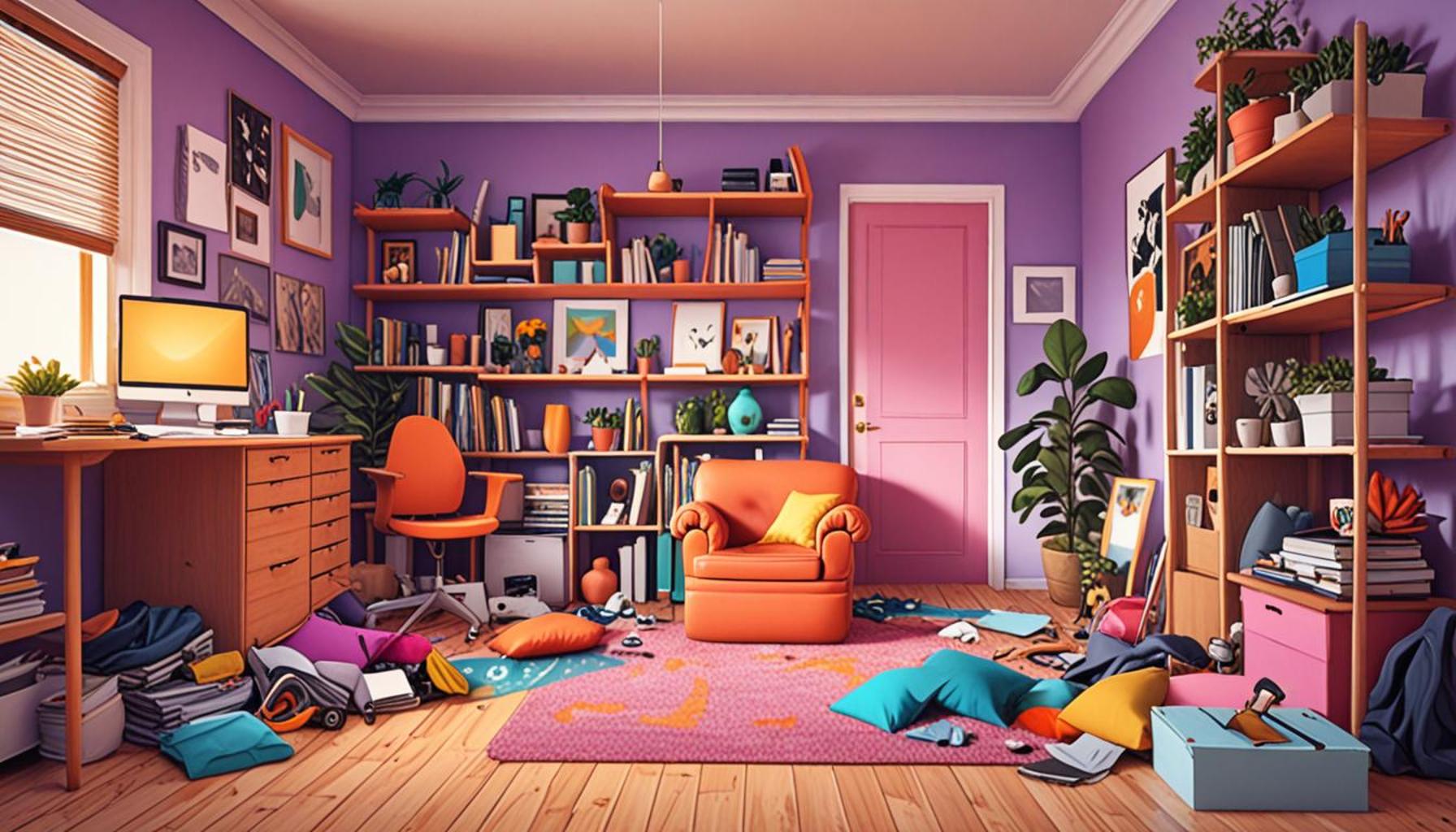
Transform Your Space with Strategic Detachment
In today’s fast-paced world, clutter can significantly impact our mental well-being and physical environment. The accumulation of unnecessary items creates chaos, making it challenging to navigate our daily lives. By embracing detachment and reorganization, we can create inviting, functional spaces that inspire creativity and tranquility.
Why Should You Declutter?
- Enhanced Productivity: A tidy environment can lead to improved focus and efficiency. Extensive studies indicate that individuals working in organized spaces are more likely to meet deadlines and complete tasks efficiently. For example, many leading tech companies in Silicon Valley have adopted minimalist office designs to foster creativity and concentration.
- Reduced Stress: The elimination of excess belongings creates a calming atmosphere. Psychology shows that mess and disorganization can be a major source of stress. By clearing pathways and creating an organized space, you can experience profound mental clarity, helping your mind to relax and recharge.
- Maximized Space: Smart organization opens up valuable square footage, allowing for optimal use of your home or office. In urban settings where space is premium, creative organization methods such as multi-use furniture or vertical storage solutions have become crucial in maintaining livable environments.
Implementing effective strategies to detach from the material and reorganize your surroundings requires a thoughtful approach. The journey begins with assessing what you truly need, not just what you want. It invites a mindset that prioritizes functionality and minimalism. By consciously evaluating your belongings and their place in your life, you pave the way for a more intentional way of living.
Key Strategies to Explore
- Sort and Simplify: One effective method involves categorizing items into keep, donate, and discard. For instance, consider the “Marie Kondo Method,” which advises you to only keep items that “spark joy.” This can be particularly effective when tackling clothing or sentimental objects, allowing for deeper emotional connections to what you choose to keep.
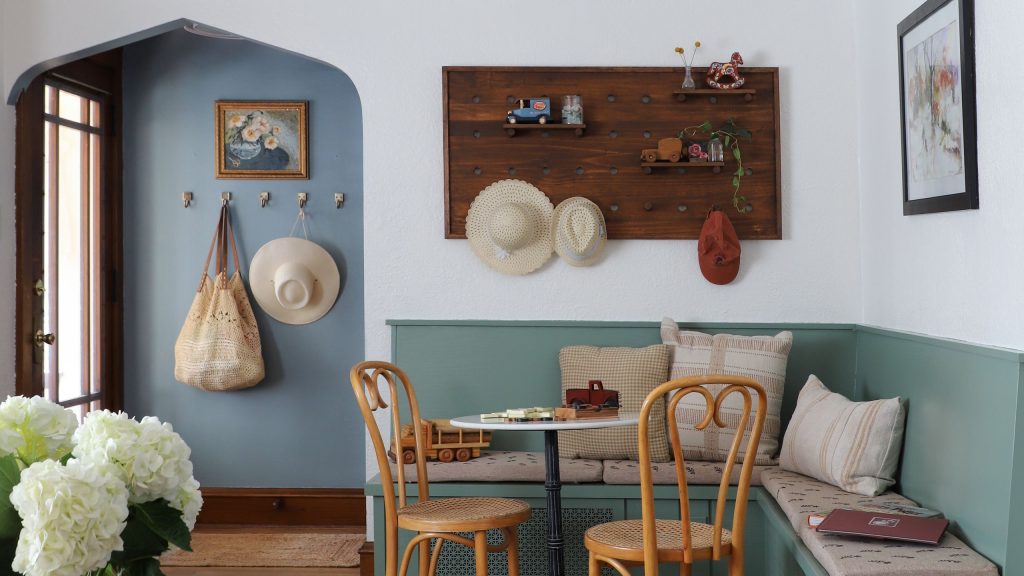
- Utilize Vertical Space: Shelves and wall organizers can significantly increase storage without sacrificing floor space. Floating shelves, wall-mounted hooks, and pegboards can transform cluttered corners into organized zones, particularly in smaller homes where every inch counts.
- Invest in Multi-Functional Furniture: Opting for pieces that serve more than one purpose maximizes utility. For example, a coffee table with storage compartments or a sofa bed can accommodate guests while conserving space. This approach is particularly beneficial for city dwellers in apartments.
Join us as we delve deeper into actionable plans and expert tips to transform your cluttered living space into an organized sanctuary. Discover how taking simple steps today can yield lasting benefits for your mental clarity and physical comfort. Explore innovative ideas that others have implemented, and consider how you, too, can create a serene environment that reflects your personal style while enhancing your overall sense of well-being.
DISCOVER MORE: Click here to enhance your productivity
Core Principles of Decluttering and Space Optimization
Understanding the importance of detachment is pivotal when beginning your journey toward a clutter-free environment. It’s not merely about discarding items; it’s about understanding what you value and what is truly necessary in your life. This psychological shift can lead to a more thoughtful approach to your belongings and space utilization.
Assess Your Needs
Before jumping into decluttering, take a moment to reflect on your lifestyle and the functionality of your space. Begin by asking yourself what items you truly need and which ones are merely taking up space. Consider the following questions:
- What items do I use daily? Prioritize objects that serve a purpose in your everyday life.
- Which belongings hold sentimental value? While it’s important to cherish memories, select a few significant items rather than keeping everything.
- How does my current environment enhance or hinder my productivity? Determine if your space is conducive to your work habits or if it adds to your stress.
By conducting this assessment, you’re laying the groundwork for a more intentional detachment process. This self-evaluation not only simplifies the decision-making when it comes to sorting items but also fosters a deeper understanding of your personal needs and preferences.
Implement the Four-Category System
One effective method for reducing clutter involves employing a Four-Category System, which separates items into distinct groups: Keep, Donate, Sell, and Trash. This approach ensures a comprehensive evaluation of every item in your home. Here’s how it works:
- Keep: These are the essentials or favorites that add value to your life.
- Donate: Items in good condition that you no longer need can be given to charity or local organizations, providing hope and utility to others.
- Sell: Consider hosting a garage sale or using online platforms to sell items that are still valuable but no longer serve a purpose for you.
- Trash: Discard damaged or broken items that have no place in a functional environment.
Implementing this categorization strategy encourages a more systematic approach to decluttering, making the process less overwhelming. It’s also an effective way to ensure that you are making mindful decisions about each item, leading to a well-organized space.
Create a Decluttering Schedule
To maintain momentum and manage stress, consider establishing a decluttering schedule. Dedicate specific days or weeks to different areas of your home, allowing for focused effort rather than an all-at-once approach. This tactic not only keeps you organized but also offers a sense of accomplishment as sections of your home become clutter-free.
Incorporating these principles will lead to greater control over your environment, contributing positively to your mental well-being and efficiency. The road to organized living may seem daunting at first, but as you proceed with intention, you’ll discover that each step brings you closer to a more serene and functional space.
| Advantage | Description |
|---|---|
| Increased Focus | A clutter-free environment enhances mental clarity, allowing for improved concentration and productivity. |
| Enhanced Aesthetics | Reorganization promotes a visually appealing space that can significantly boost mood and inspire creativity. |
Implementing strategies for detachment and reorganization goes beyond mere aesthetics; it invites a lifestyle transformation that directly influences daily well-being. One of the core benefits of maintaining a clutter-free space is the increase in focus it fosters. Surrounded by less visual noise, individuals can channel their energies towards tasks that matter. This, in turn, leads to higher productivity levels, making it easier to accomplish goals and manage time effectively. Furthermore, by adopting organizational strategies, an environment can become a source of enhanced aesthetics. The beauty of a well-arranged space not only elevates personal enjoyment but also creates an atmosphere that can spark innovation and creativity. As the appeal of your surroundings improves, so do your chances of discovering new interests or hobbies that bring fulfillment to your life.Thus, the exploration of detachment and reorganization doesn’t just resonate on a practical level; it also opens up opportunities for personal growth. For those eager to dive into these transformative practices, understanding their impacts is a fundamental first step towards a more fulfilling, clutter-free lifestyle.
DISCOVER MORE: Click here to learn about the power of purposeful possessions
Effective Strategies for Organizing and Space Management
Once you’ve undergone the initial stages of detachment and decluttering, the next step involves implementing organizational strategies to maximize your space effectively. This process not only facilitates a tidy environment but also enhances the overall functionality of your home. Below are several practical techniques to consider.
Utilize Vertical Space
One of the most overlooked aspects of space optimization is the use of vertical space. Utilizing walls and vertical storage solutions can dramatically change the dynamics of a room. For instance, installing floating shelves or tall bookcases can provide additional storage without occupying precious floor space. Consider using pegboards in your garage or home office; these can hold tools, craft supplies, or even kitchen utensils, making your items accessible while keeping them neatly organized. Furthermore, magnetic strips can be an excellent addition to the kitchen, allowing you to store knives and metal utensils on the wall, freeing up counter space and keeping everything within reach.
Incorporate Multi-Functional Furniture
Another effective strategy for maximizing space is the incorporation of multi-functional furniture. Pieces that serve more than one purpose allow you to reduce the quantity of furniture while maintaining functionality. Consider items such as:
- Sofa beds: Perfect for small living areas, these combinations provide both seating and sleeping space.
- Ottomans with storage: These versatile pieces can serve as footrests, extra seating, or hidden storage for blankets or toys.
- Expandable dining tables: Ideal for homes that host gatherings, these tables can be adjusted to accommodate more guests when necessary.
When selecting furniture, prioritize pieces that align with your lifestyle and existing decor. This approach not only frees up space but also contributes to a more cohesive design within your home.
Adopt the One In, One Out Rule
To maintain a clutter-free environment, consider adopting the One In, One Out Rule. This simple guideline stipulates that for every new item you bring into your home, you must remove one existing item. This practice encourages mindful consumption and helps prevent accumulation over time. It’s an effective strategy that encourages you to think critically about each purchase, ensuring it adds genuine value to your life.
Establish Dedicated Zones
Designating specific areas for certain activities or items can significantly enhance organization. Establish dedicated zones within your home to store like items together, which can streamline your routines. For example:
- Define a workspace: Create a clear area within your home for work-related tasks, equipping it with all necessary supplies to minimize distractions.
- Organize a reading nook: Set up a comfortable space with your favorite books, ensuring easy access and a tranquil reading environment.
- Curate a crafting corner: Collect all your supplies in one place, making it easy to dive into projects without having to search through clutter.
This process not only enhances the efficiency of your daily activities but also fosters a sense of peace and order within your living environment.
With a combination of these strategies, you’ll find that creating an organized, clutter-free space is more attainable than it may initially seem. Each small step you take toward optimizing your space contributes to a more enjoyable and functional living experience. As you explore these methods, allow yourself the freedom to experiment and discover what works best for you. Engaging in this process can lead to lasting improvements in how you utilize and appreciate your home.
DISCOVER MORE: Click here to learn how to choose possessions that reflect your values
Conclusion: Embracing a Clutter-Free Life
In a world where our belongings often overwhelm the spaces we inhabit, the journey of detachment and reorganization emerges as a powerful antidote to clutter. By adopting the strategies discussed, such as utilizing vertical space, incorporating multi-functional furniture, and adhering to the One In, One Out Rule, individuals can cultivate environments that are not only organized but also functional and inviting. Establishing dedicated zones for various activities further enhances the efficiency and tranquility of daily life, allowing us to fully engage with our pursuits without the distractions of clutter.
As you embark on implementing these techniques, consider that the process is as much about the mental shift as it is about physical organization. Each deliberate choice to let go of unnecessary items and embrace a streamlined approach opens up possibilities for a more mindful and fulfilling existence. Beyond mere aesthetics, creating a space that reflects your values and lifestyle can lead to improved well-being and clarity.
The notion of organization is an evolving one, and as you refine your habits, be open to experimenting with new ideas that align with your needs. Reflect on your relationship with your possessions; consider what adds true value to your life. Ultimately, through detachment and reorganization, you can achieve a home that maximizes space, fosters creativity, and enhances your overall quality of life. Embrace the journey towards a clutter-free existence today, and discover the peace that comes with a thoughtfully curated environment.