
Decluttering Clothes: Methods to Assess, Organize, and Maintain a Minimalist Wardrobe
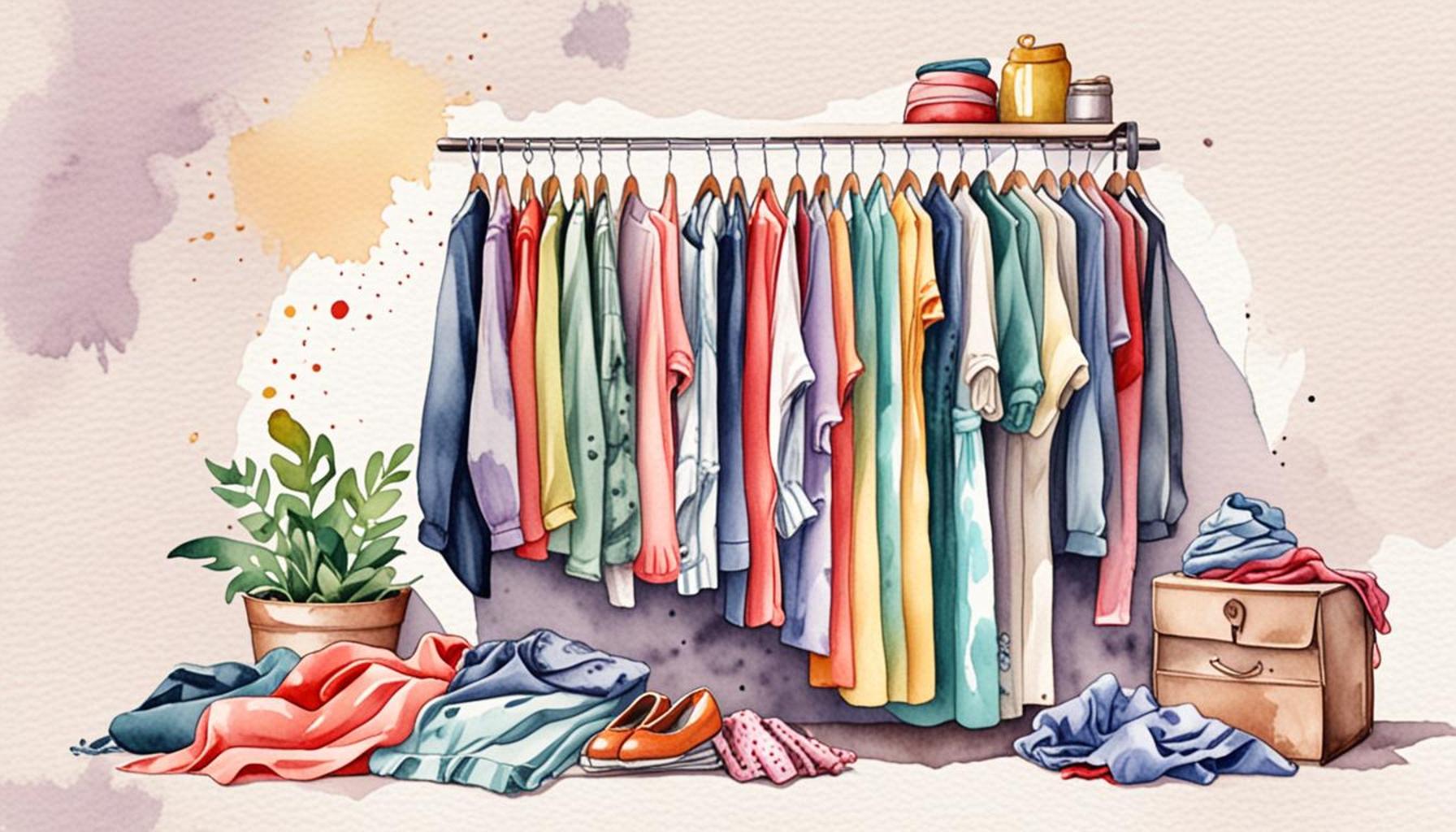
Transform Your Wardrobe with Minimalism
In today’s fast-paced world, our closets often become overwhelming spaces filled with clothes we’ve forgotten or no longer wear. This clutter not only adds unnecessary stress but also makes it difficult to find your favorite pieces when you need them. Decluttering clothes is not just about cleaning out your closet; it’s about creating a more organized environment that fosters mental clarity and promotes a sense of peace. By adopting minimalist principles, you can turn your wardrobe into a streamlined haven that reflects your true style and inner values.
The Case for a Minimalist Wardrobe
Why should you consider a minimalist wardrobe? Here are some compelling reasons:
- Simplified Choices: With fewer clothes to choose from, you can make quicker decisions, reducing the daily stress of outfit selection. Think of the time you’ll save on those early weekday mornings when every second counts!
- Enhanced Style: Emphasizing quality over quantity allows you to focus on pieces that genuinely resonate with your personal aesthetic. For instance, instead of ten average t-shirts, you might choose four high-quality ones made from sustainable fabrics that fit beautifully.
- Financial Savings: Reducing impulse buys means saving money in the long run. When you invest thoughtfully in a few timeless pieces, you avoid the regret of fast fashion purchases that often go unworn. Over time, this careful curation can lead to substantial savings, allowing for more intentional spending on experiences, travel, or even hobbies.
Methods for Decluttering
Assessing your clothing collection is a crucial first step on the path to minimalism. Effective methods to declutter include:
- The 100-Item Challenge: This approach encourages you to limit your wardrobe to a set number of items, promoting creativity and resourcefulness in outfit combinations. It provides a framework that can make the daunting task of decluttering feel more manageable.
- Seasonal Review: Taking time every few months to evaluate your wardrobe ensures that each piece still serves a purpose. As the seasons change, so do trends and personal preferences. This regular check-in helps you stay aligned with what you love and wear.
- One-Year Rule: If you haven’t worn a piece in a year, it’s time to let it go. This rule helps eliminate sentimentality that often clouds our judgment. Donating or selling clothes that are simply occupying space can provide a sense of liberation, allowing room for items that truly matter.
In this article, we will explore various strategies to assess, organize, and maintain your minimalist wardrobe while embracing a lifestyle that values simplicity and intention. Step into a world where less truly means more, and discover the freedom that accompanies a thoughtfully curated wardrobe. Whether you’re a fashion novice or a seasoned enthusiast, adopting minimalist principles could very well transform your relationship with clothing and personal style.
DISCOVER MORE: Click here to learn how simplified living can enhance your life
Effective Assessment Techniques for Your Wardrobe
Embarking on a journey to declutter your clothes begins with a thoughtful assessment of your wardrobe. The aim is to determine what you truly need and what can be released into the world to serve someone else. Before diving into organizing, consider employing various techniques that will aid in clarifying your personal style while maintaining minimalism.
Visual Inventory
A visual inventory is an excellent starting point. This method involves pulling all your clothing items out of the closet and laying them out where you can see everything clearly. This visual representation makes it easier to assess your collection as a whole. It can be surprising to discover just how much you own, which can spark a critical evaluation of each piece’s value to your daily life.
Sorting Categories
While engaging in the visual inventory, sorting clothes into distinct categories can streamline the assessment process. Create categories such as:
- Wear Often: Items that you love and frequently wear should go into this category. These pieces are your go-to staples.
- Special Occasions: Limit these to only the items you really love and appreciate for special events.
- Seasonal Pieces: Evaluate clothes that are only worn in particular seasons, and decide if they still fit your style or needs.
- Donate or Sell: Clothes that no longer fit, are outdated, or haven’t been worn in months belong in this category. This is crucial for maintaining a minimalist wardrobe.
Utilizing these categories will not only help you to evaluate your clothes but can also guide the decluttering process by presenting a clear roadmap for organizing your wardrobe.
Mindful Reflection
Another effective decluttering method is mindfulness. Ask yourself questions that provoke deeper reflection about your clothing choices and how they align with your current lifestyle:
- Does this piece align with my current personal style? Reflecting on the question can help distinguish whether an item is merely trendy or truly representative of you.
- Does this item bring me joy? Inspired by Marie Kondo, this approach motivates you to let go of items that don’t evoke a positive emotional response.
- Is this item versatile? Consider the item’s adaptability to multiple outfits. A versatile piece can significantly contribute to a minimalist wardrobe.
Mindful reflection can be difficult, especially when nostalgia or attachment to certain items arises. However, embracing this challenge is essential for fostering a minimalist wardrobe that truly represents your values and aesthetics.
These assessment techniques pave the way for a well-organized and insightful decluttering process. By methodically questioning your possessions and utilizing an organized framework, you can create a wardrobe that not only reflects your style but also simplifies your life. Next, we will explore effective strategies for organizing your decluttered wardrobe in a way that maintains clarity and functionality, allowing for an efficient and enjoyable dressing experience.
Decluttering Clothes: Methods to Assess, Organize, and Maintain a Minimalist Wardrobe
As you embark on the journey to create a minimalistic wardrobe, the first step involves effective assessment methods. This is crucial because the process not only defines your style but also educates you about your consumption habits. Start by evaluating your current collection with a critical eye. Ask yourself questions such as “When was the last time I wore this?” or “Does this piece truly reflect my aesthetic?” This self-reflection lays the foundation for a more intentional wardrobe.
Next, we move on to organization techniques that simplify storage and accessibility. One popular method is the KonMari Technique, devised by Marie Kondo, which emphasizes keeping only items that “spark joy.” This process encourages you to categorize your clothing—by type (shirts, pants, etc.) or by frequency of use. Invest in quality storage solutions like transparent boxes or specialized hangers that allow you visibility, making it easier to maintain your minimalist aesthetic.
Lastly, once your wardrobe is refined, it is essential to establish maintenance strategies. Incorporate a seasonal evaluation into your routine, reserving time every few months to reassess your collection. This not only prevents clutter from building up again but also keeps your wardrobe aligned with evolving trends and personal style changes. Remember, the key to a successful minimalist wardrobe is sustainability. Opt for high-quality, versatile pieces that stand the test of time and resist the temptation of fast fashion.
| Advantages | Description |
|---|---|
| Enhanced Clarity | A minimalist wardrobe allows for easier outfit selection, reducing stress and decision fatigue. |
| Saving Space | With fewer clothes, your storage areas remain organized, making it easier to locate items without clutter. |
Each of these methods adds to the overall efficiency and aesthetic of your wardrobe, combining practicality with style. This holistic approach enables you to live a simpler, more intentional life, while making a positive impact on your personal well-being and the environment.
DISCOVER MORE: Click here to learn the art of saying no
Organizational Strategies for a Streamlined Wardrobe
Once you’ve completed the assessment of your clothing collection, the next vital step is to develop effective organizational strategies that optimize space and maintain clarity within your wardrobe. An organized closet not only simplifies your daily routine but also ensures that you can easily navigate your minimalist wardrobe without feeling overwhelmed.
Utilizing Smart Storage Solutions
Investing in smart storage solutions can significantly enhance the functionality of your wardrobe. Consider incorporating the following ideas to maximize your closet’s potential:
- Vertical Space Maximization: Use vertical space to your advantage by installing additional shelves or using hanging organizers. This can help you store items like shoes and accessories up high while keeping frequently used clothing at eye level.
- Drawer Dividers: Utilize drawer dividers to keep smaller items—like socks, undergarments, and accessories—organized. This prevents the drawer from becoming a chaotic mess, allowing for quick access and easy visibility.
- Seasonal Storage: For items that are not currently in season, consider using bins or vacuum-sealed bags for storage. This not only frees up space in your main wardrobe but also protects your clothing from dust and damage.
By applying these storage solutions, you can create a well-organized environment that supports your minimalist lifestyle, ensuring everything has its designated place.
Color Coding and Style Grouping
Another effective method for organizing your wardrobe is through color coding or grouping items by style. This approach not only adds an aesthetic appeal to your closet but also allows for easier outfit assembly. Here’s how to implement it:
- Color Coordination: Arrange your clothing items by color within each category (e.g., tops, skirts, pants). This visual organization helps you quickly locate pieces while streamlining the selection process.
- Style Grouping: For a functional wardrobe, group items by style, such as casual, professional, or formal wear. This ensures you can efficiently find outfits suitable for specific occasions.
Whether you choose to color coordinate or group by style, both strategies will maintain your wardrobe’s neatness and harmony, making your dressing experience enjoyable.
Implementing a Routine for Maintenance
After putting time and effort into organizing your wardrobe, establishing a maintenance routine is essential for keeping it in its optimal state. A few helpful tips include:
- One In, One Out: Adopt the principle of ‘one in, one out’ to prevent clutter from accumulating again. For every new clothing item brought into your wardrobe, consider donating or selling one that you no longer wear.
- Seasonal Reviews: Make it a habit to review your wardrobe at the beginning of each season. This will give you the chance to reassess your clothing and make necessary adjustments based on the upcoming weather and trends.
- Weekly Outfit Planning: Dedicate time each week to plan your outfits. This not only ensures that you use your entire wardrobe but also reduces the last-minute scramble, saving you time and stress.
By implementing a routine for maintenance, you will cultivate a disciplined approach towards your minimalist wardrobe, ensuring its longevity and functionality over time.
DIVE DEEPER: Click here to discover the art of living with less
Wrapping Up Your Minimalist Wardrobe Journey
In conclusion, decluttering your clothes and creating a minimalist wardrobe is a transformative process that can enhance not only your daily dressing experience but also your overall lifestyle. By employing the self-assessment techniques and organizational strategies discussed, you can curate a collection that reflects your personal style while maximizing functionality. A streamlined wardrobe will not only simplify your choices but also save you valuable time in the mornings.
As we’ve highlighted, the use of smart storage solutions, color coding, and style grouping can make your closet both visually pleasing and practical. The importance of maintaining this well-structured wardrobe through routines such as the ‘one in, one out’ policy or seasonal reviews cannot be overstated. These practices will help you avoid falling back into the clutter trap and ensure your wardrobe remains an efficient asset in your life.
Ultimately, adopting a minimalist wardrobe design is not just about having fewer clothes; it’s about embracing a lifestyle centered around intentionality and simplicity. By continuously engaging with these principles, you maintain an organized space that inspires creativity and confidence in your fashion choices. So take the leap, delve into your closet, and watch how these decluttering methods reshape your relationship with clothing for the better. Ready to start your journey? Dive in and discover the freedom and clarity that maintaining a minimalist wardrobe can bring.