Cultural Adventure Guide: Exploring Local Markets and Fairs in Nigeria
Exploring the Vibrancy of Nigeria’s Markets and Festivals
Nigeria, a country renowned for its vast cultural diversity, functions much like a living museum where every corner offers a glimpse into its rich traditions. Local markets and fairs stand at the forefront of this cultural tapestry, acting as vibrant ecosystems filled with the pulse of everyday life. These communal hubs not only support commerce but also enrich social connections and artistic expression, making them essential for anyone wishing to fully appreciate Nigerian culture.
What to Expect in Nigerian Markets
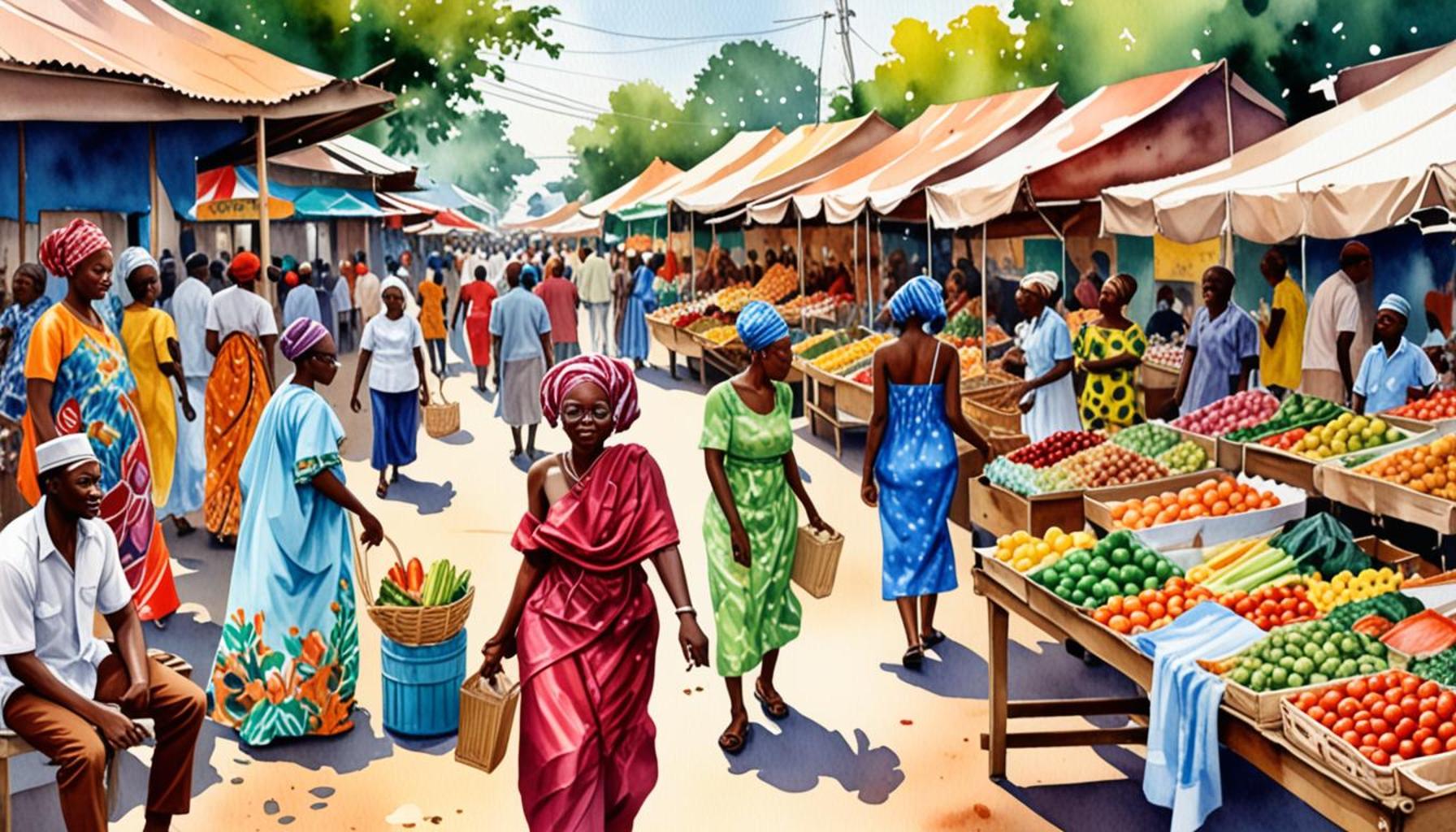
Venturing into a Nigerian market is akin to stepping into a whirlwind of sights, sounds, and scents. Here are some highlights you can anticipate during your visit:
- Fresh Produce: The renowned markets such as Balogun Market in Lagos and Wuse Market in Abuja burst with colorful stalls brimming with fresh fruits, vegetables, and spices. You can find everything from ripe mangoes and juicy pineapples to local staples like yam and cassava, inviting culinary experimentation.
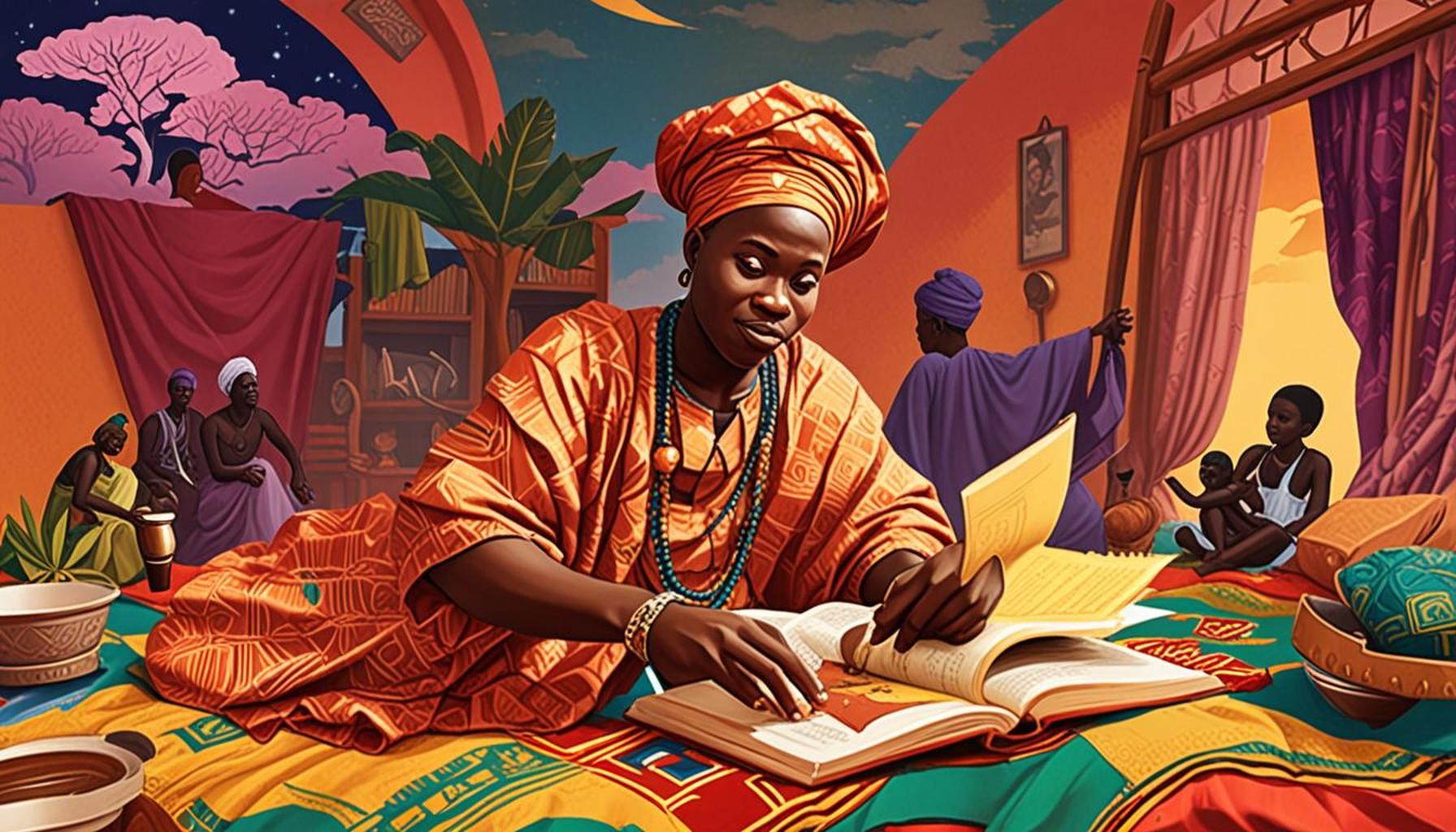
- Artisans at Work: Markets serve as venues where local artisans exhibit their skills. You might come across craftsmen hand-weaving traditional Yoruba textiles or sculptors carving intricate designs from wood. Watching them in action gives insight into the local craft heritage that has been passed down through generations.
- Street Food Delights: No visit is complete without indulging in Nigeria’s famous street food. Vendors offer an array of mouth-watering dishes like suya (spicy meat skewer), pounded yam with rich egusi soup, and pepper soup that tantalizes the taste buds. Each dish tells a story, reflecting the historical and regional influences on Nigerian cuisine.
Each market has its own distinctive character, shaped by the local community and its traditions. Engaging with vendors and other shoppers transforms the experience from mere shopping into a lively interaction rich with stories, local customs, and laughter. You gain understanding not only of the items sold but of the people, their histories, and what they represent.
Popular Fairs to Explore
In addition to daily markets, Nigeria is home to a plethora of vibrant festivals and fairs that celebrate its cultural heritage and community spirit:
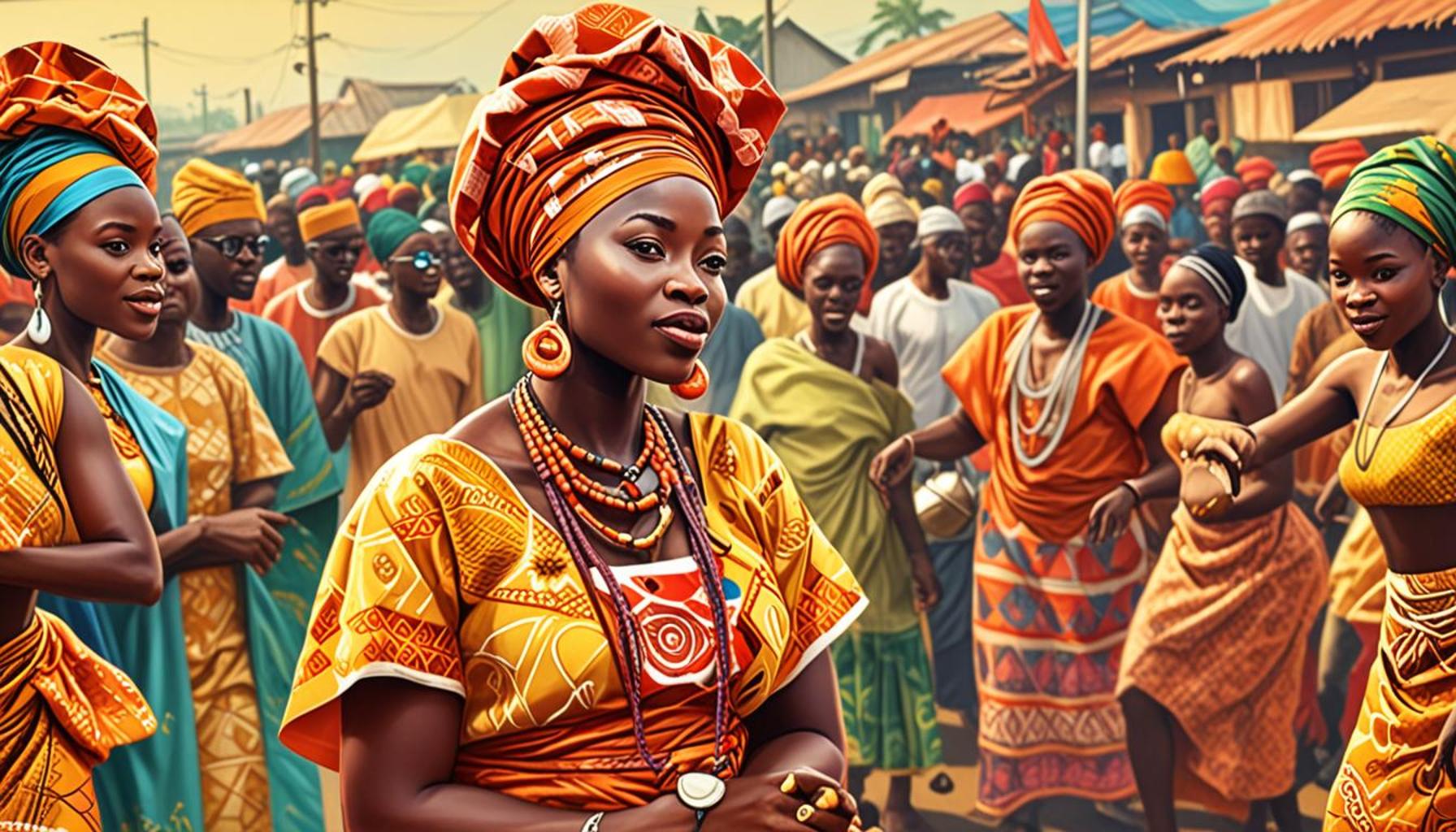
- Argungu Festival: This acclaimed festival takes place in Kebbi State and features a thrilling fishing competition where thousands of fishermen display their skills. The event is complemented by cultural displays, traditional dances, and music, showcasing the vibrant culture of the Fulani and other communities.
- Osun-Osogbo Festival: A UNESCO recognized event, this sacred festival occurs annually in Osogbo to honor the river goddess Osun. The week-long celebrations attract thousands of devotees and tourists, filled with rituals, dance, and art, cementing its status as one of Nigeria’s most revered cultural gatherings.
- Calabar Carnival: Dubbed the biggest street carnival in Africa, the Calabar Carnival is a spectacular showcase of dance, music, and colorful costumes every December. This electrifying festival attracts millions and serves as a melting pot of creativity and entertainment for all ages.
Participating in these festivals enables visitors to engage deeply with local culture. Each event opens doors to history, tradition, and contemporary expressions of Nigerian identity. By immersing yourself in the lively atmosphere of Nigeria’s markets and fairs, you embark on an unforgettable cultural journey, gaining insights and memories that will linger long after your visit. This is an adventure worth experiencing, as it bridges the country’s past with its dynamic present.
RECOMMENDED: Check out this similar article
Diving Deeper into the Heart of Nigeria’s Local Markets
As you traverse the bustling markets and fairs of Nigeria, you will quickly realize that each locale tells a unique story, woven together by the threads of tradition, community, and commerce. Beyond the simple exchange of goods lies a profound cultural experience that captures the essence of Nigerian life. Here are some compelling facets of these markets that elevate them from mere shopping destinations to vibrant cultural sites:
Community Connections
Shopping in Nigerian markets is often a communal affair. Vendors and customers share stories, laughter, and advice, creating an atmosphere that feels more like a gathering than traditional commerce. As you wander through stalls, you might overhear conversations about local events or receive recommendations on the best ingredients to achieve authentic tastes in your cooking. This social aspect fosters a sense of connection—that feeling of community that defines much of Nigerian culture.
Art and Craftsmanship at Every Turn
Nigeria’s local markets are treasure troves of artisanal crafts and handmade goods. From the colorful beadwork of the Igbo to the intricate designs of carved wooden sculptures from the Middle Belt, there is no shortage of artistic expression. Here are a few types of crafts you might encounter:
- Textiles: Look for vibrant African prints and traditional garments known as aso ebi, often worn during special events and celebrations.
- Pottery: Handcrafted ceramics that reflect the unique styles of different tribes are often available, showcasing both utility and art.
- Jewelry: Precious and semi-precious stones, as well as handcrafted silver and gold jewelry, are common finds that narrate stories of identity and heritage.
The artisans you meet in the markets often take pride in their craft, ready to share their techniques and cultural significance. Observing them at work not only enchants the eye but also inspires a deeper appreciation for Nigeria’s artistic legacy.
The Fusion of Flavors
Nigeria’s markets are renowned for their street food scene, an essential part of the culinary adventure awaiting visitors. Here, you can sample local delicacies that reflect the diverse ethnic groups and flavors throughout the country. The aroma of spices fills the air as vendors serve up dishes that are both flavorful and culturally significant. Notable items to try include:
- Boli: Grilled plantains that are smoky and sweet, often enjoyed with spicy pepper sauce.
- Akara: Deep-fried bean cakes that are both crispy and fluffy, perfect for a quick snack or breakfast option.
- Puff Puff: Sweet, deep-fried dough balls that are a favorite at parties and gatherings, showcasing Nigeria’s flair for delightful snacks.
The culinary offerings provide a sensory feast, but they also serve as gateways to understanding regional differences and historical influences in Nigerian cuisine. Engaging in food exploration deepens your connection to the culture, inviting you to explore local recipes and cooking methods long after you leave the market.
Nigerian markets are more than just places to shop; they are hubs of cultural exchange, artistic expression, and culinary exploration. As you navigate through vibrant stalls and engage with the people, you find a rich tapestry of stories and experiences that invite you to delve deeper into the heart of Nigeria.
| Advantage | Description |
|---|---|
| Vibrant Local Culture | Visiting markets and fairs offers an immersive experience in Nigerian culture, showcasing traditional crafts, music, and food. |
| Diverse Culinary Experiences | Travelers can savor authentic local dishes and delicacies, enchanting their palates with delicious flavors unique to various regions. |
This part of your cultural adventure in Nigeria invites you to explore the depths of its local markets and fairs. The first advantage, Vibrant Local Culture, allows you to dive into the heart of Nigeria’s rich heritage. These marketplaces not only serve as commercial hubs but also as gathering places where traditions are passed down through generations. As you wander through stalls filled with handmade crafts and textiles, the lively sounds of traditional music will define the atmosphere, making your visit unforgettable.Additionally, the sheer variety of offerings extends to the culinary realm, where diverse culinary experiences await. Each market brims with opportunities to taste exquisite dishes prepared with local ingredients, from spicy delicacies to sweet treats that reflect Nigeria’s gastronomic diversity. Such experiences enable travelers to connect with the community on a deeper level and appreciate the stories behind each dish.By engaging with these locales, visitors gain a unique insight into the everyday lives of the Nigerian people—an experience that enriches any adventure.
SEE ALSO: Click here to read another article
Treasures of Tradition: Celebrating Festivities and Fairs
Another fascinating aspect of Nigerian culture can be found in the vibrant fairs and festivals held throughout the country, many of which feature local markets. These events offer a unique opportunity to experience the local culture in its most festive and colorful forms. Whether you are attending a large-scale celebration or a modest neighborhood gathering, the sights, sounds, and flavors are bound to be memorable. Here are some key highlights to look for at these cultural celebrations:
Festivals of Unity and Heritage
Nigeria is home to a myriad of ethnic groups, each contributing to the rich cultural mosaic of the nation. Many festivals are dedicated to honoring tradition, community bonding, and celebrating history. Events such as the Osun-Osogbo Festival in Osogbo and the Calabar Carnival in Cross River State showcase a blend of art, music, and cuisine representative of their local cultures. The local markets during these events are especially lively, offering unique goods that are specific to the celebrations.
At these fairs, you will often find:
- Artisan Booths: Vendors display handcrafted items specific to the festival, which may include traditional masquerade costumes, sculptures, and paintings that reflect the festival’s theme.
- Food Stalls: A plethora of traditional dishes emerges, showcasing local cuisine. You might see large pots bubbling with jollof rice or peppered goat meat, tantalizing your taste buds.
- Live Performances: Cultural dance troupes and musicians often perform, creating an immersive experience that highlights the vibrancy of Nigerian heritage.
Attending these festivals not only allows you to discover local crafts and foods, but also provides an unforgettable glimpse into the communal spirit that defines Nigerian society.
Exploring Unique Market Offerings
Beyond the ever-present lively atmosphere, Nigerian markets often feature unique local specialties and rare finds that can enhance your understanding of the country’s diverse cultures. For instance, the Balogun Market in Lagos is famed not only for its textiles but also for its extensive array of fashion items, art, and cultural artifacts that reflect Nigeria’s urban culture. Visiting such markets can reveal:
- Local Spices and Ingredients: Discover spices such as locust bean and ground crayfish that give dishes their signature flavors. Chatting with vendors can also reveal secret family recipes and culinary tips.
- Traditional Medicines: Many markets have sections dedicated to herbal remedies and natural treatments rooted in ancient practices. This offers insight into the indigenous knowledge systems that persist in modern times.
- Seasonal Products: Certain markets also offer goods that change with the seasons, such as craft items and seasonal fruits that reflect the time of year.
These unique offerings not only enrich your shopping experience but also serve as a window into the practices, beliefs, and traditions that shape daily life in Nigeria.
Engaging with Local Artisans and Stories
Moreover, one of the most enriching experiences in Nigerian markets is the chance to engage directly with local artisans. Whether learning about the cultural significance of adire fabric in Ekiti or understanding the history of leatherworking in Kogi, artisans are usually eager to share their stories. By purchasing directly from them, you not only acquire unique items but also contribute to the local economy and sustain age-old crafts.
This direct interaction enhances the authenticity of your cultural adventure, enabling you to leave with not just purchases, but memorable connections and a deeper understanding of the communities that thrive within Nigeria’s local markets.
ADDITIONAL INSIGHTS: Expand your understanding here
Conclusion: A Journey Through Nigeria’s Vibrant Cultural Landscape
Exploring the local markets and fairs in Nigeria offers a captivating journey into the heart of its diverse cultures and traditions. From the bustling stalls of the Balogun Market to the vibrant atmosphere of cultural festivals like the Osun-Osogbo Festival and the Calabar Carnival, every experience is a testament to the rich heritage of this nation. These events showcase not only the craftsmanship of local artisans but also the culinary delights that define Nigerian cuisine, such as jollof rice and peppered goat meat.
Participating in these cultural experiences provides valuable insights into the communal spirit and storytelling that permeate Nigerian society. By engaging with local vendors and artisans, you not only acquire unique handcrafted items but also foster personal connections that embody the essence of Nigeria’s cultural adventure. The stories exchanged in these markets enrich your understanding of age-old traditions and innovative practices that continue to thrive.
Ultimately, visiting Nigeria’s markets and fairs is more than just a shopping experience; it is an invitation to witness and embrace the vibrant tapestry of cultures coexisting harmoniously. It challenges you to deepen your appreciation for not just the products, but also the people and stories behind them. With every trip to these lively hubs, you embark on a meaningful journey, one that leaves you with unforgettable memories and a lasting connection to the heart of Nigeria.