
Crafts and Local Culture: A Guide to Shopping Routes and Cultural Experiences
The Richness of Nigerian Crafts: A Cultural Journey
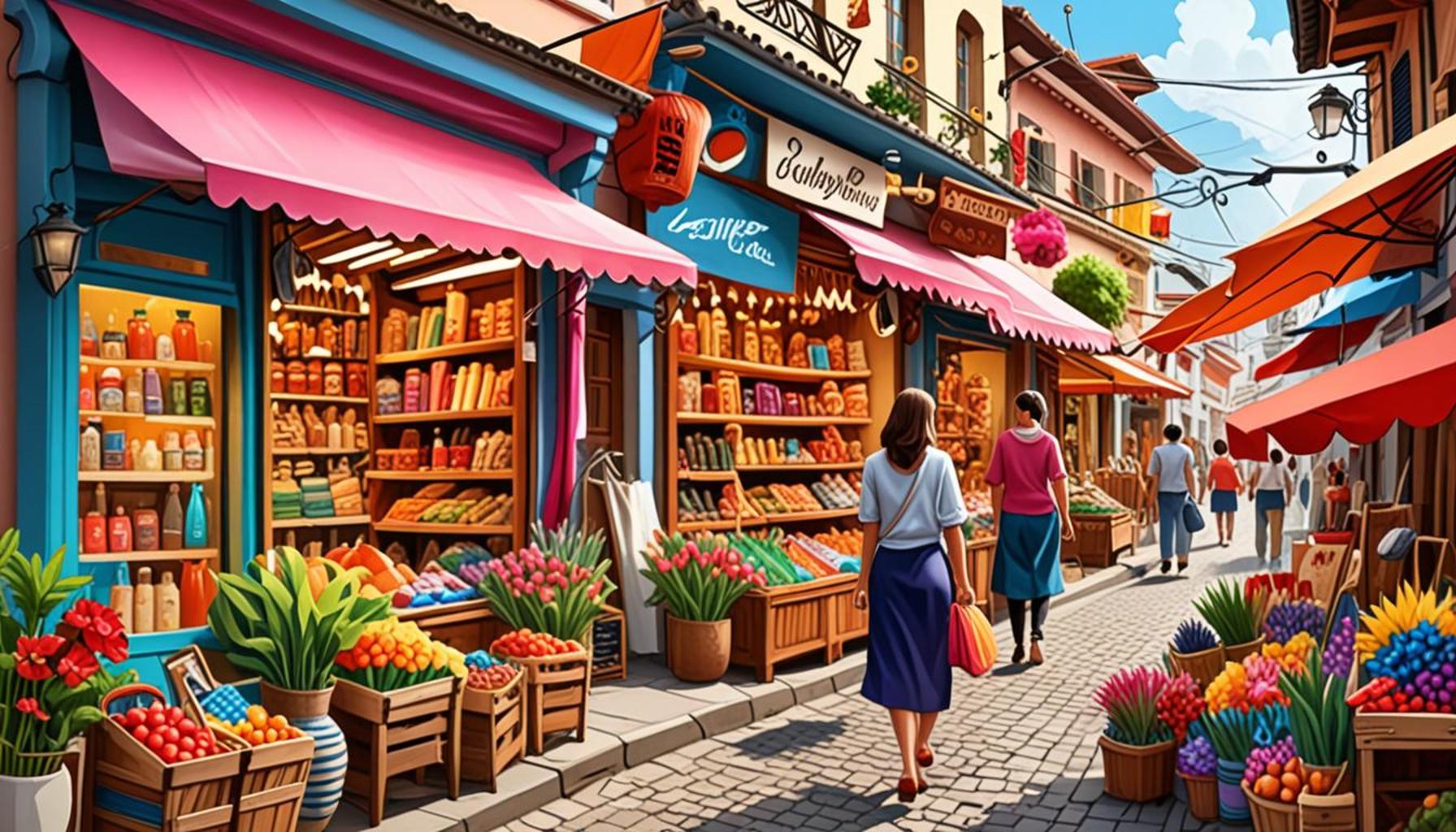
Nigeria’s vibrant cultural tapestry is woven with the threads of its rich craftsmanship. From bustling markets to intimate workshops, exploring local crafts offers a unique opportunity to connect with the heart of communities. These experiences provide not only beautiful souvenirs but also stories and traditions that reflect the region’s identity.
Here’s why immersing yourself in local crafts is worthwhile:
- Diverse Offerings: Each region in Nigeria boasts distinctive crafts that tell tales of heritage and creativity. For instance, consider:
- Beaded jewelry from Lagos: This vibrant metropolis is known for its skilled artisans who craft stunning accessories that charm both locals and tourists. These pieces often feature intricate designs inspired by African motifs.
- Handwoven textiles in Kaduna: The rich history of textile weaving in Kaduna can be traced back centuries. Traditional techniques are used to create lush fabrics that are not only beautiful but also functional, showcasing the artistry of local weavers.
- Carved wooden artifacts from Benin City: As the heartland of the Edo culture, Benin City is famous for its skilled woodcarvers. The intricately carved statues and masks often serve as symbols of cultural pride and heritage, capturing the essence of the city’s storied past.
- Sustainable Shopping: Purchasing locally made crafts supports artisans and promotes economic empowerment within communities. This sustainable shopping experience fosters an environment where creativity thrives and local economies flourish. By choosing to buy handmade items, consumers are playing a role in preserving age-old traditions while also ensuring fair income for the craftsmen.
- Cultural Exchange: Interacting with artists provides valuable insight into their lives and the histories behind their creations. Visitors often share a moment with the craftspeople, learning about the cultural significance of their work. For example, an artisanal potter in Akwanga may explain the symbolism of the patterns on their ceramic wares, deepening one’s understanding of the Nupe culture.
When you embark on this journey, you’ll uncover not just products but a deeper understanding of Nigeria’s traditions. Local markets, such as the Lekki Arts and Crafts Market in Lagos or the Jos Museum Craft Centre, offer diverse selections where the spirited atmosphere amplifies the experience. This guide will lead you through the essential shopping routes and cultural experiences that showcase the richness of Nigerian crafts. Are you ready to explore the local culture and find treasures waiting to be discovered?
RECOMMENDED: Check out this similar article
Immersive Cultural Experiences Through Craft Shopping
Visiting Nigeria is not just about the sights; it is equally an experience punctuated by the sounds, flavors, and textures of its arts and crafts. A robust encounter with local culture comes alive when you explore the markets, workshops, and galleries that showcase the craftsmanship of Nigerian artisans. This journey becomes a deeper narrative when you incorporate cultural experiences alongside your shopping adventures.
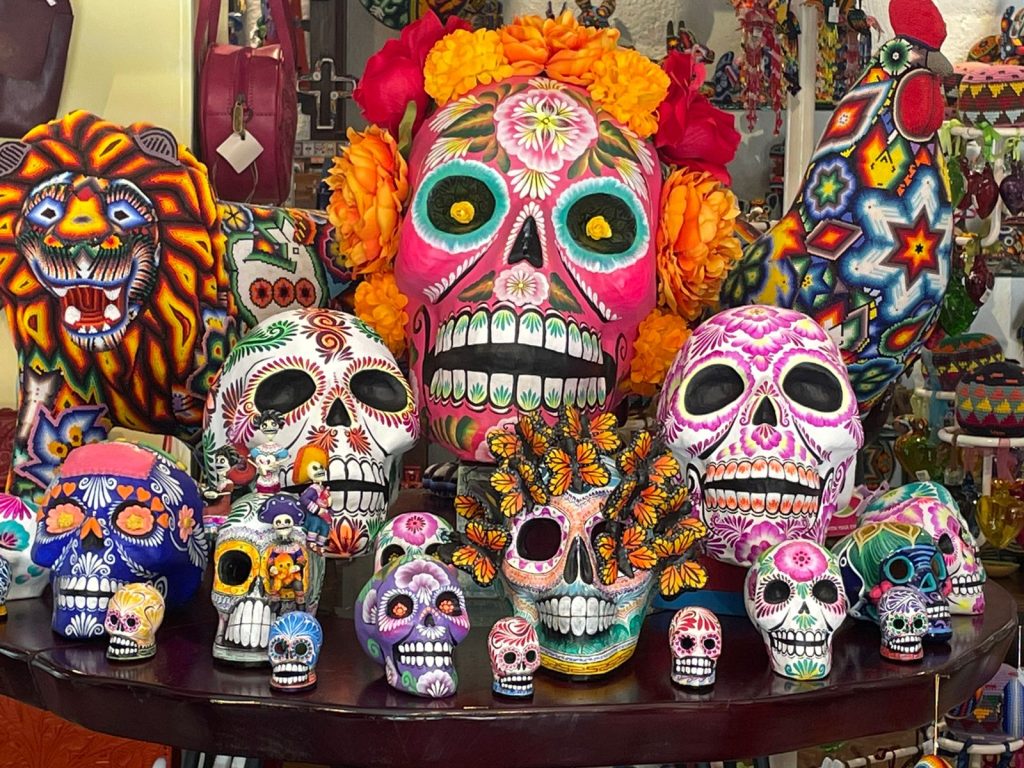
To thoroughly appreciate the richness of Nigeria’s arts, consider embarking on a curated route that will lead you through iconic local spots and interactions with skilled craftsmen. Here’s how to maximize your cultural shopping journey:
- Guided Craft Tours: Engage in guided tours that delve into the heart of artisanal craftsmanship. For example, a visit to the Aso Rock Arts and Crafts Village in Abuja offers a diverse array of handcrafted items and the chance to chat with artisans, who often share fascinating stories of their art, lineage, and techniques. Tours typically highlight areas of significant cultural importance and showcase workshops where visitors can witness the crafting process firsthand.
- Participatory Workshops: Immerse yourself in the creative process by signing up for participatory workshops. These sessions provide a hands-on approach where you can learn skills like pottery, bead-making, or textile dyeing. Learning to create your own piece allows you to forge a personal connection with the culture and the artisans. For instance, in Kano, one could join a traditional pottery workshop and walk away with unique ceramics, along with a newfound appreciation for the craft.
- Art Exhibitions and Galleries: Explore local art galleries that showcase the crafts of emerging and established artists. For example, the National Museum Lagos features exhibitions that display the evolution of Nigerian arts and the significance of different crafts and traditions. Events and exhibitions often present opportunities to meet the artists, enabling a dialogue that enriches your understanding of their creative expressions.
- Culinary Tastes: As you journey through craft markets, do not miss the opportunity to indulge in local culinary experiences. Pairing food with shopping can provide insights into how culture influences craft. In many markets, you can enjoy traditional dishes while browsing through beautiful handcrafted items, making the experience holistic. For example, sampling suya skewers alongside browsing colorful woven baskets integrates local flavors into your adventure.
Don’t overlook the importance of documenting your experiences through photographs and notes. Sharing stories about your interactions with artisans can inspire others to embark on their own cultural journeys. Whether you leave with handcrafted treasures or just a newfound appreciation for Nigerian culture, the journey through crafts and local experiences is bound to be one of profound significance. Ready to embark on this intricate experience of shopping routes infused with culture? You just may discover a new facet of your identity along the way.
| Cultural Engagement | Shopping Experience |
|---|---|
| Community Workshops | Hands-on experience with local artisans |
| Local Festivals | Unique products and vibrant atmosphere |
Exploring the heart of local culture through crafts not only enhances your shopping experience but also fosters a deeper connection with the community. Engaging in community workshops, where artisans share their skills, allows visitors to appreciate the intricate processes behind handmade goods. Participating in these sessions provides firsthand knowledge of traditional techniques, enriching your understanding of local craftsmanship.Additionally, attending local festivals immerses you in vibrant celebrations that showcase regional traditions, music, and cuisine. These events often feature a plethora of stands and stalls where you can purchase unique handcrafted items directly from the maker. This interaction not only supports local artists but also contributes to the preservation of cultural heritage. The atmosphere of these festivals creates memorable experiences that cannot be replicated in standard shopping environments, so be sure to keep an eye on local calendars for upcoming events in your travel itinerary.
CHECK OUT: Click here to explore more
The Secrets Behind Traditional Craftsmanship
Understanding the essence of local culture in Nigeria requires a deep dive into the traditions that shape its crafts. Each region reflects its unique heritage through the materials and techniques used by artisans. By engaging with traditional craftsmanship, you not only acquire beautiful items but also gain insights into the cultural tapestry of the nation.
The story of Nigerian crafts is enriched by the various materials sourced from nature, informing the skill sets passed down through generations. Here are some highlights:
- Yoruba Beadwork: The Yoruba people are known for their vibrant beadwork, which often carries intricate meanings and cultural symbolism. During your exploration, consider visiting Oyo State to witness skilled artisans crafting jewelry from locally sourced beads. A visit to a bead-making workshop can reveal the painstaking processes behind creating these art forms, which are often worn during significant ceremonies, ancestral rites, and festive occasions.
- Adire Textile Art: In southwestern Nigeria, the ancient practice of Adire dyeing stands out as a vivid expression of cultural identity. Artisans in Ibadan use traditional resist-dyeing techniques, combining indigo with intricate patterns to produce stunning fabrics. Joining a workshop here not only teaches you the craft but also tells the story of its resurgence and contemporary relevance in the global fashion scene.
- Wood Carving and Sculpting: The artistic heritage of Nigeria is poignantly visible in wood carvings, especially in regions such as Benin City. Local carvers create intricate sculptures that often tell stories of mythology and history. Visiting a wood workshop can provide insight into the different types of wood used, carving techniques employed, and the symbolic meanings behind various pieces. This backdrop of storytelling in craftsmanship adds layers to the value of your purchases.
- Pottery and Traditional Ceramics: Northern Nigeria boasts a long-standing tradition of pottery vivid in places like Jigawa. Here, you can explore the craftsmanship involved in creating beautiful earthenware, often adorned with rich patterns. Engaging with potters provides insights on the cultural importance of pottery, especially in everyday life and rituals, linking your shopping with a greater understanding of their significance.
Furthermore, as you navigate through these shopping routes, leverage the chance to partake in festivals and local events that celebrate craftsmanship. Events like the Osun-Osogbo Festival not only highlight local artisans but also allow visitors to engage in traditional dancing, music, and ceremonies. Such experiences deepen your appreciation of the traditions that shape the crafts you admire.
By investing your time in understanding the stories behind the crafts, you foster connections with the artisans and the community. Each purchase tells a unique story, representing not just artistic expression but the legacy and dreams of the craftsmen who dedicate their lives to these vocations. Understanding this context transforms mere shopping into a rich cultural encounter.
LEARN MORE: This related article may interest you
Embracing the Artistry: A Cultural Journey Through Crafts
As we conclude our exploration of “Crafts and Local Culture: A Guide to Shopping Routes and Cultural Experiences,” it becomes evident that engaging with local craftsmanship is more than just a shopping venture; it is an invitation to delve into Nigeria’s rich cultural heritage. Each handcrafted item you encounter along your journey serves as a vibrant thread in the intricate tapestry of the nation’s history, reflecting the skills and stories of artisans who fiercely uphold their traditions.
From the stunning Yoruba beadwork to the unique patterns of Adire textile art, every craft tells a tale that transcends generations. By participating in local workshops and festivals, you not only support these artisans but also gain firsthand knowledge about the significance of their work. This immersive experience helps bridge the gap between consumerism and cultural appreciation, transforming your purchases into meaningful connections that honor the lasting legacies of Nigeria’s diverse peoples.
As you navigate the varied shopping routes throughout the country, consider the stories behind the crafts you admire. Choose items that resonate with you, and let your purchases serve as reminders of the cultural exchanges that happened during your journey. Engage with local communities, make new friends, and foster a respect for the craftsmanship that thrives in Nigeria.
In a rapidly changing world, exploring crafts allows travelers to preserve cultural identities while celebrating creativity. So, prepare your itinerary, pack your enthusiasm, and set out to uncover the extraordinary world of Nigerian crafts—each piece awaits to share its story with you.