Menu

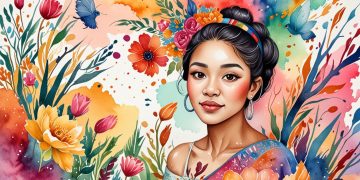
Artistic Expression and Cultural Diversity: Celebrating Identities Through Multicultural Creative Projects

Artistic expression plays a crucial role in celebrating cultural diversity and fostering community identities. By engaging in multicultural creative projects, individuals share unique stories, enhance understanding, and promote inclusivity. These initiatives contribute to a richer cultural landscape, bridging divides through shared experiences and collaborative art forms.

The Importance of Art in Education: How Creative Hobbies Can Revolutionize Learning in Schools

Art in education enhances learning by fostering creativity, critical thinking, and emotional intelligence. Integrating creative hobbies into curriculums leads to improved academic performance and engagement, promotes teamwork, and supports cognitive development. Emphasizing art cultivates a well-rounded educational experience, vital for preparing students for future challenges.

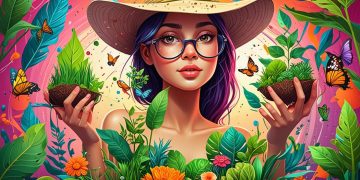
Artistic Expression and Sustainability: Creating Ecological Awareness Through Creative Projects

Artistic expression serves as a powerful tool for sustainability, fostering ecological awareness through innovative community projects, public installations, and educational workshops. By blending creativity with environmental themes, artists inspire dialogue and action, encouraging individuals to reflect on their relationship with nature and advocate for a more sustainable future.

Visual Narratives: The Intersection between Literature and Graphic Art

Visual narratives blend literature and graphic art to create immersive storytelling experiences. This interdisciplinary approach enhances engagement, broadens accessibility, and fosters innovative artistic collaborations. By merging text with visuals, these narratives invite diverse audiences to explore complex themes more effectively, reflecting the evolving landscape of modern storytelling.

The Art of Writing: Transforming Personal Experiences into Creative Literature

This piece explores the art of writing, focusing on how personal experiences can be transformed into compelling literature. It highlights key techniques such as emotional honesty, character development, and reflective revision, empowering writers to create authentic narratives that resonate with readers and foster meaningful connections.

The Interpretation of Characters: Techniques to Bring Protagonists to Life in Your Texts

Crafting engaging protagonists is essential in storytelling, as it draws readers into the narrative. Techniques such as backstory development, balancing flaws and strengths, and dynamic dialogue enhance character depth and relatability. By exploring these strategies, writers create multifaceted protagonists that resonate emotionally, enriching the reading experience.

Telling Stories through Personal Diaries: A Path to Self-Discovery and Creativity

Personal diaries unlock paths to self-discovery and creativity by fostering emotional clarity and reflection. Through journaling, individuals explore their narratives, identify patterns, and nurture their artistic impulses. This transformative practice nurtures personal growth, inspiring innovative thinking and deeper self-understanding. Embrace your journey of storytelling through writing.

Developing Imaginary Worlds: Techniques for Creating Cohesive Universes in Literary Works

Creating cohesive imaginary worlds in literature requires a blend of structured techniques and imaginative detail. Key elements like world rules, cultures, history, and interconnecting narratives enhance authenticity and engagement. By incorporating realistic dynamics, authors can craft immersive universes that captivate readers and foster lasting connections.

Collective Writing: How Collaboration in Literary Projects Can Stimulate Creativity

Collaboration in literary projects enhances creativity by merging diverse perspectives, fostering motivation, and facilitating skill sharing. Collective writing cultivates a supportive community that transforms individual ideas into rich narratives, breaking conventional boundaries. Embracing these collaborative approaches can inspire innovative storytelling and strengthen connections among writers globally.

The Influence of the Classics on the Creation of New Narratives: Learning from the Masters of Literature

This article explores how classic literature influences new narratives, shaping themes, character development, and narrative structures. By examining timeless works, modern authors draw inspiration to innovate storytelling techniques, creating a dialogue between past and present. Understanding these literary foundations enriches contemporary writing and offers profound insights into the human experience.