
Artistic Expression and Sustainability: Creating Ecological Awareness Through Creative Projects
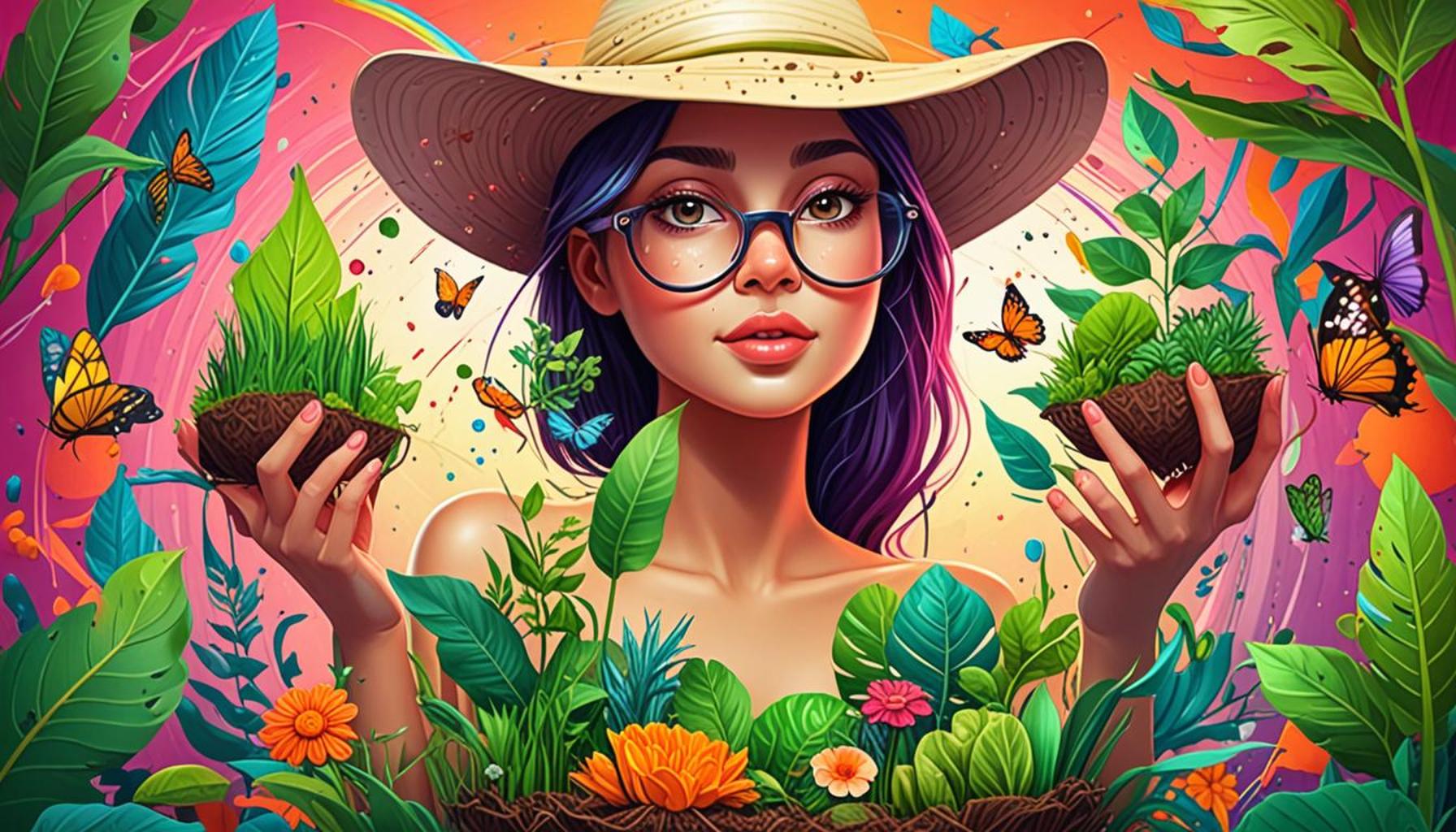
Art as a Catalyst for Environmental Change
In an era marked by pressing environmental concerns, the intersection of artistic expression and sustainability has emerged as a powerful medium for advocacy. Artists across the globe are embracing innovative approaches to engage communities and raise ecological awareness. Through creative projects, they are not just expressing their visions but also sparking meaningful conversations about our planet.
One prominent avenue for this intersection is through public installations. These artistic expressions are strategically placed in urban landscapes to capture the public’s attention. For instance, the “Trash Isles” project, which turned a float of plastic waste in the Pacific Ocean into a country recognized by the United Nations, highlighted the overwhelming issue of ocean pollution. Such installations not only serve as conversation starters but also prompt passersby to reflect on their personal impact on the environment. By transforming everyday spaces into a canvas for change, artists can evoke emotional responses that statistics alone may not achieve.
- Public Installations: Transforming urban spaces with thought-provoking art that highlights environmental issues, such as climate change and waste management. Recent examples include murals that depict endangered species or installations made from recycled materials that encourage viewers to rethink their waste habits.
- Workshops: Organizing hands-on sessions that educate participants about sustainable practices while allowing them to express themselves creatively. Through activities such as upcycling sessions, participants learn not only about sustainability but also craft personalized art that resonates deeply with them.
- Collaborative Projects: Engaging local communities in artistic endeavors that involve recycled materials, leading to both art and awareness. Initiatives like community garbage sculptures not only beautify neighborhoods but also bring together residents to collectively address the problem of litter.
These projects not only beautify spaces but also serve as a call to action. They remind us that creativity can drive change by fostering a collective responsibility toward the environment. In the United States, initiatives from coast to coast are demonstrating how art can be a catalyst for ecological stewardship. For example, the “Green Cities” project in Portland, Oregon, integrates nature and urban design through artistic landscapes that replace traditional concrete and asphalt with green spaces and art installations, promoting biodiversity and sustainability.
As we dive deeper into this topic, we will explore how artists are bridging the gap between aesthetic pleasure and ecological impact. Through social media campaigns, storytelling, and visual art forms, they inspire individuals to rethink their relationship with nature while igniting a passion for sustainability. The power of art as an advocate for a healthier planet is undeniable, urging us to act not just as witnesses but as active participants in the conservation movement.
DISCOVER MORE: Click here to learn about the benefits of craft activities for mindfulness

Creative Pathways to Ecological Engagement
As we delve into the intricate relationship between artistic expression and sustainability, it becomes evident that creativity offers a unique lens through which we can address environmental challenges. Creative projects have the remarkable ability to not only engage audiences but also beckon them to reflect on their environmental responsibilities. By blending artistic vision with ecological themes, artists are crafting narratives that encourage introspection and generate discussion about our interactions with the planet.
One of the most impactful forms of artistic expression in this arena is through community art projects. These initiatives invite individuals to collaborate on art pieces that illuminate local environmental issues. For example, community-led murals of wildlife native to the area can emphasize the beauty of local biodiversity while simultaneously addressing threats such as urban expansion and pollution. Furthermore, these projects foster a sense of belonging and empowerment, reminding participants that they play an integral role in shaping their environment.
- Environmental Installations: Artists are utilizing natural elements and sustainable materials to create installations that raise awareness of ecological issues. An example includes the “Iceberg” installation by artist Jeroen Worrell, which showcased the stark realities of climate change through a large ice block positioned in a public space, melting over time to symbolize the urgent need for climate action.
- Performance Art: This form of art is unique in its ability to evoke immediate emotional responses. For instance, performances that incorporate the sounds of nature juxtaposed with urban noise can highlight the stark contrast between ecological serenity and environmental degradation, challenging spectators to consider the soundscape of their own surroundings.
- Art Competitions: Initiatives like the “Earth Day Art Contest” motivate artists to create works that reflect on sustainability themes. This not only promotes artistic expression but also involves the community in the quest for ecological stewardship by showcasing diverse perspectives on environmental issues.
Moreover, artists are increasingly harnessing the power of social media to amplify their messages about sustainability. Platforms like Instagram and TikTok serve as launch pads for creative videos and visual art that resonate with audiences worldwide. These digital endeavors often include hashtags aimed at raising ecological awareness, sparking conversations on how individuals can contribute to sustainability efforts. For example, artists using the #TrashTag challenge initially encouraged participants to clean up littered areas and share their transformative before-and-after images, effectively merging community action with visual storytelling.
By disseminating their work through these channels, artists can reach vast audiences, bridging gaps in knowledge and inspiring outreach efforts—a testament to the potential of artistic expression as a tool for ecological awareness. As this movement gains momentum, it reveals a synergy between art and activism, teaching us that beauty and conservation can indeed coexist.
| Advantage | Description |
|---|---|
| Community Engagement | Artistic projects foster a sense of belonging, encouraging individuals to collaborate on environmental initiatives. |
| Educational Impact | Creative expressions serve as powerful educational tools, using art to illuminate ecological issues in an easily digestible format. |
Through the lens of artistic expression, projects aimed at raising ecological awareness offer unique opportunities for innovation and community involvement. By utilizing various mediums, from visual arts to performance, creators are able to address sustainability in captivating, relatable ways. This multifaceted approach not only makes the subject matter more accessible but also invites the public to participate in the conversation surrounding environmental stewardship. Furthermore, the fusion of art and activism can lead to significant social change. Engaging the community through workshops, exhibitions, and public installations can spark dialogue and fuel passion around sustainability initiatives. Individuals are inspired to reflect on their relationship with the environment and are often motivated to take actionable steps toward positive change. Such endeavors not only highlight the pressing ecological issues but also celebrate the transformative power of creativity in fostering a more sustainable future.
DISCOVER MORE: Click here for insights on turning your passion into profit
The Role of Education in Artistic Environmental Initiatives
Education plays a pivotal role in bridging the gap between artistic expression and sustainability, enabling individuals to understand and engage with ecological issues creatively. Schools, universities, and community organizations are increasingly recognizing the value of integrating arts with environmental science curricula. This interdisciplinary approach encourages students to explore ecological concepts through various artistic mediums, fostering a deeper connection to their environment.
Artistic workshops that focus on themes like upcycling or creating art from recycled materials serve as effective platforms for ecological education. By transforming discarded items into art, participants not only acquire practical skills but also grasp the impact of consumption patterns on the planet. For example, the “Recycled Art Project” launched in various U.S. schools has demonstrated how students can sculpt remarkable pieces from plastic waste, igniting discussions around the implications of single-use plastics. This initiative not only enhances creativity but also serves as a hands-on educational experience that aligns with sustainability goals.
- Public Art Initiatives: Museums and galleries are hosting exhibitions that highlight environmental concerns through artistic lenses. Noteworthy exhibitions like “The Sea Around Us” have presented works that explore marine ecosystems, raising awareness of ocean conservation issues. Cultural institutions can amplify these messages by collaborating with local artists, thereby intertwining community involvement with environmental education.
- Art in Nature: Programs such as the “Art and Nature Foundation” focus on outdoor art installations, encouraging individuals to connect directly with the landscape they inhabit. By creating art in natural settings, participants cultivate an appreciation for the environment while drawing attention to its fragility. Such experiences emphasize the intrinsic relationship between creativity and ecological preservation.
- Storytelling and Science: The merging of narrative techniques with scientific facts is another innovative educational strategy. Artists are collaborating with scientists to develop creative materials that present complex ecological issues in engaging formats. For instance, illustrated tales that depict the life cycle of endangered species not only entertain but educate young audiences, fostering guardianship of these vulnerable populations.
Furthermore, the current rise of eco-art therapy programs is significant. These initiatives leverage the therapeutic benefits of artistic activities to enhance mental well-being while promoting environmental stewardship. Participants find solace and healing in nature as they create art, reflecting on their relationships with the earth. Research indicates that interactions with nature can markedly reduce stress levels, encouraging individuals to become advocates for conservation efforts. Through eco-art therapy, communities reframe their perspectives on sustainability as a holistic experience that nurtures both personal and environmental health.
In addition to formal education and art therapy, public demonstrations and festivals dedicated to artistic expression and sustainability serve as vibrant platforms for ecological awareness. Events such as the “Sustainable Arts Festival” feature performances, installations, and workshops aimed at celebrating eco-friendly practices. These gatherings not only inspire attendees but also create a sense of urgency around addressing pressing environmental issues—an outcome that is crucial in a time when ecological mindfulness is more important than ever.
As citizens engage with these creative endeavors, they become part of a larger discourse surrounding sustainability, equipped with the tools to advocate for ecological integrity. The intertwining of artistic expression and sustainability is paving new paths for understanding our place within the natural world and our responsibilities toward its future.
DISCOVER MORE: Click here to delve deeper
Final Thoughts on Artistic Expression and Sustainability
In conclusion, the intersection of artistic expression and sustainability represents a vital avenue for fostering ecological awareness, creating a shared narrative that emphasizes our relationship with the Earth. The innovative strategies employed in educational settings, public art initiatives, and eco-art therapy underscore the transformative potential of creativity in confronting pressing environmental challenges. Through interactive workshops and community-based projects, individuals are empowered not only to express their creativity but also to become informed advocates for sustainability.
As we navigate an era where environmental crises are increasingly pervasive, leveraging the power of art can inspire collective action. Celebrating the beauty of nature through artistic endeavors draws communities closer, encouraging a sense of ownership and responsibility toward their local ecosystems. Events like the “Sustainable Arts Festival” exemplify how the arts can elevate consciousness and motivate action, engaging diverse audiences in dialogue about conservation.
Moreover, this fusion of art and sustainability fosters a deeper understanding of complex ecological issues, turning abstract concepts into tangible experiences that resonate on a personal level. By highlighting the impact of human choices on the planet, we can collectively cultivate a culture of sustainability that is as dynamic as it is essential. As we continue to explore this interdisciplinary space, the call for creativity in ecological advocacy becomes ever more clear: art not only reflects our world but can fundamentally reshape it for the better.