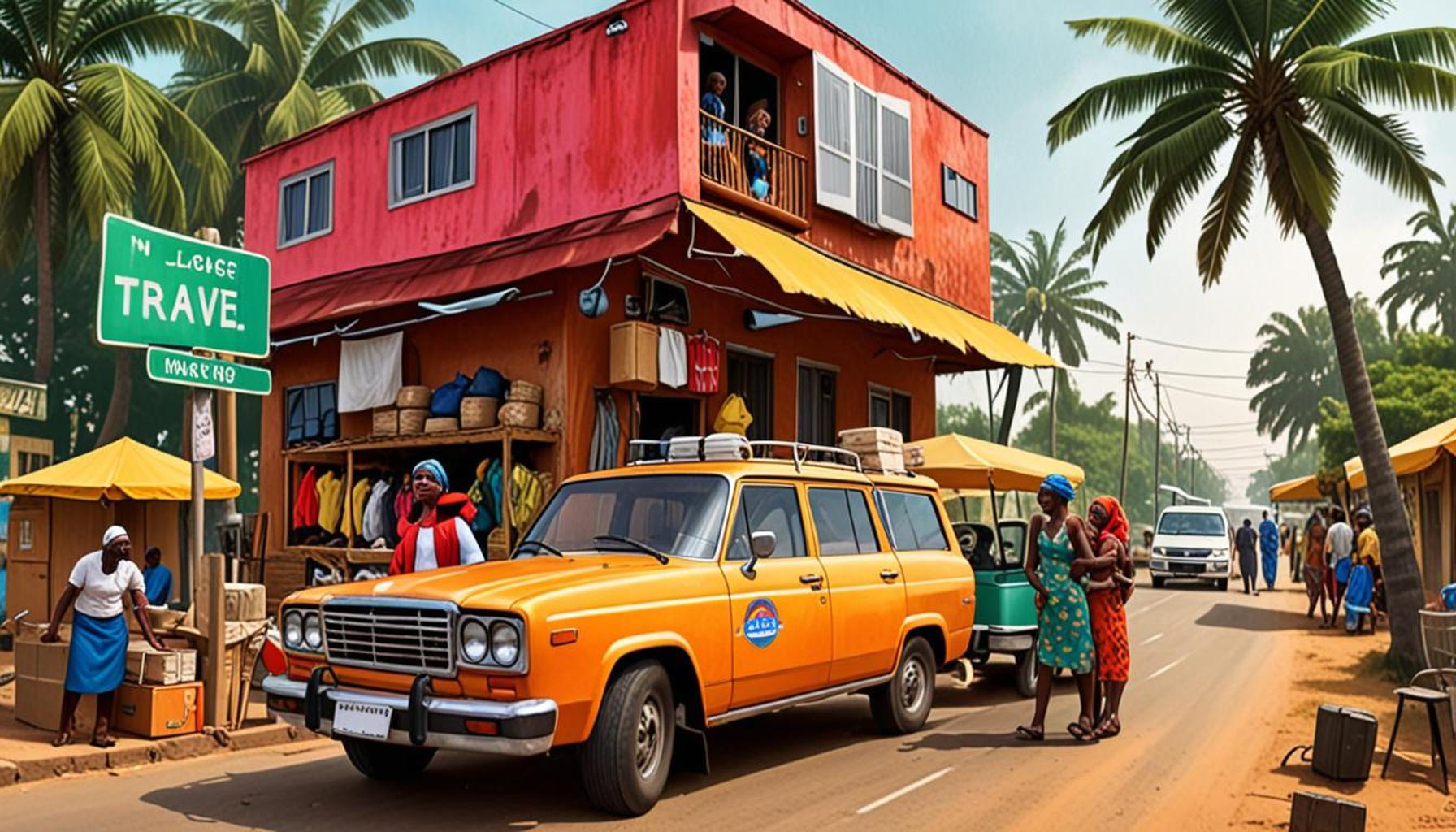
Accessibility and Inclusion: Planning Tourist Itineraries for Everyone in Nigeria
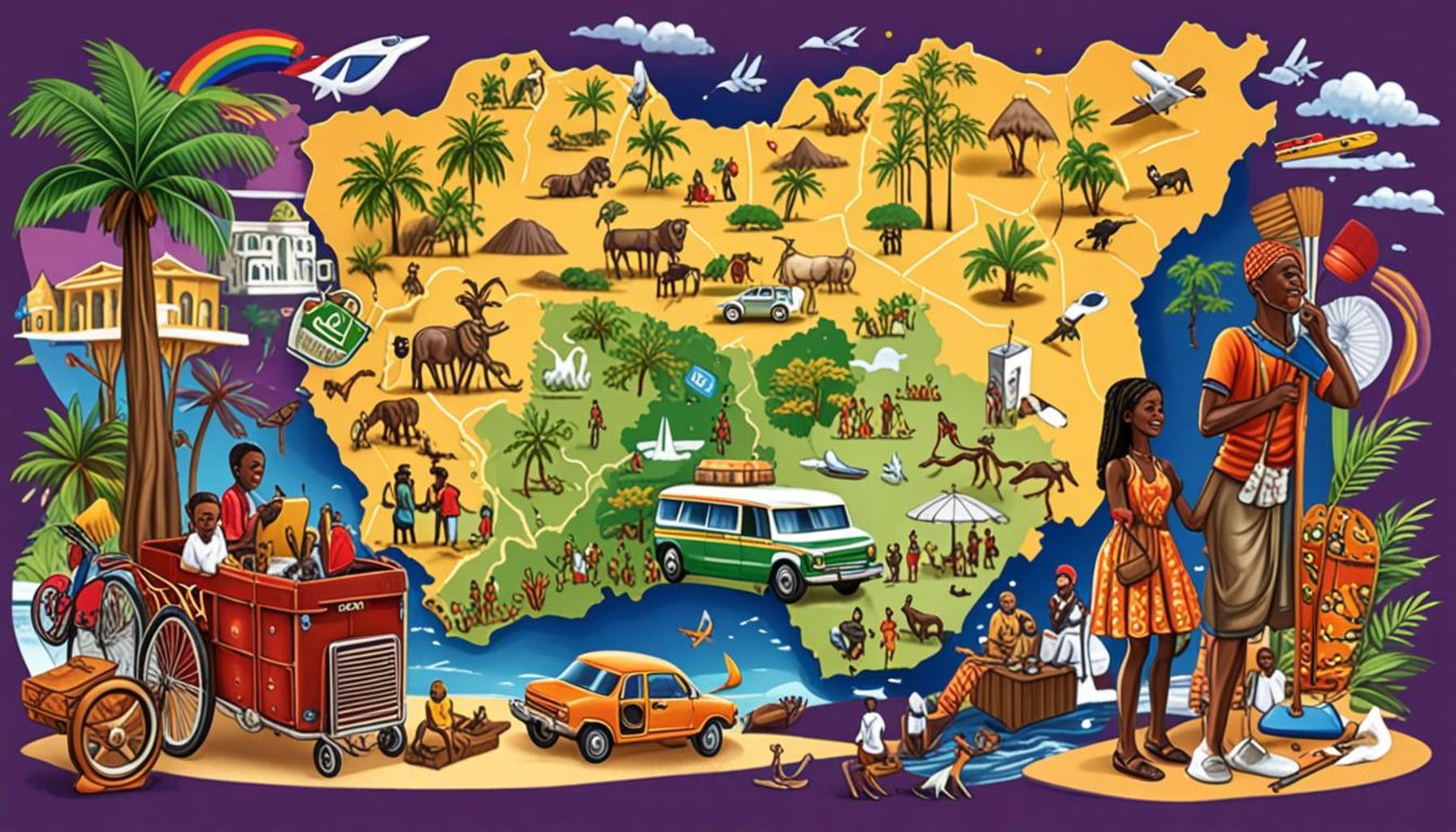
Understanding the Importance of Inclusive Travel in Nigeria
As Nigeria emerges on the global tourism stage, there is a pivotal shift towards ensuring that travel is not just an experience for some, but an opportunity accessible to all. At the heart of this transformation lies a commitment to inclusivity, which frames how destinations are developed and marketed. It is no longer a luxury, but a necessity, to create an environment where every traveler can explore, learn, and enjoy the rich tapestry of cultures that Nigeria has to offer.
Why is Inclusive Tourism Vital?
When contemplating the nuances of travel within Nigeria, it becomes clear that the significance of inclusive tourism is robustly tied to several elements:
- Diverse Needs: Every traveler comes with unique physical abilities and requirements. For instance, a person in a wheelchair might find it challenging to navigate traditional travel routes that are not designed with accessibility in mind. This underscores the need for modifications in transportation, hotels, and attractions to ensure everyone can participate fully.
- A Suite of Attractions: Nigeria boasts a diversity of attractions ranging from the tranquil Obudu Mountain Resort in Cross River State to the vibrant cultural festivals in Lagos. Making these destinations accessible not only enhances the visitor experience but also broadens economic opportunities for local communities by attracting a wider audience.
- Cultural Sensitivity: Inclusivity encourages the appreciation and interaction among various communities. By promoting accessibility, tourism can foster a sense of belonging and respect, ensuring that economic benefits trickle down to all segments of society, from artisans in rural areas to urban hotel staff.
Accessible Travel as a Human Right
The push for accessible travel is a step forward in recognizing the rights of all individuals to explore and engage with different cultures. For example, the Nigerian government and private sectors can collaborate to ensure public transport systems, roads, and tourist info centers are equipped with necessary facilities. Equipped tour guides trained in accessibility needs can make trips smoother and more enjoyable for everyone.
Practical Steps Towards Inclusivity
To cultivate a truly inclusive tourism environment in Nigeria, several practical steps can be implemented:
- Identifying accessible routes and accommodations throughout major cities and tourist locations. This could include updating infrastructure, such as ramps in shopping centers and accessible restrooms.
- Incorporating diverse cultural experiences that accommodate all forms of disabilities. This could involve offering sign language interpreters at festivals or sensory-friendly events for neurodiverse individuals.
- Engaging local communities in the promotion of accessibility. Residents can offer insights into how best to make attractions welcoming to everyone, ensuring that tourism development aligns with community values and needs.
As we embrace the concept of accessibility and inclusion in Nigerian tourism, we open up new opportunities not just for travelers, but for thriving local economies. By understanding these dynamics, Nigeria could emerge as a pioneering model for inclusive travel across Africa, inviting the world to not only visit Nigeria but to connect with its people, culture, and stunning landscapes in meaningful ways.

LEARN MORE: This related article may interest you
Creating a Framework for Accessible Itineraries
The process of designing accessible tourist itineraries in Nigeria requires a thoughtful and comprehensive framework that caters to the diverse needs of all travelers. To achieve this, stakeholders must align their efforts to ensure that each segment of the journey—be it transportation, lodging, dining, or attractions—offers inclusivity at its core.
Transport Accessibility
One of the critical aspects of planning accessible itineraries is the transportation system. Cities like Lagos and Abuja, known for their hustle and bustle, should enhance their public transportation infrastructure to cater to individuals with varying accessibility requirements. For instance, introducing wheelchair-friendly buses and ensuring that stations have ramps and elevators can significantly improve mobility for disabled travelers. Furthermore, ride-sharing services could implement features such as in-app notifications indicating which vehicles are equipped for individuals with special needs.
Accommodations: More Than Just a Room
When it comes to accommodations, hotels and guest houses must embrace the principle of universal design. This involves providing features such as accessible entrances, elevators, and rooms equipped with safety bars and visual alarms. By promoting these amenities, businesses not only enhance the comfort of their guests but also tap into a market that craves inclusivity. Conducting regular audits of facilities can ensure that they meet necessary accessibility standards and provide equal service to all.
Attractions That Welcome All
In Nigeria, tourist attractions like the historic Olumo Rock in Abeokuta or the serene Lekki Conservation Centre in Lagos must prioritize accessibility to engage visitors actively. Implementing inclusive practices can mean offering guided tours that accommodate various disabilities or developing accessible paths and viewing platforms. These enhancements not only cater to tourists but also enrich their experiences, fostering a deeper connection to Nigeria’s cultural heritage.
Dining and Culinary Experiences
- Menu Accessibility: Restaurants should ensure menus featuring large prints and braille to facilitate easy reading for all diners.
- Seating Arrangements: Establishments must provide adjustable seating options for individuals with mobility challenges, allowing for comfortable dining experiences.
- Staff Training: Waitstaff should be trained in sensitivity and awareness towards disabled patrons, ensuring seamless service that respects all guests’ needs.
As we push forward, it is vital to recognize that promoting accessibility and inclusion within the tourism sector is a collective responsibility. With a coordinated effort among government agencies, local businesses, and communities, Nigeria can set an example of what true inclusivity in tourism looks like. By focusing on creating itineraries that everyone can enjoy, Nigeria not only invites travelers but also celebrates the unique stories and experiences that bind its people and cultures together.
| Category | Description |
|---|---|
| Universal Design | A focus on universal design ensures that tourist attractions in Nigeria are accessible to everyone, including those with disabilities. This includes well-designed pathways, accessible restrooms, and information in various formats. |
| Community Engagement | Engaging with local communities fosters inclusion and allows for diverse feedback, improving services and resources that cater to both tourists and locals. |
| Cultural Sensitivity | Understanding cultural norms and values is critical. This ensures that itineraries respect local traditions while promoting inclusive tourism experiences. |
| Policy Engagement | Advocating for policies that support accessible tourism can lead to systemic changes that improve facilities and resources across Nigeria, benefiting all tourists. |
RECOMMENDED: Check out this similar article
Empowering Local Communities and Promoting Awareness
To truly embrace accessibility and inclusion in tourism, Nigeria must extend its focus beyond infrastructure enhancements to empower local communities. By actively involving individuals with disabilities in tourism planning and decision-making processes, businesses can foster a culture that prioritizes accessibility, benefiting everyone. Additionally, encouraging local communities to be part of the tourism narrative can help showcase their unique contributions while promoting diversity.
Community Involvement in Tourism Initiatives
Local communities possess invaluable insights into the needs and preferences of various traveler demographics. For instance, developing inclusive community-led tours in regions such as the Gurara Waterfalls or in cultural hubs like Juju Music Festivals can offer travelers an authentic experience while ensuring accessibility. These tours can include trained guides who are knowledgeable about accessibility challenges and solutions in their regions, thereby creating a supportive environment for all visitors.
Raising Awareness and Education
Education plays a pivotal role in enhancing accessibility in the tourism sector. Workshops and training sessions aimed at local businesses can equip them with the knowledge needed to cater to diverse needs effectively. For example, educating restaurant owners about adaptive dining solutions or guiding hotels on how to overcome common accessibility barriers can help foster a culture of inclusivity.
Moreover, public awareness campaigns should highlight the importance of accessibility in tourism. Using various media channels, stakeholders can share stories of travelers with disabilities who have enjoyed enriching experiences in Nigeria. By showcasing these narratives, potential visitors can see firsthand how tailored itineraries enhance travel opportunities for everyone, encouraging more inclusive practices across the board.
Legislative Support and Policy Formulation
While grassroots initiatives are essential, there must also be legislative frameworks that support accessibility and inclusion. The Nigerian government can play a significant role in enforcing regulations that mandate accessibility standards in public spaces, accommodations, and tourist attractions. Implementing policies similar to the Americans with Disabilities Act (ADA) can create a more conducive environment for individuals with disabilities in Nigeria.
Furthermore, partnerships between governmental bodies and non-profit organizations can facilitate funding and resources for accessibility projects. Such collaborations can lead to innovative solutions, ensuring that improvements happen efficiently and inclusively.
Technology as a Tool for Inclusivity
The digital age offers new opportunities to enhance accessibility through technology. Mobile applications designed to provide real-time information about accessible routes, services, and facilities can empower disabled travelers and their companions. Furthermore, websites that offer virtual tours or information in accessible formats cater to a broader audience by breaking down existing barriers to information.
As Nigeria gears up to host more international tourists, adopting a proactive approach to accessibility will change the landscape of its tourism sector. By fostering an environment where everyone, regardless of their abilities, can explore and engage with the rich tapestry of Nigerian culture, the country not only enhances its tourism appeal but also nurtures a more inclusive society.
ADDITIONAL INSIGHTS: Expand your understanding here
Conclusion
In conclusion, prioritizing accessibility and inclusion in Nigeria’s tourism planning is not merely a choice but a necessity. As the potential for growth and diversity in the tourism sector becomes increasingly evident, it is essential to implement strategies that cater to all travelers, including those with disabilities. This commitment can transform Nigeria’s rich cultural landscape into a welcoming haven for everyone.
By fostering community involvement in tourism initiatives, exploring diverse experiences, and elevating local voices, stakeholders can help create itineraries that reflect the vibrant mosaic of Nigerian heritage. Education and awareness campaigns are crucial in shaping attitudes towards inclusivity, while legislative support ensures that such efforts are protected and sustained. The role of technology cannot be overlooked; innovative solutions promise to break down barriers and enhance accessibility, making travel planning seamless for all.
As Nigeria positions itself on the global tourism map, it must embrace a comprehensive approach that recognizes the unique needs of every traveler. By doing so, not only can the nation enhance its tourism appeal, but it can also pave the way toward a more equitable society. Ultimately, inclusivity in tourism is about enriching experiences, fostering understanding, and, most importantly, ensuring that everyone has the opportunity to explore the beauty and diversity that Nigeria has to offer. The journey towards a more accessible future is one that benefits all, creating lasting memories for generations to come.