Environmental Enrichment: An Approach to Improve Pet Behavior and Health
Why Your Pet’s Environment Matters More Than You Think
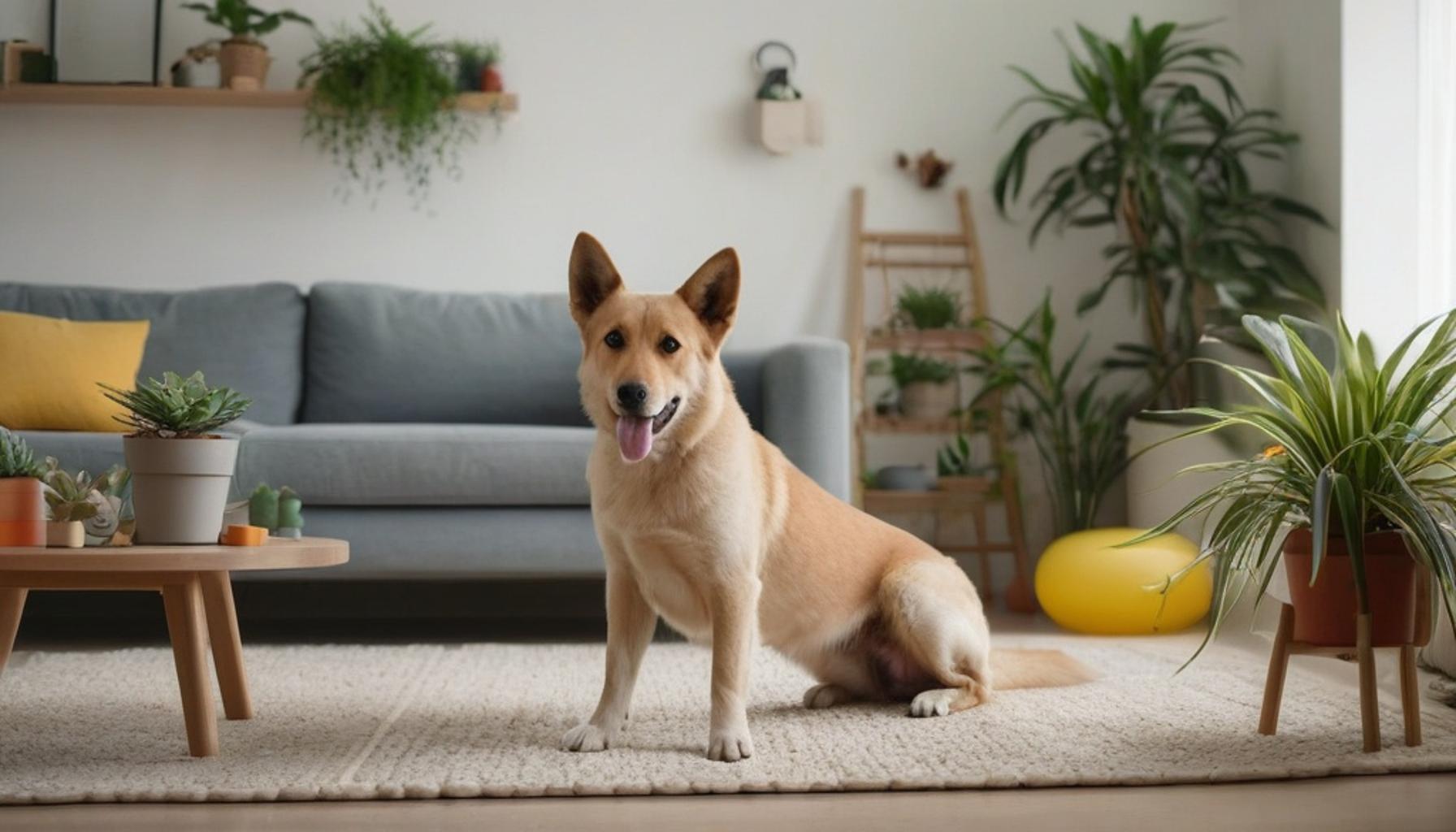
Picture a dog pacing endlessly in a small Lagos compound or a cat staring blankly at the same four walls all day. This is more common in Nigerian homes than many pet owners realize, and it comes with real consequences.
Environmental Enrichment for Pets is emerging as a practical, science-backed solution to this everyday problem. It simply means designing a pet’s surroundings to stimulate their senses, mind, and body.
In many Nigerian compounds, pets spend the bulk of their day confined to a corner, a cage, or a small yard with nothing to occupy their attention. This is not unique to any one city or state. From Abuja apartments to Port Harcourt bungalows, the story repeats itself: a pet is fed, occasionally walked, and left alone for long stretches with no mental stimulation whatsoever. Over time, this lack of engagement takes a toll that many owners fail to connect to the animal’s environment.
Veterinary behaviorists across Africa report that bored pets are more likely to develop destructive habits. Some documented issues include:
- Excessive barking or meowing
- Chewing furniture or personal items
- Aggression toward family members or other animals
- Weight gain from inactivity
- Anxiety-related pacing or self-harm
These are not simply quirks of a “difficult” animal. Many veterinarians now argue that such behaviors are the direct result of an under-stimulated mind trapped in a repetitive, uneventful space. A dog that chews through a sofa is not necessarily disobedient; it may be desperately seeking an outlet for pent-up energy and curiosity. Similarly, a cat that scratches at doors or knocks items off shelves could be signaling that its environment offers too little to explore.
The good news? These behaviors are often reversible with the right pet care strategies. This shift in understanding has significant implications for how Nigerian pet owners approach daily care, moving beyond just food and shelter toward a more holistic view of animal wellbeing.
What This Article Will Explore
This guide breaks down how to improve pet behavior using simple, budget-friendly techniques suited to Nigerian households. You’ll discover practical activities for pets in Nigeria, from homemade puzzle feeders to safe outdoor exploration ideas that work even in compact urban compounds.
We’ll also unpack the surprising benefits of environmental enrichment, including improved digestion, stronger immunity, and better sleep patterns in animals. Research from veterinary institutions suggests that stimulated pets often show measurable improvements in stress hormone levels within weeks. Along the way, expect actionable pet health tips backed by veterinary research and adapted for the realities of Nigerian pet ownership, where imported enrichment toys may be costly or hard to find.
Whether you own a dog, cat, or even a rabbit, the strategies ahead could transform how your pet thinks, feels, and behaves, offering a fresh perspective on what it truly means to care for an animal.
The Science Behind Environmental Enrichment for Pets
To understand why Environmental Enrichment for Pets works, it helps to look at where our domestic animals come from. Dogs descend from wolves that once roamed vast territories, solving problems to survive, tracking scents across kilometers, and negotiating complex social hierarchies within their packs. Cats evolved as solitary hunters, wired to stalk, pounce, and investigate every rustle in the grass, spending hours each day on predatory behavior even when food was not guaranteed. When these instincts have nowhere to go, the mind does not simply switch off.
Instead, it looks for an outlet, and often finds one in ways owners consider “bad behavior.” Veterinary researchers describe this as an animal’s attempt to cope with an environment that fails to match its biological needs. A dog that chews through slippers or a cat that shreds curtains is not being spiteful; it is compensating for a void that its ancestors never had to deal with.
How Boredom Shows Up in the Body, Not Just Behavior
Enrichment is not just about entertainment. Studies from animal welfare organizations show that under-stimulated pets often experience elevated cortisol, the primary stress hormone, even when they appear physically healthy on the surface. This has knock-on effects that many Nigerian pet owners never link back to environment, mistaking the symptoms for unrelated health issues.
- Slower wound healing due to chronic stress
- Digestive upsets, including irregular appetite or diarrhea
- Weakened immune response, making pets more prone to infections
- Disrupted sleep cycles, leading to restlessness at night
- Shortened attention span and difficulty during training
- Increased aggression or excessive barking, particularly around unfamiliar visitors
This is where the benefits of environmental enrichment become measurable rather than theoretical. A dog given daily mental challenges, for instance, typically settles faster after exercise and shows fewer signs of hypervigilance around visitors, a common issue in Nigerian homes with frequent guests and gate activity. Some veterinarians even report that enriched animals recover faster from minor illnesses, suggesting a direct link between mental stimulation and physical resilience.
Interestingly, this connection between stress and health mirrors patterns observed in human psychology, where prolonged boredom or understimulation has been tied to anxiety and reduced cognitive performance. Pets, much like people, appear to need a certain level of unpredictability and challenge to remain balanced.
Why This Matters for Nigerian Households Specifically
Many Nigerian compounds are designed for security and function rather than animal stimulation. Concrete floors, metal gates, and limited greenery create a sensory-flat world for pets. Add extreme heat during dry season months, and outdoor exploration becomes even more limited, sometimes to just early morning or evening hours when temperatures are more bearable.
This makes indoor pet care strategies especially relevant. Unlike countries with sprawling parks and dog daycare centers, Nigerian pet owners often need to get creative within tight spatial and financial constraints. Fortunately, enrichment does not require imported equipment or expensive subscriptions that many households simply cannot justify.
Simple household items, hidden treats, and rotating access to different rooms or textures can achieve similar results to commercial enrichment kits sold abroad. Cardboard boxes, old fabric, and even carefully supervised kitchen scraps can be repurposed into puzzle-like challenges. The goal is consistent sensory and mental engagement, not costly gadgets.
Understanding this shifts enrichment from a luxury concept into something every Nigerian household can realistically apply, regardless of income or living space. As awareness grows, more pet owners across cities like Lagos, Abuja, and Port Harcourt are beginning to notice the difference a stimulated pet displays compared to one left to simply exist within four walls.

SEE ALSO: Nutritional Care as a Tool for Prevention and Behavioral Management in Dogs and Cats
Practical Enrichment Strategies for Different Nigerian Living Spaces
Not every household in Lagos or Kano has a backyard, and not every dog in Abuja gets to run freely without a leash. Environmental Enrichment for Pets has to be adapted to reality, not to an idealized version of pet ownership seen in foreign magazines. The good news is that enrichment scales well, whether a pet lives in a two-bedroom flat in Yaba or a large compound in Enugu. What matters most is consistency, creativity, and an understanding that stimulation does not require expensive imported gadgets to be effective.
Enrichment for Apartment and Flat Dwellers
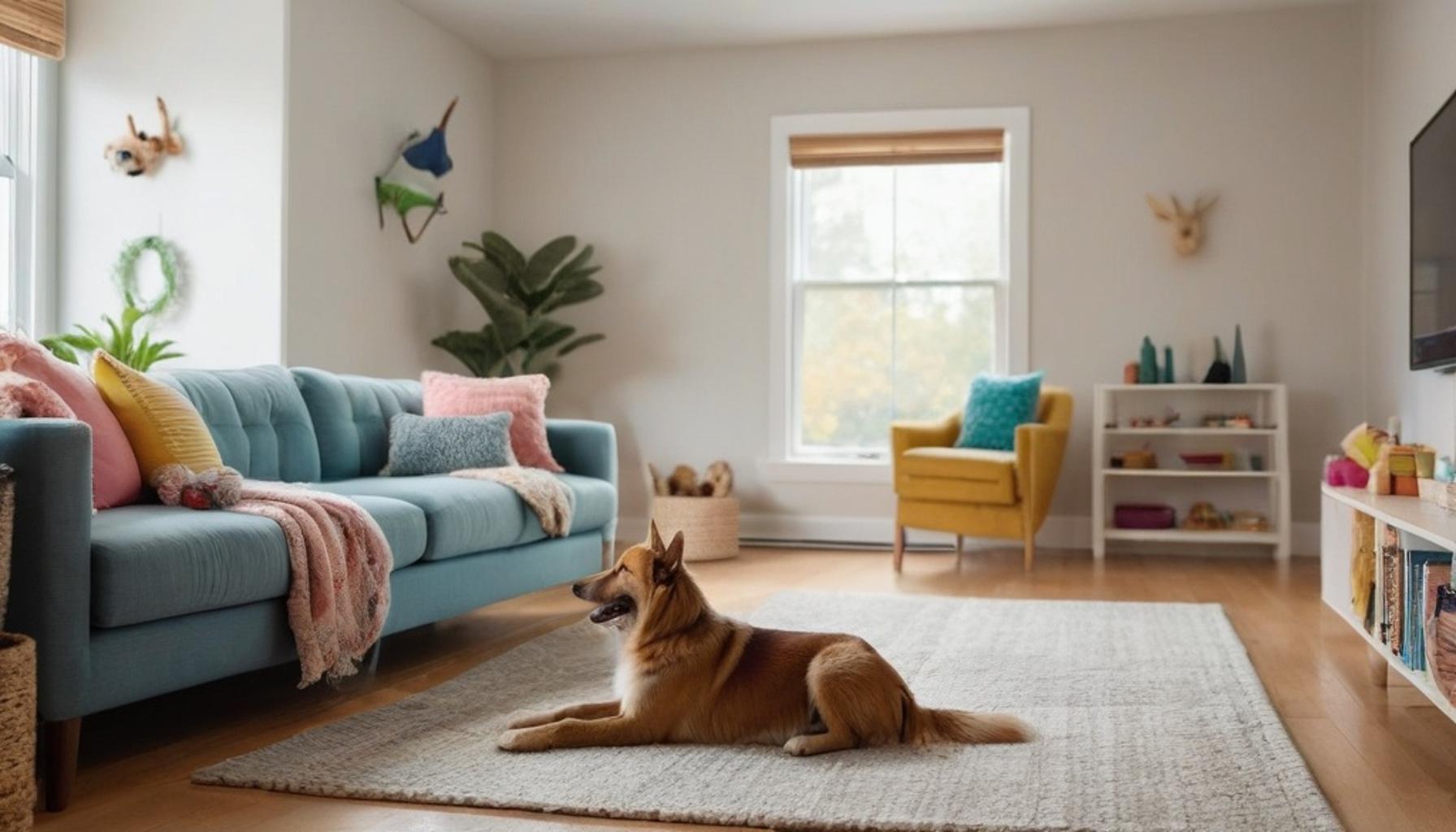
Space constraints do not eliminate the need for stimulation; they simply demand smarter use of available area. Vertical space, often ignored, becomes valuable here. Cats particularly benefit from shelves, window perches, or even a stable wardrobe top where they can observe their surroundings from a height, satisfying an instinct rooted in tree-dwelling ancestors. Owners in cities like Port Harcourt and Ibadan, where flats are common, have discovered that a simple repositioning of furniture can transform a cramped living room into a multi-level playground.
- Rotate two or three toys weekly instead of leaving everything out permanently
- Use narrow corridors for short scent-trail games with treats
- Introduce a scratching post positioned near a window for visual stimulation
- Freeze treats inside ice cubes during hot afternoons for slow, engaging snacking
These small adjustments directly support the benefits of environmental enrichment, particularly for pets confined indoors for long stretches during the day while owners are at work. Many Nigerian professionals leave home before sunrise and return well after dark, meaning pets are often left alone for eight hours or more. Without deliberate enrichment, this isolation can translate into anxiety, excessive vocalization, or destructive scratching, all of which are preventable with a little planning.
Enrichment for Compound Homes with Outdoor Access
Households with more outdoor space face a different challenge: predictability. A dog that walks the same compound route every single day, sniffing identical corners, eventually stops processing it as stimulating. Researchers studying canine cognition note that scent novelty matters more than distance covered, meaning a short walk through varied terrain often engages a dog’s brain more than a long walk through familiar ground. This finding challenges the common assumption that longer walks automatically mean happier, more satisfied pets.
This is where creative activities for pets in Nigeria come into play, tailored to local materials and climate realities. Compound owners in places like Jos or Kaduna, where temperatures and terrain differ significantly from the coastal south, can adjust these ideas according to their environment.
- Rearranging outdoor furniture occasionally to change scent and visual patterns
- Hiding kibble inside old plastic bottles with holes cut into them for treat-dispensing play
- Allowing supervised interaction with safe garden plants and natural textures like sand or gravel
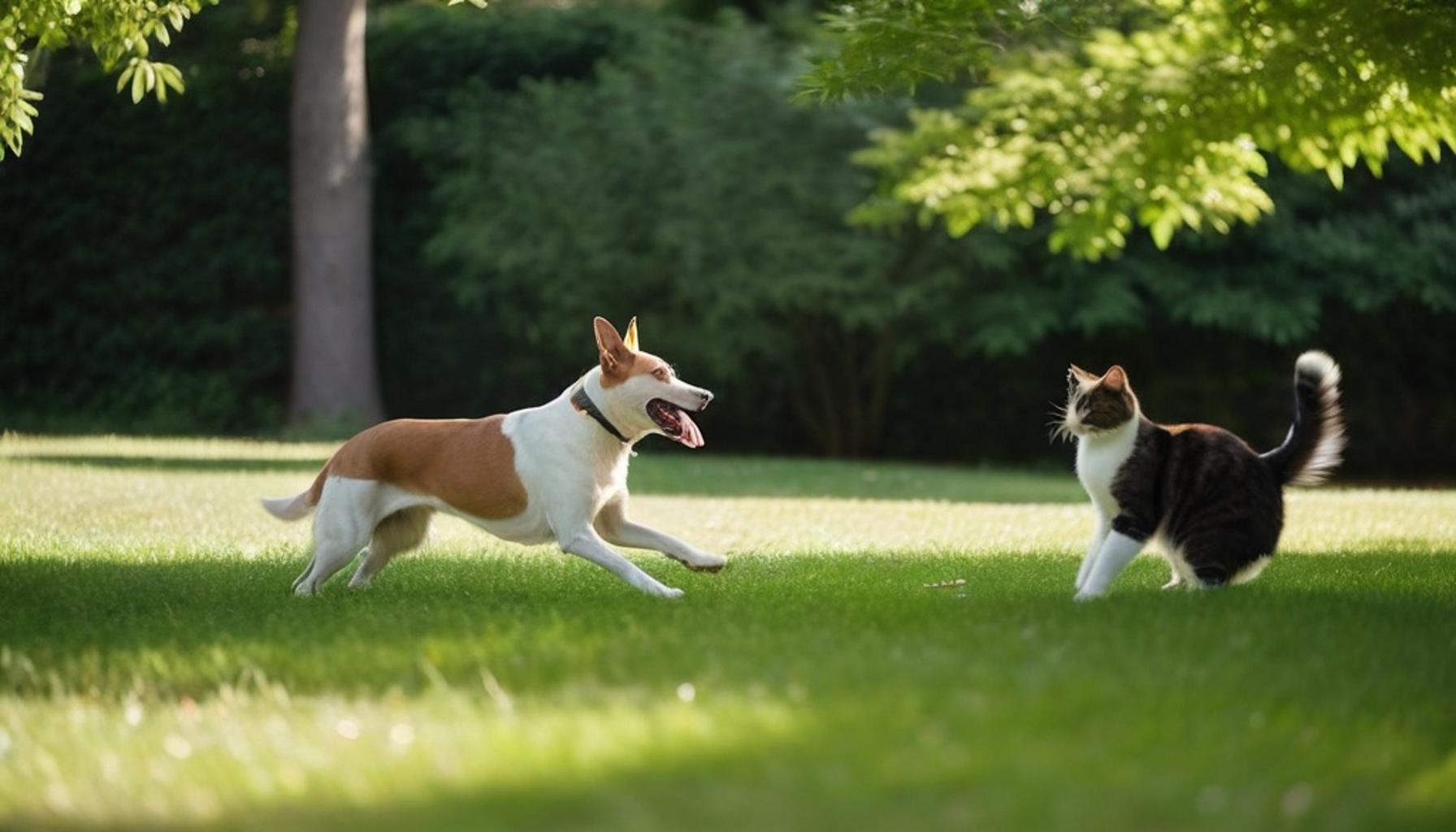
- Introducing controlled meetings with other neighborhood pets to support social stimulation
Veterinary behaviorists estimate that dogs given at least twenty minutes of varied mental engagement daily show noticeably calmer responses to sudden noises, such as generator startups or gate knocks, both extremely common triggers in Nigerian residential areas. This is not a minor detail; households dealing with frequent visitors, deliveries, or noisy neighborhoods often notice a dramatic difference in their pet’s stress levels once mental stimulation becomes a daily habit rather than an occasional treat.
Feeding Time as an Enrichment Opportunity
One of the simplest pet care strategies often overlooked involves feeding routines. Instead of serving meals in a single bowl within seconds, spreading food across multiple locations or using homemade puzzle feeders slows consumption and forces problem-solving. This single change alone has helped many owners reduce destructive chewing, since the pet’s daily mental workload increases without any extra cost involved.
Some Nigerian pet owners have started experimenting with repurposed household items, such as empty yogurt containers or cardboard egg trays, to create makeshift puzzle feeders. These low-cost solutions prove that enrichment is not about how much money is spent, but about how thoughtfully everyday moments, including meal times, are approached. As more households begin to see feeding as an opportunity for engagement rather than a routine chore, the broader conversation around pet wellbeing in Nigeria continues to shift toward practical, sustainable solutions rooted in local realities.
CHECK OUT: Click here to explore more
Rethinking Wellbeing: What Environmental Enrichment Really Means for Nigerian Pet Owners
Across Lagos flats, Enugu compounds, and Kaduna courtyards, one truth remains consistent: Environmental Enrichment for Pets is not a luxury reserved for wealthy households abroad. It is a practical, low-cost approach that any Nigerian pet owner can adopt, regardless of space or budget.
From vertical cat perches to homemade puzzle feeders fashioned out of yogurt containers, the strategies discussed throughout this article prove that stimulation depends far more on creativity than on spending power. A frozen treat, a rearranged shelf, or a short walk through unfamiliar terrain can do more for a pet’s mental state than expensive imported toys ever could.
The benefits of environmental enrichment extend well beyond entertainment. They touch directly on how pets cope with generator noise, unfamiliar visitors, or long hours alone while owners work. Calmer pets mean fewer destroyed shoes, less incessant barking, and noticeably reduced veterinary visits tied to stress-related conditions.
For anyone seeking practical pet health tips, the underlying message is simple: a bored pet is rarely a healthy pet. Mental stimulation and physical wellbeing are deeply connected, and neglecting one eventually affects the other.
As more Nigerian households embrace these pet care strategies, the broader culture around animal ownership continues to evolve. Pets are increasingly seen not just as property to be fed and housed, but as companions with genuine psychological needs.
Whether through varied activities for pets in Nigeria or something as simple as changing where a food bowl sits, small daily choices accumulate into meaningful change over time. The path toward healthier, calmer, more engaged pets does not require reinvention; it requires attention, consistency, and a willingness to see everyday routines as opportunities rather than obligations.
Ultimately, enrichment is less about grand gestures and more about small, deliberate shifts repeated daily until they become second nature for both pet and owner alike.
Frequently Asked Questions
What are affordable environmental enrichment ideas for pets in Nigeria given limited access to imported pet toys?
You can use everyday household items like cardboard boxes, empty plastic bottles filled with treats, and old towels tied into knots for tug play. Local materials such as coconut shells or bamboo pieces can also be repurposed into safe chew toys or puzzle feeders. These options provide mental stimulation and physical activity without the cost of imported products.
Can environmental enrichment help reduce destructive chewing in dogs left alone during long work hours common in Nigerian households?
Yes, providing enrichment like frozen treat-filled containers, scent trails hidden around the compound, or safe chew items before you leave can significantly reduce boredom-driven destruction. Rotating toys weekly also keeps your dog engaged and less likely to target furniture or shoes. Combining this with a short walk before you leave for work further helps burn excess energy.
How does environmental enrichment benefit indoor cats kept for security purposes in Nigerian homes?
Indoor cats used for pest control or companionship benefit from vertical spaces like shelves or cat trees, window perches to watch outdoor activity, and interactive feeders that mimic hunting behavior. This reduces stress-related issues such as excessive meowing or scratching furniture. Enrichment also keeps them physically active despite limited outdoor access.
Is environmental enrichment necessary for poultry or other farm animals kept as pets in Nigerian compounds?
Yes, even farm animals like rabbits, ducks, or chickens kept as pets benefit from enrichment such as dust baths, foraging areas, and varied terrain to explore. This reduces feather pecking, aggression, and stress-related illnesses common in confined spaces. Simple additions like scattered grains or safe vegetation encourage natural behaviors and improve overall health.

Linda Carter
Linda Carter is a writer and pet care expert specializing in pet health, grooming, and wellness. With extensive experience helping pet owners create safe, loving, and enriching environments for their animals, Linda shares her knowledge on our platform. Her goal is to empower readers with practical advice and strategies to ensure their pets thrive and lead joyful, healthy lives.