The Benefits of Musical Improvisation in Creative Hobbies: Unlocking Creativity
Exploring the Benefits of Musical Improvisation
Musical improvisation serves as a vital conduit for enhancing creativity across a spectrum of hobbies and disciplines. As musicians opt for spontaneity over routine, they discover untapped reservoirs of inspiration, unlocking ideas that lie just beneath the surface. This inclination towards improvisation acts not only as an artistic expression but also as an innovative approach that can reinvigorate various personal interests, including visual arts, writing, and dance.
One of the standout advantages of improvisation is its ability to enhance problem-solving skills. When musicians confront unexpected challenges during an impromptu performance, they learn to think on their feet, quickly adapting to the situation at hand. This ability to pivot and reinvent one’s approach is invaluable in everyday life, where obstacles arise unexpectedly. For instance, a painter facing a blank canvas might apply the improvisational mindset by experimenting with disruptive colors and unplanned brush strokes, leading to a dynamic work of art that they might have never conceived in a structured setting.
Moreover, the practice of improvisation significantly boosts confidence. Engaging in the act of creating without premeditated scripts allows individuals to express themselves authentically and fosters a sense of security in their abilities. An example can be seen in community theater groups, where actors often use improvisation exercises to break out of their shells. These activities not only build self-assurance but also liberate participants from the fear of judgment, encouraging them to explore their innate creativity without constraints.
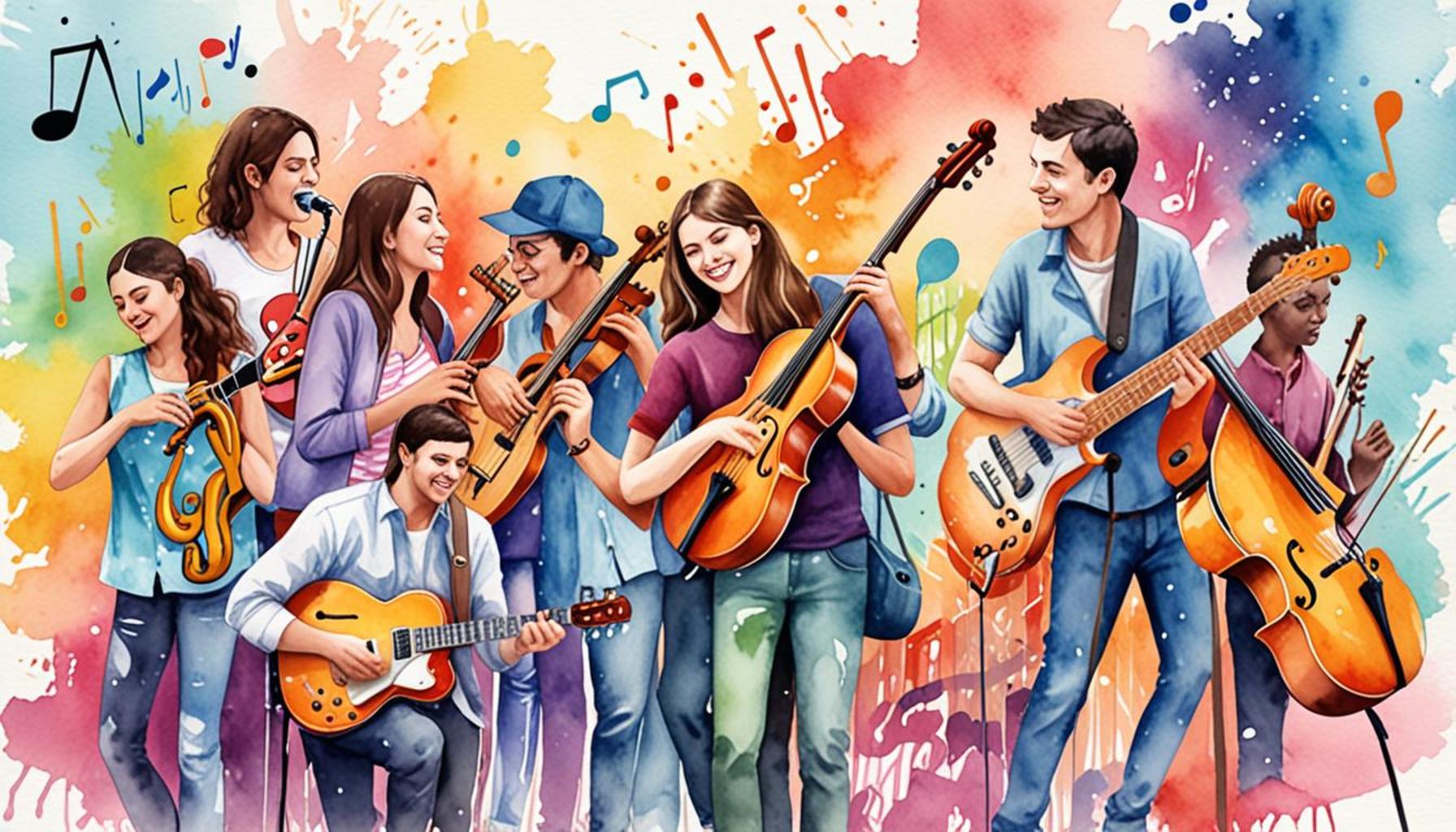
Beyond individual benefits, improvisation can greatly enhance collaboration skills. Musicians in jam sessions, for instance, must listen intently to one another and harmonize their efforts in real-time, which cultivates an environment where effective communication thrives. This practice translates powerfully to group projects outside of music, be they in business settings or collaborative art workshops. The ability to work effortlessly with others to generate innovative ideas leads to more productive outcomes and a shared sense of accomplishment.
The beauty of musical improvisation is that its principles can be applied universally, transcending the barriers of music alone. Many have found that blending these improvisational techniques with other creative outlets can yield surprising results. For writers, letting go of structured outlines can stimulate fresh narratives that flow organically. Dancers who integrate spontaneity into their routines can explore unique movements they may have otherwise overlooked, resulting in captivating performances. In essence, improvisation encourages a free flow of ideas, leading to unexpected discoveries that enrich creative practices.
In our exploration of musical improvisation, we will delve deeper into the profound impacts it has on creativity. We will also uncover practical ways to incorporate these principles into your personal hobbies. Whether you identify as a gifted musician or are simply looking to unleash your latent creativity, the journey through improvisation promises to unveil endless possibilities waiting to be discovered.
DISCOVER MORE: Click here to create fun toys for your pets
Enhancing Creativity Through Improvisation Techniques
At the heart of the artistic process, musical improvisation encourages a mindset that embraces innovation and experimentation. It invites creators to step outside their comfort zones and indulge in a world where convention is left behind. This freedom to explore is not merely a whimsical act; it is a pivotal growth mechanism that can refresh and expand creative horizons in various hobbies, including painting, writing, and performing arts.
One of the most transformative aspects of improvisation is its capacity to cultivate an adaptive mindset. When individuals engage in unplanned creative activities, they learn to navigate unpredictability. Musicians who improvise during a performance often construct melodies spontaneously, forcing them to adjust their musical phrases to fit with surrounding instruments and rhythms. This skill can seamlessly transfer to other fields, where adaptability is fundamental. For example, a writer faced with writer’s block might find liberation in free-association writing or creating character dialogues without a set plot, surprising themselves with unexpected narratives that emerge.
Furthermore, the immersive nature of musical improvisation has been shown to reduce anxiety and enhance mental well-being. Studies indicate that engaging in creative endeavors allows individuals to cope with stress more effectively. The process becomes cathartic; expressing oneself through music or movement can lead to significant emotional release. Community-based workshops, for example, often incorporate improvisational music sessions, allowing participants to connect and express themselves in a supportive atmosphere. The communal aspect fosters a sense of belonging while simultaneously nurturing personal mental health.
Key Benefits of Musical Improvisation
- Improved Problem-Solving: Adaptability nurtured through improvisation can help overcome challenges in various creative projects.
- Boosted Confidence: Freestyle creation fosters self-trust, encouraging individuals to share their unique artistic voices.
- Enhanced Collaboration: Musical improvisation cultivates listening and cooperative skills vital for teamwork across creative disciplines.
- Stress Relief: Engaging in spontaneous artistic expression is linked to lower anxiety levels and improved emotional health.
- Dynamic Inspiration: The practice of improvisation results in discovering new techniques and ideas that redefine creative boundaries.
Improvisation’s power lies in its capacity to not only unlock creativity but also inspire a ripple effect that influences various aspects of an individual’s artistic journey. From musicians to painters, writers, and dancers, all can harness improvisational techniques to explore their potential in uncharted ways. Thus, the next time you find yourself stagnant in your creative expression, consider integrating some improvisation into your process. The results may be more astounding than you imagine.
| Category | Insights & Benefits |
|---|---|
| Enhances Problem-Solving Skills | Through improvisation, individuals develop adaptive thinking, enabling them to tackle unexpected challenges in creative projects. |
| Boosts Emotional Expression | Musical improvisation allows for authentic emotional release, fostering a deeper connection to one’s creative endeavors and overall well-being. |
| Encourages Collaboration | Participating in group improvisation enhances team dynamics and communication skills, vital for any collaborative creative process. |
| Unlocks Originality | Improvisation nurtures groundbreaking ideas, breaking down mental barriers that often stifle creativity in traditional settings. |
Musical improvisation acts as a transformative tool that can profoundly impact various creative hobbies—encouraging individuals to break boundaries and explore new realms of artistic expression. By engaging in spontaneous music creation, one can discover personal artistic voices and generate new inspirations.
DIVE DEEPER: Click here to discover eco-friendly crafting materials
The Transformative Effects of Improvisation Beyond Music
While the benefits of musical improvisation are evident within the realms of music, its transformative effects stretch far beyond notes and rhythms to encompass a variety of creative hobbies. By applying the principles of improvisation, artists can find new avenues for expressing their ideas, igniting a deeper connection with their craft. Improvisation, at its core, encourages spontaneity and a playful attitude, enabling creators to challenge their limitations and approach their work with renewed vigor.
In visual arts, for example, improvisational techniques can bring a refreshing perspective to the canvas. Artists who engage in free-form painting are likely to experiment without preconceived notions of what their work should look like. This might manifest as swirling colors or unconventional brush strokes, leading to a unique visual language that expresses emotions and themes often left unexplored. Workshops that incorporate elements of improvisation encourage artists to trust their instincts, breaking free from the rigidity of planned compositions. This kind of exploration not only produces surprising results but also fosters a sense of adventure and excitement surrounding the creative process.
Additionally, the influence of improvisation extends into the realm of writing and storytelling. The act of improvising may include writing prompts, character skits, or narrative weaving without a predetermined outcome. Authors such as Jack Kerouac championed this ethos in their works, creating narratives that flowed in real-time, often resulting in profound explorations of human experience. By participating in writing circles that emphasize improvisational techniques, writers can tap into their subconscious, allowing them to discover new themes and plots. Such workshops often demonstrate that abandoning the so-called “rules” of writing can lead to truly innovative projects.
A Broader Spectrum of Improvisation Benefits
- Increased Joy in Creation: The act of improvising can lead to enhanced enjoyment in the creative process, focusing on play rather than perfection.
- Exploration of Identity: Improvisational art encourages self-discovery, helping individuals articulate their unique voices and perspectives through their creative outlets.
- Heightened Sensory Awareness: Engaging in improvisation sharpens tactile appreciation, whether it’s through the texture of paint on a brush or the feel of a pen gliding across paper.
- Expanded Skill Sets: Experimenting with improvisational techniques in various domains allows creators to build more versatile skill sets that enrich their primary disciplines.
- Fostering Innovation: Regular improvisational practice can lead to breakthrough ideas, as creative individuals learn to connect seemingly unrelated concepts in unique ways.
The influence of improvisation on creative hobbies is undeniably profound, fostering an environment where creators can express their identities and challenge their perspectives. Whether through art, writing, or performing, embracing the unpredictable nature of artistic improvisation not only cultivates innovation but also instills a deeper joy in the act of creation. As more individuals adopt these improvisational techniques, they unlock doors to artistic possibilities that transcend traditional boundaries, leading to the discovery of an authentic and spontaneous voice within their artwork.
DIVE DEEPER: Click here to discover eco-friendly crafting materials
Conclusion: Embracing Improvisation in Creative Pursuits
The exploration of musical improvisation reveals a remarkable landscape of creative potential that transcends the boundaries of music. As showcased throughout this article, the principles of improvisation not only enhance individual art forms but also invigorate broader creative processes across visual arts, written expression, and even daily problem-solving in our lives. By encouraging a playful mindset, improvisation empowers creators to navigate their artistic journeys with spontaneity and authenticity.
Moreover, as creators adopt these improvisational techniques, they stand to gain more than just improved skills; they unlock deep-seated joy and a renewed connection to their art. The process of self-discovery fosters greater personal expression, helping hobbyists articulate their unique perspectives and experiences. This journey often leads to heightened sensory awareness, enabling individuals to immerse themselves fully in their creative activities, whether it be through the dynamic strokes of a paintbrush, the flow of words on paper, or the melodies produced from an instrument.
In a world that often prioritizes perfection, embracing musical improvisation as a foundational aspect of creative hobbies invites individuals to break free from constraints. The benefits extend far beyond mere artistic innovation; it challenges us to rethink our approaches to creativity, ultimately leading to a richer, more fulfilling artistic experience. As we venture into this realm, we find that improvisation is not just a skill to master but a journey of exploration, discovery, and joy, waiting to be unleashed within each one of us.