
Transform Your Home into a Haven The Power of Simplified Living
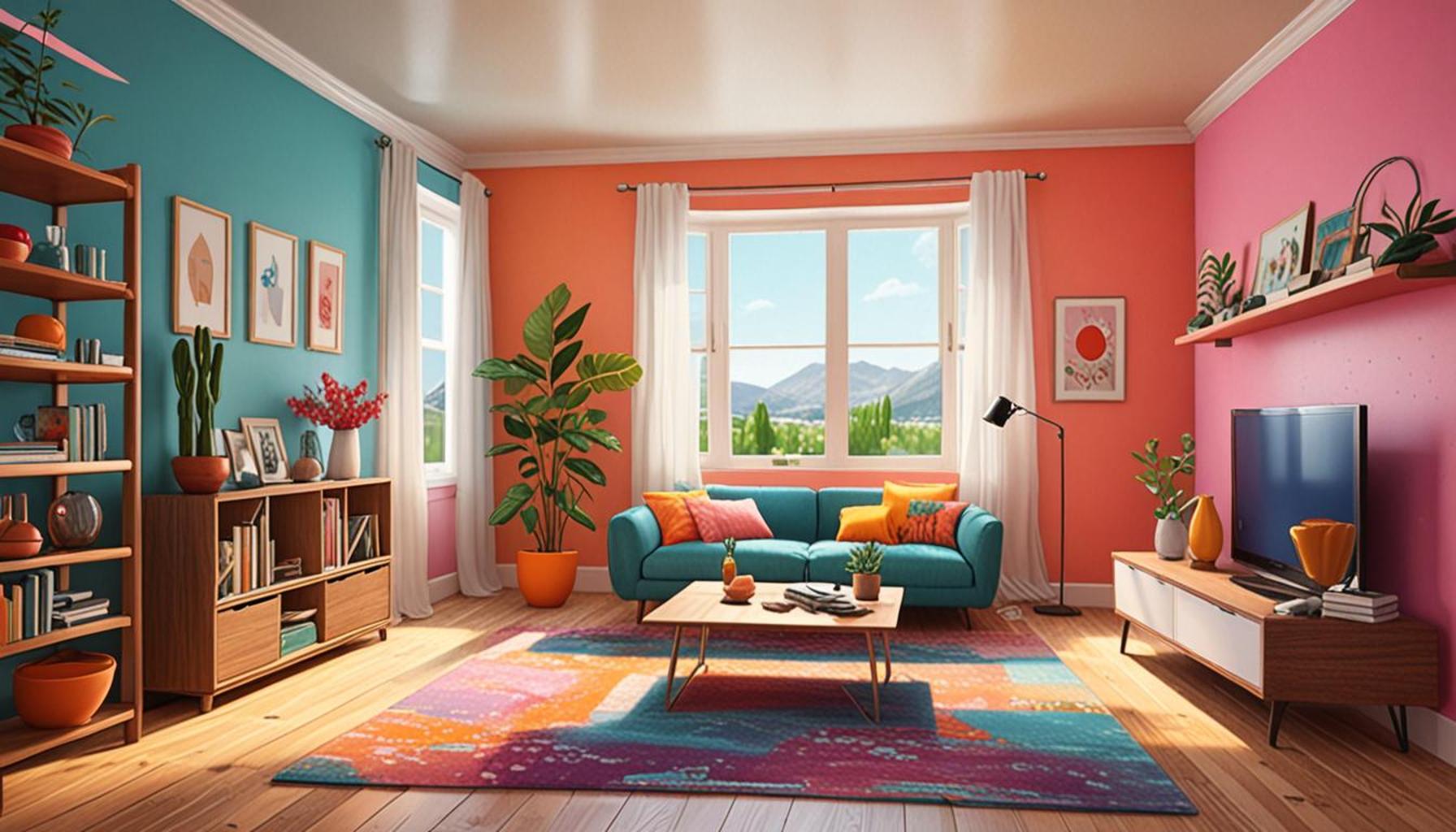
In today’s fast-paced world, many individuals find themselves overwhelmed by clutter and chaos, both physical and mental. The concept of simplified living emerges as a powerful antidote to this modern malaise, embodying the principles of minimalism and effective personal organization. By embracing a less-is-more philosophy, homeowners can transform their spaces into serene retreats that promote well-being and mindfulness.
This approach not only declutters the living environment but also enhances productivity, fosters creativity, and supports overall mental wellness. Key elements of simplified living involve:
- Reducing excess possessions
- Organizing spaces for efficiency
- Creating areas that foster relaxation and comfort
In this article, we will delve into the importance of simplified living and how it can elevate your home into a true haven. To guide you on your journey, we will present a Top 5 list of impactful strategies that can simplify your life, offering clear paths towards creating a tranquil and harmonious home environment.
Top 5: The Importance of Uncluttered Spaces – How Simplified Living Transforms Your Home into a Sanctuary
In an era where life often feels like a whirlwind of obligations, emails, and information overload, finding a retreat within your own four walls becomes increasingly essential. A home that exudes tranquility not only satisfies an aesthetic desire but also nurtures the mind and soul. By embracing a simplified living approach, you can morph your living space into a sanctuary. Here, we delve into the top five reasons why uncluttered spaces can profoundly transform your home and, by extension, your life.
5. A Clearer Mind
The correlation between a tidy environment and mental clarity might seem intuitive, but it is backed by scientific research showing that clutter can cause stress and cognitive overload. Visual clutter bombards your senses and creates competing stimuli, rendering it difficult for the brain to focus on a singular task or thought.
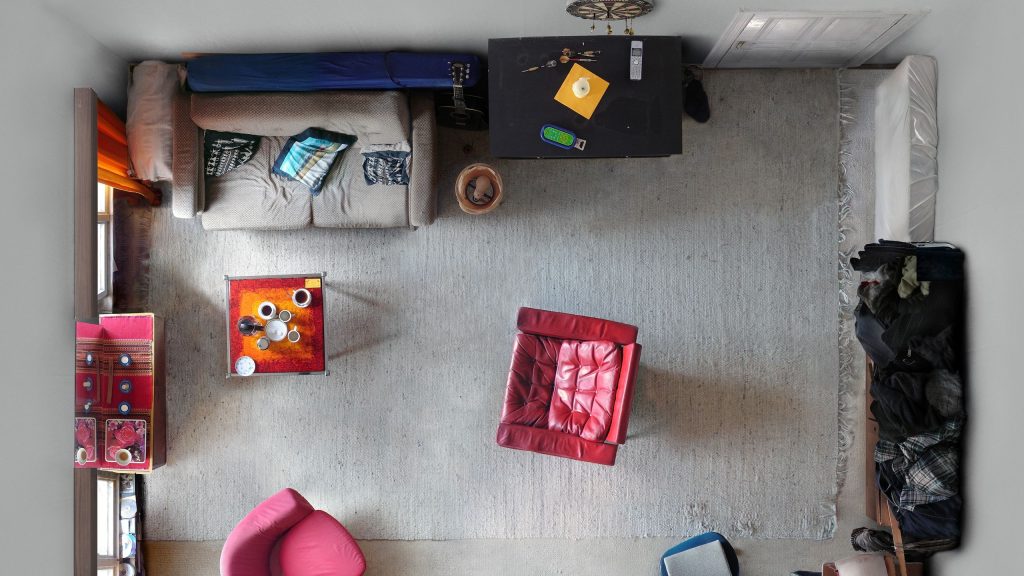
When you take deliberate steps to minimize possessions and organize thoughtfully, you craft a mental landscape that promotes calm. Consider entering a room where everything is in its place, where clean surfaces invite serenity and inspire creativity. Studies indicate that such environments aid in reducing anxiety and facilitate clear thinking.
Think of it this way:
- With less clutter, there’s a significant reduction in needless interruptions, allowing your mind to concentrate.
- Productivity can flourish when tasks are prioritized without the interference of extraneous objects.
- Your mind, unburdened by clutter, is more adept at engaging in complex problem-solving and creative thinking.
4. Enhanced Productivity
Disorder can unwittingly turn a simple task into an ordeal, stealing time and creating inefficiencies. An uncluttered space offers a distinct advantage: the ability to swiftly locate necessary items, thus conserving time and energy for more meaningful endeavors.
Strategically designed spaces enhance productivity by allowing a seamless transition between activities. For instance, delineating zones for work, leisure, and mindfulness can bolster concentration and enhance your daily rhythm.
Consider these productivity-boosting tactics:
- Designated areas for different activities minimize distractions and aid focus.
- Implementation of organizational systems, such as labeled storage, makes the retrieval process intuitive, streamlining daily routines.
- Efficiencies gained from a structured environment allow for a balance between work responsibilities and relaxation.
3. Improved Aesthetic Appeal
The draw of minimalism is its inherent ability to reflect modern design principles—with clean lines and understated elegance. An aesthetic that opts for simplicity over excess not only appeals visually but also imbues a room with a sense of order and calm.
Aesthetically appealing spaces leverage components of efficiency and elegance, focusing on a curated collection of decor that enhances without overwhelming. The careful selection of items allows personal style to shine, devoid of clutter’s distraction.
Contributing elements to aesthetic allure:
- Minimal decorations ensure each item has a purpose, contributing to a harmonious environment.
- Bold design choices, such as a central piece of art, can create impact without cluttering vision.
- Neutral color palettes form a tranquil backdrop, encouraging a soothing atmosphere.
2. Financial Benefits
The connection between a clutter-free home and financial savvy is profound. An uncluttered lifestyle often translates to deliberate, informed purchasing decisions, reducing the tendency towards impulsive buys and fostering financial prudence.
Understanding the difference between needs and wants naturally leads to savings, as resources are directed towards acquisitions that genuinely enhance life quality rather than transient desires.
Financial advantages are clear:
- Decreased expenditure on non-essential items leads the way to a stable budget.
- Investing in high-quality, durable goods initially is an economic choice that reduces long-term costs.
- The maintenance and organization of fewer belongings cut down ancillary expenses and contribute to budget health.
1. A Sanctuary for Your Soul
The pinnacle of simplified living is the creation of a personal sanctuary—a space that fosters retreat and renewal. Homes devoid of chaos provide an intimate setting that reflects and nurtures the soul, offering a respite from the external tumult.
Within these walls, you can cultivate peace and well-being by consciously engaging with your environment. Yet, this sanctuary is more than a physical refuge; it becomes a spiritual balm, promoting introspection and self-care.
To create this soulful environment, try:
- Incorporating natural elements, such as indoor plants and abundant natural light, to invigorate and calm.
- Establishing specific spaces for reflection, meditation, or yoga to embrace mindfulness.
- Assessing your possessions regularly to ensure each item serves a purpose or brings joy.
As you journey toward a simplified lifestyle, consider the profound impact that tranquility, order, and intentional living can have on your mental and emotional health. By transforming your home into a calm sanctuary, you invest in your well-being, creating an environment that uplifts and inspires daily.
| Category | Description |
|---|---|
| Clutter Reduction | By embracing simplified living, one can significantly reduce clutter, creating a more relaxing atmosphere to foster creativity and mindfulness. |
| Mental Clarity | A simplified home environment can lead to improved mental clarity, allowing individuals to focus on what truly matters instead of being distracted by excessive belongings. |
| Sustainable Living | The principles of simplified living often promote sustainability, encouraging conscious consumerism and mindful choices that benefit both the individual and the environment. |
| Enhanced Wellbeing | Creating a tranquil space contributes to overall well-being, helping inhabitants feel more at peace and stress-free in their personal retreats. |
In today’s fast-paced world, the significance of creating uncomplicated spaces cannot be overstated. Emphasizing a lifestyle that shuns excess, simplified living offers a transformative approach to how individuals perceive and engage with their homes. The relevance of clutter reduction is profound; as environments become less chaotic, they naturally assume a calming influence, shedding light on the principle that a peaceful home nurtures a peaceful mind. Moreover, the correlation between mental clarity and a decluttered space is compelling. Research has indicated that an organized environment fosters enhanced focus and efficiency. This aspect of living simplified not only transforms living areas but also encourages deeper connections with oneself, as distractions diminish and individuals can engage in introspection and creativity. Sustainability further intertwines with simplified living. The shift towards a minimalist approach often ushers in a more environmentally conscious lifestyle. By choosing quality over quantity, individuals contribute to less waste, steer clear of overconsumption, and make choices that align with a greener agenda. This shift aligns with an increasing desire among many to partake in sustainable practices that benefit the universe at large.As one embarks on the journey towards simplified living, the enhancement of overall wellbeing is perhaps the crowning achievement. Spaces that resonate tranquility not only serve as beautiful backdrops for daily life but also facilitate mental and emotional healing. In an era where stress and anxiety are prevalent, cultivating a home environment that prioritizes simplicity may well be one of the most rewarding endeavors one can pursue. By delving deeper into the significant advantages of embracing this lifestyle, readers can explore innovative ways to transform their homes into true sanctuaries. It is a call to action to rethink the spaces we inhabit and harness the power of simplicity for a richer, more fulfilling life.
Frequently Asked Questions About Simplified Living
What is simplified living, and how does it impact our homes?
Simplified living, often associated with minimalism, involves reducing clutter and focusing on what truly matters. By adopting this lifestyle, you can transform your home into a more serene and functional space. It emphasizes quality over quantity. Simplified living suggests keeping only items that add value or joy to your life, which can reduce stress and increase comfort in your home.
How can removing clutter make my home feel like a refuge?
Cluttered environments are often linked to increased anxiety and distraction. By removing unnecessary items, you not only free up physical space but also create mental clarity. A decluttered home allows for better relaxation, making your living space feel like a sanctuary. This approach encourages mindfulness and can significantly enhance your overall well-being.
What are some practical steps to start simplifying my living space?
Begin by assessing your belongings and identifying items that you no longer use or need. Organize your possessions into categories such as keep, donate, or discard. Consider implementing storage solutions that optimize space, and slowly introduce more open spaces and light in your home’s layout. Regularly revisit your space to ensure it continues to reflect your current needs and lifestyle.
Will simplifying my space require significant sacrifices?
While simplified living demands thoughtful choices, it doesn’t mean that you have to give up everything you love. Instead, the focus is on surrounding yourself with items of significance and purpose. It’s about refining your home environment to better align with your personal values and lifestyle preferences. The process allows for more meaningful connections with your surroundings and less stress related to possessions.
Can simplified living be adjusted to a family setting?
Absolutely. Simplified living can be adapted for families by fostering a collective attitude towards minimalism and organization. Consider creating shared spaces that emphasize family activities and limit distractions. Encourage each family member to contribute by identifying their priorities and collectively deciding on the most cherished items to retain. This communal effort can strengthen family bonds and create a harmonious living environment for everyone.
Conclusion: Embracing Simplified Living
The journey into Simplified Living is not just about decluttering physical spaces, but also about inviting a profound transformation in the way we engage with our homes and, ultimately, our lives. The concept of turning our abode into a tranquil refuge embraces more than minimal aesthetics; it encompasses the creation of spaces that foster mental clarity and emotional well-being.
Drawing from the article’s exploration, it’s clear that the pillars of Minimalism and Personal Organization serve as crucial influences in attaining a more fulfilling lifestyle. By adopting strategies that emphasize efficiency and intentionality, individuals can navigate the everyday chaos with greater ease, making room for what truly matters.
The Power of Simplification
This approach reintroduces harmony and functionality to living spaces, allowing home environments to become arenas for creativity and relaxation. By prioritizing essentials and removing excess, simplified living urges us to focus on quality over quantity, promoting sustainable practices and mindful consumption.
The journey towards uncomplicated spaces highlights the significance of a balanced and serene environment, crucial for mental peace in today’s fast-paced world. As we transform our homes, we also cultivate a sanctuary for contemplation, reconnection, and rejuvenation.
In conclusion, the importance of simplified spaces lies not only in the enhancement of physical surroundings but also in the profound impact on our mental and emotional landscapes. For those seeking refuge in a cluttered world, embracing simplified living is both a remedy and a path towards a more meaningful existence. As we continue to explore this lifestyle, the revelation of its influence will inspire us to question the necessity of material abundance, guiding us to value what is truly significant.