The Role of Craft Activities in Promoting Mindfulness and Well-Being
Understanding the Therapeutic Power of Crafting
In the hustle and bustle of contemporary life, moments of serenity can often feel out of reach. With rising stress levels and increasing demands on our time, embracing craft activities has emerged as a compelling remedy for achieving mindfulness and improving mental health. Engaging in hands-on creative projects not only stimulates the brain but also cultivates a profound sense of presence and being in the moment.
Research consistently highlights the myriad benefits of immersing oneself in crafting. Numerous studies indicate that:
- Stress Reduction: The repetitive motions and patterns in activities like knitting or weaving have a soothing effect, effectively lowering anxiety levels. According to a study published in the Journal of Neuropsychiatry, crafting can lead to a reduction in cortisol, the stress hormone.
- Enhanced Focus: Crafting demands a certain level of concentration that can whisk individuals away from the clutches of everyday worries. This focused engagement can be a welcome escape, allowing one to channel energy and attention into the task at hand.
- Creative Expression: Crafting allows individuals to articulate feelings and experiences in a unique way. By creating something tangible, individuals often find this act liberating, providing significant emotional relief.
The realm of crafting is extensive, inviting individuals to explore an array of activities. For instance:
- Knitting and Crocheting: These popular pastimes are often celebrated for their calming effects; many people have turned to these activities during challenging times, such as during the COVID-19 pandemic, where crafting provided a comforting distraction.
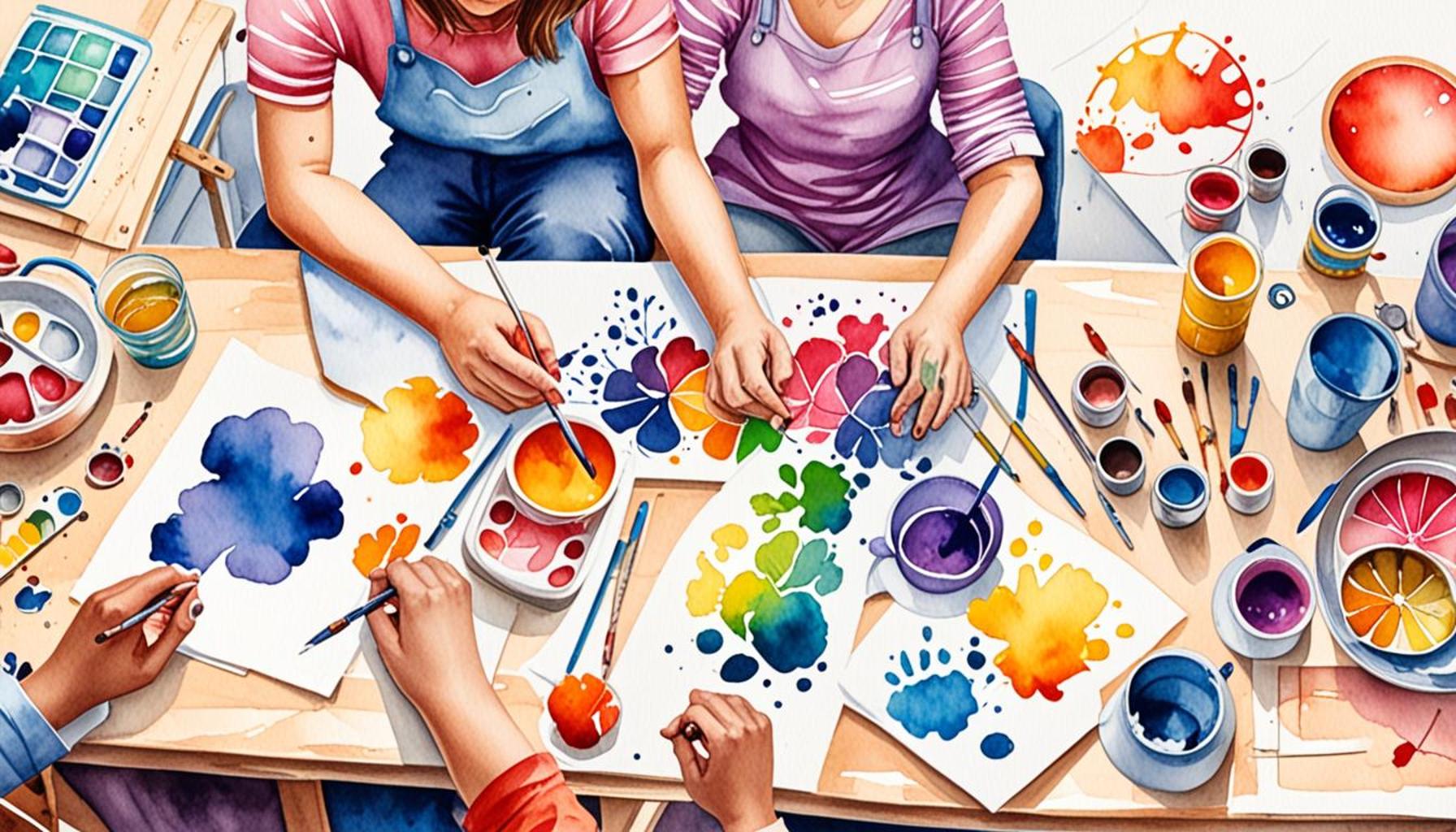
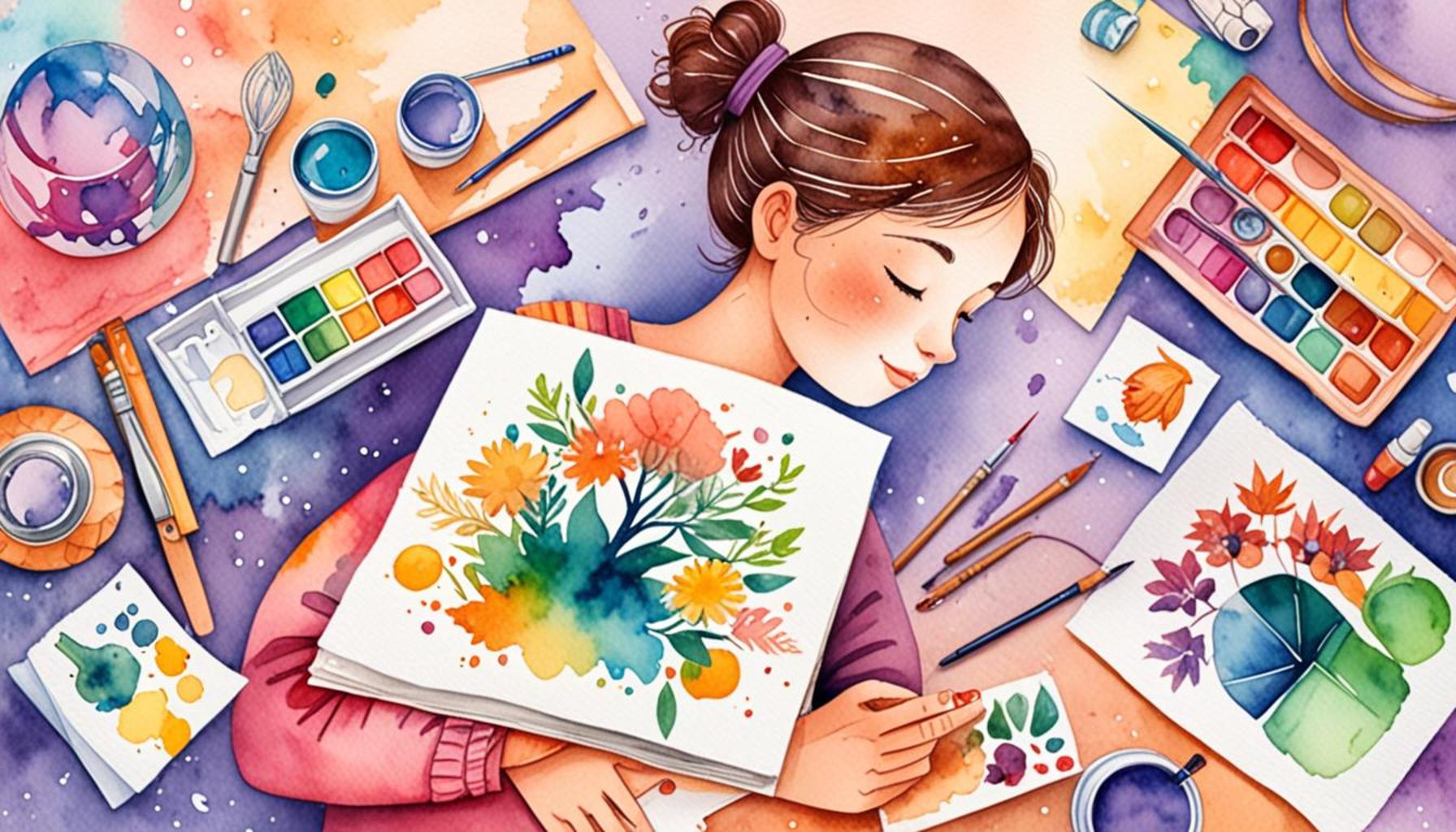
- Painting: Whether through watercolors, oils, or acrylics, painting offers a continuous avenue for creative exploration. Community art classes have popped up across various U.S. cities, making this medium accessible to both novices and experienced artists alike.
- Scrapbooking: This hybrid of storytelling and artistic expression allows individuals to reflect on memories creatively. Many find joy in blending photographs, mementos, and narratives, transforming their experiences into visually engaging keepsakes.
As awareness around mental health grows in the United States, the interest in crafting as a form of mindfulness practice continues to soar. Blogs, workshops, and online platforms are increasingly highlighting the therapeutic benefits of these activities, inviting more people to partake in what can be a very personal journey of self-care.
Delving into the world of crafting reveals a treasure trove of simple yet powerful activities that can significantly enhance emotional well-being. Whether one is a seasoned creator or a curious beginner, the path to greater mindfulness lies at the end of a paintbrush, a crochet hook, or a pair of knitting needles. Embrace this engaging frontier of creativity, where the potential for peace, focus, and emotional expression awaits.
DIVE DEEPER: Click here to discover how to turn your passion into profit
The Psychological Benefits of Crafting Activities
Crafting is not merely a hobby; it is an immersive experience that can significantly influence mental health. Engaging in creative activities has been shown to activate both the left and right hemispheres of the brain. The left side is predominantly responsible for logical thinking, while the right side embodies creativity and intuition. When one participates in crafting, a unique synergy occurs, allowing individuals to tap into a higher state of mindfulness and focus.
One of the most notable benefits of craft activities is the promotion of mindfulness. Mindfulness is the practice of being present in the moment without judgment. Studies have revealed that craft activities can lead to a meditative state, which is often associated with reduced symptoms of anxiety and depression. As individuals immerse themselves in the process of creating, they find themselves in a state of flow—a term coined by psychologist Mihaly Csikszentmihalyi—where distractions fade away and time becomes irrelevant. This enhances not only focus but overall well-being.
Research points to several specific psychological benefits gleaned from engaging in craft activities:
- Improved Mood: Crafting can increase dopamine levels, the “feel-good” neurotransmitter, leading to enhanced feelings of happiness and satisfaction. This biochemical shift can provide a sense of accomplishment that transcends the act of making.
- Social Connection: Group crafting activities foster connection. Whether it’s a community quilt-making event or local knitting circles, these gatherings provide an opportunity for social interaction, reducing feelings of isolation that many individuals experience.
- Enhanced Self-Esteem: Completing a craft project, no matter how small, can boost self-confidence. This sense of achievement can positively impact an individual’s self-image, encouraging them to take risks in other areas of their lives.
As more individuals seek avenues for improving their mental health, crafting remains at the forefront of popular holistic approaches. Spanning a wide array of options—from embroidery to pottery—crafting is accessible and does not require extensive training. In fact, many community colleges and recreation centers across the United States have recognized the value of craft activities by offering workshops specifically aimed at promoting well-being through creativity.
Moreover, as digital distractions become more embedded in everyday life, the tactile nature of crafts serves as a welcome respite. Creating with our hands allows us to disconnect from technology and immerse ourselves in a sensory experience, further promoting a mindful lifestyle. The delightful malleability of clay, the vibrant splash of paint on a canvas, or the rhythm of yarn slipping through fingers contribute wonderfully to a grounding experience. This interaction helps cultivate a deeper connection to oneself and one’s surroundings.
Embracing crafting as a pathway to mindfulness is more than a fleeting trend; it signifies a profound acknowledgment of the need for mental wellness. As individuals stitch, paint, and mold their way through life, they uncover the power of creativity as a vital tool for fostering emotional resilience and enhancing overall well-being.
| Advantages | Description |
|---|---|
| Enhanced Focus | Craft activities demand attention to detail, promoting mindfulness by grounding individuals in the present moment. |
| Creative Expression | Engaging in crafts allows individuals to express their emotions and thoughts creatively, helping to release stress and anxiety. |
| Sense of Accomplishment | Completing a craft project fosters a sense of achievement, which can boost self-esteem and overall well-being. |
| Social Connection | Participating in group craft sessions can enhance social interaction, reducing feelings of isolation and promoting community. |
Craft activities are far more than simple hobbies; they serve as powerful tools in promoting mindfulness and enhancing well-being. The repetition of motions involved in crafts can create a meditative state that allows individuals to cut through the noise of daily life. Whether it’s knitting, painting, or woodworking, each craft provides unique benefits that contribute to a more mindful existence. The results from various studies suggest that engaging in hands-on activities can significantly lower stress levels, making crafting a viable option for anyone looking to improve their mental health. Beyond personal satisfaction, sharing the crafting journey with others also enriches the experience, highlighting the communal aspect of creating, which further amplifies feelings of happiness and fulfillment. Through craft activities, individuals not only create tangible items but also cultivate a positive mental landscape that nurtures personal growth and emotional resilience.
DISCOVER MORE: Click here to learn about eco-friendly crafting materials
Crafting as a Gateway to Enhanced Focus and Creativity
Craft activities do not only serve to foster mindfulness; they are pivotal in enhancing focus and igniting creativity. The repetitive motions involved in many crafts, from knitting to pottery, can induce a state similar to meditation, sharpening concentration. A study published in the Journal of Positive Psychology found that participants who engaged in crafts experienced not just increased focus but also heightened levels of clarity and creativity in their daily lives. This capability for enhancing cognitive flexibility can lead to innovative thinking, which is advantageous both personally and professionally.
Notably, crafting can also improve fine motor skills. Activities such as sewing, woodwork, or even assembling a model require high levels of hand-eye coordination and dexterity. Developers in occupational therapy recognize crafting as an effective means to rehabilitate motor skills, especially in individuals recovering from injuries—further reinforcing the interconnectedness of physical and mental well-being. When individuals engage their hands in creative pursuits, they are working towards strengthening the mind-body connection, essential for holistic health.
Furthermore, the impact of crafting extends into the realm of stress relief. In a society characterized by high-stress levels, many people are turning to crafts for their therapeutic benefits. According to a report by the American Art Therapy Association, engaging in crafts can effectively lower cortisol levels—the hormone associated with stress. The soothing effects of focusing on a craft provide a welcome distraction from the pressures of daily life, often leading to a significant reduction in anxiety levels.
As the craft movement gains momentum, organizations are recognizing its role in community well-being. Local libraries and community centers are hosting craft fairs, workshops, and therapeutic crafting events designed to bring people together. Such initiatives not only strengthen community ties but also create an inclusive space where individuals can share their experiences and skills. Engaging in shared craft experiences fosters a sense of belonging and mutual support, both of which are vital for emotional wellness.
Importantly, the rise of online craft communities has transformed how individuals engage in crafting. Platforms like Pinterest and Instagram have birthed a new wave of digital artisans eager to share their techniques and projects, thereby reducing feelings of isolation. These online interactions encourage people to explore new crafts and express their thoughts and emotions creatively, paving the way for personal development and connection. As users share their crafting journeys, they inspire others to contemplate their own emotional well-being through creative expression.
As evolving research continues to unveil the benefits of crafting, it becomes increasingly clear that these activities are not merely pastimes; they are vital practices for enhancing mental well-being. With each stitch, brush stroke, or sculpting motion, individuals embrace the power of the craft to promote mindfulness, relieve stress, and improve cognitive abilities—all contributing to a more centered and fulfilling life.
DIVE DEEPER: Click here to discover eco-friendly crafting materials
Embracing Crafting for a Mindful Life
In conclusion, the evidence posits that craft activities play a transformative role in promoting mindfulness and overall well-being. These creative pursuits offer more than just a fulfilling hobby; they provide a multifaceted approach to enhancing mental health. By cultivating focus, fostering creativity, and enabling relaxation, crafting acts as a natural antidote to the pressures of contemporary life.
The benefits of engaging in crafts extend into various domains, from improving fine motor skills and cognitive flexibility to offering a welcoming sense of community. With each creative endeavor—be it painting, knitting, or woodworking—individuals envelop themselves in a calming ritual that not only enriches their personal lives but also strengthens social connections. As local initiatives and online platforms come together to create vibrant crafting communities, the potential for collective healing and emotional support is boundless.
Moreover, as we continue to explore the psychological and physiological benefits of various crafts, it becomes crucial to advocate for the inclusion of crafting as a therapeutic tool in schools, workplaces, and healthcare settings. By recognizing its significance, we embrace a holistic approach to mental wellness that values creativity just as much as traditional forms of therapy.
In essence, the act of crafting invites us to slow down, savor each moment, and connect deeper with ourselves and those around us. As we weave, paint, or sculpt, we tap into a timeless practice that fosters mindfulness and nurtures our well-being, paving the way for a more fulfilled and thoughtful existence.