Enhancing Pet Hygiene and Nutritional Needs for Optimal Indoor Living
Why Indoor Pets Deserve a Closer Look at Health Habits
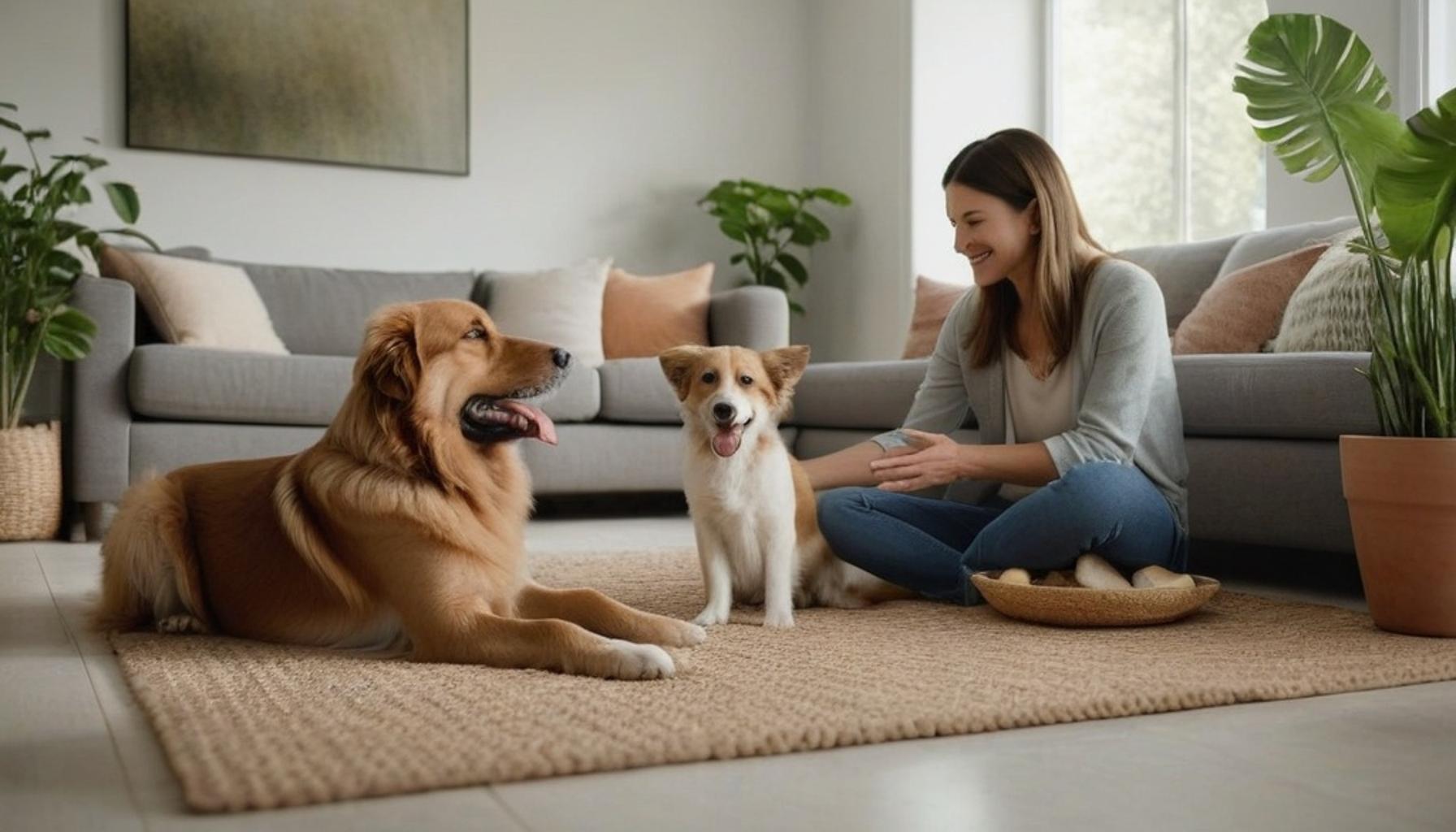
More Nigerian households, from Lagos apartments to Abuja estates, are welcoming cats and dogs into indoor living spaces. This shift brings comfort and companionship, but it also demands a fresh approach to pet hygiene and nutritional needs. Without outdoor exposure, pets rely entirely on their owners for cleanliness and proper feeding.
This growing trend reflects changing lifestyles across major Nigerian cities. Rising security concerns, smaller compound sizes, and busier work schedules have pushed families toward keeping pets indoors rather than allowing free roaming outside. While this arrangement offers protection from road accidents, theft, and disease exposure, it simultaneously creates a controlled environment where every hygiene lapse and dietary mistake becomes magnified.
The Hidden Challenges of Indoor Pet Care
Indoor environments can trap odors, allergens, and bacteria faster than open spaces. Many pet owners underestimate how quickly poor pet hygiene practices can affect both animal and human health. In tropical climates like Nigeria’s, humidity accelerates bacterial growth, making regular cleaning routines even more critical than in temperate regions.
Consider these common issues faced by indoor pet owners:
- Litter boxes generating persistent odors within 24 hours
- Shedding fur accumulating in tight indoor spaces
- Limited physical activity leading to weight gain
- Unbalanced diets causing digestive complications
Beyond these visible symptoms, veterinary professionals across Nigeria have reported increasing cases of skin infections and respiratory irritation linked directly to inadequate indoor sanitation. Dust mites, pet dander, and moisture buildup often go unnoticed until they trigger allergic reactions in family members, particularly children.
Nutrition: The Other Half of the Equation
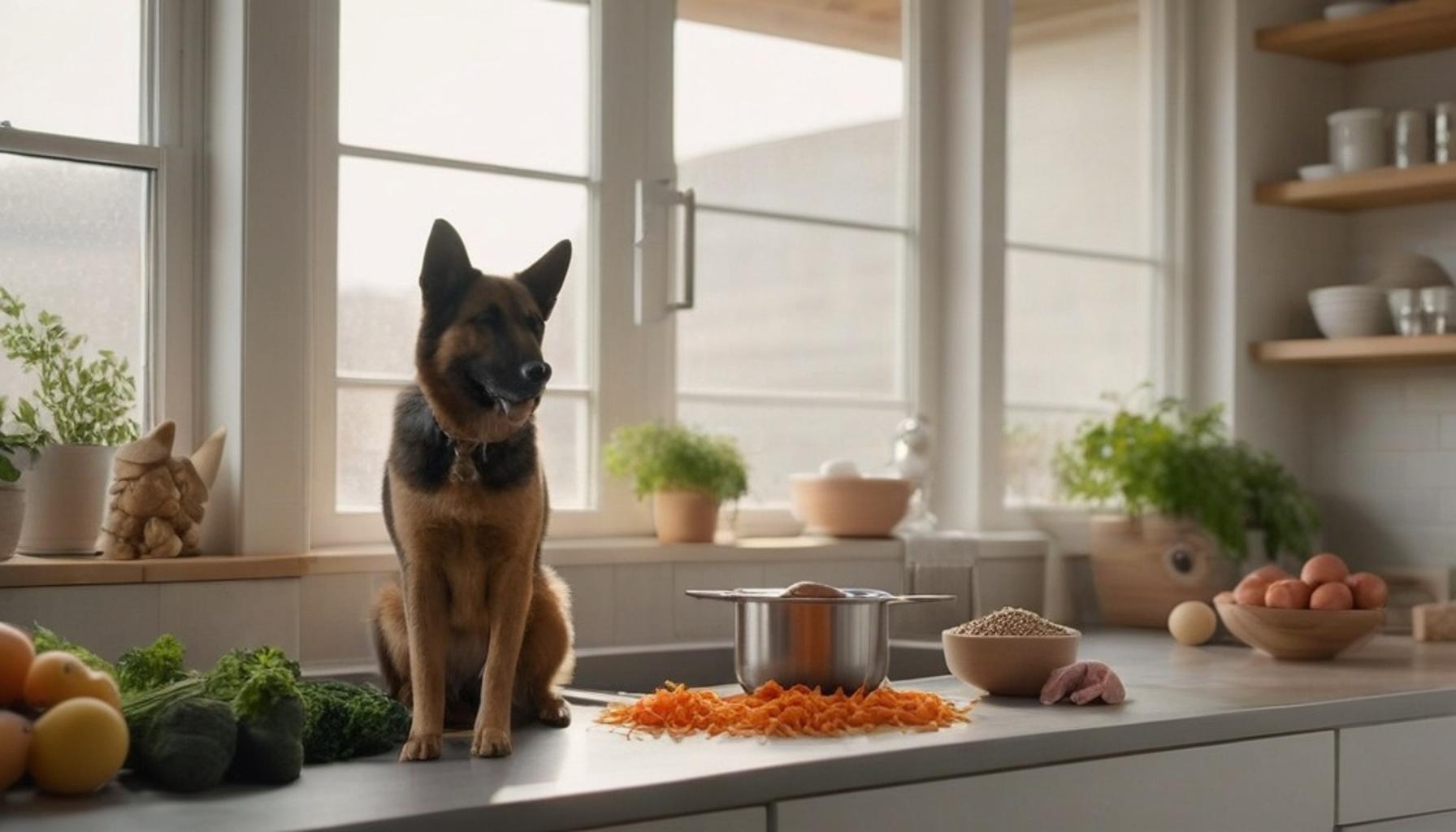
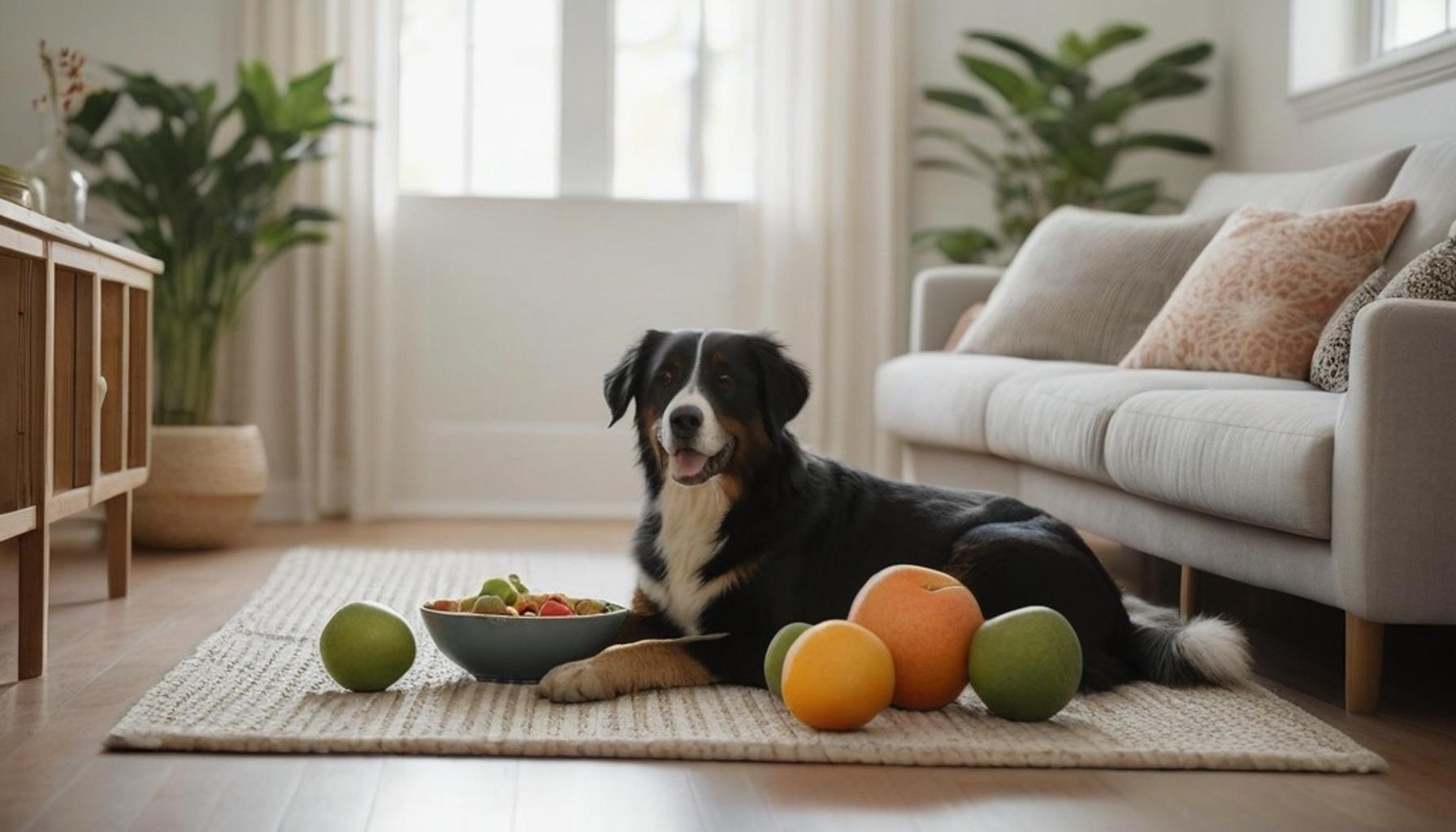
A healthy pet diet for indoor cats and dogs goes beyond simply filling a bowl. Indoor pets burn fewer calories than outdoor animals, making portion control and nutrient balance essential. Many owners unknowingly overfeed their pets, assuming indoor confinement requires the same portions as active outdoor breeds.
This guide explores practical indoor pet care tips, from grooming schedules to feeding strategies. Readers will discover the best pet nutrition for indoor pets alongside simple cleaning tips for indoor pets that fit busy Nigerian lifestyles, including affordable local alternatives to imported grooming products.
Whether you’re managing a curious cat or an energetic dog, mastering indoor living with pets starts with informed daily choices. The following sections break down actionable steps every pet owner should know, offering solutions tailored specifically to Nigerian homes, climate conditions, and available resources.
LEARN MORE: The importance of proper nutrition for the preventive health of indoor dogs and cats
# Building a Practical Grooming Routine That WorksEstablishing consistent pet hygiene practices requires more than occasional bathing. Nigerian households juggling work, traffic, and family responsibilities need routines that stick, not elaborate schedules abandoned after two weeks.Veterinary clinics in Lagos and Port Harcourt often note that pets bathed on inconsistent schedules develop skin problems twice as frequently as those on structured routines. This pattern shows up repeatedly in consultation records. The fix isn’t complicated, but it does require discipline.
Consider the average dog owner in a place like Abuja or Kano. Between generator maintenance, school runs, and the daily hustle, grooming often slides down the priority list until a pet starts scratching incessantly or the house smells unmistakably of wet fur. By then, what could have been a simple weekly task becomes a costly vet visit. Building habits before problems appear saves money and stress in the long run.
## Weekly Grooming Essentials for Nigerian HomesStart with brushing. Dogs and cats shed year-round in Nigeria’s climate, and daily brushing sessions of five to ten minutes prevent fur from settling into carpets, sofas, and air vents.A structured approach makes this manageable:
- Brush short-haired pets twice weekly; long-haired breeds need daily attention
- Clean ears every two weeks using a damp cloth, checking for odor or discharge
- Trim nails monthly to prevent scratching on tile floors common in Nigerian apartments
- Bathe dogs every three to four weeks; cats rarely need bathing unless visibly dirty
- Wipe paws after any outdoor visits to reduce bacteria entering the home
These indoor pet care tips address the humidity factor directly. Moisture trapped in fur creates breeding grounds for fungal infections, a complaint veterinarians in Ibadan and Enugu see frequently during rainy seasons.
Harmattan season introduces its own challenges. Dry, dusty air pulls moisture from skin and coat, leaving pets prone to flaking and itching. Owners who adjust their grooming rhythm seasonally, adding a light coat conditioner during harmattan months and increasing brushing frequency during the rains, report noticeably fewer skin complaints. This seasonal awareness is something many pet care guides overlook entirely, yet it matters enormously in a country with such distinct weather shifts.
It also helps to involve the whole household. Assigning specific grooming days to different family members, perhaps nail trimming falls to one person while another handles brushing, spreads the responsibility and prevents the routine from collapsing when one person gets busy. Children, when supervised, often enjoy taking part in brushing sessions, which doubles as a bonding exercise with the family pet.
## Tackling Litter Boxes and Waste ManagementLitter box maintenance separates comfortable indoor living from constant odor battles. Scooping waste daily, not weekly, prevents ammonia buildup that irritates both pet and human respiratory systems.Many Nigerian pet owners have shifted toward locally available clumping litter alternatives, finding them more affordable than imported brands while offering comparable odor control. Complete litter changes every seven to ten days remain necessary regardless of the product used.For dog owners without compound access, indoor waste stations using absorbent pads offer a workable solution. Placing these away from feeding areas keeps hygiene and nutrition zones separate, an approach vets recommend but few articles mention.
Location matters just as much as frequency. Placing litter boxes or waste stations in well-ventilated corners, away from direct sunlight that can bake odors into the air, makes a measurable difference in how quickly ammonia smells develop. Some households in high-rise apartments in Lagos have started using small extractor fans near these stations, a simple fix that costs little but yields noticeable results.
These cleaning tips for indoor pets form the foundation before nutritional adjustments come into play, which the next section addresses in detail.
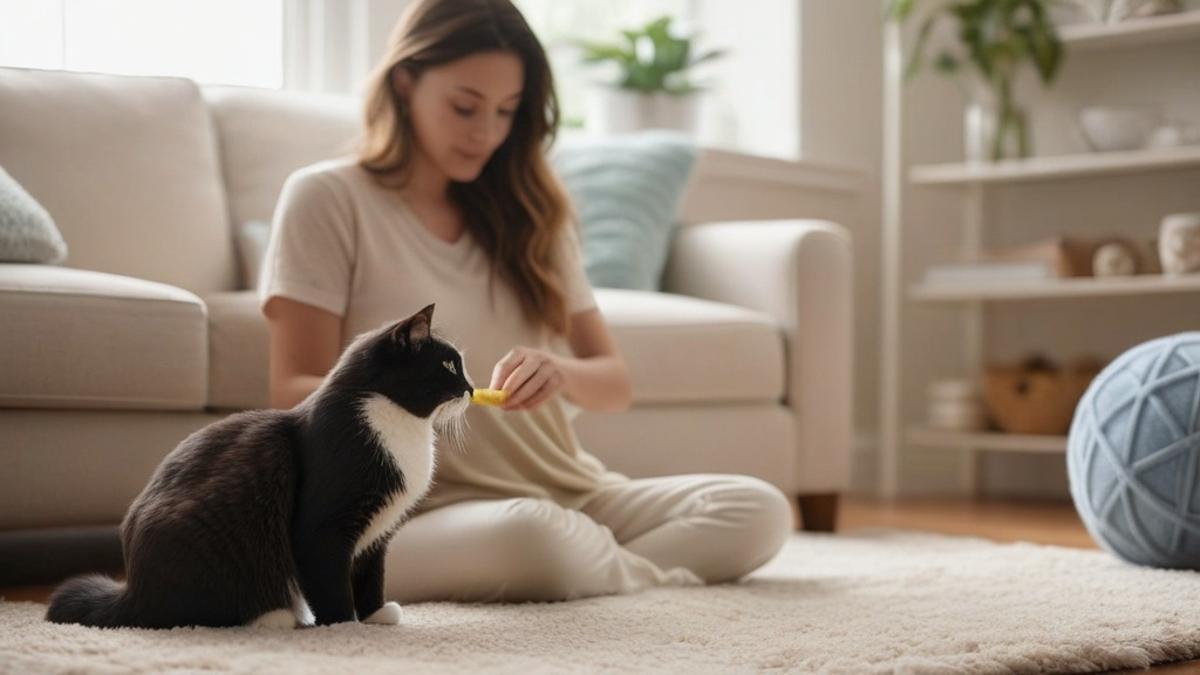
Essential Elements of Pet Hygiene and Nutritional Needs for Indoor Pets
Balancing pet hygiene and nutritional needs is the foundation of healthy indoor living with pets. From grooming schedules to nutrient-dense meals, small daily habits create major long-term benefits. The table below highlights core categories every pet owner should track, offering a quick reference for building sustainable indoor pet care tips into your routine.
| Category | Key Benefit or Practice |
|---|---|
| Daily Grooming Routine | Brushing 3–5 times weekly cuts shedding by up to 60% and prevents matting. |
| Balanced Diet Plan | Represents the best pet nutrition for indoor pets, lowering obesity risk from reduced activity. |
| Litter Box Sanitation | Daily scooping is a top cleaning tip for indoor pets, reducing bacteria and odor. |
| Hydration Monitoring | Fresh water access supports k
LEARN MORE: Behavior Management Through Environmental Enrichment and Proper Nutrition for Dogs and Cats # Feeding Strategies That Match Nigeria’s Indoor LifestyleGrooming solves half the equation. The other half sits in the feeding bowl, and this is where many indoor pets in Nigerian homes fall short without owners realizing it.Pet hygiene and nutritional needs work together in ways that surprise most first-time pet owners. A poorly fed animal grooms itself less effectively, sheds excessively, and develops skin conditions that no amount of bathing can fix. Nutrition, in short, shows up on the outside. Why Indoor Pets Need Different Nutrition Than Outdoor OnesOutdoor dogs in Nigerian compounds burn energy patrolling, chasing, and reacting to neighborhood activity. Indoor pets, confined to apartments in Lekki, Wuse, or GRA neighborhoods, move considerably less.This activity gap changes everything about portion control and ingredient choices.
Healthy Pet Diet for Indoor Cats: What ChangesCats present a different challenge entirely. A healthy pet diet for indoor cats requires closer attention to hydration since indoor cats often drink less water than their outdoor counterparts, particularly during harmattan when household humidity drops.Wet food, even mixed sparingly with dry kibble, addresses this hydration gap directly. Veterinary clinics in Abuja report fewer urinary tract complications among cats fed this combination compared to those on dry food alone. Portion consistency matters just as much as ingredient quality. Cats fed at irregular times throughout the day tend to overeat when food finally appears, leading to weight gain that compounds grooming difficulties, since overweight cats struggle to clean areas like their lower back and tail base. Practical Steps for Combining Diet and HygieneOwners who track both feeding schedules and grooming routines on a simple wall calendar report better consistency than those relying on memory alone. This method sounds almost too simple, yet consultation notes from clinics across Lagos and Abuja back it up. Pets on tracked routines show fewer emergency visits related to digestive upset or skin flare-ups. Fresh water availability deserves particular mention. Nigerian tap water quality varies significantly by state, and pets given filtered or boiled water show fewer stomach complaints than those drinking straight from taps in older buildings with aging pipe systems. Combining these feeding adjustments with the grooming practices covered earlier creates a complete system, one where indoor living with pets becomes manageable rather than a constant source of stress for Nigerian households balancing busy schedules with genuine care for their animals. Bringing Hygiene and Nutrition Together for Healthier Indoor PetsEvery point raised throughout this piece circles back to one reality: pet hygiene and nutritional needs cannot be treated as separate concerns. A dog groomed weekly but fed inconsistently will still develop dull coats. A cat on premium diet but rarely cleaned will still face skin irritation. The two must move together. Nigerian households navigating indoor living with pets face unique pressures, harmattan dust, unpredictable water quality, limited space for exercise. Yet these same households have shown, through veterinary reports from Lagos and Abuja, that small consistent adjustments outperform occasional dramatic efforts. Simple indoor pet care tips covered earlier, brushing schedules, portion control, hydration awareness, form the backbone of a workable system rather than a burdensome routine.
The best pet nutrition for indoor pets is not about expensive imported products alone. It’s about matching diet to lifestyle, recognizing that an apartment-bound animal in Wuse has different needs than a compound dog in a rural setting. Consistent pet hygiene practices combined with thoughtful feeding create pets that are calmer, healthier, and genuinely easier to live with. For Nigerian pet owners balancing demanding schedules, this integrated approach offers something rare: a sustainable path to caring for animals without constant guesswork, one grounded in observation, routine, and a willingness to adjust as circumstances change. 
Linda CarterLinda Carter is a writer and pet care expert specializing in pet health, grooming, and wellness. With extensive experience helping pet owners create safe, loving, and enriching environments for their animals, Linda shares her knowledge on our platform. Her goal is to empower readers with practical advice and strategies to ensure their pets thrive and lead joyful, healthy lives. |