Journey through Tales and Legends: A Literary Itinerary in Nigerian Traditions
The Rich Legacy of Nigerian Storytelling
Nigeria’s cultural landscape is a vibrant mosaic of traditions and narratives that provides a window into the lives and beliefs of its diverse peoples. These tales and legends have a timeless quality, resonating through ages, and they serve to instill values, preserve history, and reflect the collective identity of various communities across the nation.
At the heart of this narrative heritage are three key elements that shape the essence of Nigerian storytelling:
- Folklore: Each ethnic group in Nigeria, from the Yoruba to the Igbo and Hausa, has an array of folklore that encapsulates life lessons. For instance, the famous story of the tortoise—often portrayed as sly and cunning—teaches lessons about wisdom and cleverness, while the tales of the wise old woman underscore the importance of knowledge and community support.
- Mythology: The rich mythology involving deities and heroes reflects not only the beliefs of Nigerian societies but also the historical struggles and triumphs of its people. Figures like Sango, the god of thunder and lightning, symbolize strength and valor, often representing the fight against oppression.
- Oral Traditions: Renowned storytellers, known as griots, play a crucial role in preserving and transmitting these narratives. They captivate audiences with their dynamic performances, using songs, chants, and dramatic reenactments to keep the stories alive for future generations.
As we explore this literary itinerary, we invite you to embark on a captivating journey through:
- Local Legends: Discover tales that entertain while providing moral guidance, such as the fables found in the traditional stories of various regions, like the clever exploits of the tortoise or the deep wisdom exhibited by matriarchal figures.
- Historical Narratives: Engage with narratives that delve into significant historical events like the Integrative Wars, which are often depicted as epic sagas that reflect community resilience and communal identity.
- Cultural Significance: Reflect on how these narratives continue to shape and affirm cultural identity and create a sense of belonging among contemporary Nigerians, resonating particularly in festivals and community gatherings where oral traditions flourish.
In navigating these literary treasures, we celebrate the voices that echo through Nigerian tales, each one inviting reflection on the powerful stories that define our heritage while fostering connections across generational divides. Join this exploration and discover how the threads of these narratives weave the cultural fabric of Nigeria together, creating a vibrant tapestry that is as enlightening as it is entertaining.
ADDITIONAL INSIGHTS: Expand your understanding here
Local Legends: Windows to Wisdom
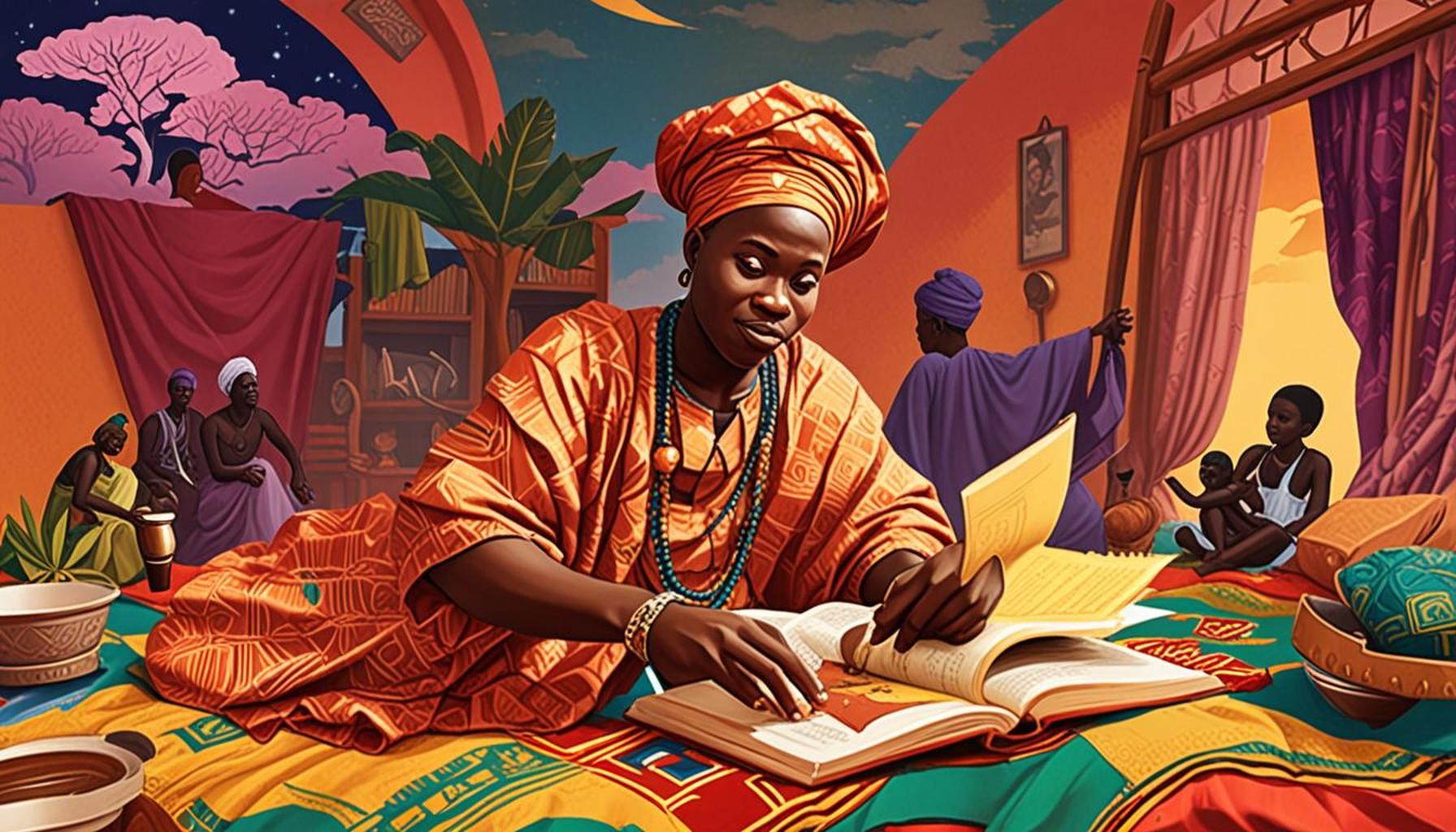
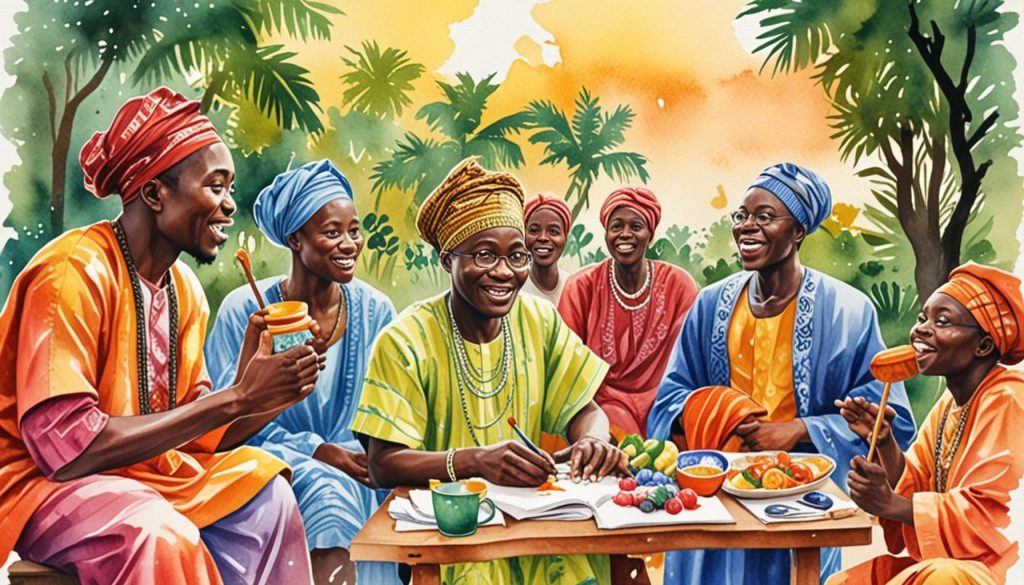
Local legends form the foundation of Nigeria’s rich storytelling tapestry, each tale serving as both entertainment and a crucial imparting of values and wisdom. These stories transcend mere narrative; they encapsulate profound life lessons that reflect the culture and ethos of various ethnic groups. Nigerian folklore thrives particularly in rural areas, where storytelling is an integral part of community life and is passed down through generations during evenings around the fire.
One of the most celebrated figures in Nigerian folklore is the tortoise, whose antics often illustrate the importance of being clever and resourceful in challenging situations. For instance, in one popular tale, the tortoise seeks to outwit the other animals by concocting a plan to gain access to a feast. His cleverness highlights the message that intelligence can sometimes prevail over brute strength. Similarly, stories of the wise old woman in various communities emphasize the power of knowledge and community support, reminding listeners that wisdom frequently rests with the elders and that cooperation nurtures societal growth.
Beyond these whimsical fables, historical narratives play an equally crucial role in shaping the consciousness of Nigerian communities. Through tales of great leaders and epic battles, these stories preserve the memories of significant events. Take, for instance, the narratives surrounding the Integrative Wars. These accounts of resistance against colonial oppression embody themes of valor, resilience, and the importance of unity in the face of adversity. Communities recount their ancestors’ struggles and triumphs, instilling a sense of pride in their heritage and reinforcing the need for solidarity among contemporary generations.
A notable local legend that transcends regional boundaries is that of the Sango, the god of thunder and lightning, who embodies the heroic spirit of the Yoruba people. Sango’s tales, filled with adventure and moral dilemmas, teach lessons about strength, justice, and the consequences of one’s choices. This god’s narratives not only entertain but also engage the audience with deeper reflections on morality and community responsibilities.
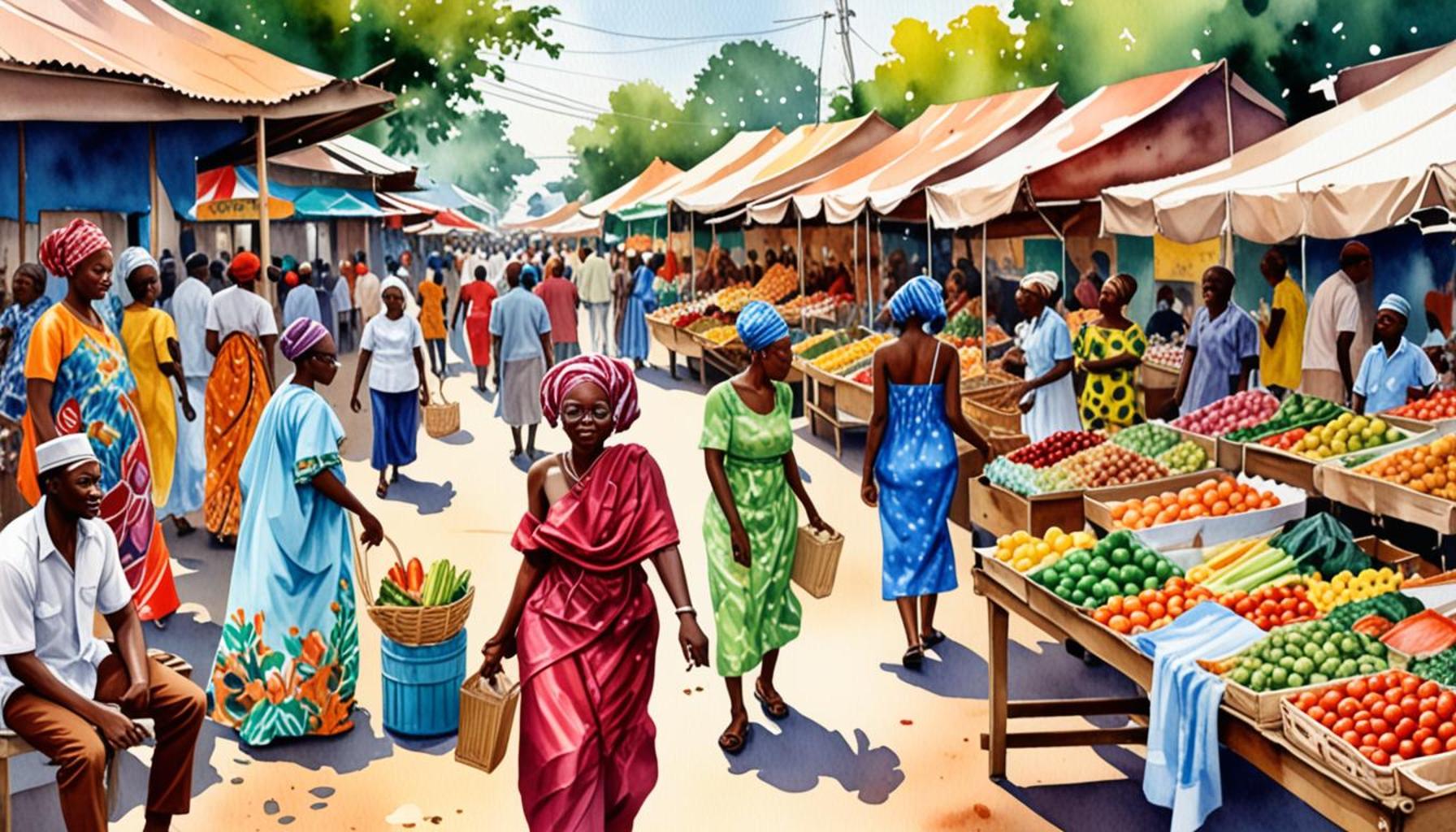
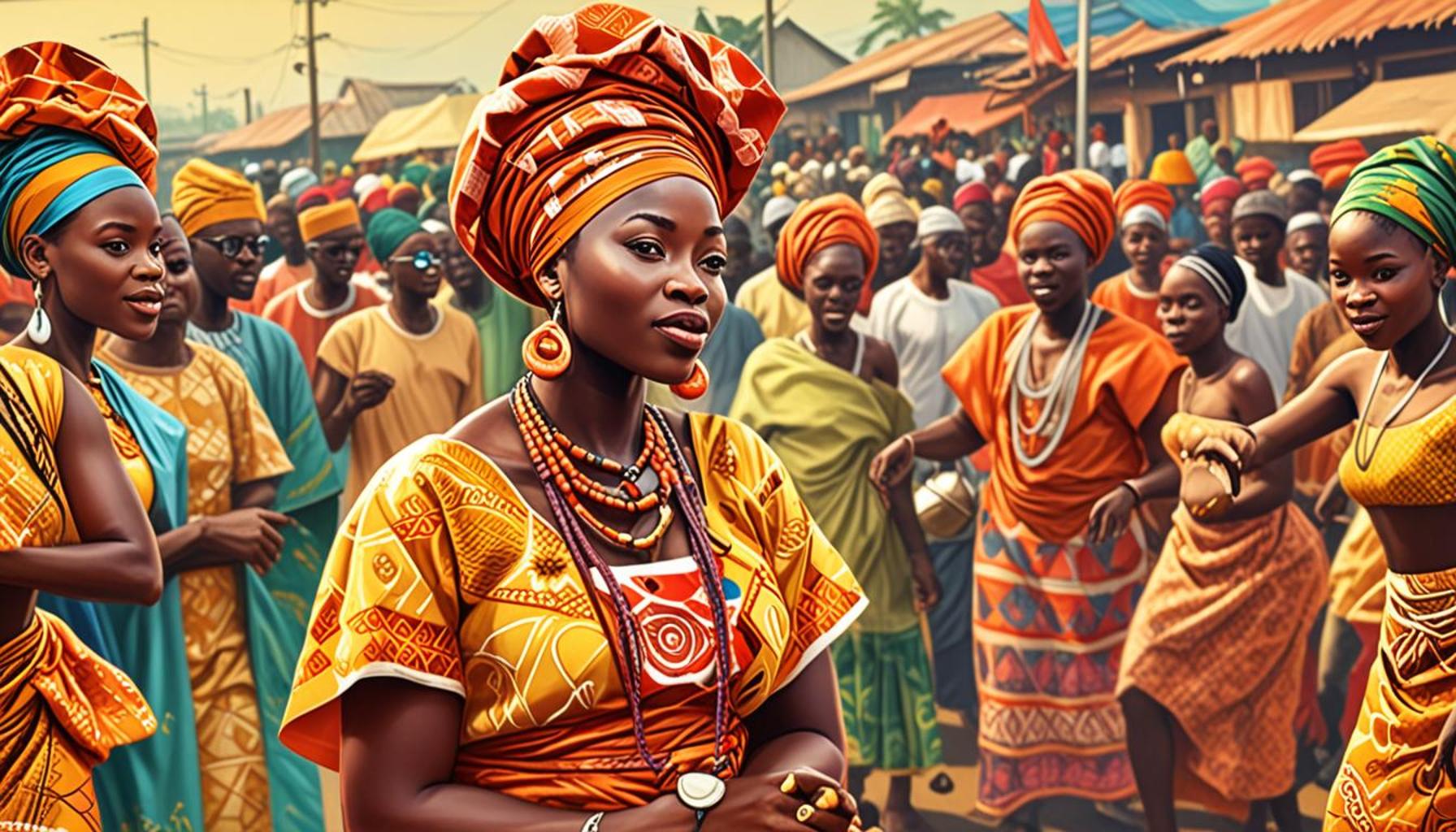
Moreover, the cultural significance of these legends cannot be overstated. They form part of various festivals and community gatherings that celebrate local heritage. Events such as the Yoruba Festivals where the stories of Sango are told, allow communities to connect with their traditions through song, dance, and oral storytelling. These gatherings reinforce cultural identity, instilling values among the youth while keeping the essence of their history alive.
As we delve deeper into this literary itinerary, it becomes evident that each tale serves not only to entertain but also to educate. The threads of these local legends weave a narrative that binds the people of Nigeria together in shared experiences, beliefs, and values. Discovering these stories offers insights into the rich cultural fabric of the nation, inviting a sense of belonging and understanding that resonates across generations.
| Advantages | Impact on Culture |
|---|---|
| Exploration of Rich Folklore | Preserves key narratives from diverse Nigerian ethnic groups. |
| Enhances Literary Appreciation | Fosters a deeper understanding of local customs and values. |
| Motivates Learning | Encourages the youth to discover their cultural roots. |
| Strengthens Community Bonds | Brings people together through shared storytelling traditions. |
As you embark on this literary journey through Nigerian tales and legends, enjoy the potent blend of stories that reflect contrasting yet intertwined histories. These narratives not only entertain but also serve as crucial resources for cultural education. They unveil the intricate values and beliefs ingrained within the local communities. By reviving these tales, individuals can appreciate the beauty and wisdom embedded in Nigerian culture.The impact on cultural identity remains profound, especially among younger generations eager to reconnect with their heritage. Engaging with these stories can empower them to appreciate their own traditions and narratives, fostering a sense of pride and responsibility to share and preserve these cultural treasures.With every tale, you dive deeper into Nigeria’s rich tapestry of mythology and moral lessons, encouraging a proactive approach to understanding and celebrating the essence of Nigerian literary traditions.
YOU MAY ALSO LIKE: Read read another article
The Epics of Oral Traditions: Keeping Heritage Alive
Nigerian literature is not solely composed of local legends; it also boasts a rich array of epic tales that embody the complexities of society, heroism, and the struggles of humanity. These epics often recount the feats of legendary heroes, providing a window into the past that reflects the values, cultures, and histories of Nigeria’s diverse ethnic groups. Among these, the epic of Queen Amina of Zazzau stands out as a fascinating narrative that illustrates not only the adventurous spirit of this female warrior but also the roles of women in pre-colonial societies.
Her tale of leadership, military prowess, and resilience in the face of adversity serves as a compelling reminder of the remarkable contributions of women throughout Nigerian history. The narrative of Amina, who expanded her kingdom, emphasizes themes such as strength, autonomy, and the significance of strategic leadership. This epic not only inspires but also encourages contemporary discussions about gender roles within the context of African traditions.
Another vital epic is the story of Obatala, the creator deity in Yoruba mythology. Obatala’s tale is deeply infused with spiritual significance, exploring themes of creation, moral rectitude, and the human condition. Narratives surrounding him emphasize the importance of righteousness and respect for nature, urging listeners to live harmoniously with their environment. The character of Obatala serves as a guiding figure, connecting individuals to their spiritual roots while instilling a sense of ethical responsibility.
A Convergence of Cultures: The Influence of Griots
In addition to local legends and epics, the role of griots—or traditional storytellers—cannot be overlooked. These custodians of oral history are pivotal in preserving and transmitting knowledge, understanding, and cultural heritage through their performances. The art of storytelling becomes a multi-layered experience; griots masterfully weave together music, poetry, and drama, captivating audiences while narrating historical events and societal morals.
Through their enchanting storytelling, griots also serve as cultural historians, often recounting the oral histories of families, towns, and entire nations. Their narratives highlight the connections among social, political, and economic events in history, providing invaluable context for understanding contemporary issues facing Nigeria. Festivals dedicated to the griots herald these legends, re-establishing community ties and reinforcing cultural identities.
Literary Revival: Accessing Nigerian Heritage through Modern Mediums
Interestingly, modern writers and poets are also drawing inspiration from these rich oral traditions. A new generation of Nigerian authors, such as Chinua Achebe and Ben Okri, brings forth themes from local legends and historical narratives into contemporary formats, contributing to a literary conversation that spans beyond borders. Their works introduce these tales to global audiences, ensuring that the wisdom contained in them does not fade into obscurity.
The revival of interest in storytelling has also seen innovative expressions through various mediums including theatre, film, and even radio dramas. Initiatives aimed at adapting these timeless legends into modern narratives are actively engaging younger generations, inviting them to explore their roots and embrace their identity amidst a rapidly evolving world. By creating accessible platforms to share these stories, Nigeria not only preserves its rich heritage but also fosters a sense of unity and cultural pride.
Ultimately, this literary itinerary in Nigerian traditions underscores the significance of tales and legends as vital avenues for preserving wisdom, cultural identity, and community resilience. The legacy lives on through generations, inviting each new storyteller to add their brushstrokes to this ever-evolving canvas of Nigerian culture.
YOU MAY ALSO LIKE: Read read another article
Conclusion: Embracing the Rich Tapestry of Nigerian Narratives
As we traverse the vibrant landscape of Nigerian traditions, it becomes abundantly clear that tales and legends are more than mere stories; they represent a profound connection to cultural heritage and a reflection of the collective consciousness of various ethnic communities. From the legendary exploits of Queen Amina to the spiritual teachings encapsulated in the folklore of Obatala, these narratives resonate with themes of strength, resilience, and ethical responsibility that continue to shape societal values across generations.
The invaluable contributions of griots as custodians of oral history reinforce the significance of storytelling in preserving memories and fostering community ties. Their performances illuminate how historical events and cultural morals are intricately woven into the very fabric of Nigerian society. Modern adaptations by contemporary authors like Chinua Achebe and Ben Okri serve as a bridge, connecting traditional tales with today’s global audience and fostering an appreciation for Nigeria’s literary heritage.
As we deepen our understanding of these narratives, we are invited to reflect upon our identities and embrace the rich diversity inherent in the cultural tapestries of Nigeria. This literary journey not only enriches our knowledge but also fuels a renewed sense of pride and unity among the people. Ultimately, the tales and legends of Nigeria are more than artifacts of the past; they remain living legacies, urging each storyteller to contribute to an ever-evolving narrative, ensuring that the wisdom and beauty of these traditions continue to thrive in the hearts and minds of future generations.