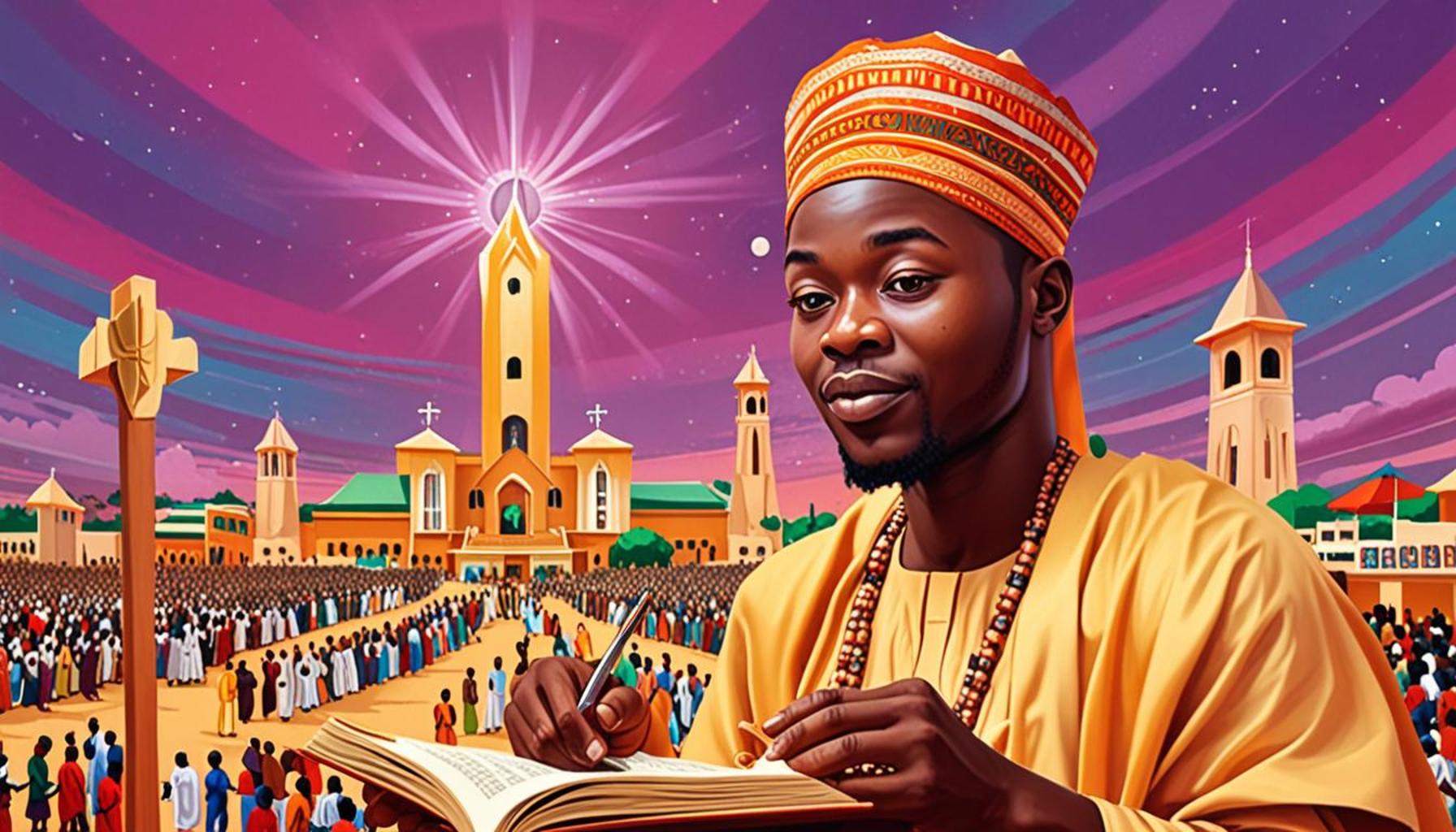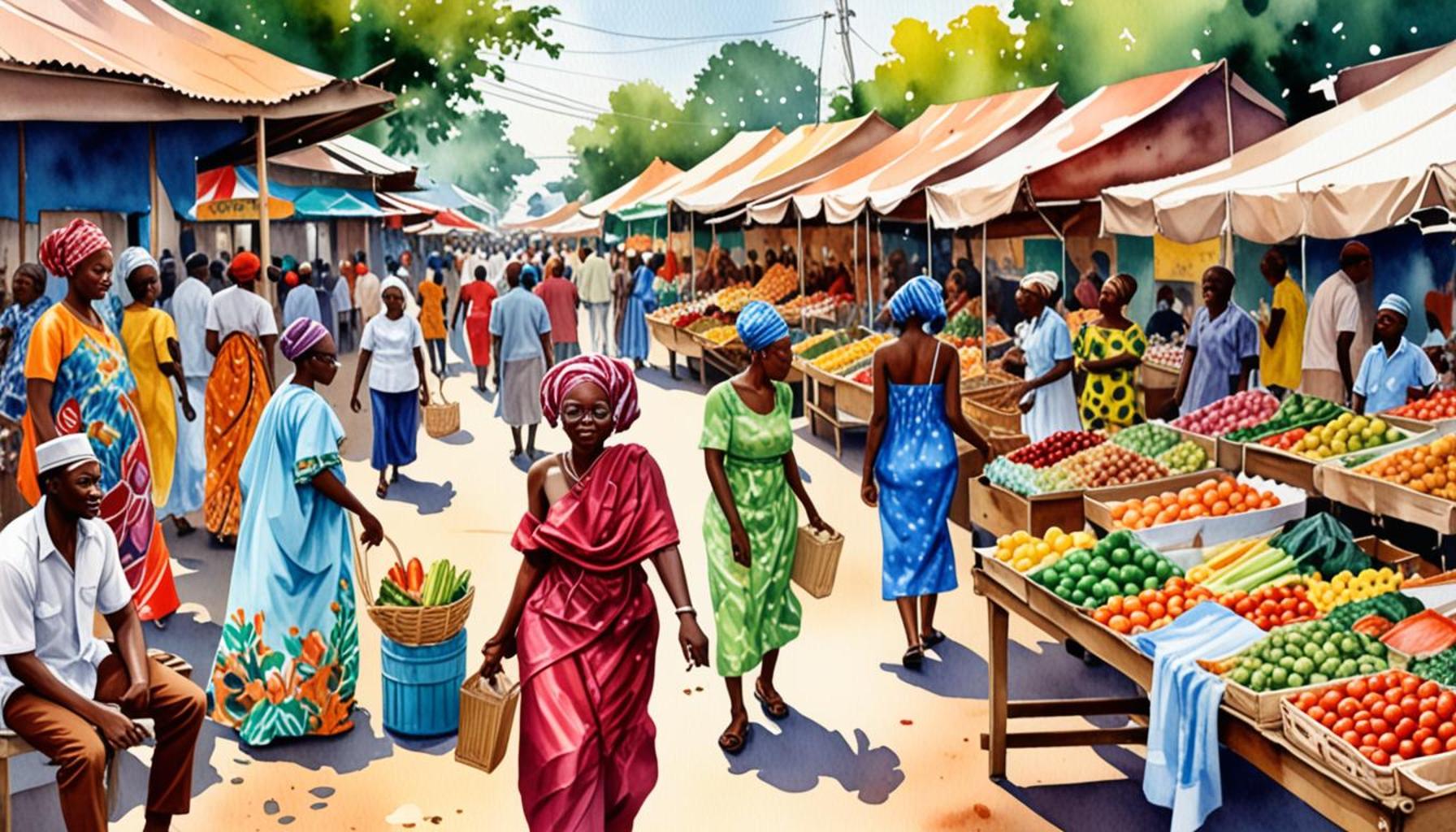
Journey Through History: Routes to Explore Nigeria’s Cultural Heritage
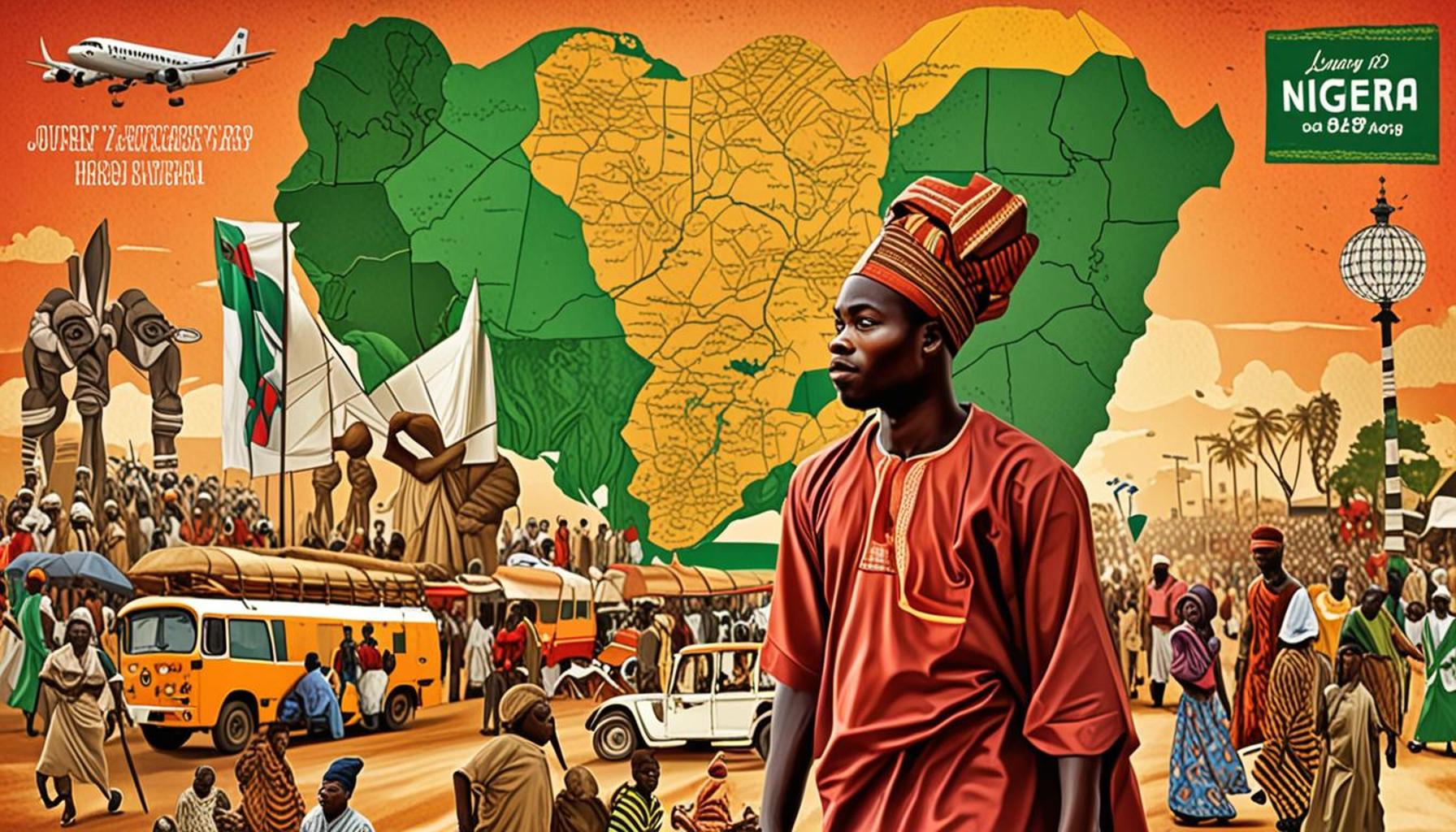
The Essence of Nigeria’s Cultural Richness
Nigeria stands as a vibrant example of cultural diversity, reflecting the intricate tapestry of over 250 ethnic groups, each with their own distinctive traditions, languages, and histories. This wealth of cultural heritage invites both locals and travelers to delve deep into the heart of Nigeria, where every region presents a unique narrative shaped by historical events, geographical distinctions, and social dynamics. From the lively urban centers that buzz with entrepreneurial spirit to tranquil rural settings steeped in age-old customs, there are countless avenues for exploration.
Key Routes to Experience
- The Trans-Saharan Trade Route: This ancient pathway, once bustling with merchants, facilitated trade between Nigeria and North Africa. Notably, the trade of salt, gold, and textiles forged connections that transcended mere commerce. Today, remnants of this route can be seen in the cultural practices and languages that continue to thrive, showcasing the enduring legacy of those early exchanges.
- The Niger River: As one of Africa’s longest rivers, the Niger has been a lifeline for numerous communities. Apart from providing essential resources for irrigation and sustenance, it’s also a backdrop for vibrant festivals and ceremonial events. For example, the annual Argungu Fishing Festival celebrates the river’s bounty, drawing people from far and wide to participate in a display of culture and community spirit.
- The Slave Route: This path offers a sobering reflection on Nigeria’s role in the transatlantic slave trade. Visiting sites like Badagry, which features the Slave History Museum, provides insight into the harrowing histories that have shaped not just Nigeria, but the African diaspora. Understanding this grim chapter is crucial for grasping the complexities of cultural identity today.
- Heritage Trails in Benin City: Home to the renowned Benin Kingdom, this area is rich in history, featuring the ancient walls constructed in the 15th century, recognized by UNESCO. Exploring the palace grounds, museums, and art markets reveals the artistic talent of the Edo people, renowned for their bronze sculptures and intricate cloth weaving techniques.
These routes illuminate the multihued layers of Nigeria’s historical and cultural significance, enhancing our appreciation of indigenous practices and artistic expressions. Beyond the physical sites, one can engage with a plethora of festivals, such as the Osun-Osogbo Festival, showcasing traditional beliefs that celebrate harmony with nature and reverence for deities.
Why Explore?
Involvement in Nigeria’s cultural heritage provides a meaningful opportunity to connect with the past while fostering an appreciation for the present. Each visit to a heritage site or participation in a local festival immerses you in the rich traditions, diverse languages, and mouth-watering culinary delights that define Nigeria’s identity. From savoring jollof rice to experiencing the rhythmic beats of the talking drum, these experiences shape one’s understanding of community and identity.
Curiosity is your best guide; it leads you through the complexities and beauty of Nigeria’s culture. Whether you are seeking connection, education, or simply adventure, the wealth of stories waiting to be uncovered will enrich your life and deepen your understanding of this fascinating country.
CHECK OUT: Click here to explore more

Exploring Nigeria’s Diverse Traditions
Nigeria’s cultural heritage is not a monolith but a rich mosaic created from centuries of interaction and exchange among its many ethnic groups. Each group contributes unique customs, languages, and artistic expressions that converge to form a vibrant national identity. To truly appreciate this diversity, one must embark on a journey through Nigeria’s key cultural routes that provide glimpses into the lives, struggles, and triumphs of its people. These routes are more than just paths; they are gateways to understanding the soul of a nation forged by history.
The Trans-Saharan Trade Route
One of the cornerstones of Nigeria’s historical identity is the Trans-Saharan Trade Route. This ancient network facilitated the exchange of not just commodities, but also ideas, cultures, and religions. Stretching from the northern reaches of Nigeria to the bustling markets of North Africa, it supported the trade of goods like salt, gold, and textiles. Today, the influences of this route are palpable in the languages spoken in northern Nigeria, such as Hausa, which utilizes a myriad of Arabic vocabulary adapted through centuries of exchange.
The Niger River: The Heartbeat of Communities
The Niger River serves as a vital artery through the center of Nigeria, crucial for various local economies and social practices. Historically, this river has supported numerous tribes, providing fresh water for drinking and agriculture. In contemporary times, it hosts the internationally celebrated Argungu Fishing Festival, where competitors engage in a traditional fishing competition that reflects the community’s spirit and reverence for natural resources. The festival not only highlights the cultural significance of the river but also showcases traditional crafts and music, enhancing the communal experience.
The Slave Route: A Historical Reflection
The Slave Route presents a more somber narrative, drawing attention to Nigeria’s role in the transatlantic slave trade. A visit to places like Badagry, which features the poignant Slave History Museum, confronts visitors with the realities of this grim chapter. Here, historical artifacts intertwine with stories of resilience and survival, making it a powerful site for reflection on the enduring impact of the slave trade on contemporary African identity. Understanding this history is essential for anyone seeking to grasp the complexities of Nigeria’s cultural landscape today.
Heritage Trails in Benin City
Another essential stop on the journey through Nigeria’s cultural heritage is Benin City, a historical hub dominated by the legacy of the Benin Kingdom. Characterized by its iconic ancient walls and captivating palaces, this city boasts a rich artistic heritage. The Benin Bronzes are globally recognized for their exquisite craftsmanship, illustrating the Edo people’s artistry and their unique narratives. Exploring local art markets and museums immerses visitors in the vibrancy and depth of Benin culture, reinforcing the kingdom’s significance in Nigeria’s historical context.
Through these routes—each one telling its own unique story—travelers and locals alike can appreciate the overarching themes of resilience, creativity, and community that define Nigeria’s cultural heritage. Encountering diverse languages, traditional cuisine, and local rituals further invites deeper engagement with the multitude of narratives that shape Nigeria’s rich historical tapestry.
| Category | Description |
|---|---|
| Cultural Festivals | Experience vibrant celebrations that showcase Nigeria’s rich traditions and communal values. |
| Historical Landmarks | Visit significant sites that tell the tales of Nigeria’s diverse history and heritage. |
| Art and Craftsmanship | Discover skilled artisans preserving ancient techniques while creating unique masterpieces. |
| Culinary Heritage | Savor traditional dishes that reflect the diverse ingredients and influences across Nigeria. |
Exploring the theme of ‘Journey Through History: Routes to Explore Nigeria’s Cultural Heritage’ opens a window into a tapestry of experiences that engage all senses. Attending cultural festivals such as the Osun-Osogbo Festival not only showcases the dynamic celebrations unique to various ethnic groups but also immerses visitors in rituals that have been passed down through generations.Meanwhile, the historical landmarks, such as the ancient city of Kano and the remnants of the Bantu migrations, provide crucial insights into Nigeria’s intriguing past. These structures serve as a reminder of the evolution of societies within the region, making them essential stops on any cultural journey.Art and craftsmanship highlight Nigeria’s creative prowess, where local artisans continue to uphold traditions while adapting to modern influences. Engaging with these craftsmen offers visitors a chance to appreciate the painstaking effort behind each creation and further enrich their understanding of the country’s heritage.Lastly, one cannot overlook Nigeria’s exquisite culinary heritage. Dishes like Jollof rice and Suya embody the fusion of various ethnic influences, allowing travelers to enjoy not just food, but stories encapsulated in every bite.This journey into Nigeria’s cultural heritage not only promises an enlightening experience but also serves as a bridge connecting the past with the present, fostering greater appreciation for one of Africa’s most vibrant nations.
SEE ALSO: Click here to read another article
Art and Festivals: Celebrating Nigeria’s Cultural Identity
Nigeria’s cultural narrative is not only encapsulated through its historical routes but also vibrantly expressed through its festivals and art forms. Each region of the country showcases distinctive celebrations that reflect ancestral traditions, craftsmanship, and communal ties. Among these, the New Yam Festival in southeastern Nigeria stands out as a testament to the agricultural heritage and communal thanks of the Igbo people. This colorful event features traditional music, dancing, and the consumption of yam, symbolizing prosperity and a bountiful harvest.
The Osun-Osogbo Festival
Another significant cultural event is the Osun-Osogbo Festival, held annually in Osogbo, the capital of Osun State. This festival honors the river goddess Osun and attracts thousands of visitors, both local and international. The festivities last for two weeks and include a sacred pilgrimage to the river, traditional rituals, and a vibrant display of artistry with elaborate costumes and masks. Such rituals not only reinforce the connection to spirituality and nature but also serve to initiate younger generations into the traditions of the Yoruba people.
Igbo Masquerade Festivals
Traveling across regions, one encounters the Igbo Masquerade Festivals, where masked dancers embody ancestral spirits, conveying messages from the spiritual realm and celebrating the community’s history and values. The Ekpe and Masquerade rituals serve as both entertainment and cultural education, allowing community members to engage with their heritage dynamically. Through these performances, the Igbo people showcase their rich storytelling tradition steeped in morality tales and folklore.
The Role of Traditional Crafts
The creative vibrancy of Nigeria is further illuminated through traditional crafting skills that are passed down through generations. From the intricate Adire textile designs of the Yoruba to the beautiful beadwork of the Igbo, each craft is characterized by its unique patterns and symbolism. Artisans in local workshops allow travelers to witness the creative process firsthand, offering workshops that educate participants about different methods and cultural significance behind each craft. These experiences not only support local economies but also encourage cultural preservation.
Furthermore, modern artists are blending traditional motifs with contemporary concepts, creating a synergy that resonates with both local and global audiences. Notable artists such as El Anatsui and Yinka Shonibare have propelled Nigerian art onto international stages, showcasing how Nigeria’s rich heritage continues to influence contemporary artistic expressions. Their works invite introspection into the complexities of identity, memory, and history.
Musical Heritage: Sounds of Nigeria
The soundscape of Nigeria is as diverse as its cultures, boasting rhythms that tell the nation’s stories. Traditional music forms such as Highlife, Afrobeats, and Fuji music serve as a backdrop to various cultural expressions. Festivals often feature live performances that merge traditional sounds with modern influences, demonstrating the evolution of musical heritage. Additionally, local musicians often collaborate with international artists, creating a cultural dialogue that bridges past and present.
Engaging with Nigeria’s art, festivals, and crafts offers profound insights into the nation’s spirit, resilience, and creativity. These vibrant components not only enrich the cultural experience but also create a sense of connection among people sharing these narratives through time, continuously forging a stronger national identity amid a backdrop of diversity.
SEE ALSO: Click here to read another article
Conclusion: Unveiling Nigeria’s Cultural Tapestry
Nigeria is a vibrant mosaic of cultures, histories, and traditions waiting to be explored. Each city, festival, and artwork tells a unique story that contributes to the country’s rich cultural heritage. From the New Yam Festival celebrating the bounty of the earth to the mesmerizing Osun-Osogbo Festival, which intertwines spirituality with community, these cultural expressions reveal the depth of Nigeria’s identity. The rhythmic pulse of local music—from Highlife to Afrobeats—serves not only as entertainment but as a vital bridge connecting generations and contrasting historical narratives.
Furthermore, traditional crafts such as the detailed Adire textiles and intricate beadwork exemplify the skill and creativity ingrained in Nigerian society. As artisans thrive, they serve a dual purpose: preserving heritage while fostering economic sustainability. Engaging with these art forms cultivates a tangible understanding of the nation’s history, allowing visitors to appreciate not just the aesthetic but the profound cultural significance behind each piece.
As one embarks on this journey through history, exploring Nigeria’s cultural routes, it’s clear that the fabric of its heritage is woven with resilience, vibrancy, and diversity. Each festival, tradition, and song acts as a testimony to the people’s spirit and their unyielding connection to their roots. Therefore, whether you are a local resident or an international traveler, immersing yourself in Nigeria’s cultural landscape is not just an exploration of the past, but an invitation to engage with a living and evolving expression of identity. Discover, celebrate, and contribute to this rich tapestry—Nigeria’s heritage beckons your exploration.