Music and Dance Script: Experiencing the Cultural Traditions of Nigeria
The Vibrant Expression of Culture in Nigeria
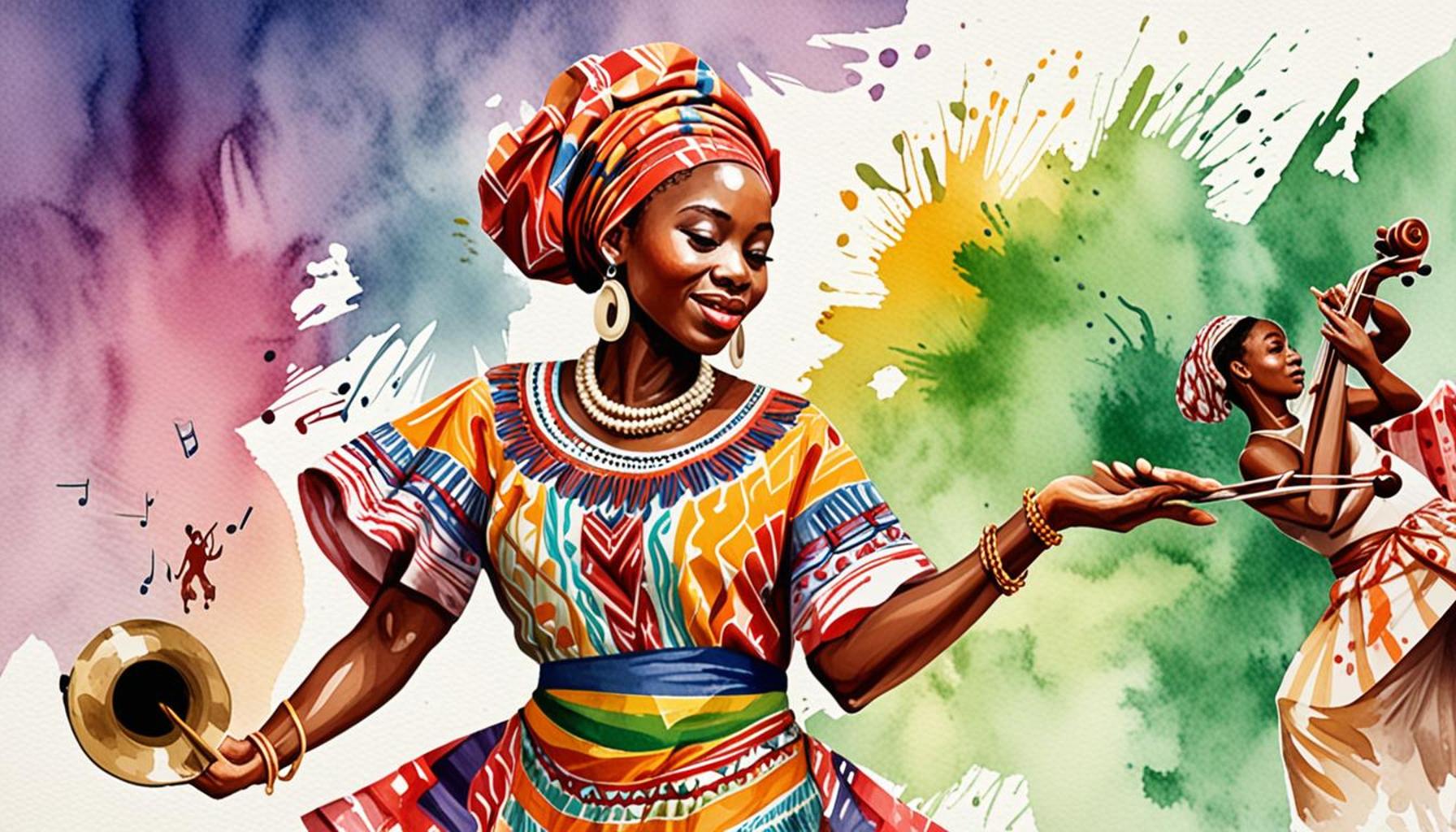
In Nigeria, music and dance are woven into the very fabric of everyday life. They serve as tools for storytelling, communication, and the preservation of culture, elevating them beyond mere entertainment to powerful mediums of expression. Nigeria’s diverse ethnic groups each offer a unique perspective, contributing to a rich cultural tapestry that reflects the nation’s history, struggles, and triumphs.
Key Cultural Elements
- Traditional Instruments: The sound of a talking drum is unmistakable; its pitch can be manipulated to mimic human speech, allowing for a conversation of sorts through music. Meanwhile, the rhythmic shake of a shekere, made from a gourd and adorned with beads, adds a layer of percussive dynamism to performances. The ogele, a wooden flute commonly played in the northern regions, additionally enriches the auditory landscape, creating an intricate sound that embodies local storytelling traditions.
- Dance Styles: Dance in Nigeria is as diverse as its people; the zanku, popularized by contemporary artists, is characterized by its rapid footwork and vibrant movements that energize onlookers. In contrast, the ekombi dance, originating from the Efik people of Cross River State, emphasizes fluid motions, celebrating femininity and grace. Each dance tells its own story, often reflecting the values and traditions of the communities it originates from.
- Festivals: Festivals like the Osun-Osogbo Festival in Osun State showcase the sacred bond between music, dance, and spirituality. Celebrating the goddess Osun, attendees engage in elaborate dances infused with ritualistic significance, connecting them to their ancestors and cultural roots. Such events not only foster unity within communities but also invite visitors to experience the essence of Nigeria’s cultural richness.
The role of music and dance extends to social gatherings, including weddings and communal festivals. These celebrations often feature performances that capture the collective history and aspirations of the people, acting as a unifying force. Through melody and movement, communities pass down traditions, ensuring that stories and values endure. In Nigeria, the dancefloor becomes a sacred space where generations converge, sharing laughter, grief, and joy, securing their cultural identity.
Engaging with Nigeria’s extensive musical landscape is an invitation to dive deep into the heart of vibrant cultures. The rhythms and harmonies echo the resilience and creativity of its people, beckoning all who wish to discover the profound narratives woven into each beat. As you explore, you will realize that the essence of Nigeria pulsates not just in its cities and landscapes, but even more so in the rich tapestry of its music and dance traditions.
LEARN MORE: This related article may interest you
Cultural Narratives Through Music and Dance
In the kaleidoscopic realm of Nigerian culture, music and dance serve not only as forms of entertainment but as vital narratives that encapsulate the essence of various communities. Each performance is a celebration of history, spirituality, and societal values, showcasing the intricate connections between the rhythms and movements of the people. Performers skillfully use their bodies and instruments to convey messages, preserving the tales of ancestors while adapting to contemporary influences.
The Power of Traditional Instruments
The heartbeat of Nigerian music can be felt through its traditional instruments, each with its own story and significance. For instance, the agba and gongon drums resonate in ceremonies and celebrations, with the former reverberating deep, soulful tones, while the latter keeps the tempo alive with its sharper beats. Beyond rhythm, these instruments also function as symbols of identity, with various regions favoring specific sounds that resonate with their cultural uniqueness. The use of the udu, a clay pot drum from the southern regions, embodies the creativity and resourcefulness of the communities, as it produces a rich and soothing sound that captivates audiences.
Dance as a Storytelling Medium
Dance in Nigeria is more than just movement; it is a reflection of the complexities of life. Every twist and turn serves a purpose, often narrating stories of love, harvest, spirituality, and community values. For example, the battleground dance from the Yoruba ethnicity serves to reenact historical battles, allowing descendants to connect with their past while educating younger generations about their heritage. Similarly, the flamboyant masquerade dance, found among the Efik and Ibibio people, embodies expressions of joy, honoring spirits and ancestors during festive periods.
Community, Rituals, and Festivals
- The New Yam Festival: This is celebrated by the Igbo people, marking the beginning of the harvest season. Music and dance play an integral role, with vibrant performances showcasing traditional attire while expressing gratitude and hope for bountiful yields.
- The Eyo Festival: Known as the celebration of Lagos, this festival exhibits the cultural richness of the Yoruba people through dramatic processions, accompanied by live music that resonates through the streets, drawing locals and tourists alike.
- The Durbar Festival: Held during Eid celebrations, this festival in the northern regions features elaborate displays of horsemanship, accompanied by rhythmic drumming and songs, reinforcing the community’s Islamic heritage.
Through the lens of music and dance, one can witness the evolution of cultures, where ancient customs meet modern expressions. Community gatherings infused with these art forms inspire a sense of belonging, fostering connections among individuals while shaping their identities. Engaging with these traditions invites exploration into the narratives woven into Nigerian society, urging both locals and visitors to appreciate the depth of their collective history. In embracing the diverse tapestry of Nigeria’s music and dance, one embarks on a fascinating journey of discovery, offering insights that resonate beyond borders.
| Cultural Significance | Impact on Society |
|---|---|
| Traditional Music | Enhances community bonding and cultural identity. |
| Dance Forms | Promotes physical health and collective expression. |
| Storytelling through Music | Preserves historical narratives and folklore. |
| Educational Value | Facilitates intergenerational knowledge transfer. |
In the realm of Nigeria’s rich cultural traditions, music and dance serve as more than mere forms of entertainment; they are integral to the social fabric of the communities. Traditional music fosters a sense of belonging and cultural identity, bringing people together through shared rhythms and melodies. Each dance form, embodying the energies and stories of the different ethnic groups, encourages physical health and promotes an outlet for collective expression. Moreover, storytelling through music is an essential aspect of Nigerian culture, preserving historical narratives and folklore that have informed generations. It is not uncommon to find mesmerizing performances at festivals, where every beat tells a story. The educational value of these practices cannot be understated, as they facilitate the transfer of knowledge and traditions from one generation to the next, ensuring that the diverse cultural heritage of Nigeria thrives. By immersing oneself in these experiences, one truly begins to understand the profound significance of music and dance in Nigeria’s cultural landscape.
LEARN MORE: This related article may interest you
The Interplay of Music and Identity
In Nigeria, music and dance are profound expressions of identity, allowing communities to showcase their cultural heritage while fostering solidarity among members. This interplay of art forms captures the nuances of the diverse ethnic groups within the country, each with unique styles that resonate with their history and social dynamics. The rich tapestry of Nigerian culture reveals itself through these performances, encouraging individuals to connect with their roots while navigating the complexities of modern life.
Modern Adaptations and Cross-Cultural Influences
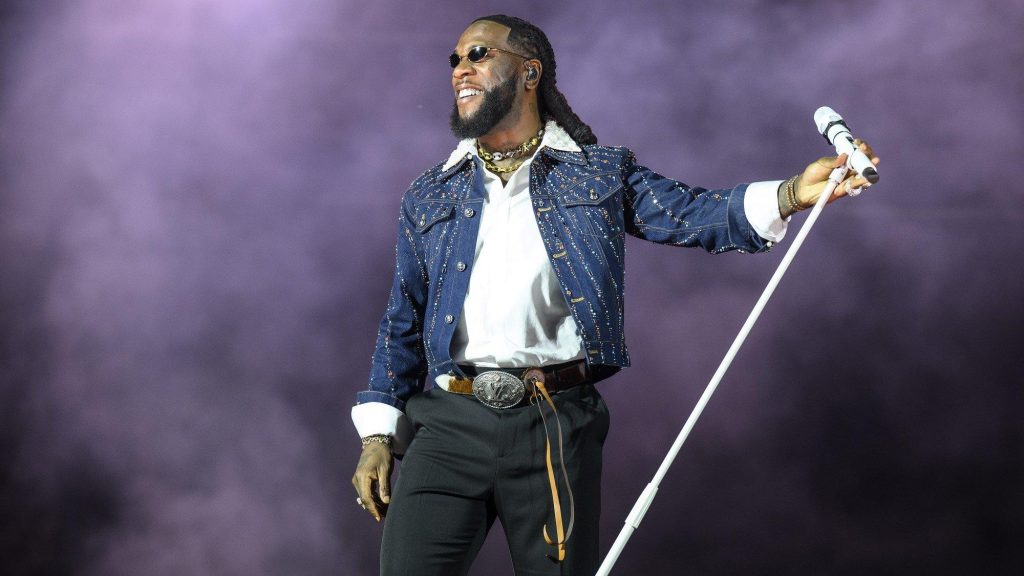
While traditional music and dance remain central to cultural expressions, contemporary Nigerian artists have begun to blend these forms with global music trends, creating an exciting fusion that appeals to younger generations. Genres like Afrobeats and Juju incorporate traditional rhythms and melodies, enriched by influences from hip-hop, reggae, and R&B. This artistic evolution has propelled Nigerian music onto global platforms, allowing local narratives to be told through songs that resonate with a wider audience.
For example, renowned artists such as Wizkid and Burna Boy have garnered international acclaim by marrying traditional Nigerian sounds with modern beats, thereby crafting a distinctive sound that reflects the pulse of contemporary Nigeria. Their lyrics often speak to cultural pride, social issues, and personal experiences, bridging gaps between the local and the global. Such evolutions of music not only entertain but also serve as a medium for dialogue, addressing themes that resonate with both local and international listeners.
Dance: A Living Archive of Tradition
Accompanying the musical landscape, dance remains a vital component of Nigeria’s cultural fabric. While each ethnic group has its own dance forms, shared influences allow for an intermingling that highlights broader narratives of unity and resilience. Traditions such as the palm wine dance, common in the southeastern regions, celebrate communal gatherings with spirited movements that invite participation from all ages. The dance is indicative of Nigeria’s belief in communal living, embodying an atmosphere of joy and togetherness.
Moreover, the kalangu dance from the North showcases the agility and skill of performers, embodying the hunting and gathering traditions of the Fulani people. These dances, often resembling storytelling, reflect the agricultural lifestyles, spiritual beliefs, and everyday experiences of communities. Each performance contributes to an ongoing narrative, ensuring that the stories of the past remain alive and relevant for future generations.
Cultural Preservation and Education
Nigerian music and dance serve as powerful educational tools, essential for preserving both language and tradition in an increasingly globalized world. Cultural organizations and schools are actively engaging communities through workshops and performances designed to teach younger generations about their cultural heritage. These initiatives not only promote the arts but also foster a sense of pride and ownership among participants, encouraging them to embrace their identity.
- Dance Workshops: Various non-governmental organizations host dance workshops aimed at teaching traditional dances to children, ensuring that these art forms are passed down through generations.
- Music Competitions: Programs such as the Nigerian Idol and Project Fame spotlight emerging talents, highlighting the importance of music in the cultural dialogue.
- Cultural Festivals: Events like the Lagos Carnival and the Osun-Osogbo Festival provide platforms for communities to showcase their dances and music, creating a profound sense of unity.
As music and dance continue to thrive in Nigeria, they stand as living chronicles of the nation’s history, a celebration of both cultural diversity and shared experiences. In experiencing these traditions, one embarks on a journey that transcends the rhythms of sound and movement, delving deep into the core of Nigerian identity.
SEE ALSO: Click here to read another article
Embracing Nigeria’s Cultural Heritage through Music and Dance
In conclusion, the convergence of music and dance in Nigeria serves as a vibrant testament to the rich cultural heritage that defines the nation. These art forms are not merely entertainment; they encapsulate the stories, values, and shared experiences of diverse ethnic groups, bridging generations and fostering community ties. As Nigerian music evolves with contemporary influences, it transcends geographical boundaries, inviting global audiences into the rich narratives woven within its rhythms and lyrics.
Furthermore, the role of cultural preservation through educational initiatives reaffirms the importance of transmitting traditional practices to younger generations. Events such as dance workshops, music competitions, and cultural festivals create platforms for engagement, ensuring that the essence of Nigerian tradition continues to thrive in modern society. This dynamic blend of tradition and innovation empowers individuals to celebrate their roots while engaging in a global dialogue, offering a unique perspective on identity in an interconnected world.
As you explore the invigorating realm of Nigerian music and dance, you embark on an enriching journey that reveals not only the complexity of a nation but also the universal emotions that resonate within each performance. The melodies and movements echo the spirit of a people proud of their past, optimistic about their future, and united in their cultural expressions. For those seeking to delve deeper into Nigeria’s vibrant traditions, engaging with local performances, participating in cultural festivals, or even joining a dance workshop can unlock a deeper understanding and appreciation of this remarkable heritage.