Spirituality Guide: Exploring the Religious and Cultural Centers of Nigeria
Understanding Nigeria’s Spiritual Landscape
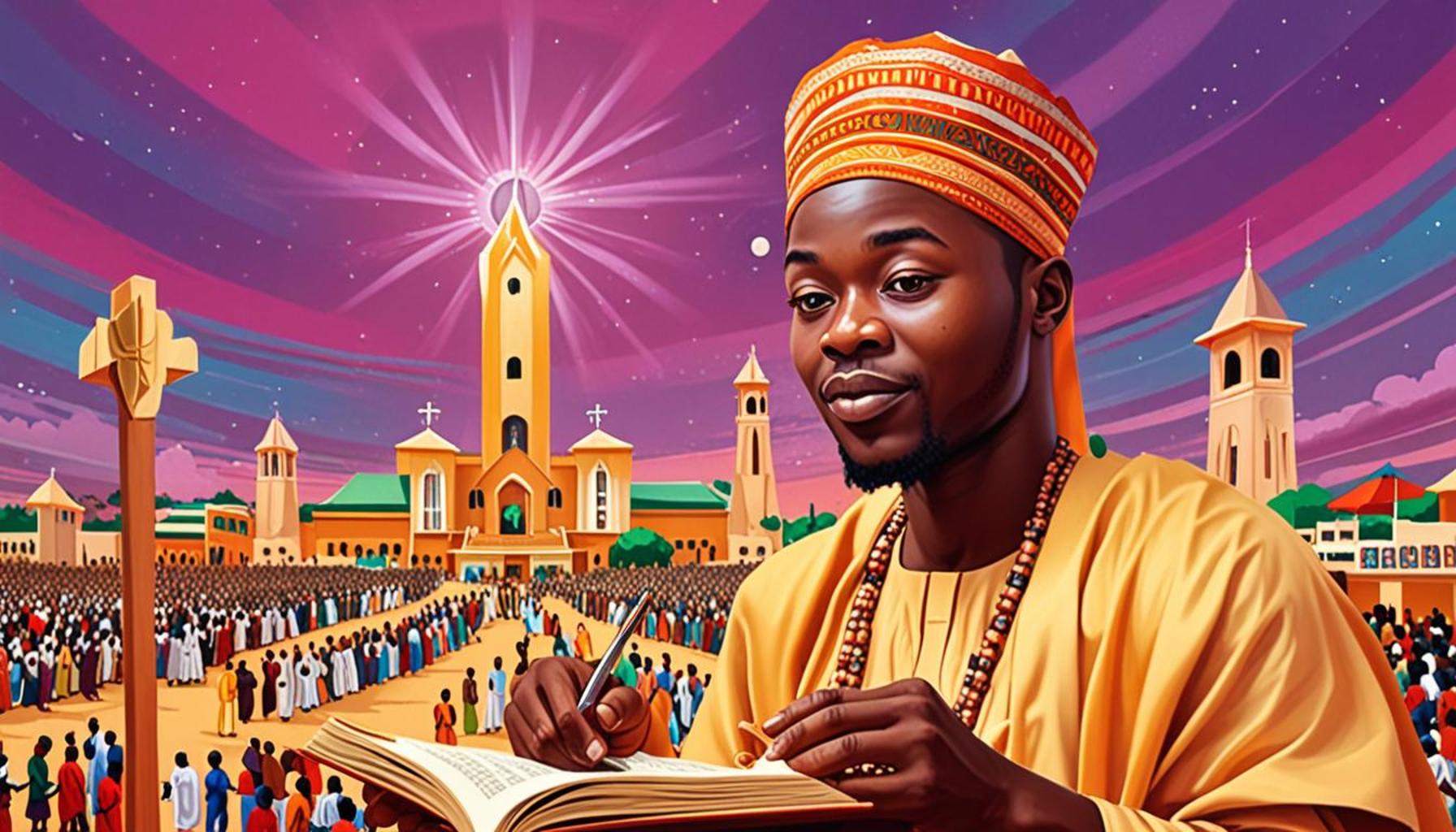
Nigeria’s spiritual landscape is as vibrant and intricate as the country’s rich tapestry of cultures. With over 200 ethnic groups, spirituality in Nigeria is expressed through an array of beliefs and practices, each steeped in profound history and significance. The coexistence of indigenous faiths alongside the two dominant religions, Christianity and Islam, creates a unique synthesis of spirituality that is both compelling and diverse.
- Religion Diversity: According to recent estimates, approximately 50% of Nigerians identify as Muslim, while around 48% are Christians. The remaining population practices indigenous religions, which often include a belief in ancestors, spirits, and nature deities. Examples of well-known indigenous faiths include those practiced by the Yoruba, Igbo, and Efik peoples, who often incorporate traditional rites and rituals into their spiritual lives.
- Religious Centers: Nigeria is dotted with significant religious landmarks. The Zaria Islamic Center is celebrated for its role in educating scholars in Islamic jurisprudence and theology, making it a prominent site for Muslim youths. The National Cathedral in Abuja, although still under construction, aims to be a central hub for Christian worship and a symbol of unity among Nigerian Christians. Meanwhile, the Oshun-Osogbo Sacred Grove, designated a UNESCO World Heritage Site, embodies the traditional beliefs of the Yoruba people and hosts annual pilgrimages to honor the river goddess Oshun, illustrating the enduring legacy of indigenous spirituality.
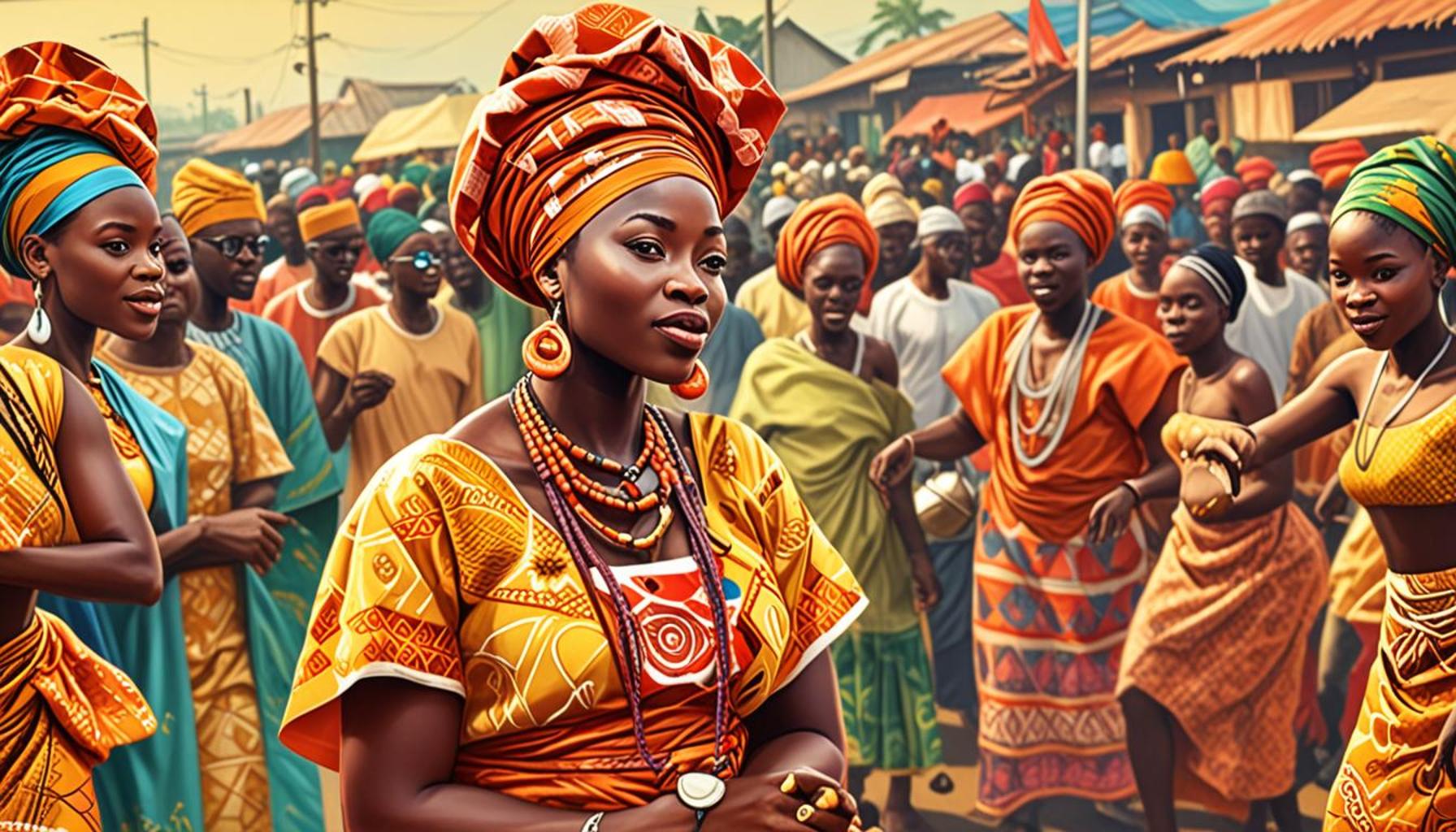
- Festivals and Events: Nigeria is famous for its exuberant festivals, which draw crowds from near and far, showcasing the deep connection between spirituality and community. The Osun-Osogbo Festival is a prime example, featuring vibrant processions, traditional music, and dance, all aimed at honoring the river goddess and appealing for her blessings. The Durbar Festival, celebrated in Northern Nigeria, showcases magnificent horsemen and colorful displays, reflecting Islamic traditions linked to the Eid celebrations. Furthermore, the Yam Festival, primarily celebrated by the Igbo people, marks the beginning of the harvest season and serves as a time of thanksgiving and community bonding.
These varying expressions of spirituality not only reveal personal beliefs but also strengthen community ties among diverse populations. As individuals explore these religious centers, festivals, and practices, they gain greater insights into the intersection of faith and culture that defines Nigerian identity. Furthermore, delving into these aspects encourages a deeper understanding of how spirituality shapes community resilience, social issues, and even art and music within Nigeria.
Ultimately, venturing into the spiritual heart of Nigeria offers an opportunity to appreciate a complex narrative of faith that has evolved over centuries. This exploration not only enriches personal knowledge but also contributes to a broader dialogue about the roles of spirituality in fostering unity within diversity, enlightening everyone about the profound depths of faith that resonate in every corner of this dynamic nation.
SEE ALSO: Click here to read another article
Major Religious Centers of Nigeria
As one traverses the diverse landscapes of Nigeria, it becomes evident that the country is not only a geographical marvel but also a spiritual epicenter. The myriad of religious centers throughout Nigeria illustrates the profound spiritual quest that defines its people. These centers, whether they are mosques, churches, or shrines dedicated to indigenous beliefs, attract spiritual seekers and tourists alike, offering a taste of Nigeria’s multifaceted spiritual fabric.
Islamic Centers
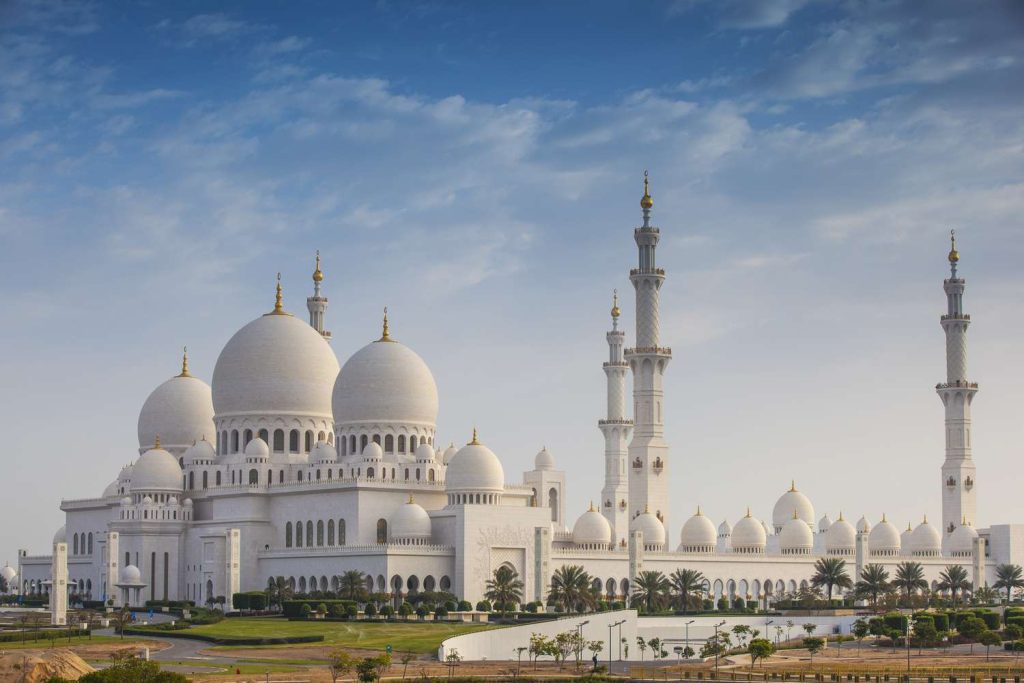
The prevalence of Islam in Nigeria, especially in the northern regions, is exemplified by renowned institutions such as the Ahmadu Bello University Mosque in Zaria. This majestic mosque not only serves as a place of worship for thousands but also functions as a hub for Islamic learning, including Quranic studies and Arabic language courses. Additionally, the National Mosque in Abuja stands tall as a symbol of unity for Nigerian Muslims, hosting significant events and religious functions that attract worshippers from across the nation.
Christian Sanctuaries
Conversely, Nigeria’s deep Christian roots can be seen through its many vibrant churches. The Cathedral Church of Christ in Lagos, a stunning architectural masterpiece, serves as the spiritual home for many Anglicans. Its interior dazzles worshippers with stained glass windows that narrate biblical stories, providing not just a place to worship but a rich historical experience as well. Another notable mention is the Winners’ Chapel headquarters in Ota, which pulsates with the energy of numerous congregants, signifying the flourishing evangelical movement across the country.
Indigenous Spiritual Sites
Nigeria’s indigenous religious sites offer a more nuanced understanding of its spirituality. The Oshun-Osogbo Sacred Grove stands out as a quintessential pilgrimage site for the Yoruba people, revered for its sacredness and connection to the river goddess Oshun. Visitors to this site partake in rituals that celebrate harmony with nature, venerating ancestors and spirits believed to influence their daily lives. Another important site is the Igbo Cultural Centre in Enugu, where traditional beliefs are preserved and celebrated through cultural festivals, art exhibitions, and educational programs.
Spiritual Pilgrimages and Events
The practice of pilgrimage is significant in Nigeria, bringing together communities and fostering cultural pride. Prominent events, such as the annual Oshun-Osogbo Festival, attract thousands of devotees who gather to participate in traditional rites intended to invoke blessings and protection. Similarly, the Pilgrimage to the Holy Land is a cherished event for many Nigerian Christians, seeking to deepen their faith through a physical connection with Biblical locations.
Through exploration of these religious centers and their accompanying practices, one can better appreciate how spirituality in Nigeria serves as a cornerstone for community identity, unity, and resilience. From the edifices that reach towards the heavens to the sacred groves that whisper ancient wisdom, each site holds the key to unlocking deeper understandings of faith in Nigeria’s diverse socio-cultural milieu.
Unveiling the Spiritual Tapestry of Nigeria
Nigeria is a profound realm of spirituality, where ancient traditions intersect with modern beliefs, creating a vibrant mosaic of cultures and religions. This guide aims to immerse you in the enriching experiences found within Nigeria’s religious and cultural centers, enabling you to grasp the essence of its spiritual heritage. From majestic temples to serene mosques, each site tells stories of devotion, history, and identity, inviting tourists and locals alike to engage in a spiritual journey like no other.
Cultural Significance
At the heart of Nigeria’s spirituality lies its diversity, manifested in over 250 ethnic groups, each holding distinct religious practices. Places such as the Aso Rock Mosque in Abuja reflect the deep roots of Islamic culture among the northern people, while the Mosque of the Holy Prophet invites visitors to experience the eloquence of Islamic architecture. Meanwhile, in the South, the Tabong Shrine exemplifies the rich traditions of indigenous religions, showcasing ceremonies that have endured through generations. These sites do not merely serve as places of worship; they are living museums of history, architecture, and community life.
| Category | Details |
|---|---|
| Cultural Centers | Exploring cultural hubs that depict the rich history and artistic expressions of various ethnic groups. |
| Spiritual Festivals | Experiencing vibrant festivals that celebrate the diversity of religious practices, drawing crowds from all over. |
Communal Engagement
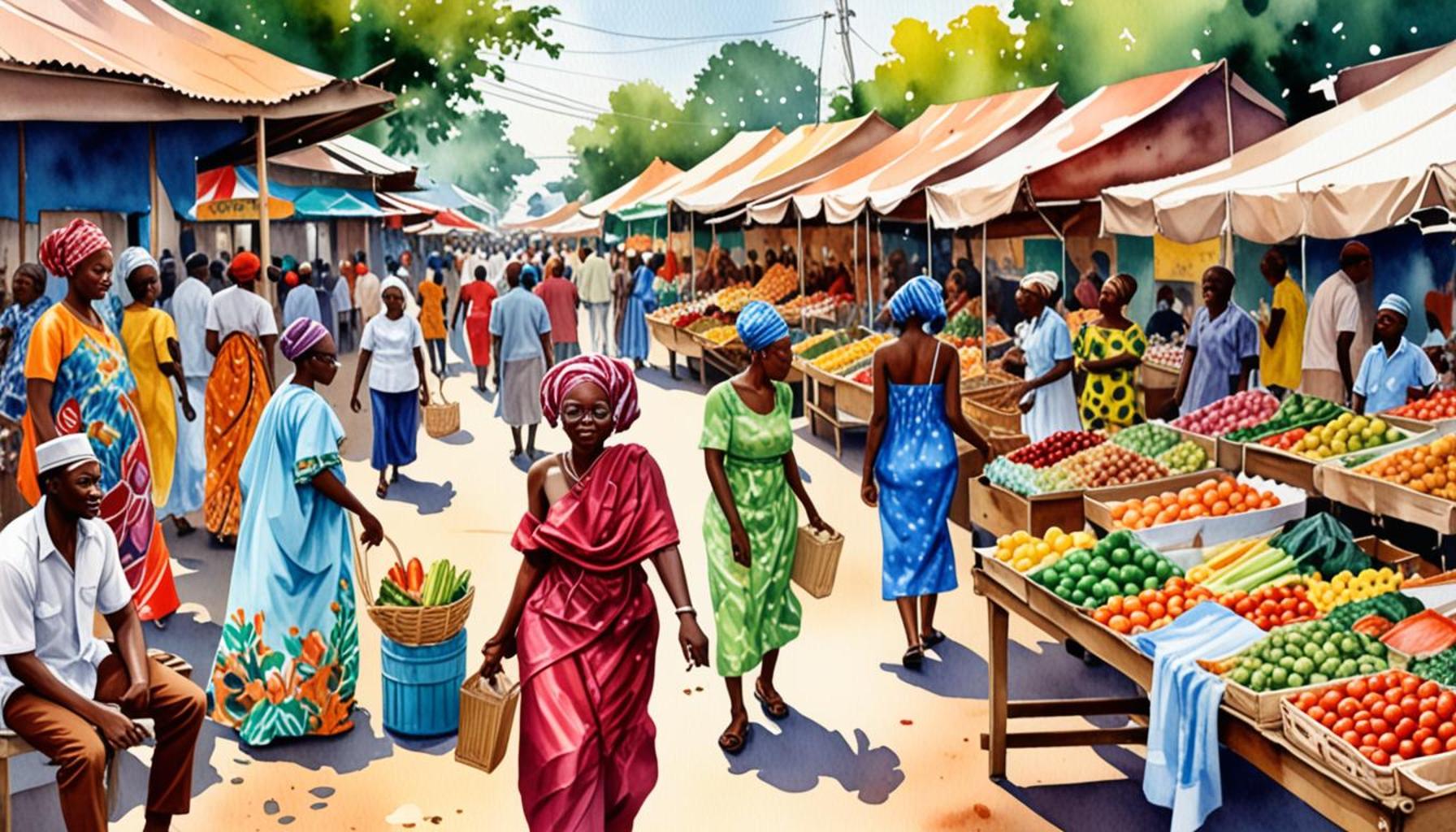
Moreover, Nigeria’s spiritual centers serve as crucial platforms for communal engagement. They foster a sense of belonging, promoting peace and understanding among diverse populations. Events held within these sites are often marked by traditional music, art, and food, making them not only religious gatherings but also cultural celebrations. Additionally, interfaith dialogues are increasingly becoming common, bridging gaps between followers of different religions and encouraging mutual respect and cooperation.As you delve deeper into Nigeria’s spiritual and cultural treasures, you will find that each visit enriches your understanding of the country’s identity and values. Whether it’s a pilgrimage site or a vibrant cultural festival, every experience offers a profound connection to the heart of Nigeria’s spiritual life.
RECOMMENDED: Check out this similar article
Exploring Cultural and Spiritual Festivals
In Nigeria, spirituality is deeply intertwined with culture, and this fusion is most vividly displayed during festivals that celebrate religious and traditional beliefs. These vibrant events not only foster community ties but also attract thousands of tourists eager to immerse themselves in Nigeria’s rich cultural tapestry.
The Argungu Fishing Festival
This annual festival, held in Kebbi State, showcases the essential connection between spirituality and the local culture. The Argungu Fishing Festival is a four-day event that honors fishermen’s skills and the role of water in sustaining life. Originally believed to be a ritual of gratitude to the river spirit, it includes various traditional activities such as fishing contests, cultural performances, and cooking competitions. As participants cast their nets into the waters, they engage in hands-on spiritual devotion while celebrating their heritage.
The Eyo Festival
In Lagos, the Eyo Festival serves as a vibrant homage to the ancestral spirits of the Yoruba people. This historical tradition involves elaborate masquerades, traditional music, and dance, with participants dressed in white attire symbolizing purity and connection to the gods. During the festival, the streets of Lagos are alive with sounds and colors, as thousands come together to witness the ritualistic parades paying tribute to fallen leaders. It reflects deep spiritual significance, emphasizing the bond between the living and the ancestors.
Challenges Facing Spiritual and Cultural Sites
Despite the significance of these spiritual and cultural centers, they face numerous challenges. Urbanization, neglect, and environmental degradation threaten their existence. For instance, the Oshun-Osogbo Sacred Grove, a UNESCO World Heritage Site, grapples with issues such as deforestation and pollution, calling for immediate conservation efforts to preserve its spiritual legacy. Simultaneously, religious conflicts can pose a risk, complicating the coexistence of diverse beliefs. Challenges like these highlight the need for sustainable practices that cherish Nigeria’s spiritual heritage while promoting community involvement.
The Role of Government and NGOs
Recognizing the importance of these centers, the Nigerian government, along with various non-governmental organizations (NGOs), has initiated programs aimed at preserving and promoting these cultural sites. Collaborative efforts often include cultural education campaigns, restoration projects, and tourism promotion endeavors. For example, the government has started initiatives to enhance the infrastructure surrounding key pilgrimage sites, making them more accessible to both domestic and international tourists. Such actions harness the potential of spirituality-rich tourism as a vehicle for economic development.
Embracing Interfaith Dialogue
As Nigeria navigates its diverse religious landscape, interfaith dialogue has emerged as a vital component in maintaining peace and unity among its people. Various organizations work tirelessly to foster understanding and respect among different belief systems. Initiatives like the Nigeria Interfaith Dialogue Forum aim to bridge the gap between Muslims and Christians, promoting a culture of coexistence and collaboration in spiritual practices. This approach not only enriches the religious experience for individuals but also cultivates a spirit of tolerance and acceptance across the nation.
In exploring these facets of spirituality and cultural significance, we uncover how these festivals, challenges, and interfaith efforts shape Nigeria’s religious landscape. They reflect the dynamic interplay between tradition and modernity, fostering a deeper appreciation for the spiritual and cultural identity of the nation.
LEARN MORE: This related article may interest you
Conclusion: A Tapestry of Faith and Heritage
Nigeria stands as a profound testament to the beauty of spiritual and cultural diversity, offering a rich tapestry woven from the threads of various religious beliefs, traditions, and practices. As we have explored, the unique festivals, sacred sites, and cultural events paint a vivid portrait of the nation’s spirituality, inviting both locals and visitors to engage deeply with its heritage. From the captivating Argungu Fishing Festival that celebrates the interconnectedness of man and nature, to the heartwarming Eyo Festival reverberating with the echoes of ancestors, these events embody the spirit of community and shared identity.
However, the challenges threatening these cherished sites highlight an urgent need for collective action. Efforts from the government and NGOs are crucial in ensuring the sustainability of Nigeria’s cultural and spiritual landmarks amidst urbanization and environmental degradation. Additionally, initiatives promoting interfaith dialogue not only foster societal harmony but also enhance our appreciation of diverse belief systems. This rich spiritual landscape stands as a reminder of the importance of coexistence, understanding, and unity in the midst of differences.
As you continue your journey through Nigeria’s spiritual realms, take a moment to reflect on the stories that unfold at each site, and consider the values of tradition and heritage that resonate within them. The exploration of Nigeria’s religious and cultural centers promises endless discoveries, urging us to connect with the past while shaping a more inclusive future for all faiths. Let this guide empower you to delve deeper into the profound essence of Nigerian spirituality, and perhaps inspire you to embark on your adventure of faith and culture.